মায়াবী কোরাপুট

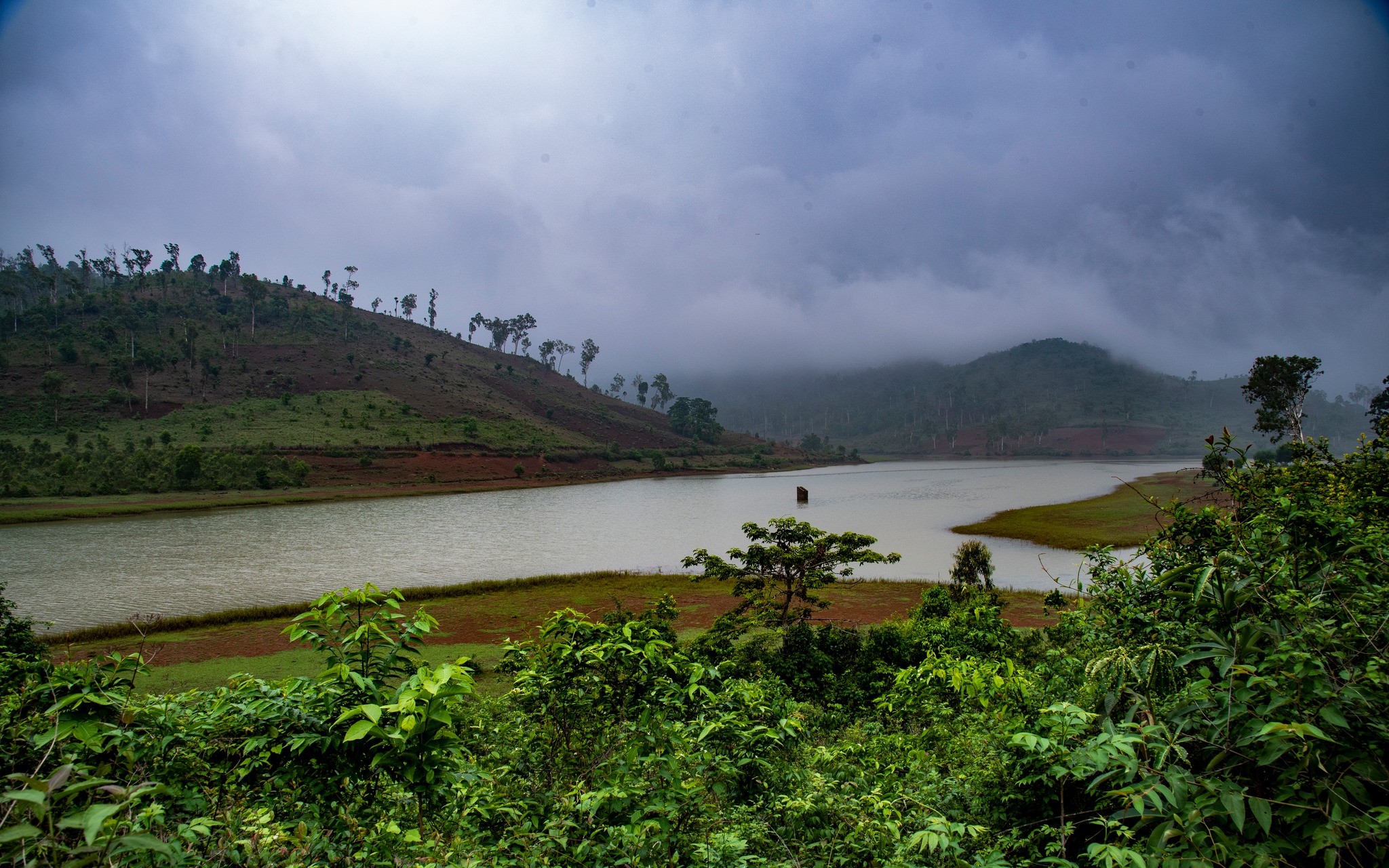
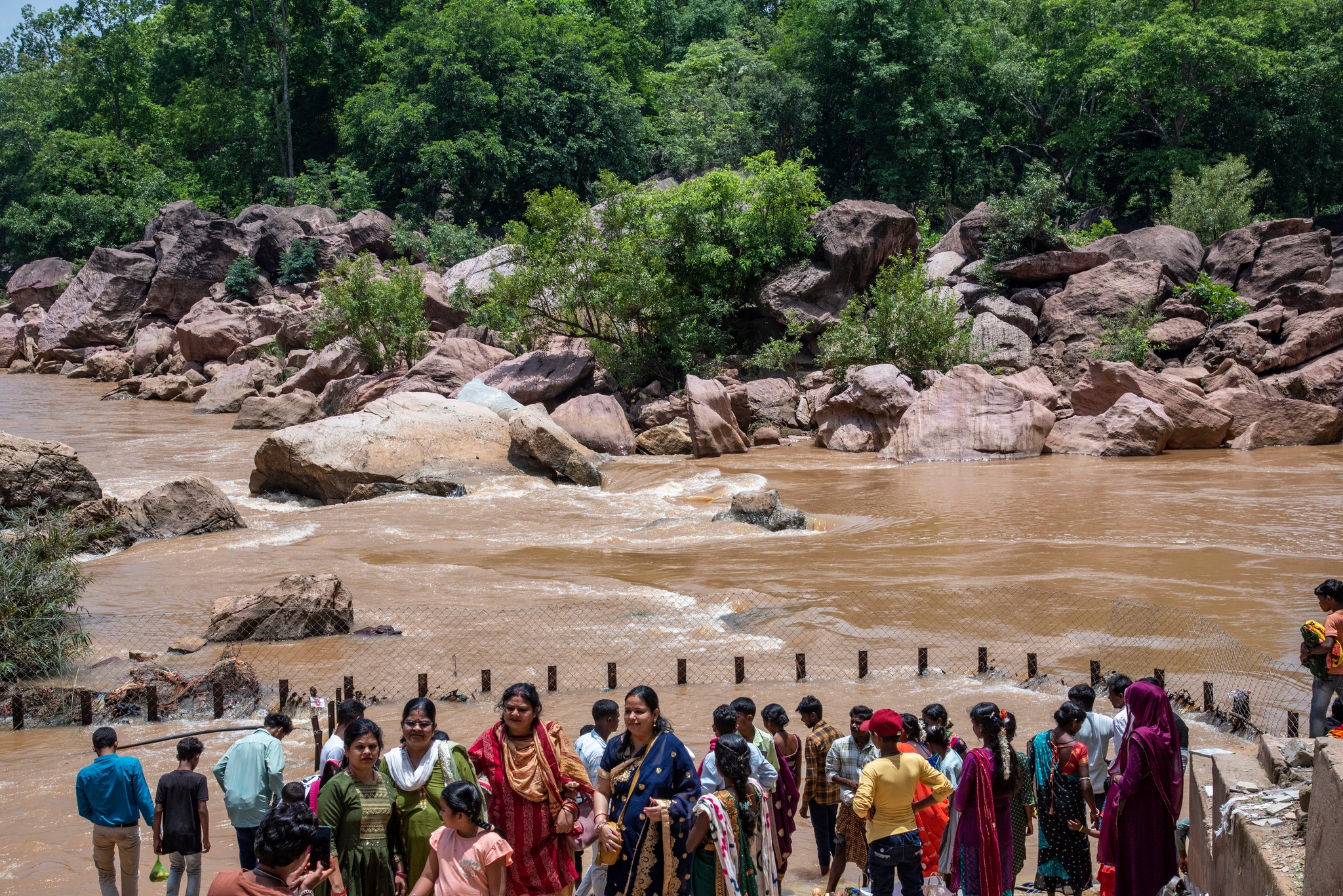
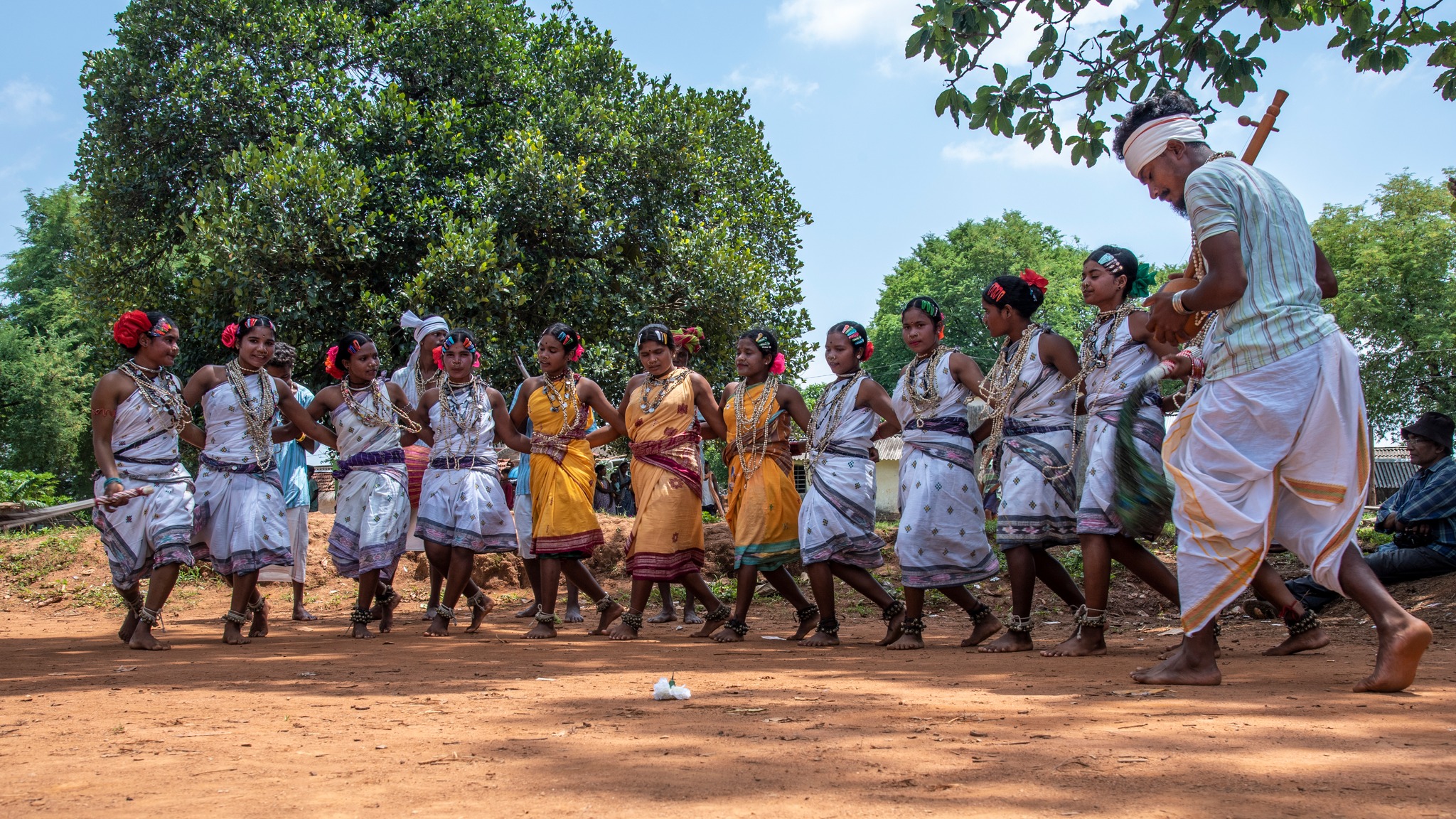
পাহাড় ঘেরা, ঝর্না, নদী, আদিবাসী মানুষের নাচ গান। এটাই কোরাপুট, যেখানে পাহাড় কথা বলে, ঝর্না গায় গান, আর বিভিন্ন জনজাতির ইতিহাস লুকিয়ে আছে বিভিন্ন গ্রামে। মাঝে মাঝেই বৃষ্টি হয় অকারণ। অজান্তে এক গুচ্ছ মেঘ এসে ঢেকে দেয়, শুরু হয় বৃষ্টি।
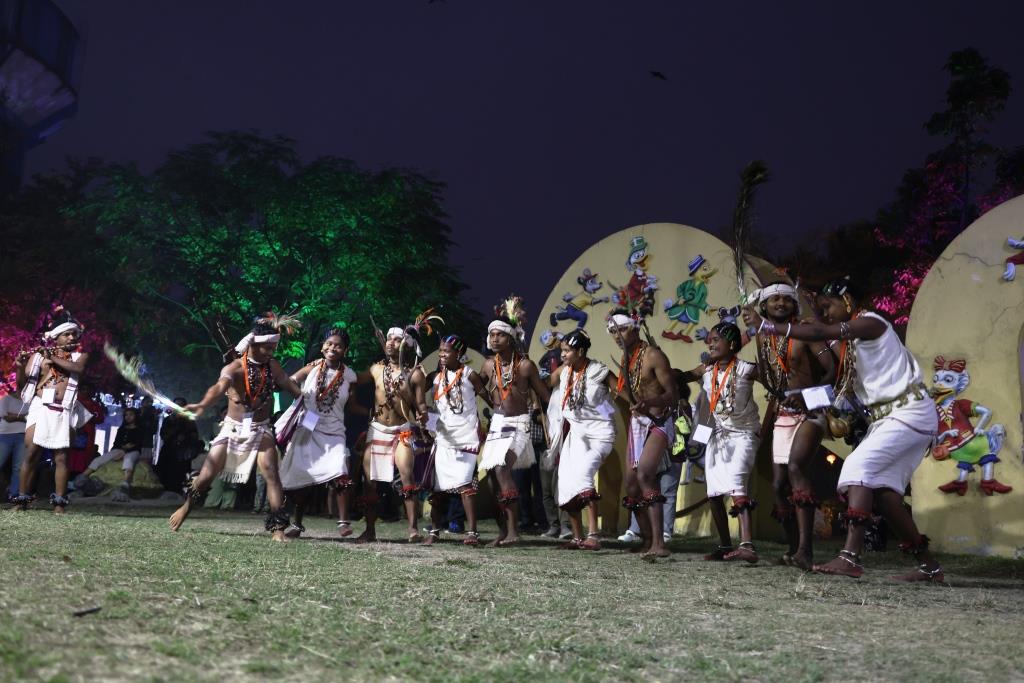
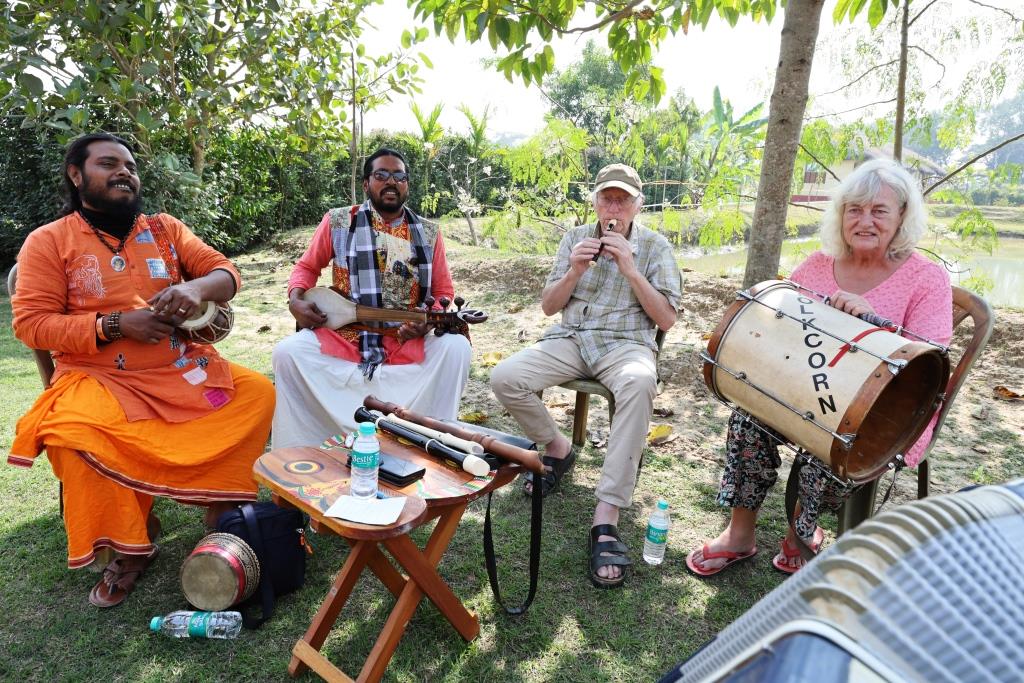
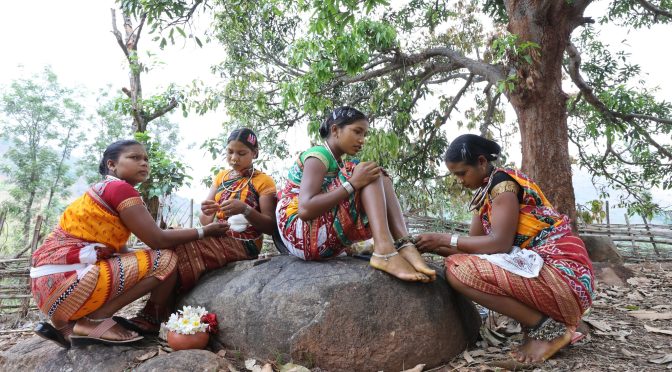
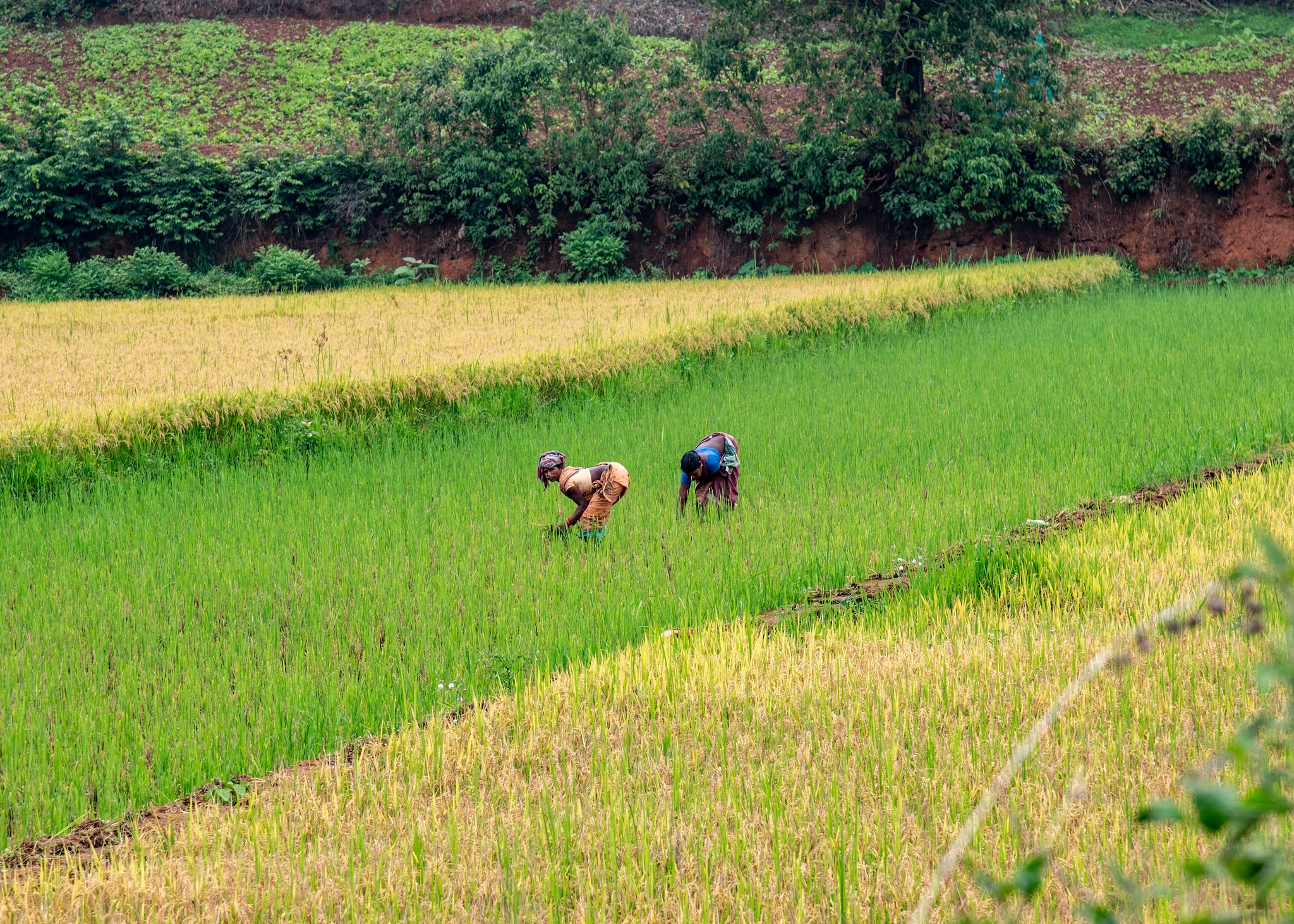
অঙ্ক মেলে না এখানে। যখন মনে হয় এই বুঝি পথ শেষ, আর একটা পথ শুরু হয়। কোমরে হাত দিয়ে রমণীরা গায় জীবনের গান, পুরুষ বাজায় নানান রকমের যন্ত্র। জঙ্গল থেকে বিভিন্ন শাক, কচু জোগাড় করে আনে, সেটাই তাদের মূল খাদ্যাভ্যাস। সঙ্গে থাকে সলপ, মহুয়ার মত, এখানকার মানুষের দুঃখ ভুলে থাকার পানীয়। বছরে একবার তারা শিকারে যায়। পুরো গ্রাম তখন মেতে ওঠে আনন্দে। এক সপ্তাহ শিকারের পর পুরো গ্রাম মিলে সেই খাবার উপভোগ করে। জীবন যাত্রা বেশ কঠিন। পথ খুজতে খুজতে তুমি পথ হারিয়ে যেতে পারো। বিশাল বনাঞ্চলের মাঝে তাদের বাস। ছোট ছোট বাড়ি, মাটি দিয়ে লেপা, মাঝে উঠোন, মাটির কড়াই, হাড়ি, উনন। মাটির দ্রব্য হাট থেকে কেনা। সব গ্রামের আসেপাশে কুমরদের গ্রাম আছে। তারা মাটির বিভিন্ন দৈনন্দিন কাজের দরকারি দ্রব্য বানায়। আর হাটে গিয়ে বেঁচে দেয়। হাটে দরকারি সব জিনিস পাওয়া যায়। জামা কাপড়, শাড়ি, চুড়ি, জুতো, আলতা, সবজি, ফল, মাছ, মাংস, বাঁশের দ্রব্য, হাঁস, আরও কত কি।। যা লাগবে তাই পাবে। আর একদিকে কোনায় কিছু পুরুষ পান করে মহুয়া, সলপ আর সঙ্গে পাবে ছোলা সেদ্ধ। এমন এক হাট অনুকাডেলি হাট, দুদুমা জলপ্রপাত থেকে কিছুটা দূরে অবস্থিত। এখানে বন্ডা উপজাতির মানুষ বাজার করতে আসে । তাদের সারা শরীরে গয়না। গলায় হার, বিভিন্ন রঙের। আগেকার দিনে তারা কাপড় পড়তো না, গয়না দিয়েই ঢাকা থাকতো শরীর। আর তারা পড়তো কেরাং গাছের ছাল থেকে তৈরি শরীরের অপরের অংশের জন্য এক টুকরো কাপড়। কেরাং গাদাবা জনজাতির লোকেরাও পড়ে। তাদের কাপড়ের রং আলাদা, আলাদা তাদের দৈর্ঘ্য ও প্রস্থ।
গাডাবা জনজাতি মুখে ট্যাটু করতো। তাদের কথায় আগেকার দিনে সুন্দরীদের রাজাদের অত্যাচারের শিকার হতে হত। তাই ট্যাটু করে তারা তাদের রূপ লুকিয়ে রাখতে। গাদাবা জনজাতি গোদাভরির তীরে বাস করতো, তাই তাদের নাম গাডাবা বা গদাবা। দুরুয়া আর এক জনজাতি ছত্তিশগড় থেকে এসছিল বলে শোনা যায়। সবরী নদীর এক পারে কোরাপুট আর অন্যদিকে ছত্তিশগড়। অনেক রকমের ধান চাষ হয় এখানকার মাটিতে, সাথে বেশ প্রসিদ্ধ মিলেট, আর কফি। অনেক রকমের গল্প লুকিয়ে আছে এক এক আদিবাসীর জীবন যাত্রায়। খুব কম বয়সেই মেয়েদের বিয়ের চল এখানে। পরিবার দেখে দেবার চল যেমন আছে, পালিয়ে গিয়ে বিয়ের চল ও আছে। তবে মেয়েদের এখানে প্রাধান্য বেশি। ছেলের পক্ষ মেয়ে পক্ষকে তত্ত্ব দেয়। বিধবা হলে বিয়ের সম্মতি আছে। এখানকার মানুষের সরল জীবন। কোনো বাধা নেই।
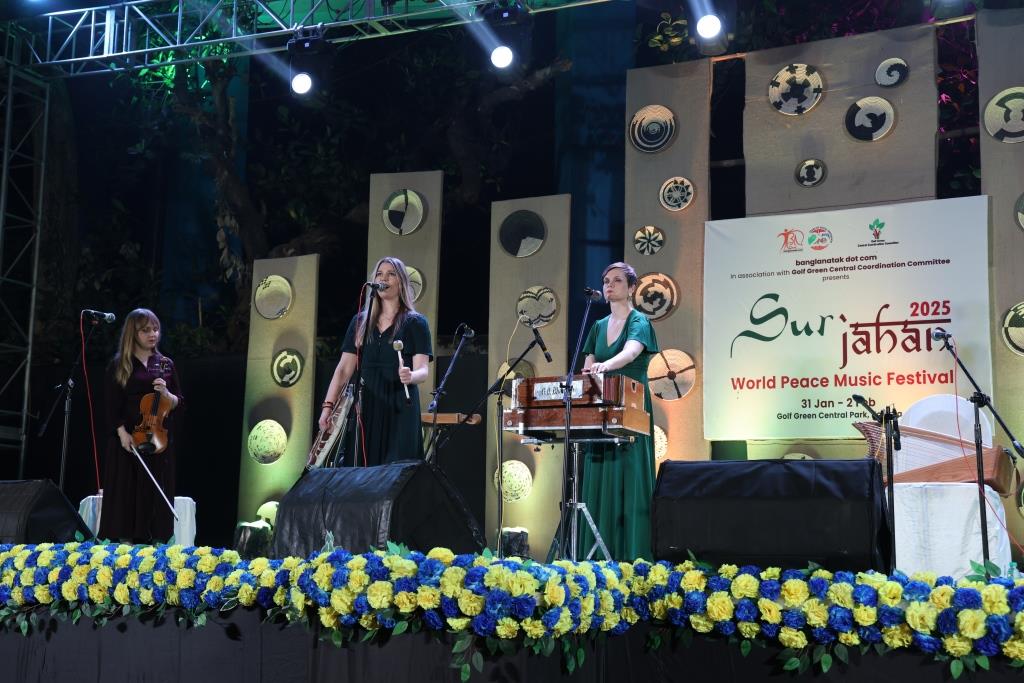
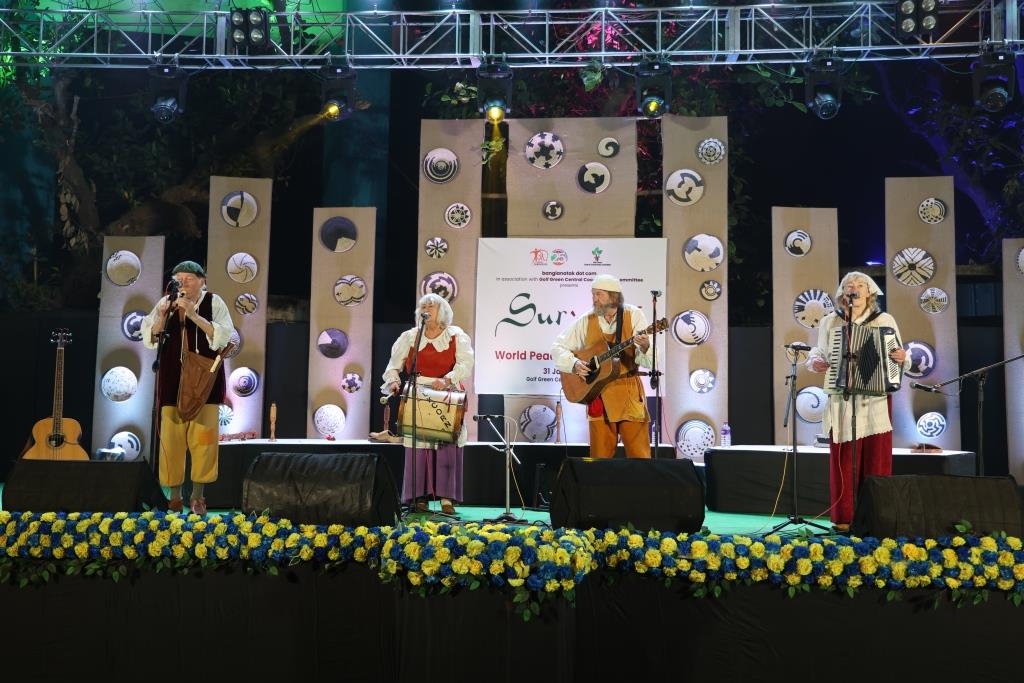
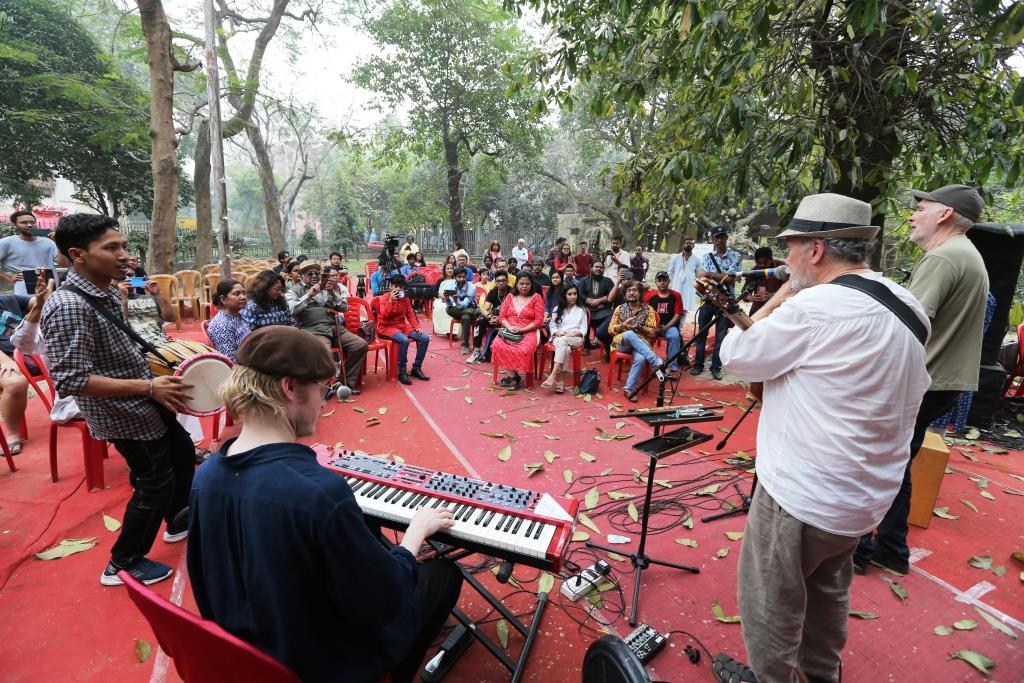
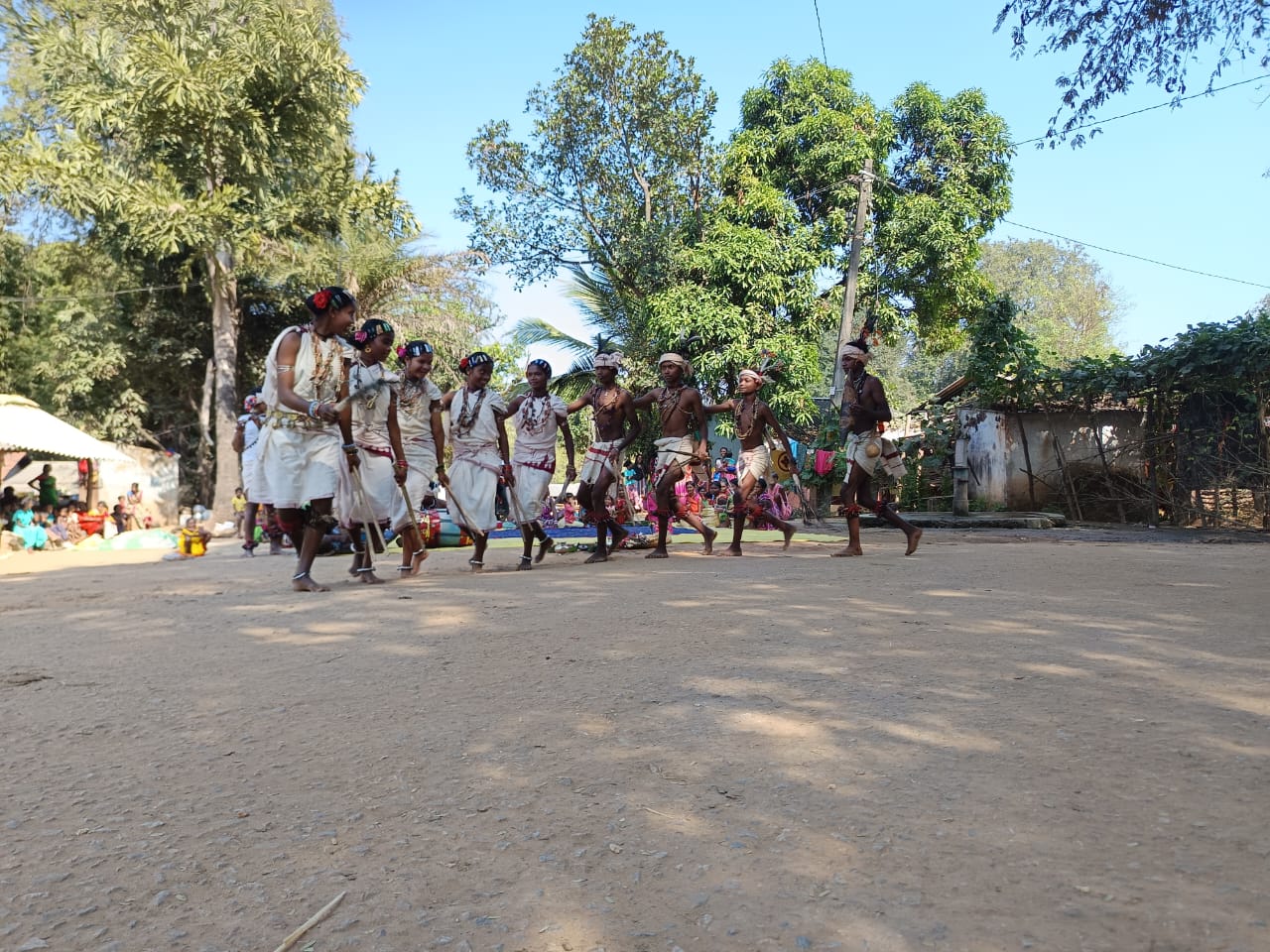
তবে বেশিরভাগ মানুষের পরিসর খুব ছোট। গ্রাম, হাট, আশপাশের পরিবার, বড়জোর হলে কাছের টাউন। ট্রেনে চড়ে প্রথমবার যখন গ্রামের মেয়েরা তাদের শিল্প সংস্কৃতি দেখাতে বাইরে বেড়োয় তখন অবাক চোখে দেখে এক নতুন পৃথিবী। প্রথমবার ট্রেন, শহরের রাস্তা। ঝকঝকে মলে তারা হারিয়ে যায়। এস্কেলেটর দেখে ভয় পায়। তবে তাদের নাচ গান শুরু হলে মানুষের মন নেচে ওঠে। বৃষ্টির গান, চাষের গান, জীবন যাত্রার গান। বাংলানাটক ডট কম কোরাপুটের বিভিন্ন গ্রামে কাজ করে চলেছে। পুরোনো দিনের গান গুলো নতুন প্রজন্মদের শেখার জন্য যখন প্রশিক্ষণ শিবির আয়োজন করি তখন কুমার জানি গেয়ে ওঠে এক নাবালিকার যন্ত্রণার ব্যাখ্যা। যখন তার জীবনের শখ পূর্ণ হয়নি, তখন তাকে বিয়ের পিঁড়িতে বসিয়ে দেওয়া হয়। আজকাল মানুষ বুঝতে পেরেছে হয়তো কম বয়সে মেয়ের বিয়ে দিলে সে কি কষ্টের মধ্যে দিয়ে যায়। সবাই মিলে এক সন্ধ্যায় গান গাইছিলো, ফুলের গান। কথিত আছে মহিলারা বিভিন্ন ফুলের গুনগান করে। আর সেই ফুলের গন্ধ ঘিরে ধরে কোনো এক রমণীকে। সেই গন্ধের ভরে অচৈতন্য হয়ে যায় মেয়েটি।
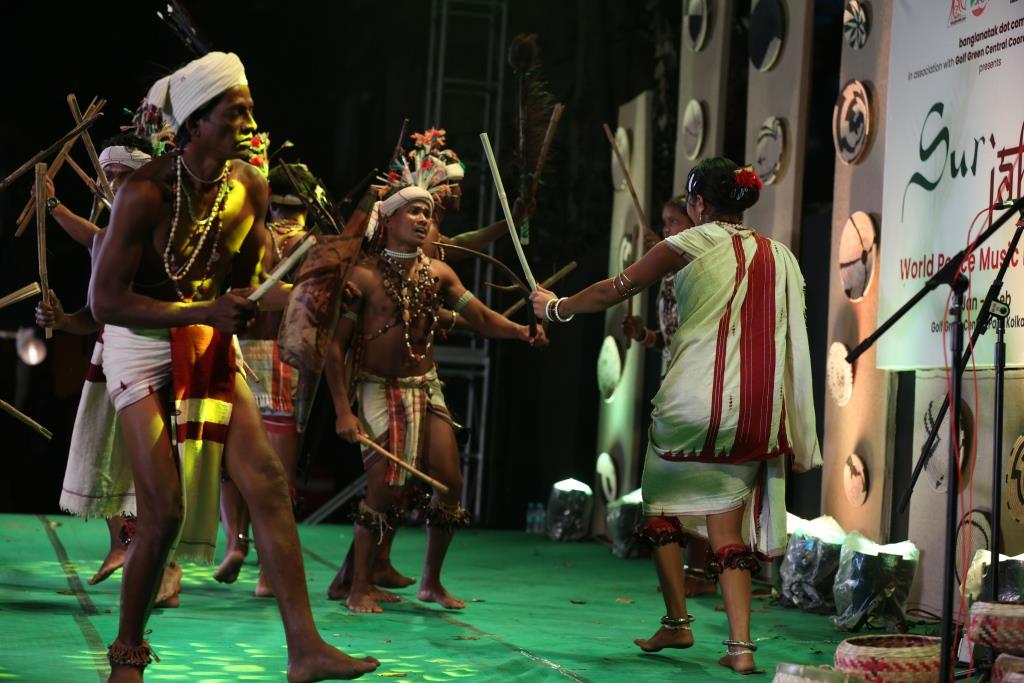
কন্ধাদের সাথে দেখা হলো খেজুরিপুট গ্রামে। এটা জানা যায় এখানে এককালে অনেক খেজুর গাছ ছিল। কন্ধাদের বিয়ের প্রথা বেশ অন্যরকম। ছেলেরা মেয়ে দেখতে আসে। ডুমডুমি বাজিয়ে গান হয়। একটি ডুমডুমি দিতে হয় মেয়ের বাড়িতে। যদি মেয়ের পছন্দ হয় তালে ডুমডুমি গ্রহণ করা হয়, আর না পছন্দ হলে ডুমডুমি ফেরত দিয়ে দেওয়া হয়। ডুমডুমি একটি এক তারের যন্ত্র, লাউয়ের খোল দিয়ে বানানো হয়। এরম কত গল্প লুকিয়ে আছে। গাডাবারা যখন গোদাবরী তীর থেকে এসে লম্পটাপুট অঞ্চলে প্রথম থাকতে শুরু করে তখন চার জন বিভিন্ন গ্রামে থাকতে শুরু করে। তারপর কথিত আছে তারা প্রচণ্ড ভূতের ভয়ে একসাথে থাকতে শুরু করে।।এবং ধীরে ধীরে তাদের সংসার বিস্তার করে। আবার গাডাবা জাতি এখন একটা নতুন ধর্ম পালন করে। যাকে বলে আলেখ ধর্ম। সেখানে সবাই খায় নিরামিষ খাবার। এটাই এক অদ্ভুত সহবাস। তবে সব জনজাতির প্রধান দেবী হুন্ডি মাতা। তারা পুজো করে প্রকৃতিকে। দুরুয়াদের গ্রাম কেন্ডুগুদা। কেন্দু গাছের সারি এই গ্রামে। সেখান থেকেই নাম কেন্দুগুদা। তাদের নাচের নাম বিরলি নাচ। এখানে কাঠি ব্যবহার করে এক এক জন এক একজনের সাথে কাঠীর আঘাত আদান প্রদান করে ঘুরে ঘুরে। আমি ঘুরে বেড়িয়েছি বিভিন্ন গ্রামে।
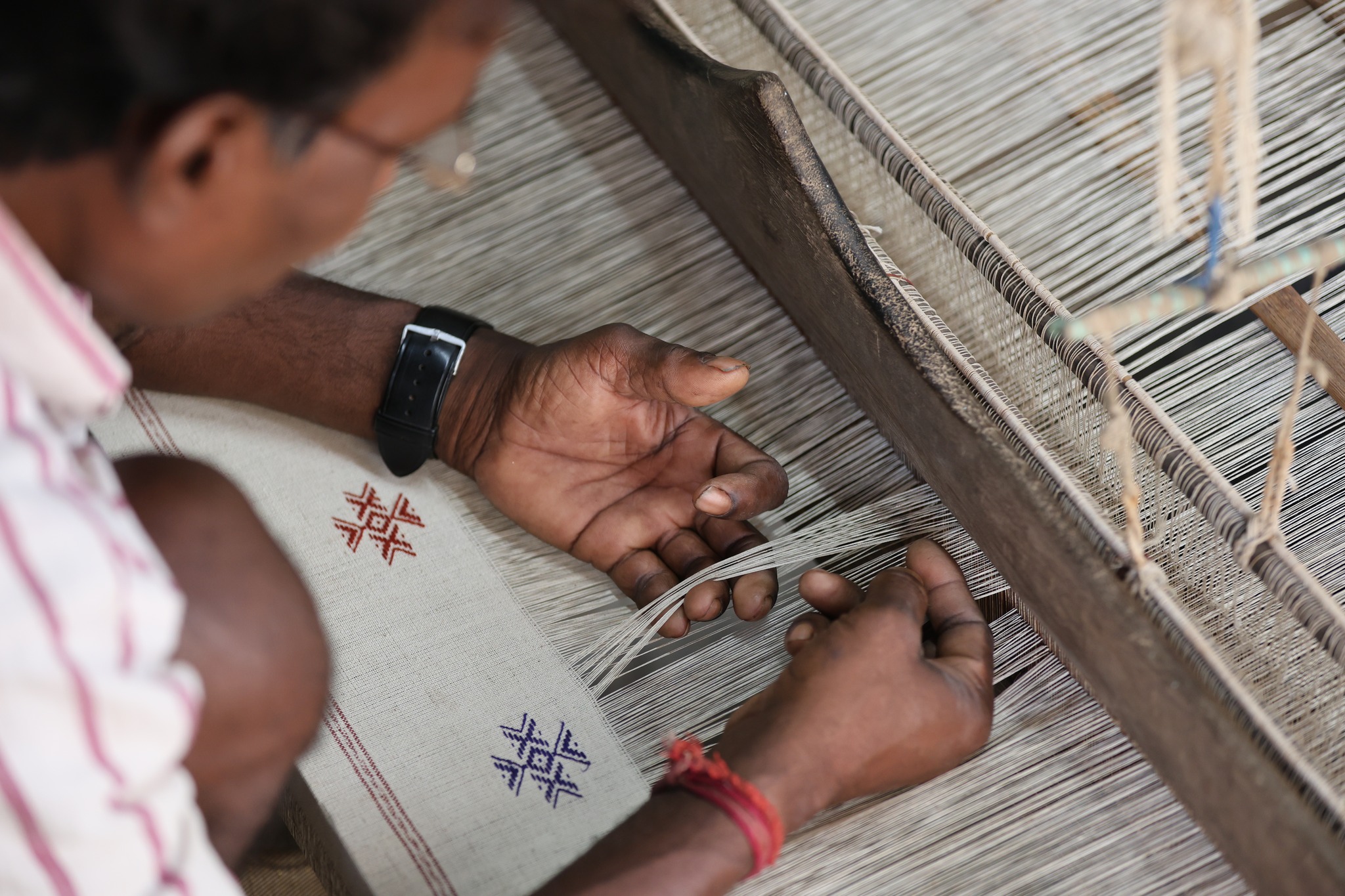
কোটপাড ছোট টাউন। এখানে মিরগান সম্প্রদায়ের মানুষ প্রধানত বুনন করে শাড়ি, দুপাট্টা, আর থান। টাউন এর লোকেরা ছাড়াও আশপাশের ছড়িয়ে ছিটিয়ে থাকা গ্রাম যেমন ভানসুলি, ডংরিগুডায় তৈরি হয় কোটপাড শাড়ি নামে প্রচলিত কাপড়। এই কাপড়ের উল্লেখযোগ্য বৈশিষ্ঠ তাদের ভেষজ রং করার পদ্ধতি। আল গাছের ছাল থেকে তৈরি হয় খয়েরী এবং লাল রং। হিরাকাশি বা ফেরাস সালফেট-এর সাথে লাল রং মেশালে হয় কালো। বাকি অন্য রঙের সুতো তারা বাজার থেকে কিনে আনে। এখানকার শিল্পী পদ্মশ্রী গোবর্ধন পানিকা তার কাজের জন্য পদ্মশ্রী সম্মান পেয়েছেন।
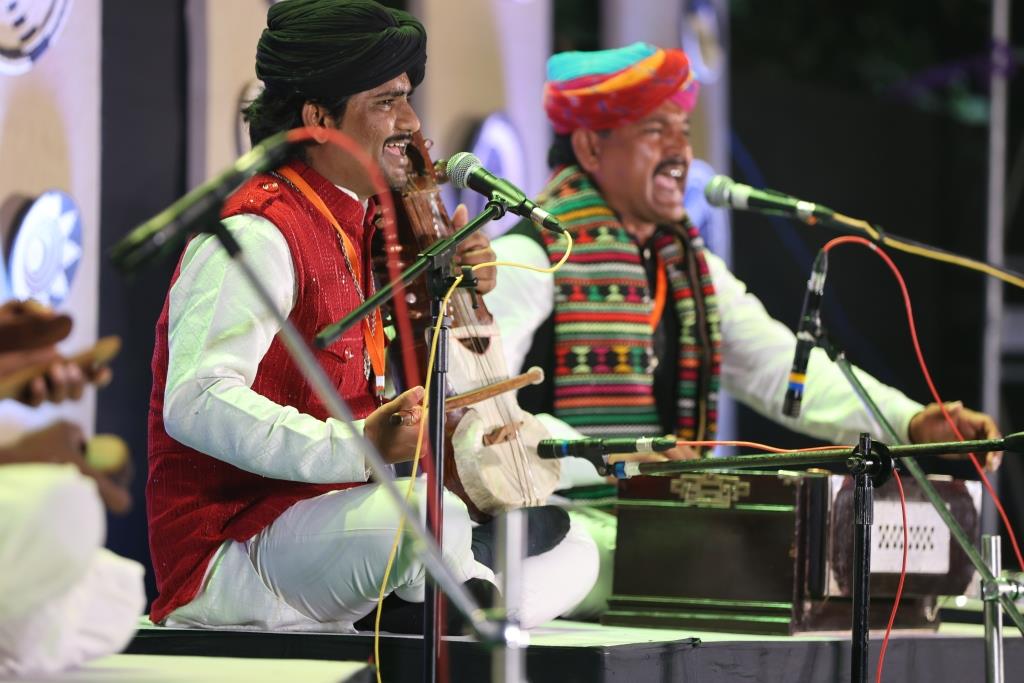
সুবাই নামে এক ছোট্ট গ্রাম। সেখানে পাওয়া গেছে পঞ্চম শতাব্দীর জৈনদের মন্দির। পাঁচটি মন্দির এখানে অবস্থান করে। মন্দির বলতে এখানে প্রসিদ্ধ শিব মন্দির, গুপ্তেশ্বর মন্দির। বইপাড়িগুডায় অবস্থিত ন্যাচারাল লাইমস্টোন দিয়ে তৈরি গুহা এবং শিবলিঙ্গ। কথিত আছে রাম তার বনবাসের সময় এক শিবলিঙ্গ খুঁজে পায়। রাম অবশ্য বনবাস জীবন বোধহয় ভারতের সব প্রান্তেই কাটিয়েছিলেন। পাশেই সবরি নদী এবং তার অন্যদিকে ছত্তিশগড়। মানুষ এখানে বেড়াতে আসে খুব কম। শীতকালে কিছু মানুষ আসে। পরব নামে এখানে বিশাল মেলা হয় নভেম্বরে। সেই সময়ে অনেক মানুষ আসে ওডিশার বিভিন্ন প্রান্ত থেকে। শীতেও মানুষ আসে। তবে এখনও বিশাল হোটেল দিয়ে জায়গার সৌন্দর্য নষ্ট হয়নি। প্রকৃতি বেঁচে আছে, পাখি গান গায়, দেওমালি পাহাড়ের চূড়ায় নিস্তব্ধতা, ডুডুমার ঝর্নার শব্দ শোনা যায় অনেক দূর থেকে। কে যেন বাঁশী বাজায়। বাঁশি এখানকার আদিবাসীদের তাল ও ছন্দের যন্ত্র। এখানে বলে মোহুড়ি। তালবাদ্য অনেক রকমের, ঢোল, তিরিবিড়ি, ধাপ এর মধ্যে প্রধান। কাকরিগুমায় এক দল মানুষ তালবদ্য বানায়। সেখান থেকেই বিভিন্ন নাচ গান দলের শিল্পীরা কিনে নিয়ে যায়। আর তাদের গ্রাম থেকে একটু দূরেই আছে পুঞ্জাসিল জলপ্রপাত, তেলিমাটিং জলপ্রপাত। একটা বিকেল ঝর্নার ধারে বসে কাটানোর ইচ্ছে আছে। যেখানে কবিতারা ভেসে আসে অবলীলায়। এক রমণী, তার পা ডুবিয়ে বসে থাকে, স্বপ্ন দেখে বিদেশ পারি দেওয়ার।
দিশারী আছে সব গ্রামে। অল্পবিস্তর অসুখ হলে তারাই ওষুধ দেয়। গাছের শিকড়, ছাল, শাখা, পাতা, ফুল থেকে তৈরি হয় সে ওষুধ। বংশপরম্পরায় এই ওষুধ বানানোর শিক্ষা এক জন্ম থেকে আর এক জন্মে পৌঁছে যায় অনায়াসে। পৌষ পার্বণ, চৈত্র উৎসবে এরা বেশ আনন্দে মেতে ওঠে। পৌষ পার্বণকে এরা পুষপুনি বলে থাকে। এই সময় নাচ গান, ভালো মন্দ খাওয়া, সুরা পান চলতে থাকে গ্রামে গ্রামে। বিভিন্ন রকমের সাজে মানুষ বেরিয়ে পড়ে। কেউ রাজা, কেউ রাবণ, কেউ রাম সাজে। কেউ কেউ বিভিন্ন জন্তুর সাজেও বেরোয়। একটি শোভাযাত্রা বেরোয়, বাজনা বাজে, গ্রামের মানুষ একত্রিত হয়।
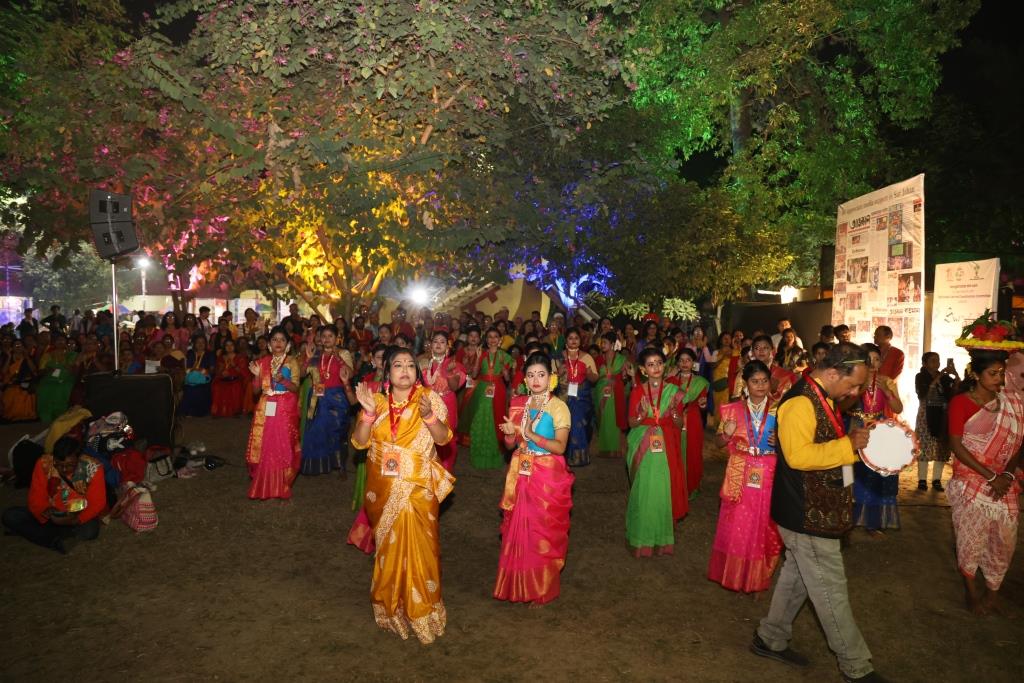
বাড়ি বানানোর আদল এক এক জনজাতির এক এক রকম। দুরুয়াদের বাড়ির চারিধারে কাঠের পাটাতন দিয়ে ঘেরা থাকে। কিছু জনজাতির বাড়ি চৌকো আকারের, কারো বা গোলাকার। মাটির বাড়ির ছাঁদ বেশির ভাগ আসবেস্টাসের, কিছু বাড়ির টাইলস দেওয়া। কন্ধাদের বাড়িগুলো সারী দিয়ে একের পর এক। আর প্রত্যেক বাড়ির দেওয়ালের রং আলাদা। এক অদ্ভুত রঙের মেলা দেখা যায়। প্রত্যেক জনজাতির মেয়েরা বিভিন্ন ফলের বীজ দিয়ে তৈরি করে বিভিন্ন ধরনের গয়না। দুরুয়ারা সিয়ালি গাছের ফল থেকে তৈরি করে মালা। এরম ব্যবহার হয় আরও অনেক গাছের বীজ, বেশিরভাগ জঙ্গলি গাছ। তারা যখন বিভিন্ন রঙের শাড়ী পড়ে দলবদ্ধ হয়ে নাচে বাদ্যযন্ত্রের তালে তখন তৈরি হয় এক অনন্য পরিবেশ। নাকে তাদের বিশাল নোলক, কানে দুল, পায়ে হাতে বালা, সব মিলিয়ে এক অসম্ভব সুন্দর দৃশ্য। অনেকবার কোরাপুট গেছি, প্রতিবার নতুন কিছু দেয় এখানকার প্রকৃতি, মানুষ, আর জনজাতির সংস্কৃতি। ভিজিয়ানগরম বা বিশাখাপটনাম অব্দি ট্রেনএ এসে সেখান থেকে গাড়ি নিয়ে পৌঁছে যাওয়া যায় সহজেই বা সোজা হাওড়া থেকে ট্রেনে কোরাপুট। একবার ঘুরে যান মায়াবী কোরাপুট।।
Author : Siddhanjan Ray Chaudhuri

WSAF in 2025- Making inroads through a Thematic Approach

Women form the backbone of the Indian Tea Industry as they have the unique skills to pluck the perfect leaves and buds needed to make the aromatic cup of tea. They toil hard working from morning to evening in challenging weather so that Indian tea can be enjoyed by all across the globe. Over the years, these women had been plagued with instances of violence but did not have the right avenues to seek justice.

The Women Safety Accelerator Fund (WSAF) is a program that was initiated in 2021 to create a platform for women in the tea estates to identify the otherwise ‘normalized’ violence faced by them and express them in a platform. It also established the need to delve further into other aspects of women safety such as redressal of sexual harassment and domestic violence, creating a dialogue around sexual and reproductive health rights and also find solutions towards additional incomes and financial security. Continued efforts have focused on strengthening the approach around these thematics to ensure holistic development of the women workers in the tea sector of India and in turn ensuring safe, healthy and empowered tea communities.

Establishing Sexual and Reproductive Health Rights

Women still resort to using cloth during their menstrual cycle which may not always be hygienic. Some still disregard contraceptive methods thinking that it goes against the laws of nature. Quite a few of the tea estate hospitals are still not under the Public Private Partnership model leading to challenges in supplies. Some of the contraceptive methods may have certain mild side effects which becomes a concern for the people. People are ignorant regarding the prevalence and symptoms of UTI/ STI which mostly go untreated. Teenage pregnancies are significant in number.

At the onset, the tea estate managements had highlighted the need for modern methods of contraception to be introduced within the communities. The major challenge was in creating awareness among the communities around these taboo topics as there were traditional practices along with myths and misconceptions prevailing within the communities.

When we started our discussions centered around sexual and reproductive health, the people were initially shy and uncomfortable discussing such topics but fortunately open to it as they believed that it could bring about a positive change in society. The discussions turned out to be rather interesting with the men.

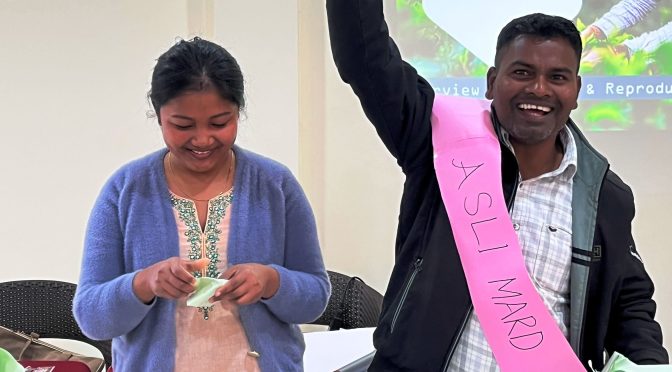
During one of the sessions, a line chowkidar (in charge of safety in the residential lines) was handed over a ‘secret’ pack. He was very happy to receive it and was asked to open the pack and reveal it to all those present. He enthusiastically opened the pack and showed it to all without realizing that it was a packet of sanitary pads. On being asked what it was and what it was used for, he felt shy to share the same. On being informed that menstruation was a natural phenomenon and the essence of creation and that it was a safe space to share his opinion, he felt comfortable to mention that it was used by the women in his household during the time of menstruation.

Exploring Avenues for Additional Income

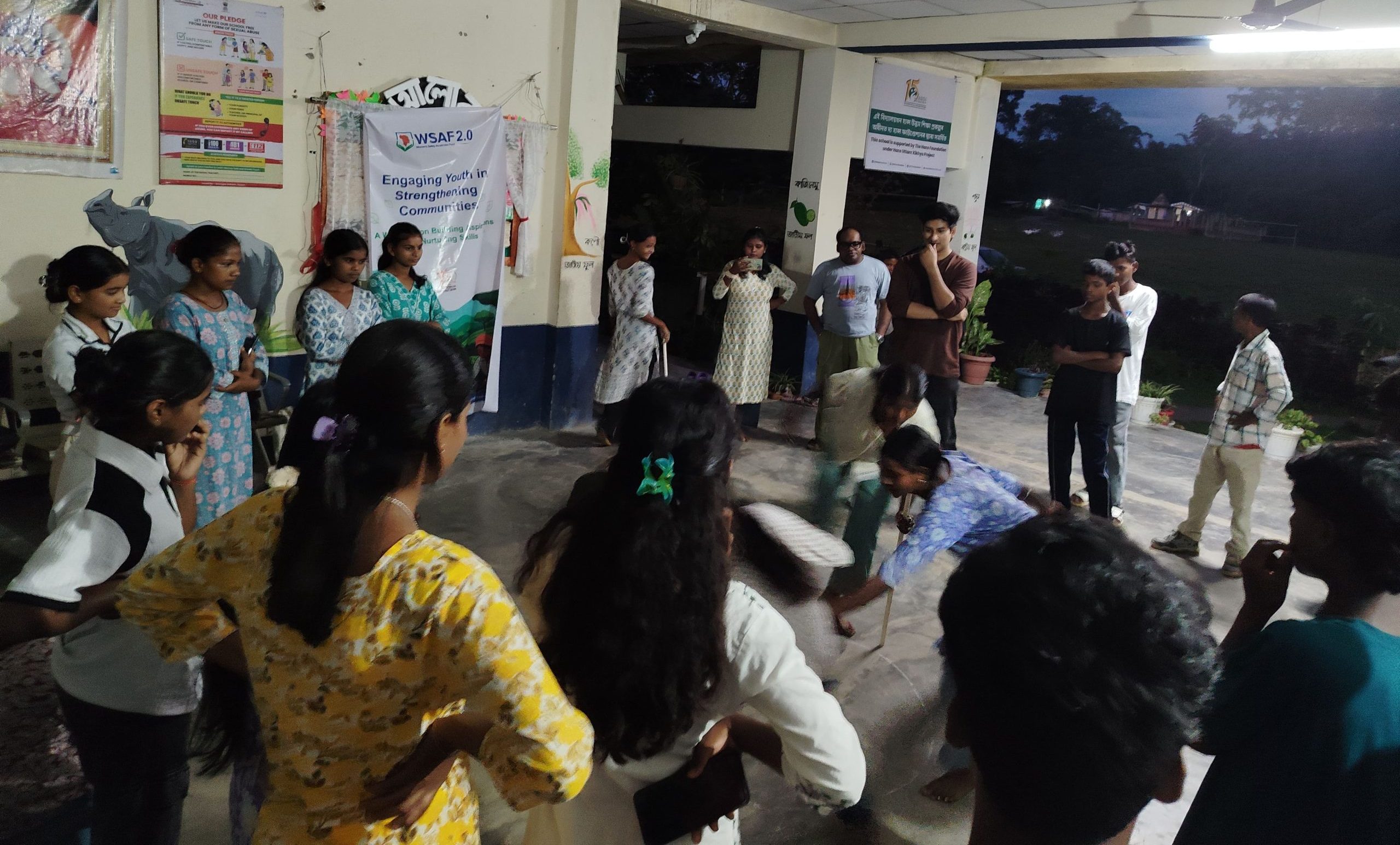
Another angle which we explored during this year was trying to figure out additional livelihoods for the tea estate communities as their minimum wages were rather low. We had several rounds of discussions with the Assam State Rural Livelihood Mission to understand what could possibly work in the tea estates. Some of the ideas that were floated were that of kitchen gardens, organic manure and tea tourism. Groups needed to be created at the tea estate level and then trained accordingly to run the functions. The plan was to organize them into producer companies.

With this in mind, we organized several outreach programs in the tea estates to identify those interested to be part of such programs. We had expected a large turnout as we were offering opportunities for the unemployed youth. To our surprise, not too many people turned up. On being questioned about their aspirations, the youth were blank as to what they wanted to do. Infact, they did not have much interest to do anything.

We could thus infer that what was required was a large scale drive targeting youth to build aspirations and make them realize the importance of positive engagement and the need to earn a sufficient livelihood.

WSAF was conceptualized keeping in mind certain challenges faced by the tea community, but the long term engagement has given us the clarity on how to engage with communities to get the necessary outcome. The key lies in creating a platform for dialogue. Nothing can be imposed upon communities. There needs to be deep trust and strategies need to be evolved keeping in mind the need of the communities. The 5 years of engagement with WSAF has definitely given us the perspectives on the things to do for holistic development of the communities, the most important being tapping the potential of the youth to bring about the desired change and creating the necessary linkages with Govt. stakeholders. Continuous exchange of ideas with the community can definitely go a long way in creating the necessary exposure for the people to think of the larger good beyond their mundane day to day existence.

Author: Devdan Mookerjee

Related Blogs : 

চা বাগানের মাঠে স্বপ্নের লড়াই ফুটবলে মেয়েদের আত্মবিশ্বাসের জয়
WHEN VOICES RISE, CHANGE FOLLOWS


WHEN VOICES RISE, CHANGE FOLLOWS

WHEN VOICES RISE, CHANGE FOLLOWS

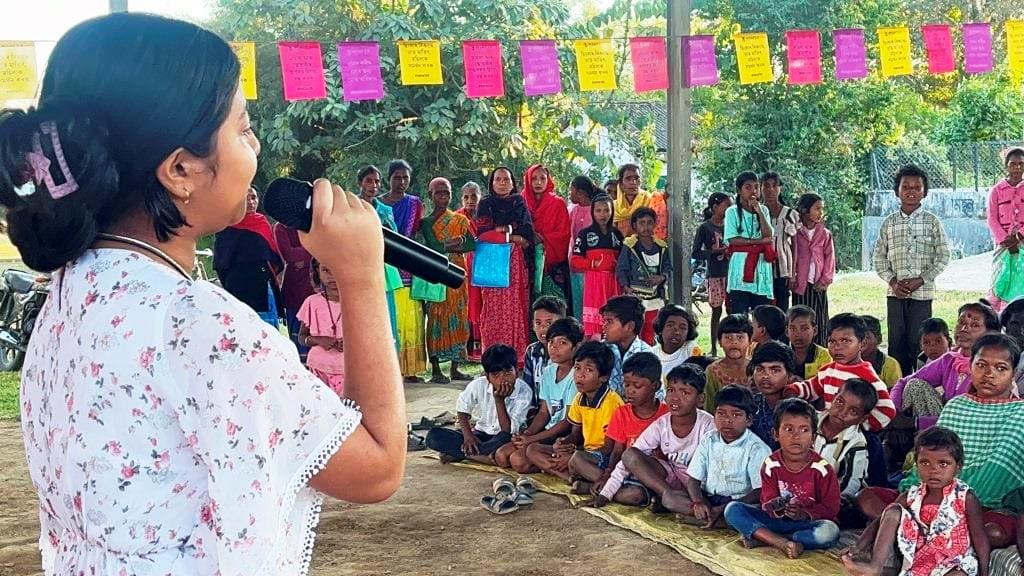
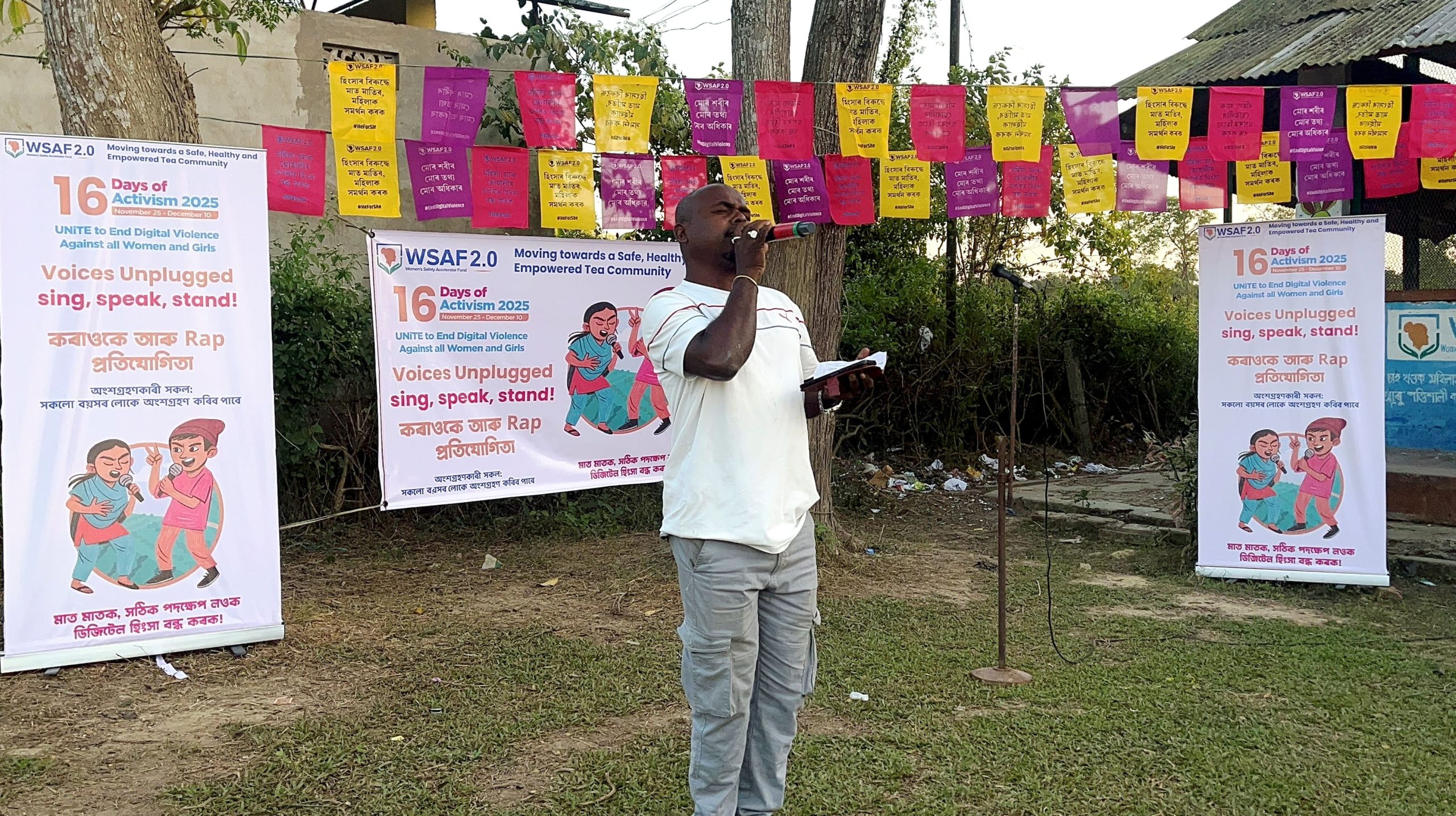
Voices Unplugged: Sing, Speak, Stand! is a karaoke-based youth initiative that uses music as a tool for advancing gender equality, dignity, and rights. Rooted in community experiences, the programme turns awareness into action through creative engagement. A key innovation was the lyric-decoding exercise on popular Bollywood “item songs,” where participants critically examined stereotypes, objectification, and gender norms—without moralising—transforming everyday entertainment into a space for reflection and change.

Initiated in 2021, the Women’s Safety Accelerator Fund (WSAF) program seeks to build awareness, prevention, and effective response to gender-based violence (GBV within the tea industry by engaging management, staff, workers, and adolescents across 300+ tea estates in Assam, West Bengal, Tamil Nadu, and Kerala to create safer estates and communities for women and girls. A key focus has been strengthening response mechanisms by linking tea estates with government stakeholders such as District Social Welfare Departments, District Legal Services Authorities, and district-level helplines, with stakeholder visits improving awareness of services and access pathways. The program works closely with estate management to institutionalize systems to identify, track, and address violence against women (VAW) and to build understanding of legal frameworks including the Prevention of Sexual Harassment (POSH) Act. Simultaneously, WSAF identifies and builds the capacity of community-based agents of change— women Leaders, adolescent girls and boys, and youth leaders—who lead prevention efforts and share learnings through community meetings using culturally rooted mediums such as theatre, posters, films, songs, music, and Jhumur dance.

In the tea gardens of Assam—where generations of families have lived and worked, often on the margins of visibility—change does not always begin with policy documents or formal meetings. Sometimes, it begins with music.

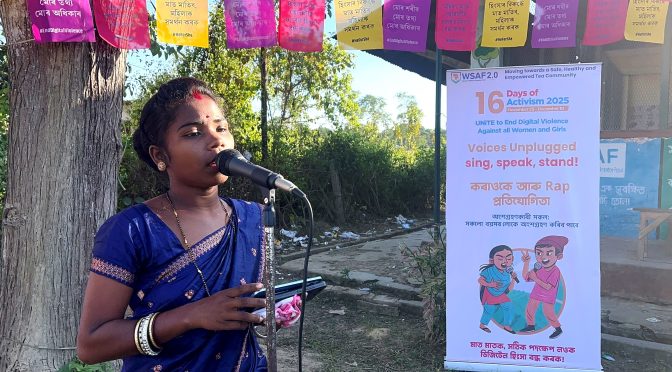
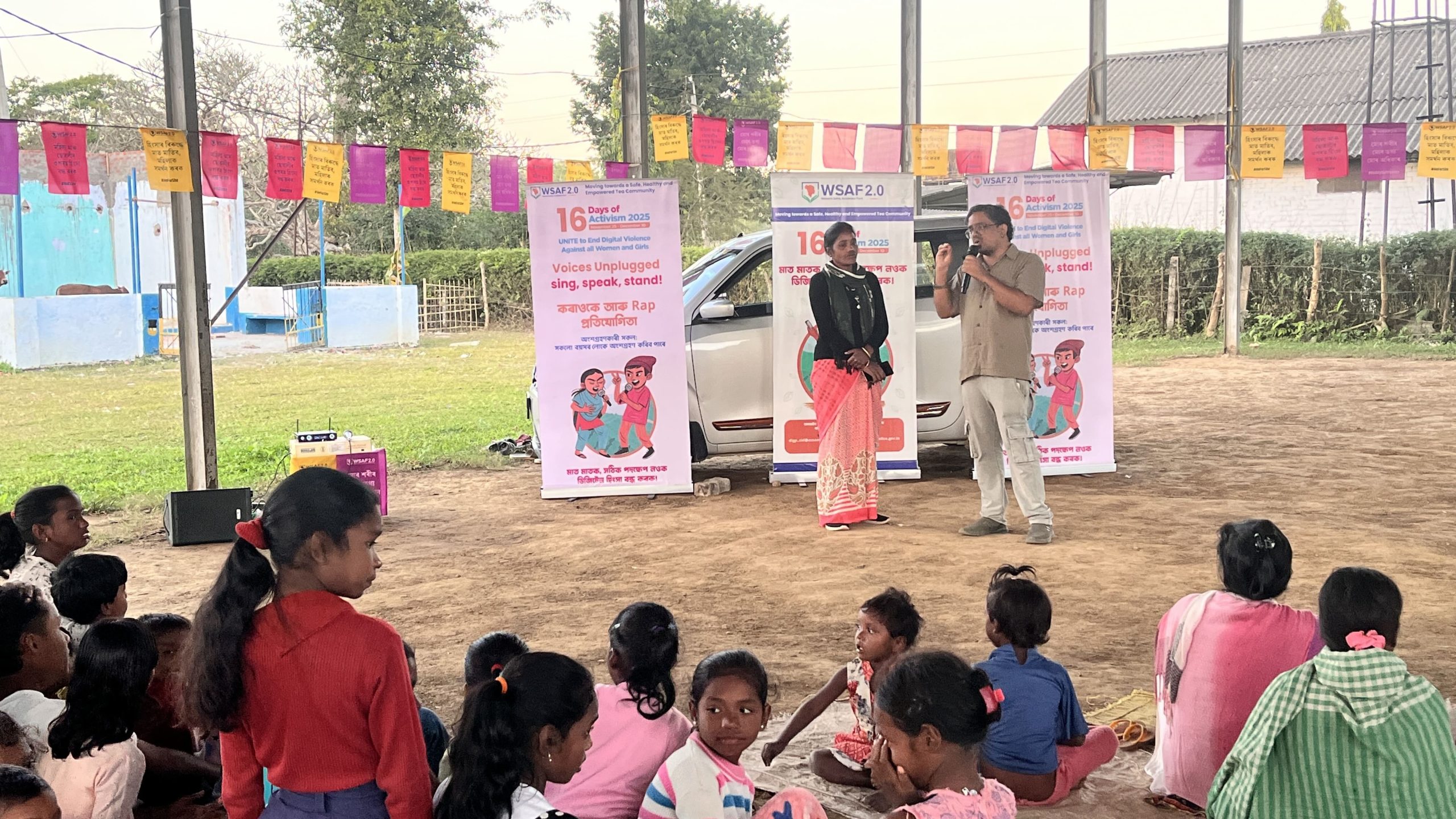
Voices Unplugged: Sing, Speak, Stand! implemented across 11 tea estates in Dibrugarh and Tinsukia districts during the 16 Days of Activism Campaign, 25th November – 10th December 2025. This karaoke-based youth engagement initiative demonstrated how creative, community-rooted approaches can meaningfully advance gender equality, dignity, and rights. This programme offers a powerful example of how arts-based interventions can convert awareness into action.

Why This Initiative Matters

Aligned with the global theme “UNiTE to End Digital Violence against All Women and Girls,” Voices Unplugged went beyond conventional awareness sessions. It used music—something deeply embedded in tea garden culture—as a bridge to conversations on Violence against Women and Girls (VAWG), Sexual and Reproductive Health and Rights (SRHR), consent, respect, and digital safety.

The strength of this initiative lies in its design and reach:

  • Implemented in 11 tea estates across multiple management groups
  • Engaged 200+ participants directly and 3,500+ community members as audience
  • Ensured participation across management, staff, youth, women, men, frontline workers, children and community.

This breadth of engagement reinforces a critical message: Ending Violence against Women and Girls is not a “women-only” issue—it is a shared community responsibility.

Creativity as a Catalyst for Behaviour Change

What makes Voices Unplugged particularly compelling is its shift from passive awareness to active expression. Young people did not merely listen; they performed, reflected, questioned, and reimagined.

Through karaoke performances in Assamese, Adivasi, Jhumur, Hindi, and songs by icons like Bhupen Hazarika and Zubeen Garg, participants translated complex social issues into emotional, relatable narratives.

This approach:

  • Reduced discomfort around sensitive topics
  • Encouraged peer-to-peer dialogue
  • Built confidence among adolescents and young women
  • Positioned young men as allies and change agents

When programmes meet communities in familiar cultural spaces, participation deepens and messages endure.

Critical Engagement with Lyrics Decoding

A particularly innovative component was the lyric decoding exercise on Bollywood “item songs.” Rather than moralising, facilitators guided participants to critically examine lyrics—identifying stereotypes, objectification, and harmful gender norms, alongside empowering messages.

This exercise connected everyday media consumption to real-life attitudes and behaviours, linking popular culture directly to concepts of consent, bodily autonomy, and respect. Such critical thinking is essential for long-term norm change and aligns strongly with donor priorities around youth leadership and media literacy. Using short clips from popular songs and tracks, the activity created an interactive space where participants collectively examined the gender messages embedded in the lyrics.

One of the participants said by decoding the song Fevicol Se, Dabbang– “ Koi bhi mahila ya ladki tandoori murgi nahi jisse kaat ke kha ja sake…yeh bauhut galat hain” ( It is disrespectful to compare women with tandoori chicken)

Tu Cheez baadi hain mast mast, Mohra – ”Ek ladki ko object ke hisab se dekhna yeh sooch galat hain…hume unka samman karn chahiye” (Women should not be objectified. They deserve respect)

Tangible Outcomes, Visible Confidence

The outcomes of Voices Unplugged were both immediate and promising:

  • Increased confidence and public speaking among youth
  • Strong ownership of gender equity messages
  • Emergence of youth-led advocacy through songs, rap, and social media content
  • Greater awareness of Internal Committees, helplines, and support services

Importantly, young participants began creating positive and responsible digital content, signalling the programme’s relevance in addressing both offline and online violence.

A Human Story Behind the Numbers

Data tells one part of the story. Jasoda’s journey tells another.

At Pengaree Tea Estate in Tinsukia District, Jasoda stepped onto a public stage for the first time—not just to sing, but to reclaim her voice after years of silence. Supported by her husband, who brought her and their son to the venue, her performance symbolised a quiet but profound shift—from endurance to dignity, from fear to confidence.

Stories like Jasoda’s illustrate the true impact of investing in safe, creative spaces. These are the moments where transformation becomes real. Jashoda sang the famous song by Kumar Sanu from Bollywood movie ‘Jurm’ twisted the lyrics like – “Jab Koi baat Bigad Jaye, Jab koi Mushkil Padjaye…Tum call karlena … 181 pe…” ( Anytime you are in trouble, please call 181)

Here are few Songs sung by the participants during Voices Unplugged: Sing, Speak, Stand! Karaoke Competition:

  • “Mera Mulk Mera Desh Mera Yeh Watan ….. Mur Sharir … Mur Tathya … Mur Adhikar …. Iske upor kisika naa haq hai mere yaar…..” ( It is my country, my body, my information, my rights, no one else has rights on them)
  • “Pal Pal Dil ke paas tum rahetein ho ….. Jab kajiya ho samaj mein… tum chup mat rahena … Awaz uthao tum … Hingsa ko rok na…. Support karna mahilaon ko… ” (You are very close to my heart. Whenever there is trouble in society, do not stay quiet, seek help, stop violence, support the women)
  • “Nari Mane shristi …Nari Mane Shakti… Nijer Sharir ouporat homman… heyay mukti…” (Women means creation, women means power, they deserve respect)

Key takeaway:

Involve Youth in a creative manner and their voices became tools for change – singing and performance helped young people speak confidently on issues of gender equality, rights, and digital safety.

Breaking silence through creativity – karaoke created a non-threatening space to discuss sensitive issues like violence against women and girls, both offline and online, Sexual Reproductive Health and Rights and Digital Safety.

Community participation increased – the open, fun format drew in peers, families, and community members, sparking conversations beyond the stage.

Messages were better retained – songs and lyrics made key messages on respect, consent, and safe digital behaviour memorable and relatable.

Collective action felt possible – the programme reinforced that when voices rise together, awareness grows and change follows.

Author : Santu Guchait

চা বাগানের মাঠে স্বপ্নের লড়াই ফুটবলে মেয়েদের আত্মবিশ্বাসের জয়

২০২১ সালে শুরু হওয়া উইমেনস সেফটি অ্যাক্সিলারেটর ফান্ড (WSAF) কর্মসূচির লক্ষ্য হলো চা শিল্পে লিঙ্গভিত্তিক সহিংসতা (GBV) প্রতিরোধ, সচেতনতা বৃদ্ধি এবং নারীর প্রতি সহিংসতা (VAW) শনাক্তকরণ, নথিভুক্তকরণ ও প্রতিকারের জন্য প্রাতিষ্ঠানিক ব্যবস্থা গড়ে তোলা । এই কর্মসূচির আওতায় আসাম, পশ্চিমবঙ্গ, তামিলনাড়ু ও কেরালার ৩০০টিরও বেশি চা বাগানে ম্যানেজমেন্ট, কর্মচারী, শ্রমিক এবং কিশোর-কিশোরীদের সম্পৃক্ত করা হচ্ছে, যাতে মহিলা ও মেয়েদের  জন্য আরও নিরাপদ চা বাগান ও সম্প্রদায় গড়ে তোলা যায়।

এই কর্মসূচীর একটি গুরুত্বপূর্ণ দিক হলো প্রতিক্রিয়া ব্যবস্থাকে শক্তিশালী করা—এর জন্য চা বাগানগুলিকে জেলা সমাজকল্যাণ দপ্তর, জেলা আইনগত পরিষেবা কর্তৃপক্ষ এবং জেলা-স্তরের হেল্পলাইনের মতো সরকারি অংশীদারদের সঙ্গে সংযুক্ত করা হচ্ছে। বিভিন্ন অংশীজনের পরিদর্শনের মাধ্যমে উপলব্ধ পরিষেবা ও সেগুলিতে পৌঁছনোর পথ সম্পর্কে সচেতনতা ও প্রবেশাধিকার বৃদ্ধি পেয়েছে।

WSAF চা বাগান কর্তৃপক্ষের সঙ্গে ঘনিষ্ঠভাবে কাজ করছে, যাতে নারীর প্রতি সহিংসতা (VAW) শনাক্তকরণ, নথিভুক্তকরণ ও প্রতিকারের জন্য প্রাতিষ্ঠানিক ব্যবস্থা গড়ে তোলা যায় এবং যৌন হয়রানি প্রতিরোধ আইন (POSH Act) সহ প্রাসঙ্গিক আইনি পরিকাঠামো সম্পর্কে কর্মীদের এবং  কর্তৃপক্ষের ধারণা বাড়ানো যায়।

একই সঙ্গে, WSAF সম্প্রদায়ভিত্তিক পরিবর্তনের দূতদের—যেমন, মহিলা নেত্রী ,কিশোরী ও কিশোর, এবং যুব নেতাদের—চিহ্নিত করে তাঁদের সক্ষমতা বৃদ্ধি করছে। এই পরিবর্তনকর্মীরা প্রতিরোধমূলক উদ্যোগের নেতৃত্ব দেন এবং খেলাধুলা, নাটক, পোস্টার, চলচ্চিত্র, সঙ্গীত ও ঝুমুর নৃত্যের মতো সাংস্কৃতিক মাধ্যম ব্যবহার করে, কমিউনিটি বৈঠকের মাধ্যমে শেখা বিষয়গুলি ভাগ করে নেন। এই কর্মসূচীর মাধ্যমে দেখা যাচ্ছে:

  1. চা বাগানের মেয়েদের অদৃশ্য স্বপ্ন দৃশ্যমান হচ্ছে
    প্রান্তিক চা বাগান এলাকায় বেড়ে ওঠা মেয়েরা ফুটবলকে নিজের পরিচয় ও ভবিষ্যৎ গড়ার সুযোগ হিসেবে দেখছে।
  2. সমান সুযোগ পেলে মেয়েরাও পারে
    সামাজিক বাধা, ভয় ও আত্মবিশ্বাসের সংকট পেরিয়ে মাঠে নেমে মেয়েরা তাদের সক্ষমতা প্রমাণ করেছে।
  3. কমিউনিটির সক্রিয় অংশগ্রহণ পরিবর্তনকে প্রভাবিত করে
    পুরো কমিউনিটির অংশগ্রহণ দেখিয়েছে—পরিবর্তন একা নয়, সম্মিলিতভাবেই সম্ভব।
  4. ফুটবল লিঙ্গসমতার কার্যকর হাতিয়ার
    খেলাধুলা নারীর অধিকার, মর্যাদা ও সমতার বার্তা বাস্তবভাবে পৌঁছে দিতে পারে।

ফুটবলের প্রতিটি কিক দেয় জীবনে শক্তি ,প্রতিটি পাসে তৈরি হয় জীবনের লক্ষ্য ও এগিয়ে চলার পথ, প্রতিটি গোল দেয় লক্ষ্যে পৌঁছানোর অনুপ্রেরণা। ফুটবল মাঠে পড়ে গিয়ে উঠে দাঁড়ানো শেখায় আবার শেখায় প্রতিটি পরাজয়ের পর কিভাবে নতুন ভাবে জয় ছিনিয়ে আনতে হয়। তাই ফুটবল শুধু একটা খেলা নয় , ফুটবল দেখায় জীবনে এগিয়ে চলার রাস্তা । ফুটবল আমাদের শেখায় জীবনে খেলো দলবদ্ধ হয়ে।, নারী – পুরুষ নির্বিশেষে। যেখানে ঐক্য, সেখানেই জয়।

এই উদ্দেশ্যকে সামনে রেখে পশ্চিমবঙ্গের চা বাগানগুলোতে—যেখানে প্রজন্মের পর প্রজন্ম পরিবারগুলো বসবাস ও কাজ করে এসেছে, অনেক সময় সমাজের মূল স্রোতের আড়ালে থেকে সব কিছু করে ওঠা হয়নি, সামাজিক বিভিন্ন প্রতিকূলতার কারণে।

এই সব কিছুর মাঝে বাগানের মেয়েরা এগিয়ে যেতে চায় তাদের স্বপ্নকে বাস্তবায়িত করার লক্ষ্যে।       চা বাগান শুধু জীবিকার স্থান নয়, এখানে ছেলে-মেয়েদের চোখে  জন্ম নিচ্ছে নতুন স্বপ্ন । এই বাগানের ছেলে-মেয়েরা ফুটবলকে বিনোদনের বাইরে নিজের আত্মপরিচয় ও ভবিষ্যৎ গড়ার সুযোগ হিসেবে দেখছে। সামাজিক বাধা, সুযোগের অভাব ও আত্মবিশ্বাসের সংকট পেরিয়ে তারা এগিয়ে যেতে চাইছে ।

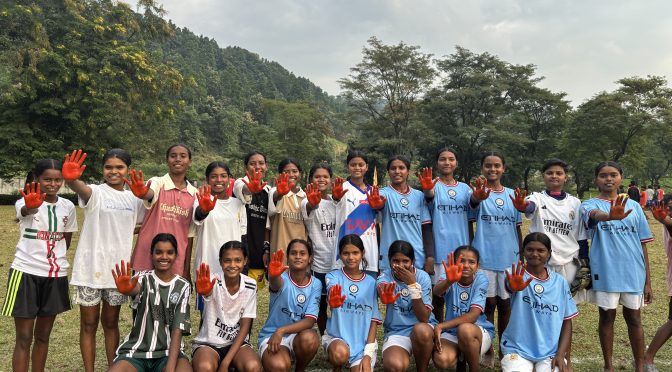
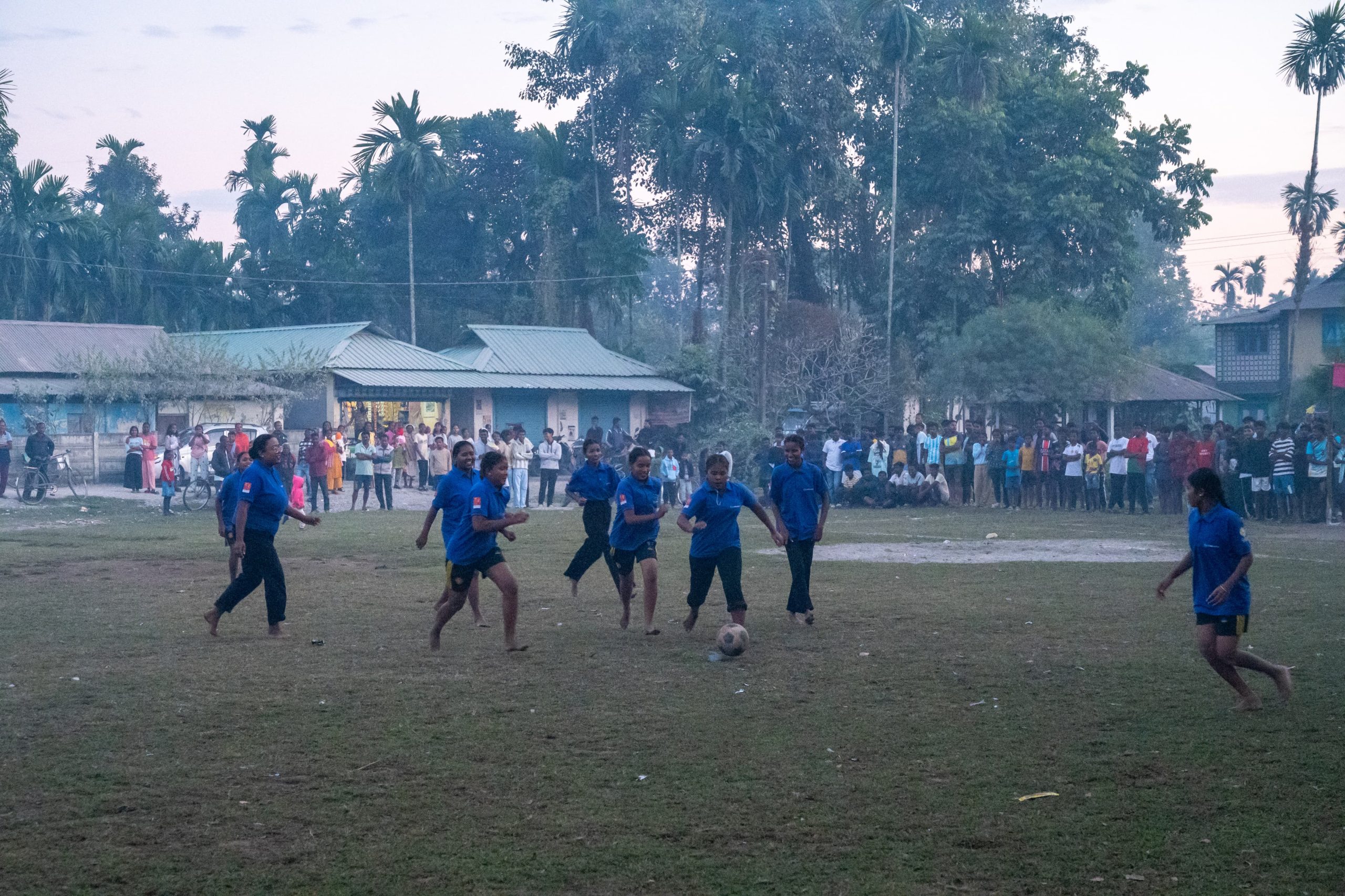
এই বাস্তবতা বদলাতে তাই তাদের জন্য তেমনই এক পরিবর্তনের মুহূর্ত, ১৬ দিনের অভিযানের কর্মসূচীর অংশ হিসেবে ২৫ নভেম্বর থেকে ১০ ডিসেম্বর, ২০২৫; জলপাইগুড়ি ,কালিম্পঙ এবং আলিপুরদুয়ার জেলার ৯ টি চা বাগানে ফুটবল টুর্নামেন্ট এর আয়োজন করা হয়েছিলো। যার লক্ষ্য ছিল ছেলে ও মেয়েদের আওয়াজ দৃঢ় করা ও স্বপ্নকে বাস্তবায়নের পথে এগিয়ে দেওয়া। যেখানে মেয়েরা এই ফুটবল টুর্নামেন্টে মাঠে নেমে ভয় কাটিয়ে সাহস ও আত্মবিশ্বাসের পরিচয় দেয়। এই টুর্নামেন্টে পুরো কমিউনিটির সক্রিয় অংশগ্রহণ দেখা যায়। প্রতিটি পাস ও গোলের চেষ্টায় মেয়েরা প্রমাণ করে—সুযোগ পেলে তারাও পারে। ফাইনালে ট্রফি জিতবে একটি দল, তবে প্রকৃত জয় ছিল আত্মবিশ্বাস ও স্বপ্নের। আজ এই চা বাগানগুলির প্রতিটি মাঠ একটি সম্ভাবনার প্রতীক, যেখান থেকে মেয়েদের নতুন যাত্রা শুরু হয়।

ফুটবলের মাধ্যমে লিঙ্গসমতা, মর্যাদা ও অধিকারকে অর্থবহভাবে এগিয়ে নেওয়া যায়। এই কর্মসূচি প্রমাণ করে যে খেলাধুলার আঙ্গিকে কীভাবে সচেতনতাকে আরো গতিশীল করা যায় । এই গল্প আসলে নারীর শক্তি, জ্ঞান আর সম্মিলিত প্রচেষ্টার গল্প—যেখানে পরিবর্তনের বীজ বোনা হচ্ছে প্রতিদিন, নীরবে কিন্তু দৃঢ় আত্মবিশ্বাসে।

ভয় নয়—ভয় নয়, মাঠে নামার সাহস চাই,
অবহেলা নয়, খেলায় সমান সুযোগ যেন পাই।
চা বাগানের পথে, ঘামে-স্বপ্নে গড়া জীবন,
বল পায়ে মেয়েরা আজ, বদলাচ্ছে নিয়ম।

মাঠে নামুক তারা, চোখে জয়ের আলো,
ছেলে-মেয়ে পাশাপাশি—একসাথে চলো।
হাত ধরাধরি করে, ভাঙুক সব বাধা,
অন্ধকার ছিঁড়ে আসুক নতুন প্রত্যাশা।

অপমান নয়— মেয়েরা খেলায় অধিকার চায়,
মেয়েদের শক্তিতে আজ মাঠ কাঁপায় ।
ফুটবল হোক তাদের আত্মবিশ্বাসের ভাষা,
চা বাগানের মেয়েরা— আজ এগিয়ে চলার আশা।

মেয়েরা লড়ে—ছেলেরা থাকুক পাশে,
উৎসাহে, সম্মানে, একই বিশ্বাসে।
মাঠে উঠুক প্রতিটি কণ্ঠের ডাক,
“আমরাও পারি”—এই হোক আজকের স্লোগান।

নিরাপদ হোক মাঠ, নিরাপদ হোক মন,
নারী-পুরুষ মিলেই গড়ি আগামীর ক্ষণ ।
ভয় নয়—ভয় নয়, সম্মান চাই,
চা বাগানের মেয়েরা আজ—ফুটবলে পরিচয় পাই।


Author : Gautam Sen