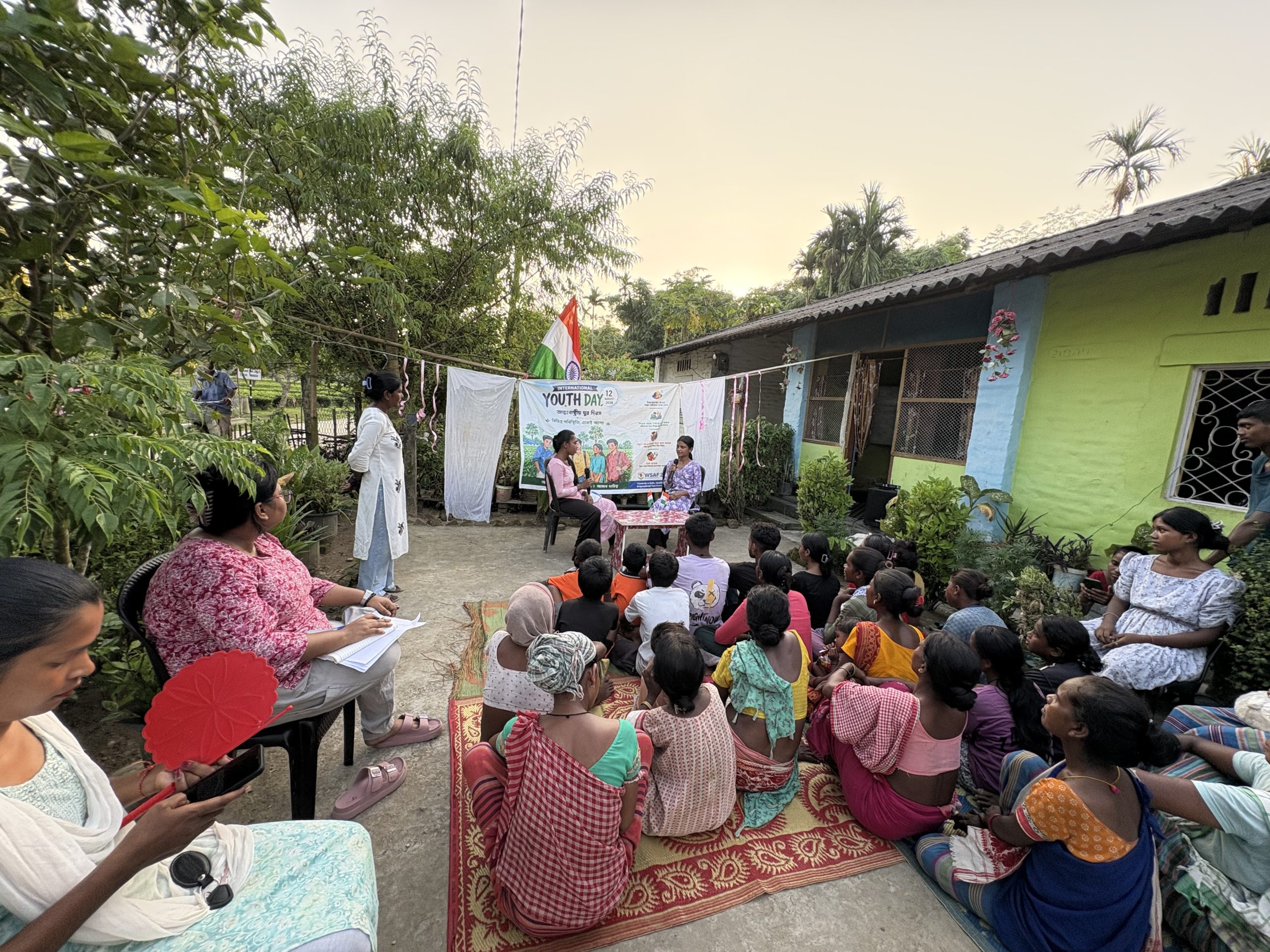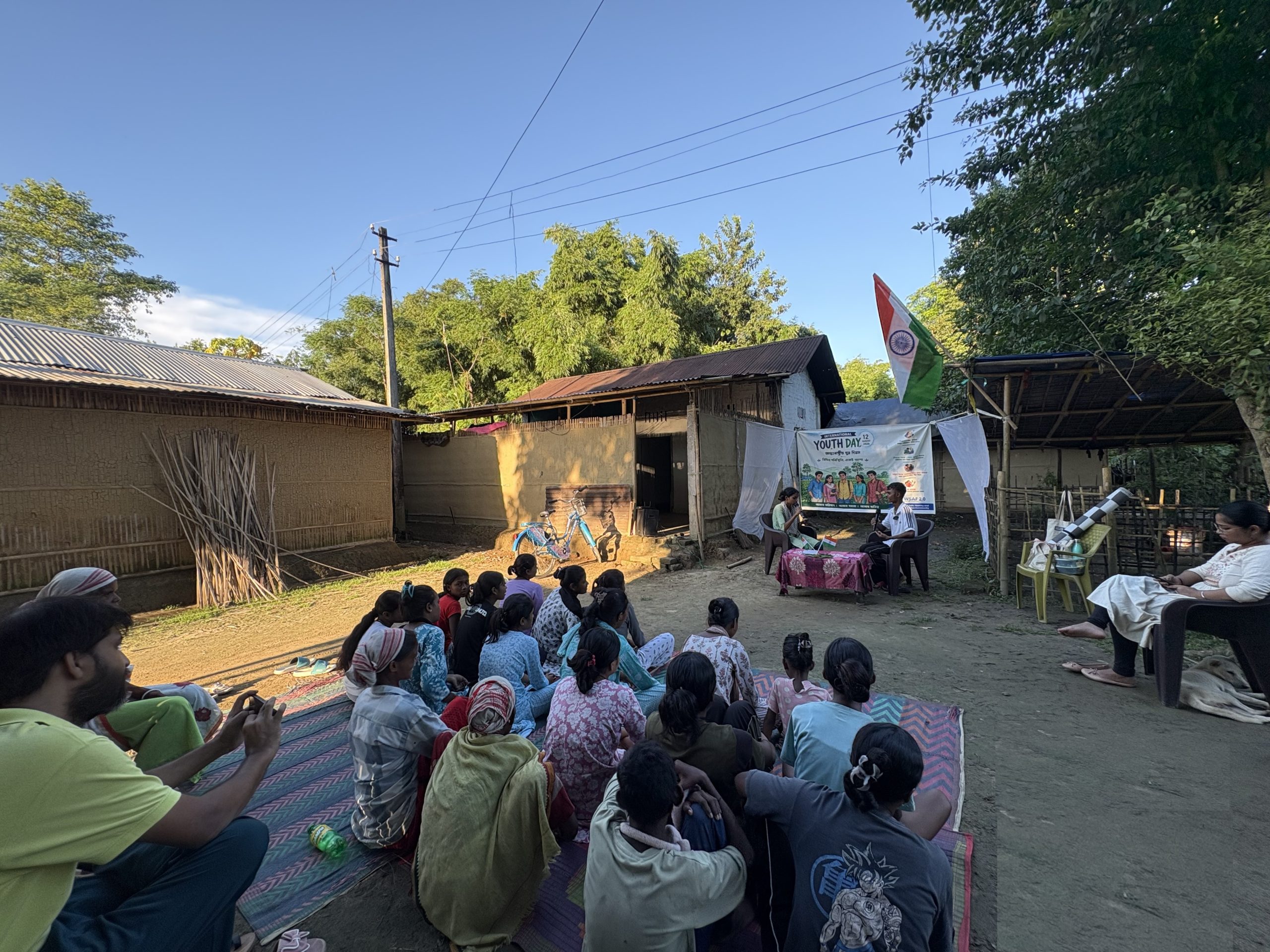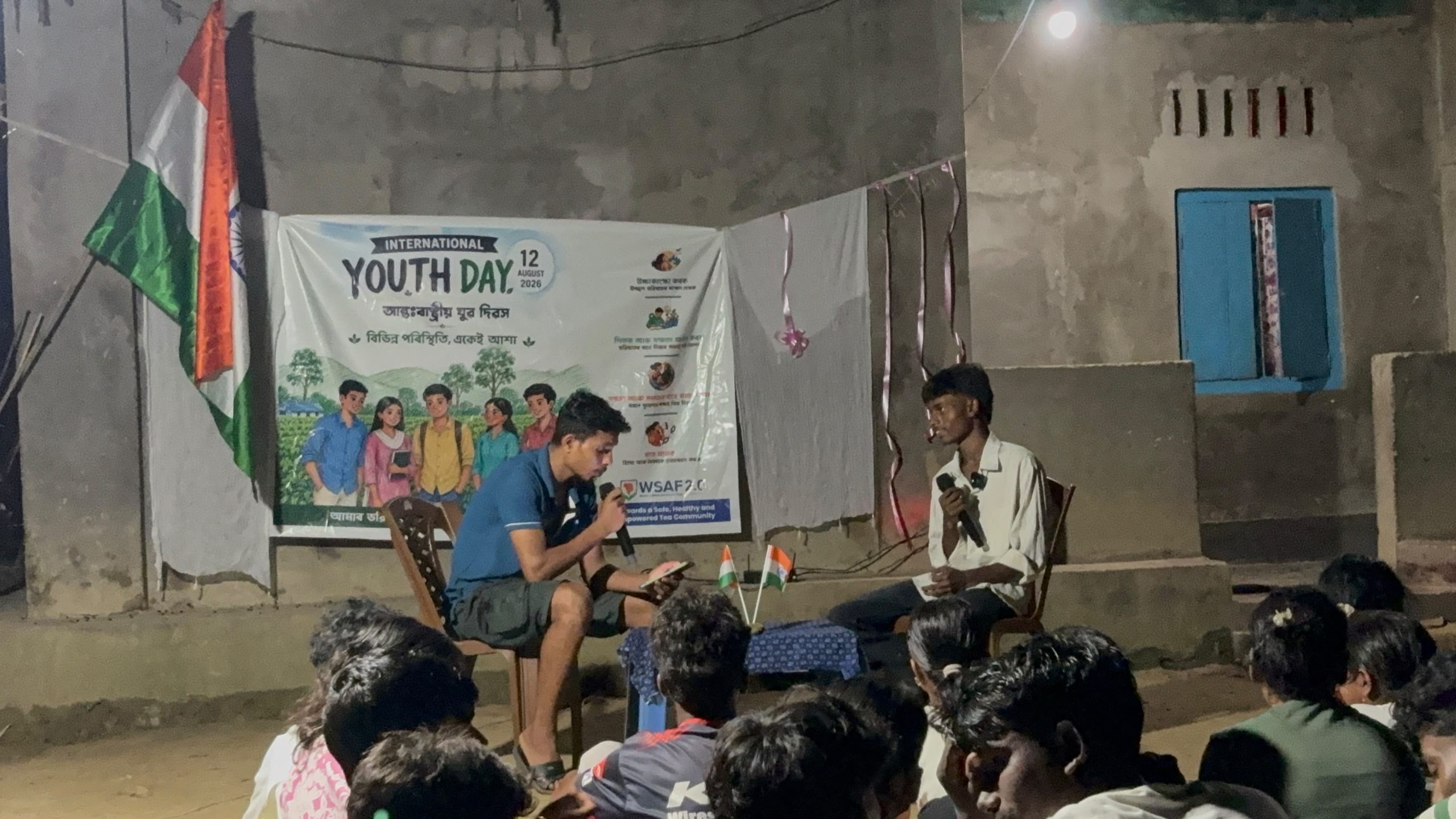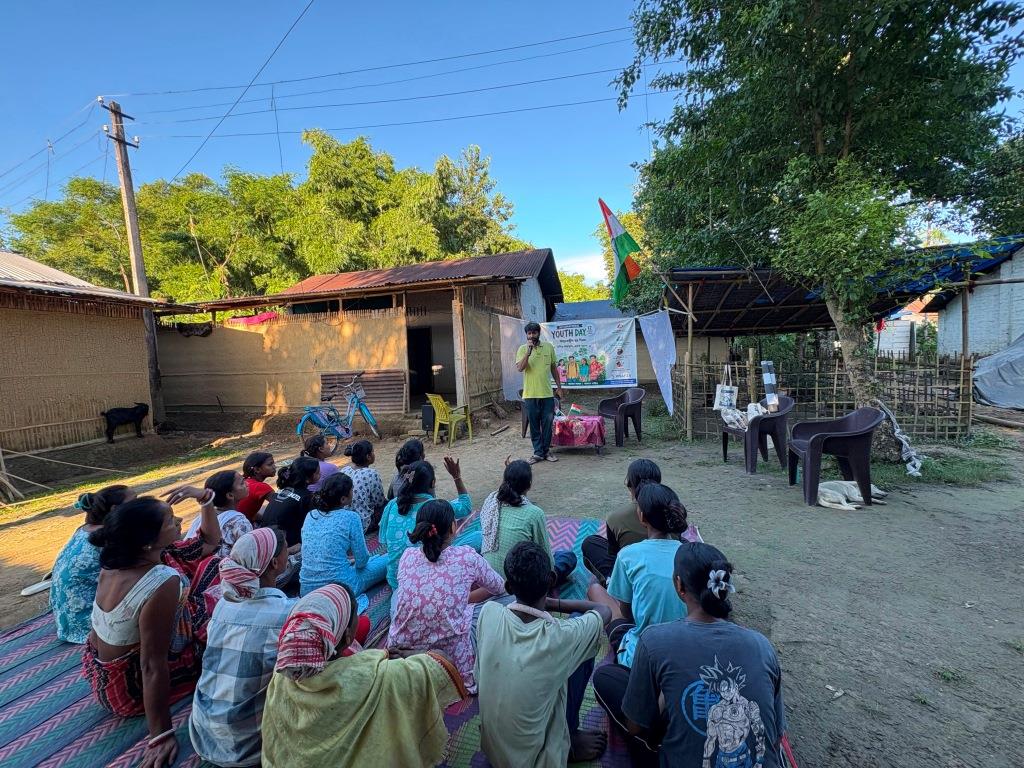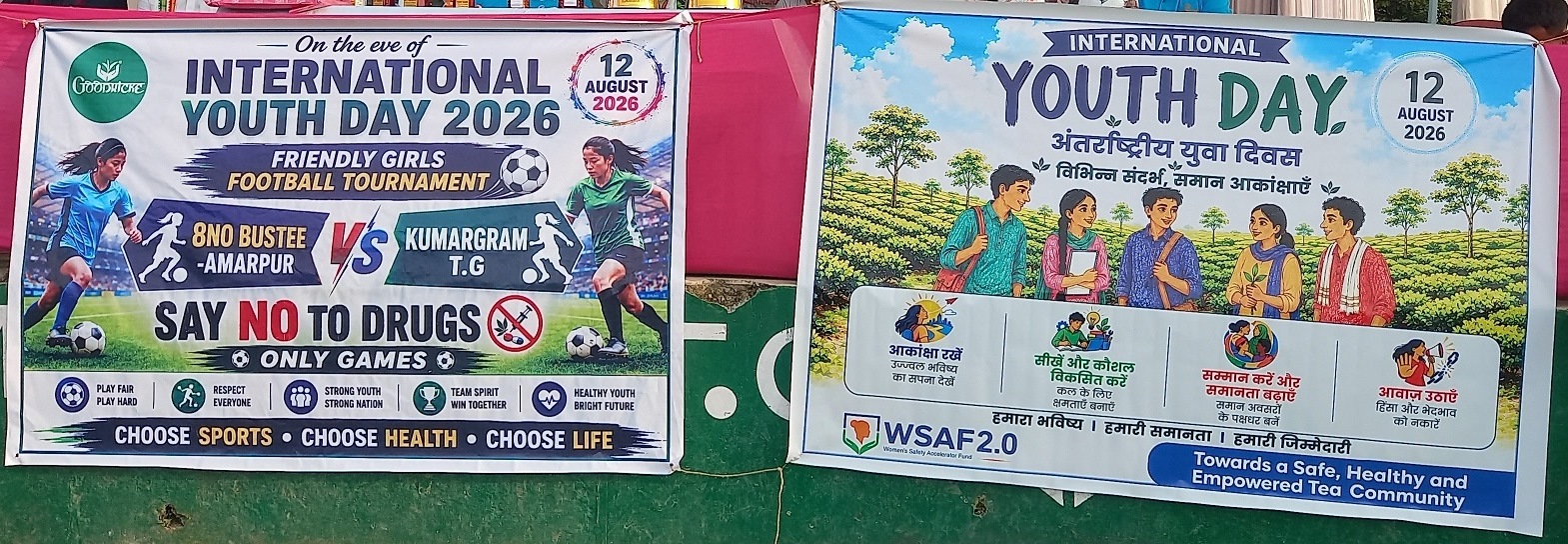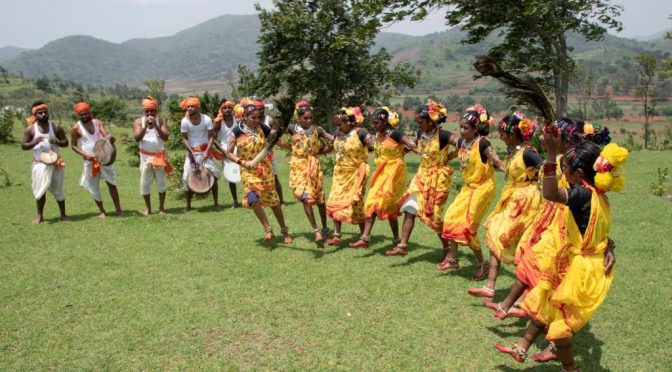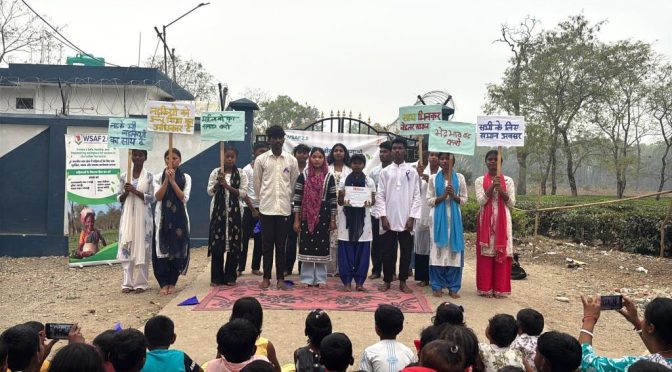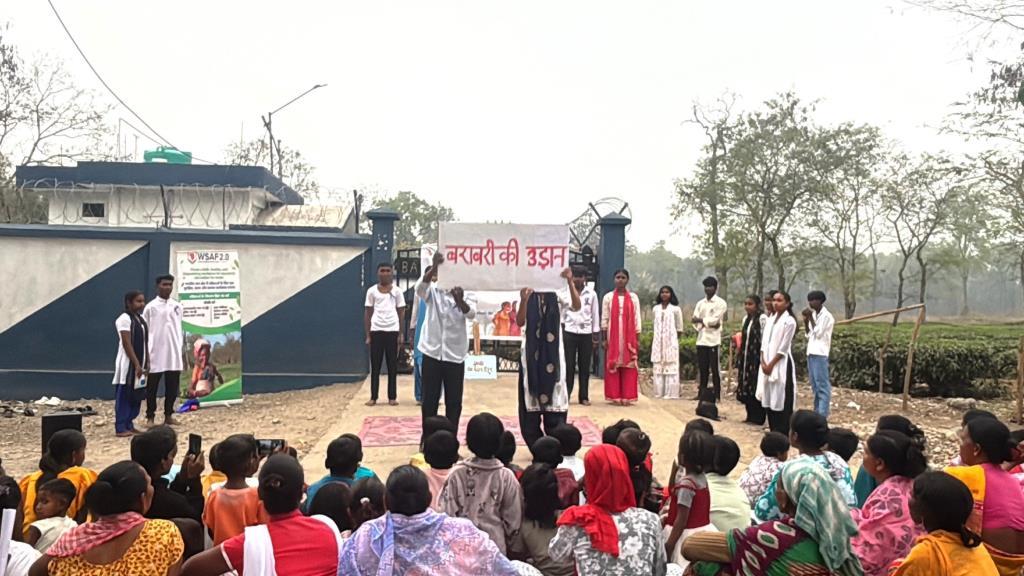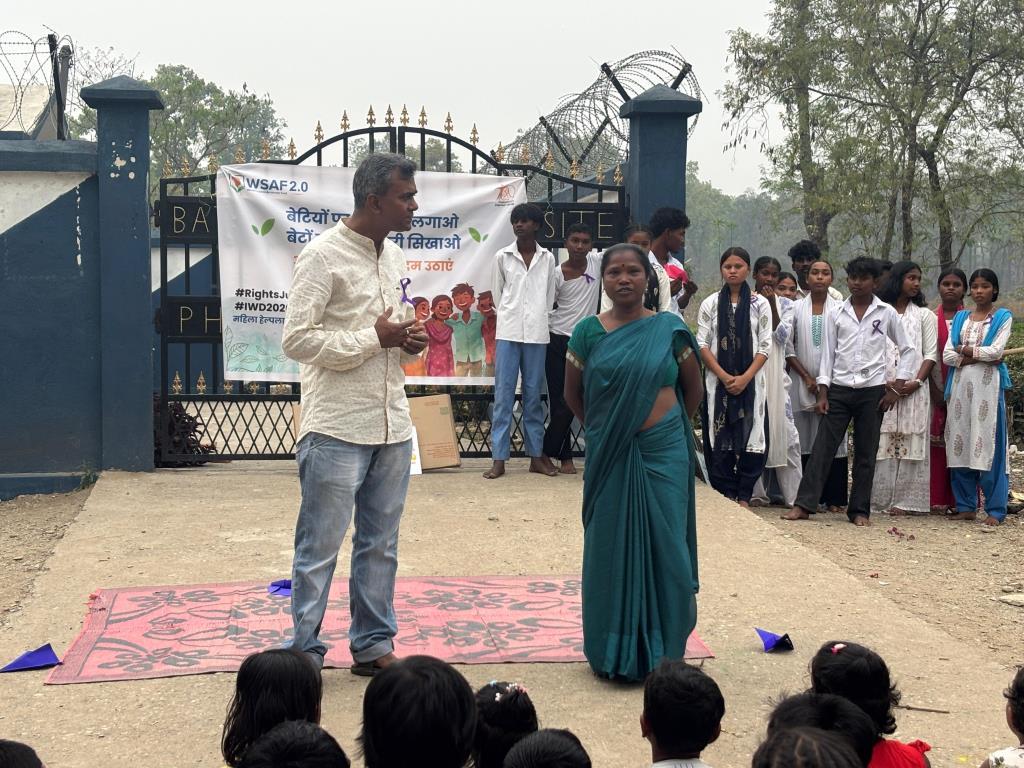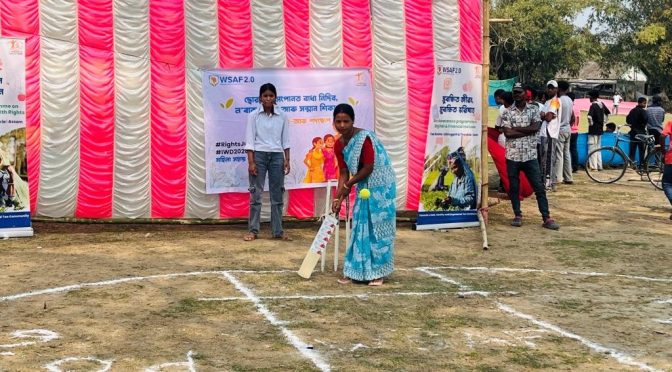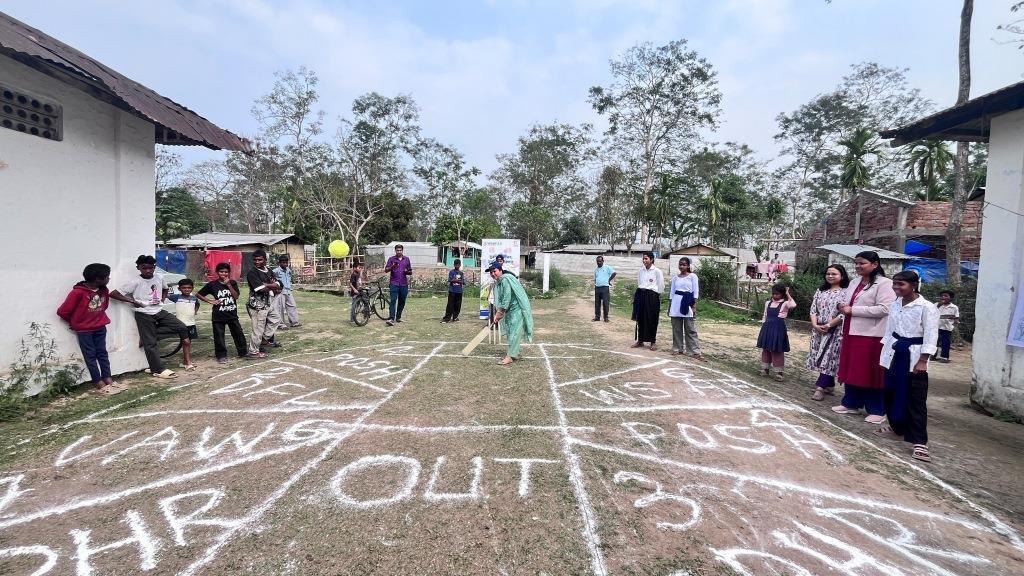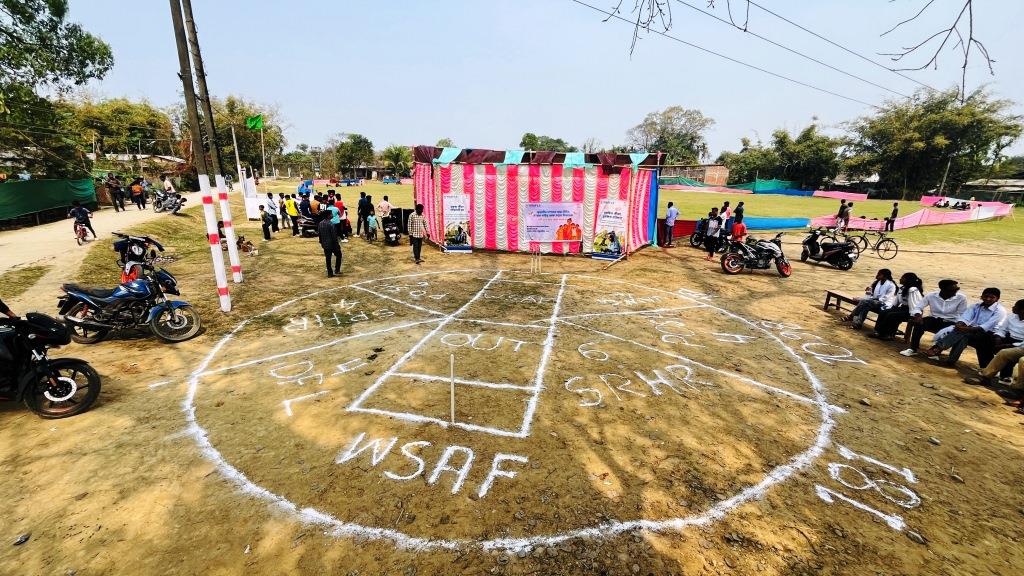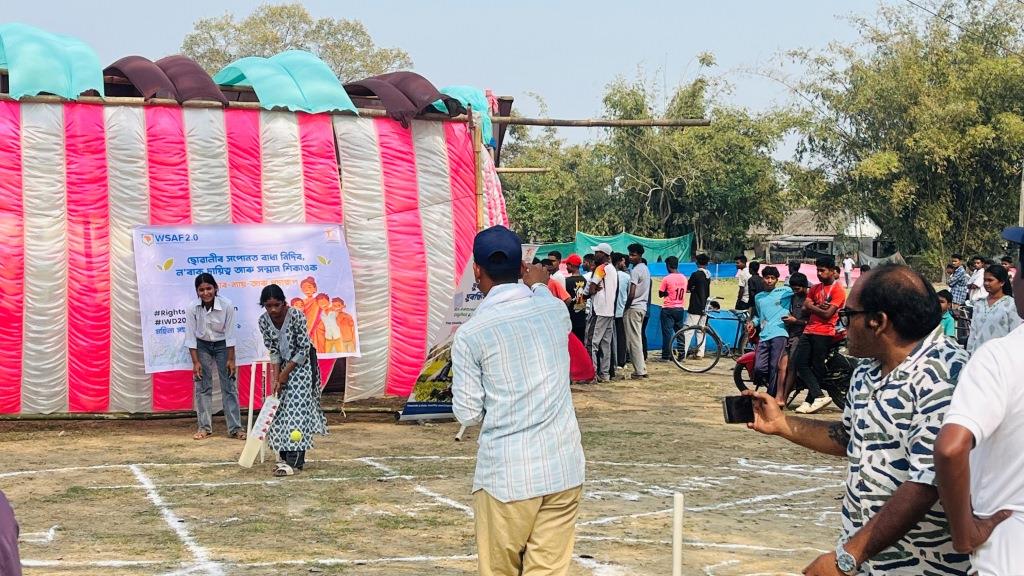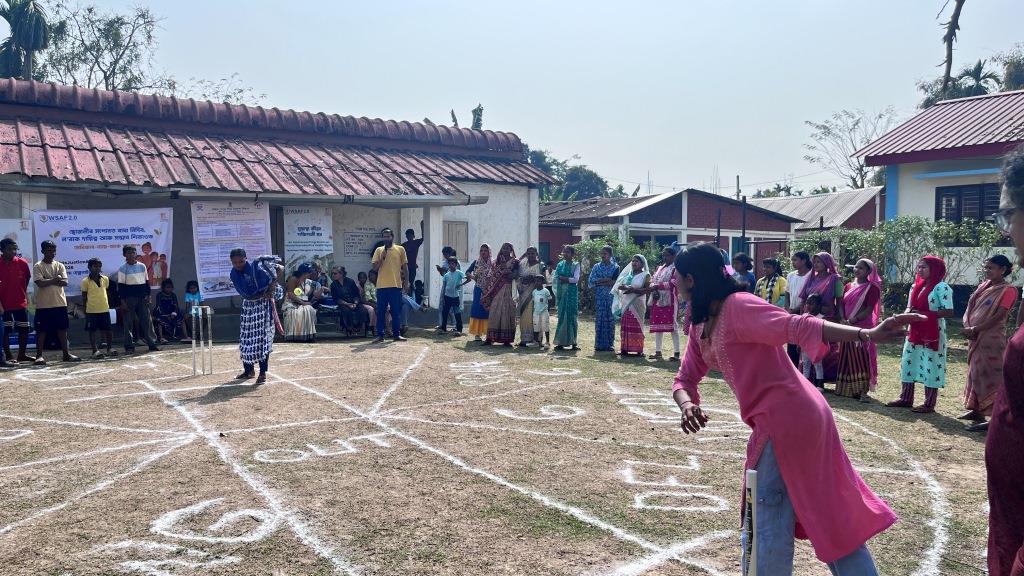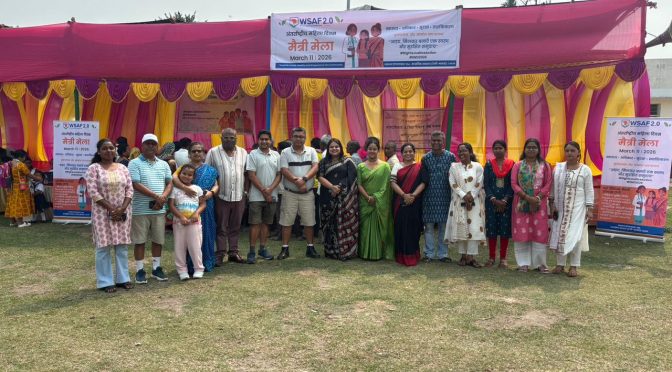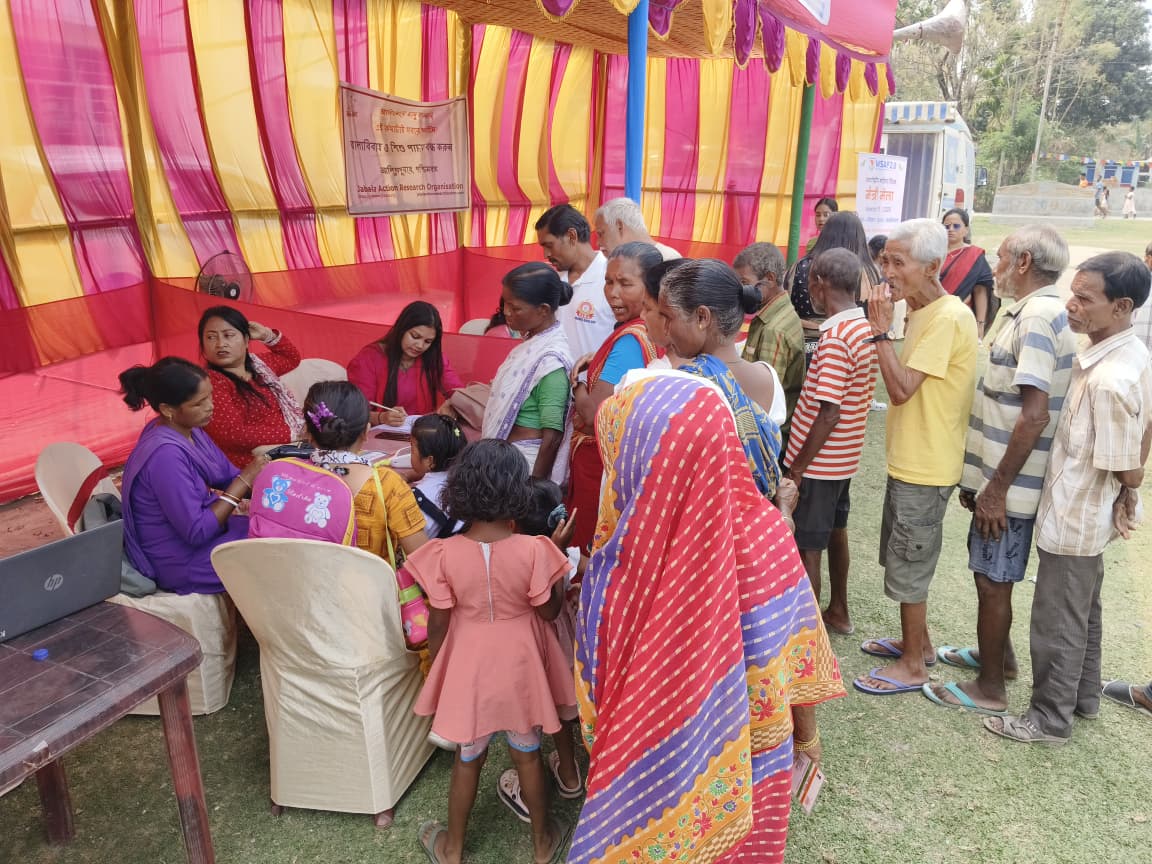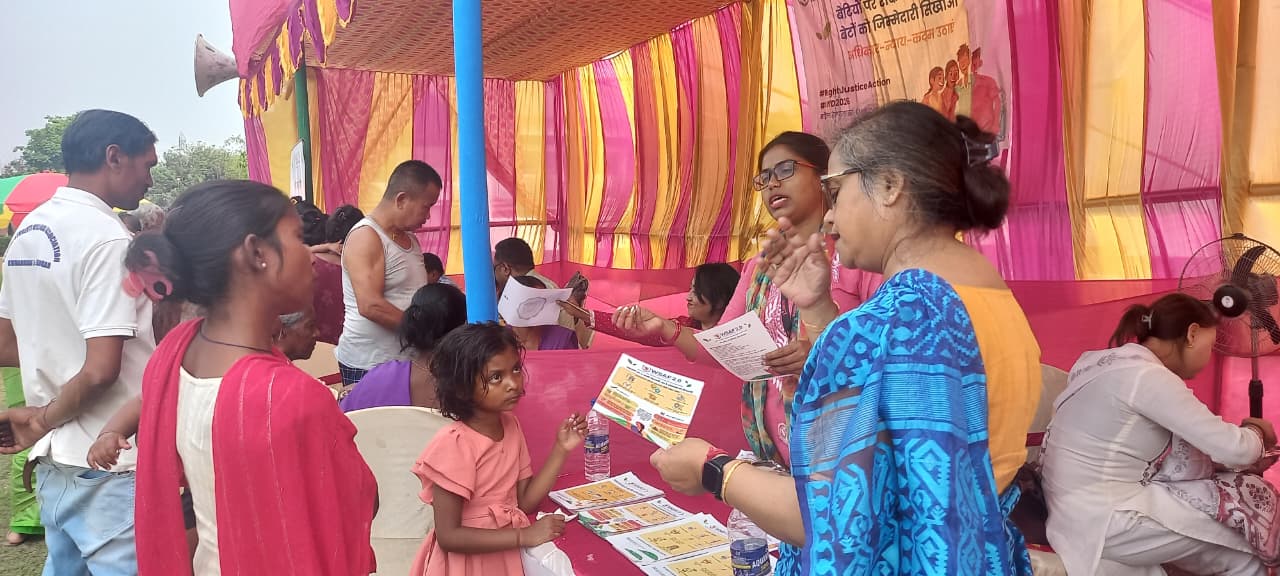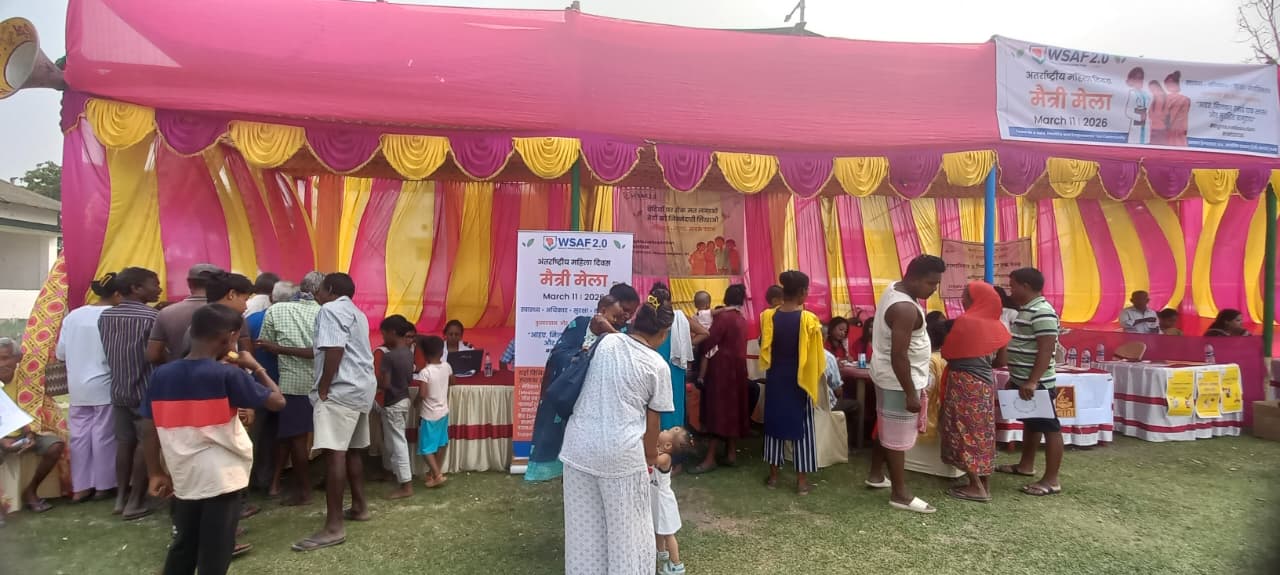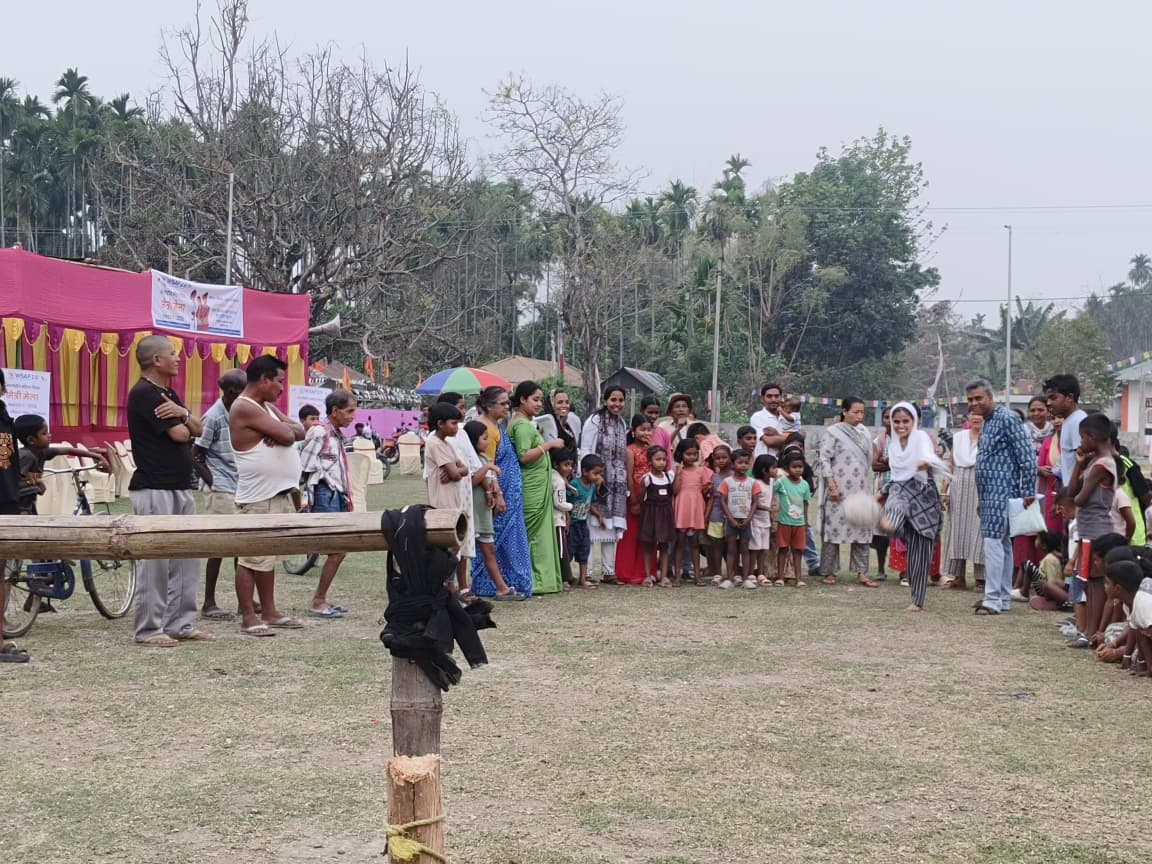


Women form the backbone of the Indian Tea Industry as they have the unique skills to pluck the perfect leaves and buds needed to make the aromatic cup of tea. They toil hard working from morning to evening in challenging weather so that Indian tea can be enjoyed by all across the globe. Over the years, these women had been plagued with instances of violence but did not have the right avenues to seek justice.
The Women Safety Accelerator Fund (WSAF) is a program that was initiated in 2021 to create a platform for women in the tea estates to identify the otherwise ‘normalized’ violence faced by them and express them in a platform. It also established the need to delve further into other aspects of women safety such as redressal of sexual harassment and domestic violence, creating a dialogue around sexual and reproductive health rights and also find solutions towards additional incomes and financial security. Continued efforts have focused on strengthening the approach around these thematics to ensure holistic development of the women workers in the tea sector of India and in turn ensuring safe, healthy and empowered tea communities.

Establishing Sexual and Reproductive Health Rights
Women still resort to using cloth during their menstrual cycle which may not always be hygienic. Some still disregard contraceptive methods thinking that it goes against the laws of nature. Quite a few of the tea estate hospitals are still not under the Public Private Partnership model leading to challenges in supplies. Some of the contraceptive methods may have certain mild side effects which becomes a concern for the people. People are ignorant regarding the prevalence and symptoms of UTI/ STI which mostly go untreated. Teenage pregnancies are significant in number.
At the onset, the tea estate managements had highlighted the need for modern methods of contraception to be introduced within the communities. The major challenge was in creating awareness among the communities around these taboo topics as there were traditional practices along with myths and misconceptions prevailing within the communities.
When we started our discussions centered around sexual and reproductive health, the people were initially shy and uncomfortable discussing such topics but fortunately open to it as they believed that it could bring about a positive change in society. The discussions turned out to be rather interesting with the men.
During one of the sessions, a line chowkidar (in charge of safety in the residential lines) was handed over a ‘secret’ pack. He was very happy to receive it and was asked to open the pack and reveal it to all those present. He enthusiastically opened the pack and showed it to all without realizing that it was a packet of sanitary pads. On being asked what it was and what it was used for, he felt shy to share the same. On being informed that menstruation was a natural phenomenon and the essence of creation and that it was a safe space to share his opinion, he felt comfortable to mention that it was used by the women in his household during the time of menstruation.
Exploring Avenues for Additional Income
Another angle which we explored during this year was trying to figure out additional livelihoods for the tea estate communities as their minimum wages were rather low. We had several rounds of discussions with the Assam State Rural Livelihood Mission to understand what could possibly work in the tea estates. Some of the ideas that were floated were that of kitchen gardens, organic manure and tea tourism. Groups needed to be created at the tea estate level and then trained accordingly to run the functions. The plan was to organize them into producer companies.
With this in mind, we organized several outreach programs in the tea estates to identify those interested to be part of such programs. We had expected a large turnout as we were offering opportunities for the unemployed youth. To our surprise, not too many people turned up. On being questioned about their aspirations, the youth were blank as to what they wanted to do. Infact, they did not have much interest to do anything.
We could thus infer that what was required was a large scale drive targeting youth to build aspirations and make them realize the importance of positive engagement and the need to earn a sufficient livelihood.
WSAF was conceptualized keeping in mind certain challenges faced by the tea community, but the long term engagement has given us the clarity on how to engage with communities to get the necessary outcome. The key lies in creating a platform for dialogue. Nothing can be imposed upon communities. There needs to be deep trust and strategies need to be evolved keeping in mind the need of the communities. The 5 years of engagement with WSAF has definitely given us the perspectives on the things to do for holistic development of the communities, the most important being tapping the potential of the youth to bring about the desired change and creating the necessary linkages with Govt. stakeholders. Continuous exchange of ideas with the community can definitely go a long way in creating the necessary exposure for the people to think of the larger good beyond their mundane day to day existence.
Author: Devdan Mookerjee
Related Blogs : চা বাগানের মাঠে স্বপ্নের লড়াই ফুটবলে মেয়েদের আত্মবিশ্বাসের জয় WHEN VOICES RISE, CHANGE FOLLOWS
WHEN VOICES RISE, CHANGE FOLLOWS
Voices Unplugged: Sing, Speak, Stand! is a karaoke-based youth initiative that uses music as a tool for advancing gender equality, dignity, and rights. Rooted in community experiences, the programme turns awareness into action through creative engagement. A key innovation was the lyric-decoding exercise on popular Bollywood “item songs,” where participants critically examined stereotypes, objectification, and gender norms—without moralising—transforming everyday entertainment into a space for reflection and change.
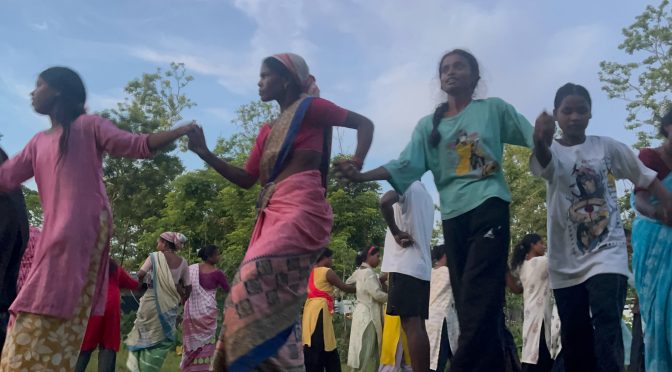
Initiated in 2021, the Women’s Safety Accelerator Fund (WSAF) program seeks to build awareness, prevention, and effective response to gender-based violence (GBV within the tea industry by engaging management, staff, workers, and adolescents across 300+ tea estates in Assam, West Bengal, Tamil Nadu, and Kerala to create safer estates and communities for women and girls. A key focus has been strengthening response mechanisms by linking tea estates with government stakeholders such as District Social Welfare Departments, District Legal Services Authorities, and district-level helplines, with stakeholder visits improving awareness of services and access pathways. The program works closely with estate management to institutionalize systems to identify, track, and address violence against women (VAW) and to build understanding of legal frameworks including the Prevention of Sexual Harassment (POSH) Act. Simultaneously, WSAF identifies and builds the capacity of community-based agents of change— women Leaders, adolescent girls and boys, and youth leaders—who lead prevention efforts and share learnings through community meetings using culturally rooted mediums such as theatre, posters, films, songs, music, and Jhumur dance.
In the tea gardens of Assam—where generations of families have lived and worked, often on the margins of visibility—change does not always begin with policy documents or formal meetings. Sometimes, it begins with music.
Voices Unplugged: Sing, Speak, Stand! implemented across 11 tea estates in Dibrugarh and Tinsukia districts during the 16 Days of Activism Campaign, 25th November – 10th December 2025. This karaoke-based youth engagement initiative demonstrated how creative, community-rooted approaches can meaningfully advance gender equality, dignity, and rights. This programme offers a powerful example of how arts-based interventions can convert awareness into action.
Why This Initiative Matters
Aligned with the global theme “UNiTE to End Digital Violence against All Women and Girls,” Voices Unplugged went beyond conventional awareness sessions. It used music—something deeply embedded in tea garden culture—as a bridge to conversations on Violence against Women and Girls (VAWG), Sexual and Reproductive Health and Rights (SRHR), consent, respect, and digital safety.

The strength of this initiative lies in its design and reach:
This breadth of engagement reinforces a critical message: Ending Violence against Women and Girls is not a “women-only” issue—it is a shared community responsibility.
Creativity as a Catalyst for Behaviour Change
What makes Voices Unplugged particularly compelling is its shift from passive awareness to active expression. Young people did not merely listen; they performed, reflected, questioned, and reimagined.

Through karaoke performances in Assamese, Adivasi, Jhumur, Hindi, and songs by icons like Bhupen Hazarika and Zubeen Garg, participants translated complex social issues into emotional, relatable narratives.
This approach:
When programmes meet communities in familiar cultural spaces, participation deepens and messages endure.
Critical Engagement with Lyrics Decoding
A particularly innovative component was the lyric decoding exercise on Bollywood “item songs.” Rather than moralising, facilitators guided participants to critically examine lyrics—identifying stereotypes, objectification, and harmful gender norms, alongside empowering messages.
This exercise connected everyday media consumption to real-life attitudes and behaviours, linking popular culture directly to concepts of consent, bodily autonomy, and respect. Such critical thinking is essential for long-term norm change and aligns strongly with donor priorities around youth leadership and media literacy. Using short clips from popular songs and tracks, the activity created an interactive space where participants collectively examined the gender messages embedded in the lyrics.

One of the participants said by decoding the song Fevicol Se, Dabbang– “ Koi bhi mahila ya ladki tandoori murgi nahi jisse kaat ke kha ja sake…yeh bauhut galat hain” ( It is disrespectful to compare women with tandoori chicken)
Tu Cheez baadi hain mast mast, Mohra – ”Ek ladki ko object ke hisab se dekhna yeh sooch galat hain…hume unka samman karn chahiye” (Women should not be objectified. They deserve respect)
Tangible Outcomes, Visible Confidence
The outcomes of Voices Unplugged were both immediate and promising:
Importantly, young participants began creating positive and responsible digital content, signalling the programme’s relevance in addressing both offline and online violence.
A Human Story Behind the Numbers
Data tells one part of the story. Jasoda’s journey tells another.
At Pengaree Tea Estate in Tinsukia District, Jasoda stepped onto a public stage for the first time—not just to sing, but to reclaim her voice after years of silence. Supported by her husband, who brought her and their son to the venue, her performance symbolised a quiet but profound shift—from endurance to dignity, from fear to confidence.
Stories like Jasoda’s illustrate the true impact of investing in safe, creative spaces. These are the moments where transformation becomes real. Jashoda sang the famous song by Kumar Sanu from Bollywood movie ‘Jurm’ twisted the lyrics like – “Jab Koi baat Bigad Jaye, Jab koi Mushkil Padjaye…Tum call karlena … 181 pe…” ( Anytime you are in trouble, please call 181)
Here are few Songs sung by the participants during Voices Unplugged: Sing, Speak, Stand! Karaoke Competition:
Key takeaway:
Involve Youth in a creative manner and their voices became tools for change – singing and performance helped young people speak confidently on issues of gender equality, rights, and digital safety.
Breaking silence through creativity – karaoke created a non-threatening space to discuss sensitive issues like violence against women and girls, both offline and online, Sexual Reproductive Health and Rights and Digital Safety.
Community participation increased – the open, fun format drew in peers, families, and community members, sparking conversations beyond the stage.
Messages were better retained – songs and lyrics made key messages on respect, consent, and safe digital behaviour memorable and relatable.
Collective action felt possible – the programme reinforced that when voices rise together, awareness grows and change follows.
Author : Santu Guchait
২০২১ সালে শুরু হওয়া উইমেনস সেফটি অ্যাক্সিলারেটর ফান্ড (WSAF) কর্মসূচির লক্ষ্য হলো চা শিল্পে লিঙ্গভিত্তিক সহিংসতা (GBV) প্রতিরোধ, সচেতনতা বৃদ্ধি এবং নারীর প্রতি সহিংসতা (VAW) শনাক্তকরণ, নথিভুক্তকরণ ও প্রতিকারের জন্য প্রাতিষ্ঠানিক ব্যবস্থা গড়ে তোলা । এই কর্মসূচির আওতায় আসাম, পশ্চিমবঙ্গ, তামিলনাড়ু ও কেরালার ৩০০টিরও বেশি চা বাগানে ম্যানেজমেন্ট, কর্মচারী, শ্রমিক এবং কিশোর-কিশোরীদের সম্পৃক্ত করা হচ্ছে, যাতে মহিলা ও মেয়েদের জন্য আরও নিরাপদ চা বাগান ও সম্প্রদায় গড়ে তোলা যায়।
এই কর্মসূচীর একটি গুরুত্বপূর্ণ দিক হলো প্রতিক্রিয়া ব্যবস্থাকে শক্তিশালী করা—এর জন্য চা বাগানগুলিকে জেলা সমাজকল্যাণ দপ্তর, জেলা আইনগত পরিষেবা কর্তৃপক্ষ এবং জেলা-স্তরের হেল্পলাইনের মতো সরকারি অংশীদারদের সঙ্গে সংযুক্ত করা হচ্ছে। বিভিন্ন অংশীজনের পরিদর্শনের মাধ্যমে উপলব্ধ পরিষেবা ও সেগুলিতে পৌঁছনোর পথ সম্পর্কে সচেতনতা ও প্রবেশাধিকার বৃদ্ধি পেয়েছে।
WSAF চা বাগান কর্তৃপক্ষের সঙ্গে ঘনিষ্ঠভাবে কাজ করছে, যাতে নারীর প্রতি সহিংসতা (VAW) শনাক্তকরণ, নথিভুক্তকরণ ও প্রতিকারের জন্য প্রাতিষ্ঠানিক ব্যবস্থা গড়ে তোলা যায় এবং যৌন হয়রানি প্রতিরোধ আইন (POSH Act) সহ প্রাসঙ্গিক আইনি পরিকাঠামো সম্পর্কে কর্মীদের এবং কর্তৃপক্ষের ধারণা বাড়ানো যায়।

একই সঙ্গে, WSAF সম্প্রদায়ভিত্তিক পরিবর্তনের দূতদের—যেমন, মহিলা নেত্রী ,কিশোরী ও কিশোর, এবং যুব নেতাদের—চিহ্নিত করে তাঁদের সক্ষমতা বৃদ্ধি করছে। এই পরিবর্তনকর্মীরা প্রতিরোধমূলক উদ্যোগের নেতৃত্ব দেন এবং খেলাধুলা, নাটক, পোস্টার, চলচ্চিত্র, সঙ্গীত ও ঝুমুর নৃত্যের মতো সাংস্কৃতিক মাধ্যম ব্যবহার করে, কমিউনিটি বৈঠকের মাধ্যমে শেখা বিষয়গুলি ভাগ করে নেন। এই কর্মসূচীর মাধ্যমে দেখা যাচ্ছে:
ফুটবলের প্রতিটি কিক দেয় জীবনে শক্তি ,প্রতিটি পাসে তৈরি হয় জীবনের লক্ষ্য ও এগিয়ে চলার পথ, প্রতিটি গোল দেয় লক্ষ্যে পৌঁছানোর অনুপ্রেরণা। ফুটবল মাঠে পড়ে গিয়ে উঠে দাঁড়ানো শেখায় আবার শেখায় প্রতিটি পরাজয়ের পর কিভাবে নতুন ভাবে জয় ছিনিয়ে আনতে হয়। তাই ফুটবল শুধু একটা খেলা নয় , ফুটবল দেখায় জীবনে এগিয়ে চলার রাস্তা । ফুটবল আমাদের শেখায় জীবনে খেলো দলবদ্ধ হয়ে।, নারী – পুরুষ নির্বিশেষে। যেখানে ঐক্য, সেখানেই জয়।

এই উদ্দেশ্যকে সামনে রেখে পশ্চিমবঙ্গের চা বাগানগুলোতে—যেখানে প্রজন্মের পর প্রজন্ম পরিবারগুলো বসবাস ও কাজ করে এসেছে, অনেক সময় সমাজের মূল স্রোতের আড়ালে থেকে সব কিছু করে ওঠা হয়নি, সামাজিক বিভিন্ন প্রতিকূলতার কারণে।
এই সব কিছুর মাঝে বাগানের মেয়েরা এগিয়ে যেতে চায় তাদের স্বপ্নকে বাস্তবায়িত করার লক্ষ্যে। চা বাগান শুধু জীবিকার স্থান নয়, এখানে ছেলে-মেয়েদের চোখে জন্ম নিচ্ছে নতুন স্বপ্ন । এই বাগানের ছেলে-মেয়েরা ফুটবলকে বিনোদনের বাইরে নিজের আত্মপরিচয় ও ভবিষ্যৎ গড়ার সুযোগ হিসেবে দেখছে। সামাজিক বাধা, সুযোগের অভাব ও আত্মবিশ্বাসের সংকট পেরিয়ে তারা এগিয়ে যেতে চাইছে ।
এই বাস্তবতা বদলাতে তাই তাদের জন্য তেমনই এক পরিবর্তনের মুহূর্ত, ১৬ দিনের অভিযানের কর্মসূচীর অংশ হিসেবে ২৫ নভেম্বর থেকে ১০ ডিসেম্বর, ২০২৫; জলপাইগুড়ি ,কালিম্পঙ এবং আলিপুরদুয়ার জেলার ৯ টি চা বাগানে ফুটবল টুর্নামেন্ট এর আয়োজন করা হয়েছিলো। যার লক্ষ্য ছিল ছেলে ও মেয়েদের আওয়াজ দৃঢ় করা ও স্বপ্নকে বাস্তবায়নের পথে এগিয়ে দেওয়া। যেখানে মেয়েরা এই ফুটবল টুর্নামেন্টে মাঠে নেমে ভয় কাটিয়ে সাহস ও আত্মবিশ্বাসের পরিচয় দেয়। এই টুর্নামেন্টে পুরো কমিউনিটির সক্রিয় অংশগ্রহণ দেখা যায়। প্রতিটি পাস ও গোলের চেষ্টায় মেয়েরা প্রমাণ করে—সুযোগ পেলে তারাও পারে। ফাইনালে ট্রফি জিতবে একটি দল, তবে প্রকৃত জয় ছিল আত্মবিশ্বাস ও স্বপ্নের। আজ এই চা বাগানগুলির প্রতিটি মাঠ একটি সম্ভাবনার প্রতীক, যেখান থেকে মেয়েদের নতুন যাত্রা শুরু হয়।
ফুটবলের মাধ্যমে লিঙ্গসমতা, মর্যাদা ও অধিকারকে অর্থবহভাবে এগিয়ে নেওয়া যায়। এই কর্মসূচি প্রমাণ করে যে খেলাধুলার আঙ্গিকে কীভাবে সচেতনতাকে আরো গতিশীল করা যায় । এই গল্প আসলে নারীর শক্তি, জ্ঞান আর সম্মিলিত প্রচেষ্টার গল্প—যেখানে পরিবর্তনের বীজ বোনা হচ্ছে প্রতিদিন, নীরবে কিন্তু দৃঢ় আত্মবিশ্বাসে।
ভয় নয়—ভয় নয়, মাঠে নামার সাহস চাই,
অবহেলা নয়, খেলায় সমান সুযোগ যেন পাই।
চা বাগানের পথে, ঘামে-স্বপ্নে গড়া জীবন,
বল পায়ে মেয়েরা আজ, বদলাচ্ছে নিয়ম।
মাঠে নামুক তারা, চোখে জয়ের আলো,
ছেলে-মেয়ে পাশাপাশি—একসাথে চলো।
হাত ধরাধরি করে, ভাঙুক সব বাধা,
অন্ধকার ছিঁড়ে আসুক নতুন প্রত্যাশা।
অপমান নয়— মেয়েরা খেলায় অধিকার চায়,
মেয়েদের শক্তিতে আজ মাঠ কাঁপায় ।
ফুটবল হোক তাদের আত্মবিশ্বাসের ভাষা,
চা বাগানের মেয়েরা— আজ এগিয়ে চলার আশা।
মেয়েরা লড়ে—ছেলেরা থাকুক পাশে,
উৎসাহে, সম্মানে, একই বিশ্বাসে।
মাঠে উঠুক প্রতিটি কণ্ঠের ডাক,
“আমরাও পারি”—এই হোক আজকের স্লোগান।
নিরাপদ হোক মাঠ, নিরাপদ হোক মন,
নারী-পুরুষ মিলেই গড়ি আগামীর ক্ষণ ।
ভয় নয়—ভয় নয়, সম্মান চাই,
চা বাগানের মেয়েরা আজ—ফুটবলে পরিচয় পাই।
Author : Gautam Sen
Key Takeaways-

How is tourism changing, and in what ways is it working with culture and communities?
How can indigenous groups learn from global best practices while also being aware of the pitfalls of cultural tourism?
These were some of the key questions explored at the International Webinar on the Future of Cultural Heritage Tourism: A Responsible Approach, held on March 11, 2025. The webinar was one of the highlights of the project, ‘Documenting and Safeguarding the Intangible Cultural Heritage of Nagaland’, by Contact Base supported by German Consulate, Kolkata. Voices of tourism stakeholders, leaders, curators, policymakers and academicians from Nagaland, Europe and beyond came together for this webinar, to discuss a responsible approach including, UN Tourism’s vision for cultural tourism, diverse community tourism practices from WINTA, and good practices from the ‘Living Journeys in Europe’ project, and local perspectives from Nagaland. The discussion focused on the importance of community leadership and indigenous heritage in cultural tourism, emphasizing sustainable practices.

The webinar was introduced by Madhura Dutta from Contact Base, stating the main tenets of responsible cultural tourism and sharing findings and good practices from Nagaland that demonstrate community led cultural tourism experiences including community museums; unique initiatives of heritage practitioners championing safeguarding and promotion of their own cultural assets; and village based cultural tourism initiatives showcasing heritage icons of ethnic identities, local cuisine and other ICH forms. Strategies of good tourism were also presented in terms of village-based community led governance, participatory management of local landscapes, and effective use of GI for promoting local tourism. Setting the context to the webinar was followed by the active deliberations of the speakers. Watch the session. (here)
Sharing Global Perspectives: Tourism with Indigenous Leadership Igor Stefanovic (Technical Coordinator of the Ethics, Culture, and Social Responsibility, UN Tourism) reminded that cultural tourism cannot thrive without equity. Indigenous communities, he stressed, must not only be included but lead tourism initiatives. He urged governments and stakeholders to create legal frameworks, invest in skills, and support Indigenous entrepreneurs. He reminded everyone of the 2007 UN Declaration on the Rights of Indigenous Peoples, a cornerstone that insists on respect, dialogue, and fairness. “Tourism mustn’t just be about numbers,” he urged. “It must be about dignity.” He drew examples from across Asia and the Pacific, where Indigenous communities had built their own paths forward—protecting biodiversity, creating governance structures, and reviving cultural practices—all while welcoming visitors on their terms. He proposed a holistic approach to Indigenous tourism that involves strengthening local economies by ensuring indigenous leadership, and equitable benefit-sharing while advocating for preservation of cultural practices. Listen to his insights here.

Jean-Philippe Le Moigne (World Indigenous Tourism Alliance) spoke of Indigenous tourism codes of ethics in Dominica and Chile, where local ownership and cultural authenticity are central. He emphasized multi-stakeholder partnerships, action plans, and training to take Indigenous tourism to global markets without losing its essence. He spoke of the Larrakia Declaration (2012), a guiding light that places Indigenous control at the core of tourism. He stressed the need for training local communities, developing a clear action plan, and using international partnerships to promote these cultural experiences to global markets. This approach would help ensure that Indigenous tourism practices are sustainable, respectful, and economically beneficial. Here is what he shared. Click to listen.
Tamara Nikolić Đerić (Senior Curator of the Ethnomuseum-Association, House of Batana, Croatia) shared learning from European initiatives like Italy’s Tocatì Festival Belgium’s Carillon Culture, Sweden’s Storytelling Network of Kroneborg, and Poland’s Nativity Scene tradition. She discussed the Mediterranean Diet pilot in Rovinj-Rovigno, where the Ecomuseum Batana plays a role in preserving traditional food practices. She addressed challenges like over-tourism, regulatory constraints, and identity loss, while also pointing to opportunities in stakeholder collaboration, traditional food promotion, and quality service enhancement. Click to listen her full talk.
Nagaland Speaks: Festivals, Forests, and Futures From within Nagaland, three distinct voices carried lived realities:
Thangi Mannen, who once served as Tourism Secretary, looked back to the first Hornbill Festival in 2000. From a modest local event during its inception at Kohima Local Ground, it has grown into a global stage. The sight of a log drum pulling ceremony or the sound of the beating log drum have now been witnessed by thousands. While talking about the responsible approach Mannen talked of a balanced tourism model that promotes cultural heritage while ensuring the conservation of biodiversity. She suggested that sustainable tourism should protect both the cultural and natural environments of Nagaland, ensuring long-term benefits for the local communities. Here is her complete talk.
Veyielo Doulo, now the state’s Director of Tourism, shared both achievements and challenges. Nagaland has prioritized tourism as a key sector under its State Industrial Policy (2000), attracting around 125,000 domestic tourists and 2,000–5,000 foreign visitors annually. He talked about the state’s vision on cultural preservation, green tourism, and economic empowerment of local communities through initiatives like, Swadesh Darshan & PRASHAD, community-based tourism (homestays, handicraft workshops), and digital marketing strategies. He shared about the Inner Line Permit (ILP) system which regulates entry to protect local traditions. He also mentioned the persisting challenges like infrastructure gaps, limited training opportunities, and environmental concerns. Still, places like Khonoma Green Village stand as living proof that green tourism is possible. Explore the perspective of Nagaland’s Tourism Director. (https://youtu.be/mmWE6SvQ2pg)
Limalenden Longkumer, Convenor of the Mopungchuket Tourism Board, told the story of his ancestral Ao village, Mopungchuket. It is home to one of Nagaland’s oldest museums and libraries, but what makes it remarkable is its people’s will. From setting up a community-reserved forest to pioneering waste management, they’ve been carving their own model of community-led tourism since 2001. Limalenden called for multi-stakeholder support to enhance upskilling, economic backing, and collaboration. He advocated for authentic experiential tourism that preserves heritage, boosts local ownership, fosters pride, and supports economic growth. Listen to his story here.

Limalenden Longkumer, Convenor of the Mopungchuket Tourism Board, told the story of his ancestral Ao village, Mopungchuket. It is home to one of Nagaland’s oldest museums and libraries, but what makes it remarkable is its people’s will. From setting up a community-reserved forest to pioneering waste management, they’ve been carving their own model of community-led tourism since 2001. Limalenden called for multi-stakeholder support to enhance upskilling, economic backing, and collaboration. He advocated for authentic experiential tourism that preserves heritage, boosts local ownership, fosters pride, and supports economic growth. Listen to his story here.
Prof. Rajindra Puri, Environmental Anthropologist at University of Kent, reminded everyone that culture is not just for visitors—it is also for children, for the next generation. Tourism, he argued, should never replace cultural transmission within communities. He cautioned against over-dependence on tourism and called for resilience. He also warned that the authentic representation of cultural practices is often compromised as demand for cultural tourism grows, calling for careful monitoring to prevent distortion. Lastly, he underscored the importance of multi-level collaboration among stakeholders and local communities, encouraging alliances that ensure sustainable and holistic development. Here’s how Dr. Puri reflected.
Bridging the discussion, Amitava Bhattacharya, Founder of Contact Base, stressed the importance of educating tourists to prevent exploitation of people, traditions, and resources. He highlighted the delicate balance between public and private community spaces when hosting visitors, and the necessity of building direct market linkages for Indigenous products. Here is the Q&A session, where our speakers addressed specific concerns, and the ending note,
Looking Forward
Cultural tourism in Nagaland will thrive when it is inclusive and community-led—through museums, traditional homes, local food, and GI-tagged products that showcase heritage while boosting livelihoods. But it must also be ethical: tourists need to respect Indigenous privacy and understand cultural significance to avoid exploitation. Challenges remain, from post-COVID recovery to the risk of over-commercialization at the Hornbill Festival, which, while a cultural showcase, must balance promotion with preservation. The way forward lies in linking culture with conservation, empowering communities through supportive policies, and ensuring tourism grows without losing authenticity. The voices from this webinar remind us that cultural tourism is not just about where we travel, but how we travel. For Nagaland, the path ahead lies in promoting its Indigenous products, strengthening community festivals, protecting forests and traditions, and ensuring that tourism tells the people’s story—not someone else’s version of it. As cultural tourism grows worldwide, the message is clear: the most memorable journeys are those where visitors don’t just take photos, but carry home respect, understanding, and a piece of the host community pride.
Jopo and Ingeborg Poffet, two musicians from Switzerland travel the world as Duo Fatale. They focus on collaborations, network improvisations and musical research. They experiment with several instruments from all over the world, but Jopo patents the Clarinet and Saxophone and Ingeborg plays the Accordion. Duo Fatale play at International festivals, Club concerts and film music studios. 
They work with electronic, are producers and create nonstop new formations, compositions, concepts, multi-media-events (with projections, installations, chain-saws and movies), CDs & DVDs, scores, booklets and other projects. Both are composers, teachers and producers as well as soloists for different projects.Duo Fatale recently came to West Bengal to explore the heritage of the region and collaborate with local musicians. They extensively traveled through the state, absorbing different folk cultures and indigenous art forms of the locals as well as their lifestyles. In the course of their exploration they also collaborated with various groups of local musicians, including Bauls, Fakirs of Bengal and other urban musicians coming from various genres.
The collaborations comprised of many instrumental conversations between Eastern and Western cultures of music like a dialogue of Dotara and Saxophone, Accordion and Tabla. They visited some village festivals like POT Maya Festival, a Patachitra annual mela, at Pingla, Paschim Medinipur between 11th to 13th November, 2016, where they learnt about the heritage of patachitra paintings and interacted with the artists and in the evenings collaborated. They were at the Baul Fakir Utsav in Gorbhanga, Nadia between 18th and 20th November, 2016. They felt that the bauls bring out the soul sound of Bengal. At Akhra @ Baitanik Duo Fatale did a collaboration concert on the 6th of November 2016 which was received very well by the audience.
What excited Ingeborg absolutely was the concert at the Bookaro Festival at the Indian Museum, Kolkata, 5th of November, 2016, where she played tunes from a series of children’s songs that she has composed on Rapunzel.
Their experience at a two day workshop they conducted with the students of Rabindra Bharati University was remarkable, where they did an impromptu jam.
The enthusiastic students played various Indian instruments like Sarangi, Flute, Esraj among others while the Swiss musician duo taught them lessons on vocal chord structure and Western music.
Having interacted with local musicians and craftsmen, Ingeborg and Jopo are greatly moved at how the traditional local art forms are being continuously revived. Duo Fatale not only collaborated with local musicians across genres but also learnt quite a lot about indigenous art forms of Bengal. Overall it was an experimental experience for them, which they have documented to some extent and would like to work with elaborately as a project soon, with recordings and International concerts.
Sometimes clichés are indispensible since they are so apt. So we start with the cliché ‘Music transcends borders!’ This is what we witness every year at our World Peace Music festival, Sur Jahan, earlier known as Sufi Sutra. The festival in its 7th year was no different.
Sur Jahan celebrates universal love and brotherhood.

It celebrates cultural plurality. Since its inception, it has showcased traditional music from more than 24 countries, presenting a wide variety of music genres ranging from the Mawlawiyah tradition of the whirling dervishes of Egypt to the pathos of Flamenco from Spain to the folks of Tajikistan and the Afro-Brazilian ritualistic traditions to the ever appreciative audiences of multi-cultural Kolkata and Goa.

The music connects the hearts, pulls its strings, strumming the core deep within for audiences and participating musicians alike. The phenomenon manifests itself in incidents like an emotional Benjamin Abbras from the Brazil team of Sufi Sutra 2014 upon witnessing the Sidi Gomas of Gujrat playing a Berimbau at the daytime exchange workshop, stirring his childhood memories, of his African origin. And we continue to witness such phenomena year after year.
Even for us, as the organizers, these are the high points for which we work for the whole year preparing to surround ourselves with joie de vivre,
happy meetings, smiling faces and, above all, nonstop music that flows from the concert and workshop stages to the hotel rooms and lobby, and even the terrace. Sometimes, as for Sur Jahan 2017 in Goa, a moonlit sky with the glittering Mandovi river right across providing the perfect setting for the pure joy that we all witnessed that night and all the other nights of the festival. And here we witness the real impact of the words of Mr Alle Moller, the seven-time Grammy winning world music stalwart from Sweden, when he said on stage that this festival is a melting pot of cultures, creating opportunities for musicians,

both local and international, to meet each other. You witness the musicians and the organizing team-members alike
breaking into traditional Danish dance led by Mia Gulhammer of Virelai, on the rhythm from Mexico and the Czech Republic. You experience what might be called a dance challenge of the opposite genders, as per the Viking tradition, led by Mia and Jacob Lund. Incapable of resisting, you give in to the craziness of the moment and laugh your heart out, sweating profusely, especially to the challenges of none other than Moller himself. And while we took a break to relax our tired feet, the maestro randomly picked up a water pipe from the terrace and made it play the tunes in his head.
No less magical has been witnessing the impromptu jamming session between Tarak Khyapa from Joydeb, Kenduli, Birbhum and members of the Ale Moller Quartet. It was sheer joy for the audience to hear Tarak strumming on his Dotara, giving cue and encouraging Ale Moller to join him with his Mandola. The Khyapa (mad man) then picks up his Khamak and goes to Ole, the Swedish Folk Academy elite percussionist, and eggs him on to join his beats.
And these are such moments for which, we the organizers strive for. To create platforms for our ever so talented rural traditional musicians to connect to the world, share the stage to bask in the glory that they truly deserve.
It is heartening for us to see the fruits of our labour shape into bookings for the traditional folk artists of Bengal by our visiting international guests like Mr Ken Day of the respected Urkult festival.
It makes it all worth it. Being in the audience and hearing Dr Zougbhi from the UN, who came all the way from Palestine to attend Sur Jahan in Kolkata, saying on stage that the festival has warmed his heart and given him hope as he hailed our year-long work with the marginalized communities for improvement of their lives and strengthening their identities using culture, it was the true validation of what, as a tribe, we believe in and practice.
We wish to continue on this path. And while at it, we continue to search for the tunes that Sur Jahan 2017 kept us all humming. We hope to pick up in Sur Jahan 2018 what was initiated by Sur Jahan 2017. Till then, let music do the talking and strive to make the world a better place!
India is a confluence of cultures and has always been a nest for relevant exchanges of the arts. Several artists from the world, across genres, covering various art forms have come to the different parts of the country in search of meaningful collaborations. Over the past months, between October and December a few International collaborations happened in West Bengal. Some musical groups from different parts of the world like Switzerland, Italy and Belgium came to have dialogues with local musicians of the region and explore the varied traditional art and craft practices.
Swiss musicians Duo Fatale comprising Jopo and Ingeborg Poffet, recently came to West Bengal to explore the heritage of the region and collaborate. They extensively traveled through the state, absorbing different folk cultures and indigenous art forms of the locals as well as their lifestyles.
In the course of their exploration they also collaborated with various groups of local musicians, including Bauls, Fakirs of Bengal and other urban musicians coming from various genres. The collaborations comprised of many instrumental conversations between Eastern and Western cultures of music like a dialogue of Dotara and saxophone, accordion and table. Duo Fatale also visited the village festivals POT Maya in Pingla and Baul Fakir Utsav in Gorbhanga where they played music and built discourses with local artists.
Sicilian trio group Oi Dipnoi traversed across Bengal to explore the cultural nuances and collaborate with the local musicians. They jammed with Dotara, Khamak, Tabla bringing in Western tunes from Diatonic Accordion, Bagpipe and Mouth harp. They travelled to

Tepantar village festival and had a great experience amid the greenery of a Theatre and performance village, where they also played music. The highlight of their musical experiments was with Sumanta Das Baul, who according to a member of Oi Dipnoi, was using minor scale with lower second grade in his singing, which was quite interesting and fresh to the Western structure of music. They felt a sense of familiarity with the sounds of some instruments, like the Harmonium, which they related to the Accordion. They also did an improvisation concert with Surma Dohar Trio.
Louvat Bros, a Bluegrass group from Belgium recently came to play experimental music with several musical collectives and solo musicians of Kolkata. With Babu Fakir, they jammed with Fakiri music, contriving new tunes.
With classical songs by Argha Kamal, an urban musician, they improvised playing bluegrass music. They also experimented with other genres like Rabindra Sangeet, Shari Songs (songs of high-tides) and composed a collaborative song with influences from Bhatiali (boatswain’s music). A five string experiment was the high point of all their travelling and collaborations, wherein they jammed with five different Western and Eastern string instruments like Mandolin, Banjo, Bass guitar, Guitar and Dotara. They also played the inaugural concert for Black Box Theatre Hall opening at Tepantar Village.
The collaborations open the avenues for variable possibilities of cultural exchange of Eastern and Western indigenous as well as contemporary traditional art forms.
Collaborations with International Musicians hosted by banglanatak dot com
Baul Legends: Keepers of Bengal’s Mystical Music and Soul
The Bauls of Bengal are not just musicians—they are mystics, poets, and spiritual seekers who express their philosophy of life through soul-stirring songs. Rooted in a syncretic blend of Vaishnavism, Sufism, and Tantric traditions, Bauls believe in the divinity of the human body and the quest for the Maner Manush—the person of the heart. With their distinctive ektara, dotara, khamak, and gabgubi, Bauls carry their messages of love, equality, and freedom across rural landscapes and global stages alike.
Baul music, inscribed on the UNESCO Representative List of the Intangible Cultural Heritage of Humanity, lives and breathes through its wandering singers and devoted Gurus. Among them, Narayan Adhikary, Biren Das Baul, and Tarak Khyapa stand tall as torchbearers who upheld and spread the Baul way of life across generations and geographies.
Born in a village in present-day Bangladesh (then East Pakistan), Narayan Adhikary arrived in Bengal at the tender age of 10 with little more than a dotara gifted by his Guru. From those humble beginnings, he rose to become one of the most celebrated Bauls of his time, performing in 19 countries including France, Switzerland, Italy, England, Belgium, and Japan.
His early musical training came from his father Surdas Adhikary, followed by tutelage under Gurus like Biswanath Das, Haradhan Das, Sanatan Das, and Brindaban Das Adhikary. With an exceptional voice and an expansive repertoire, Narayan Adhikary became a living archive of Baul music. His vast collection included compositions by Lalon, Yadubindu, Kubir Gonsai, Duddu Shah, and Panju Shah.

Narayan Adhikary was not only an artist but a Guru in the truest sense—his last disciple, Bakul Pal, is now an established Baul singer, trained by him in both voice and dotara with great affection and care. Through his music and life, he became a symbol of unity and assimilation, transcending borders between Bengal and Bangladesh, tradition and modernity.
He spent his final years in a village near Panagarh and passed away on 3 January 2018, at the age of 84. His songs continue to echo the call of the inner self.
A spiritual singer and a philosopher in the Baul tradition, Biren Das Baul was born in 1940 in Jhinaidaha, Bangladesh—a region deeply associated with saints like Panju Shah and Bijay Sarkar. His journey began under Safdar Shah, a direct disciple of Lalon Fakir, and later continued with Gurus like Khodabaksh Shah, Mokshed Ali Shah, Karim Shah, and Behal Shah.
Forced to migrate during the 1971 Bangladesh Liberation War, Biren Das settled first in Hariharpara, Murshidabad, and later in Chilekhali, Tehatta Daspara in Nadia, where he remained until his death.
Biren Das was revered not just for his music, but for his deep understanding of Vaishnavism and Islamic mysticism, which he would interpret for audiences alongside his songs. His rare ability to combine voice, lyrics, and inner meaning made his performances profound spiritual experiences. With a treasure trove of compositions inherited from multiple gurus, his style was rooted in the authentic lineage of Lalon’s teachings.
He passed away on 9 January 2019. His contributions, particularly in explaining Baul philosophy to the masses, make him irreplaceable.
🎵 In 2010, he released two albums—“Biren Das Baul” and “Biren Das Vol 2”—each containing 37 songs.
Born in the famed Baul heartland of Joydev Kenduli, Birbhum, Tarak Khyapa was a magnetic performer whose vibrant voice and electrifying dance captured hearts. Adept in playing Dotara, Khol, Tabla, and Gabgubi, he was a natural artist who inherited his love for Baul from his father Kanailal, and later trained under Sudhirbaba of Tamaltala Ashram and Pagol Ramdash, a renowned Baul lyricist and performer.
Tarak’s mastery of music was matched by his embodied understanding of Baul philosophy. He sang compositions of Lalon Fakir, Haure Gonsai, and Nilkantha, and his performances were acts of spiritual union—where the body, voice, and soul merged into song.
Determined to preserve and spread the authentic Baul tradition, Tarak Khyapa established the “Baul-Kutir-Sebashram”, a space where students learned both singing and the playing of khamak under his guidance. As a Guru, he was known for his compassion, discipline, and deep connection with his disciples.

Despite a short life, Tarak made a lasting impact, performing internationally in Denmark and South Korea. He passed away on 10 October 2017 at the age of 57. His sons, Sadhu and Kangal, carry forward his legacy, performing widely in India and abroad.
🎵 In 2017, he recorded an album titled “Tarak Khyapa” alongside his sons.
These three Baul legends—Narayan Adhikary, Biren Das Baul, and Tarak Khyapa—are not merely artists but guardians of a living philosophy, preserving and passing on a way of life rooted in love, freedom, and self-realisation. Their voices continue to echo across borders, generations, and hearts.
Gombhira and Domni are two traditional performing art forms from Malda district in West Bengal, known for their sharp wit, lyrical dialogues, and deep social relevance.
Gombhira, rooted in the cultural fabric of North Bengal, especially in Malda and Chapai Nawabganj (now in Bangladesh), is a folk theatre form usually performed during the Hindu month of Chaitra, coinciding with the Gajan festival. Performed through engaging conversations between a grandfather (Nana) and grandson (Nati), Gombhira uses satirical dialogues, songs, and dramatic storytelling to raise awareness about pressing social, political, and environmental issues.
Domni, another rich folk theatre form, is popular in the north-western parts of Malda, bordering Bihar. It draws inspiration from tribal mythology, especially from the Santhal and Munda communities, and is performed entirely by male artists, many of whom portray female characters with remarkable authenticity. Domni is characterized by its absence of a written script, reliance on improvisation, and its use of the local ‘Khottai’ dialect—a fascinating blend of Bengali, Bhojpuri, Maithili, and Urdu.
At the heart of these traditions are the Gurus—masters of the art—whose passion and creativity revived and sustained these performance forms through changing times. Among them, three legendary figures—Dokori Chowdhury, Jiten Rabidas, and Bimal Gupta—played pivotal roles in this cultural resurgence. Though no longer with us, their contributions continue to inspire generations.
Songs and dialogues are the lifeblood of Gombhira, and lyricists breathe soul into this dynamic art form.
Among them, Dokori Chowdhury holds a place of pride. A gifted singer and lyricist, he inherited the legacy of legendary performers Jogendra Chowdhury (Mator) and Debnath Ray (Habla), and carried it forward with sincerity and brilliance.
A resident of Bnashkori village in Englishbazar, Malda, Dokori joined Jogendranath Chowdhury’s troupe in 1965. He soon became the group’s lead lyricist alongside Debnath Roy. His verses resonated deeply across Bengal, combining humor and sharp critique to reflect everyday struggles.
One such verse:
“Ki khabite bohin pakka aam,
Dhuya rakh Suyader chopakhan,
Hamre Maldor lok gilchiye dhok,
Bish taka killo aamer dam.”
Dokori transformed Gombhira into a vehicle for social protest, using his lyrics to
question injustice and corruption. His ability to make Gombhira contemporary while retaining its traditional essence was remarkable. In recognition of his contributions, he received the Lalon Puraskar.
In 2005, he actively participated in a workshop organized by banglanatak dot com at EZCC, where he expressed his vision through a beautiful song:
“Dibe ar nibe milibe melabe,
Etai moder asha,
Tai karmashalae asha,
Shilpi bachle, shilpo bachbe,
Bhalobashar bhasa,
Etai pratyasha.”
Dokori Chowdhury passed away on February 2, 2009, but his songs continue to echo in the hearts of Gombhira lovers.
Renowned for his seamless portrayal of female characters, Jiten Rabidas was a celebrated Domni artist from Malda. Domni, popular in Ratua, Manikchak, and Harishchandrapur blocks, is believed to have evolved from the mythical journey of Behula, disguised as Dom Rani, and carries strong tribal influences.
Performing in the hybrid dialect of ‘Khottai’,
Jiten was not only a skilled actor but also an accomplished singer and dancer.
His mentor was the eminent folk art specialist Subodh Chowdhury, under whose guidance Jiten refined his craft.
Jiten was closely associated with Loukik Srijani, a well-known Domni troupe in Malda, and performed across Kolkata,
Cooch Behar, and Malda, earning admiration for his authenticity and emotive performances.
Despite his fame, he struggled with poverty, at one point surviving by selling lottery tickets. Yet, his dedication to his art never wavered. He remained closely connected with Sudhi Pradhan, a noted folk theorist who recognized Jiten’s talent. Jiten Rabidas passed away on February 10, 2019, leaving behind a legacy of resilience and artistic excellence.
A celebrated figure in the world of Gombhira, Bimal Gupta was known for his powerful stage presence and razor-sharp wit. He mastered the form’s unique format—anchored around satirical dialogues between the characters of ‘Nana’ and ‘Nati’, often presenting their grievances to the deity Shiva.
Bimal Gupta’s greatest strength was his spontaneity. His quick-witted replies and engaging style brought laughter and reflection to audiences across Bengal and beyond. His performances captured the pulse of rural life, critiquing societal flaws with humor and compassion.
After the passing of Dokori Chowdhury, Bimal emerged as a key figure in preserving and promoting Gombhira. He worked tirelessly to involve the younger generation, ensuring that the tradition did not fade away. Bimal Gupta passed away on January 9, 2011, but his contributions continue to shape the contemporary practice of Gombhira.
Conclusion
The legacy of Dokori Chowdhury, Jiten Rabidas, and Bimal Gupta stands as a testament to the power of folk art as a medium of social change and cultural identity. Through their lives, these Gurus preserved, enriched, and passed on the vibrant traditions of Gombhira and Domni, ensuring that rural Bengal’s voice continues to be heard in powerful, poetic, and poignant ways.