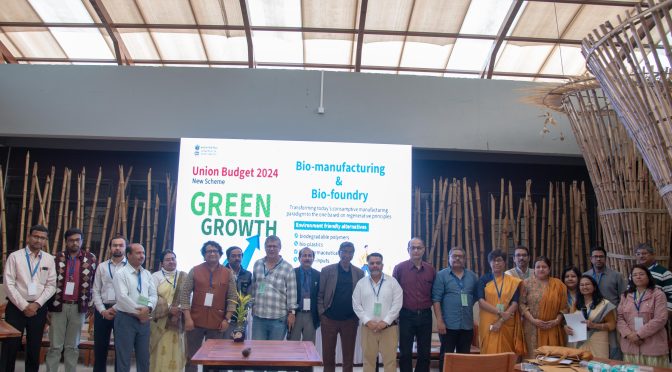
Reflecting on our impactful workshop on waste management and regenerative agriculture. The workshop titled ‘Waste to Wealth’ took place at IISER (Indian Institute of Science Education and Research) Kolkata, Kalyani Campus in collaboration with RISE, IISER and Contact Base (trading style: banglanatak dot com).
Esteemed speakers like Mr. Imteyaz Ali, Managing Director of Sarthak Sanstha, Mr. Suman Mukhopadhyay Director, Contact Base, Mr. Saumya Sen of Naandi Foundation shed light on how regenerative agriculture and innovative waste management practices can spur new entrepreneurial ventures that promote environmental sustainability by creating circular economies, reducing waste, and enhancing soil health for future generations.
People from diverse sectors including corporates, small-scale entrepreneurs, district administration, and academic experts attended the workshop. Participants learned innovative techniques for reducing waste and enhancing soil health, promoting a more ecologically sustainable tomorrow. By embracing these practices, the workshop aimed at fostering a community dedicated to environmental stewardship, ensuring cleaner cities and healthier ecosystems.
The event not only educated but also inspired collective action towards a greener future, highlighting the importance of sustainable living for the well-being of our planet. The details of the discussions and agreed upon recommendations are given below.
Welcome Speech by The Research Innovation and Scientific Entrepreneurship (RISE) IISER
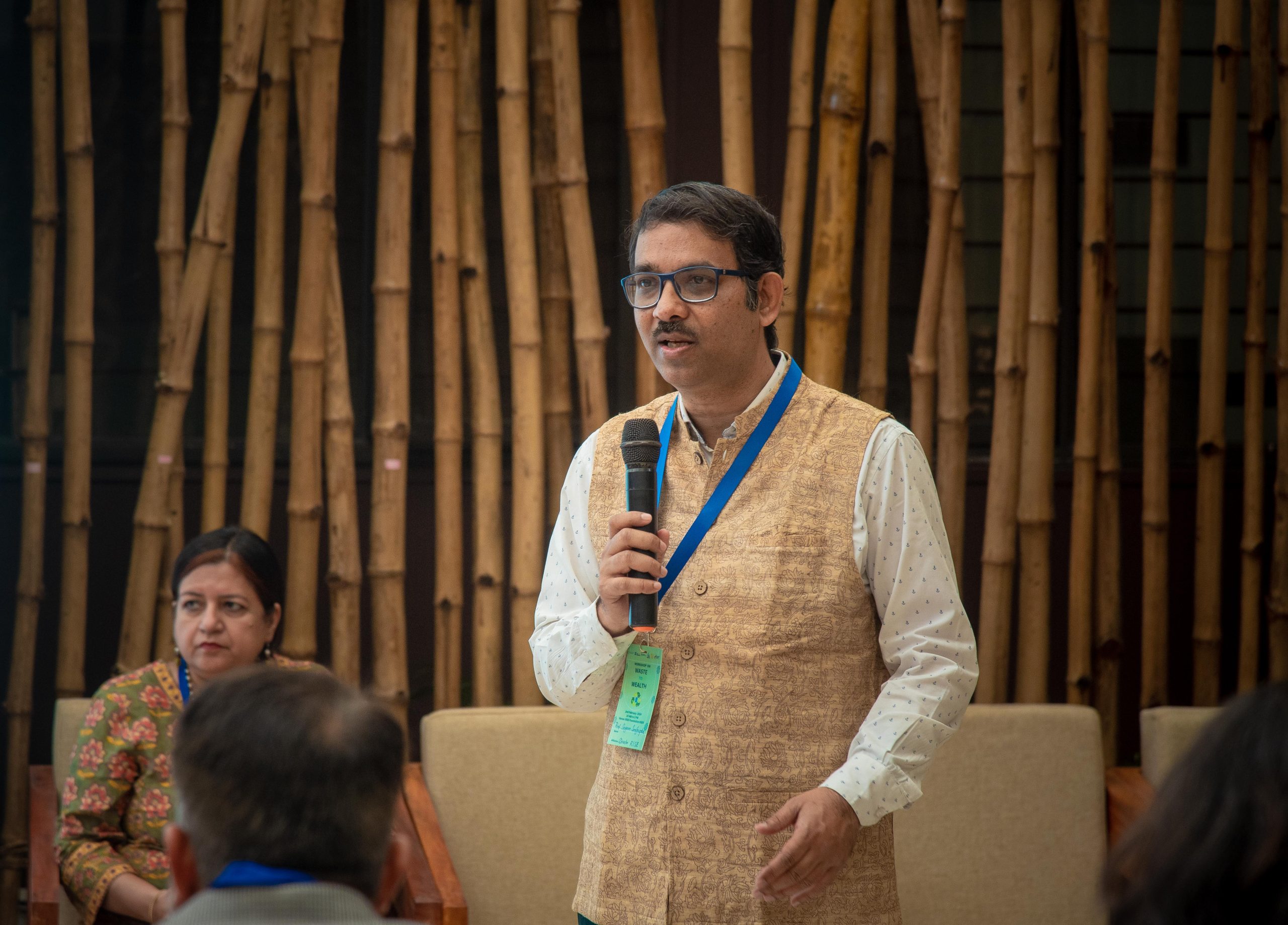
Prof Sayam Sengupta, faculty in the Department of Chemical Sciences at IISER Kolkata and Director of RISE delivered the welcome address. He spoke about the IISER’s mission to evolve as a premier institute to ensure quality higher education in the field of science and detailed on how RISE emerged as a nodal hub to promote science-based entrepreneurship, achieving application of science in the truest sense. He concluded by expressing RISE’s willingness to support actions and ventures with regard to responsible waste management and ushering other environmentally sustainable practices.
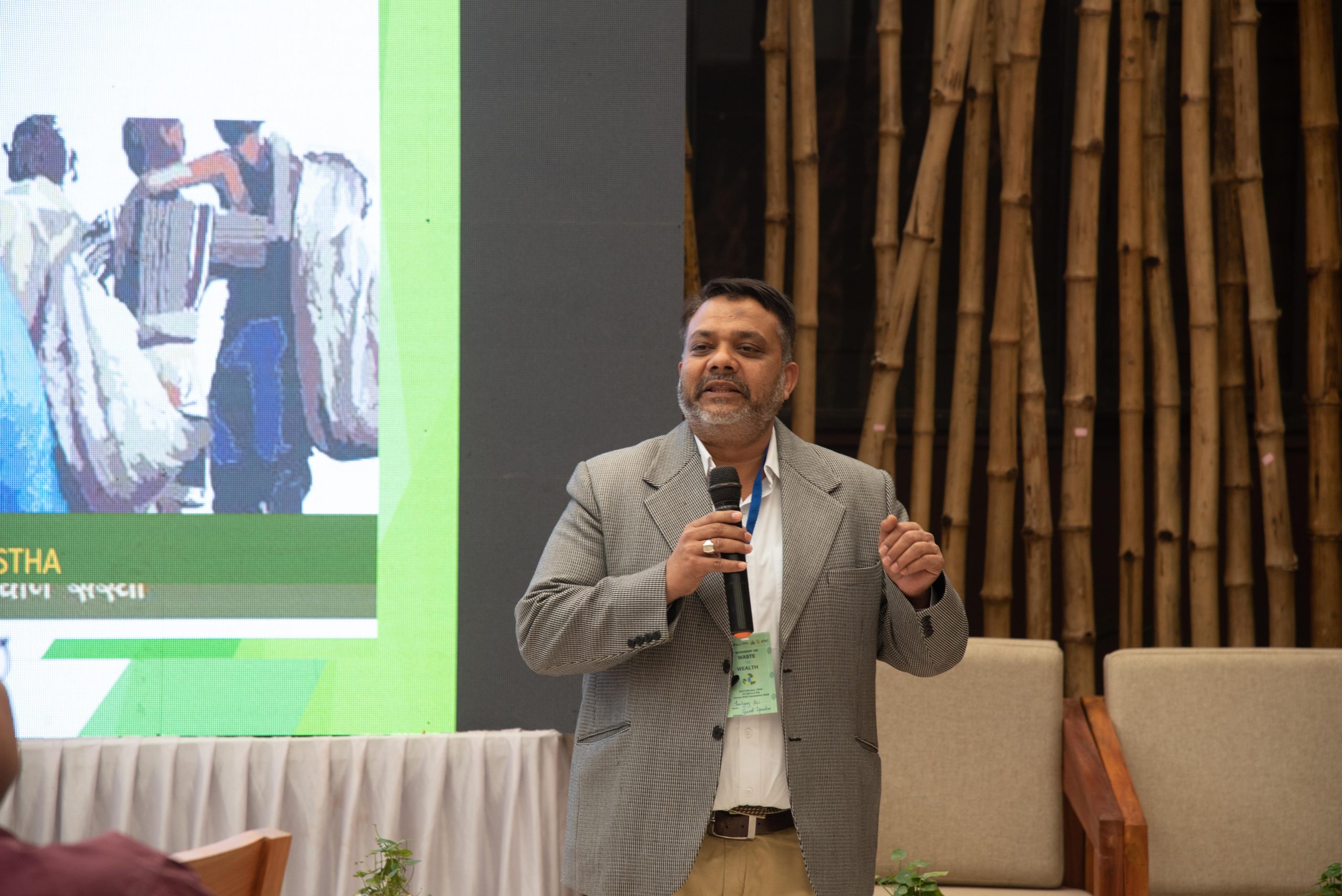
- Workshop on Waste to Wealth by Imteyaz Ali, Managing Director, Sarthak Sanstha
Imteyaz Ali started the workshop by citing Madhya Pradesh’ instance as one of the pioneering Indian states to functionalize an entire system of waste management, which has made Indore win the tag of the cleanest city for the last seven years and Bhopal, the cleanest capital. He asserted that out of the top 100 clean cities in India, a whooping 23 of them are located in Madhya Pradesh and this has been possible because of the integrated system of waste management operational in the state, which has streamlined collection, recycling and reuse of waste in the most effective manner. However, he mentioned that the model of waste management did not get operationalized in MP overnight; it took over a decade’s hard work and dedication to counter the problems arising out of unconscious waste accumulation.
With regard to Kalyani’s extant waste disposal mechanism, he said that proper segregation of waste is not into place. While the mount of mixed waste keeps on increasing in the dumpyards creating various health and environmental hazards, the residents’ lack awareness on proper waste management mechanisms. Many households, while giving mixed waste for collection, sell the valuable waste items as scraps, thereby leading to accumulation of waste, which have little to no processing value. As a result, the administrators at present mostly opt for burning the accumulated waste, thereby releasing toxic gases in the environment, which create climatic and health hazards.
As a way out, Imteyaz Ali shared his organization Sarthak’s model of waste management. To ensure proper segregation of waste into dry and wet, the model starts by building awareness of community members on ways to segregate waste. From the collection centres, segregated waste will reach the waste processing units, where the waste will be treated and converted into different raw materials used in road construction, cement industry, furniture making, etc. To ensure routine collection and tracking of the collection process, Sarthak has also come up with mobile application which tracks the movement of GPS attached waste collection vans. Imteyaz Ali stated that often waste management takes a backseat due to conflicting agenda and policy formulation mechanisms operative in the state and national level. He said that waste management efforts should take into consideration the population, demographics and orientation of the residents of the waste collecting site. Along with awareness building and influencing behaviour change, the waste management system must also incorporate the agenda of socio-economic improvement of the rag pickers to ensure sustained waste management without external support. He concluded by saying the role of emerging technologies not only with regard to effective treatment of waste but also for segregation of waste.
Discussions
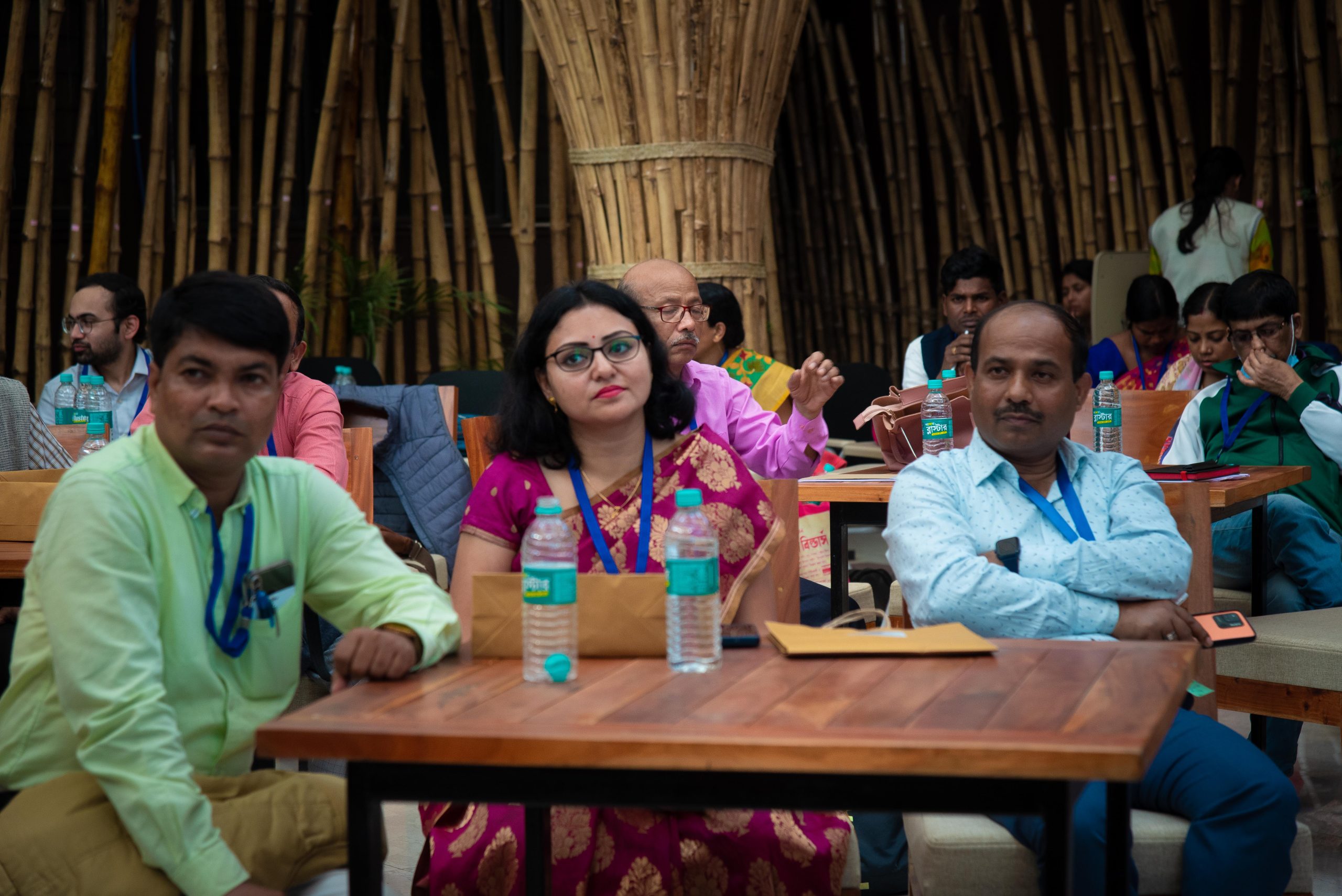
BDO of Haringhata – Ms. Mahasweta Biswas – She said in favour of every Gram Panchayat having a functional solid waste management unit. She also shared about their recent efforts in initiating a waste management unit in Birohi II Gram Panchayat, which is still in the process of getting operationalized. At present, local administrators are engaged in building awareness of community members with regard to effective waste management and she said that they have planned to keep a system of user fee to make waste collection and processing sustainable.
–
Deputy Chief Electrical Officer and Former SDO of Bongaon Subdivision – Dr. Kakuli Mukherjee – She shared her experience of an operational waste management unit in Sindrani Gram Panchayat, which started under her supervision in 2017. The local administrators during that time trained local women in making different products like coasters, bags out of fibres of water hyacinths. The formed women collective was the first industrial co-operative on waste management in West Bengal. She said that the waste management mechanism was operational in 11 GPs out of the total 26 GPs under her jurisdiction, which helped her to evaluate the impact of waste management in operational areas in comparison to the ones, which did not have a waste disposal mechanism at place. While the programme started with local administrators in 2017, community participation has sustained the endeavour even in today’s time. Representatives of the women collective also expressed their experience on stage.
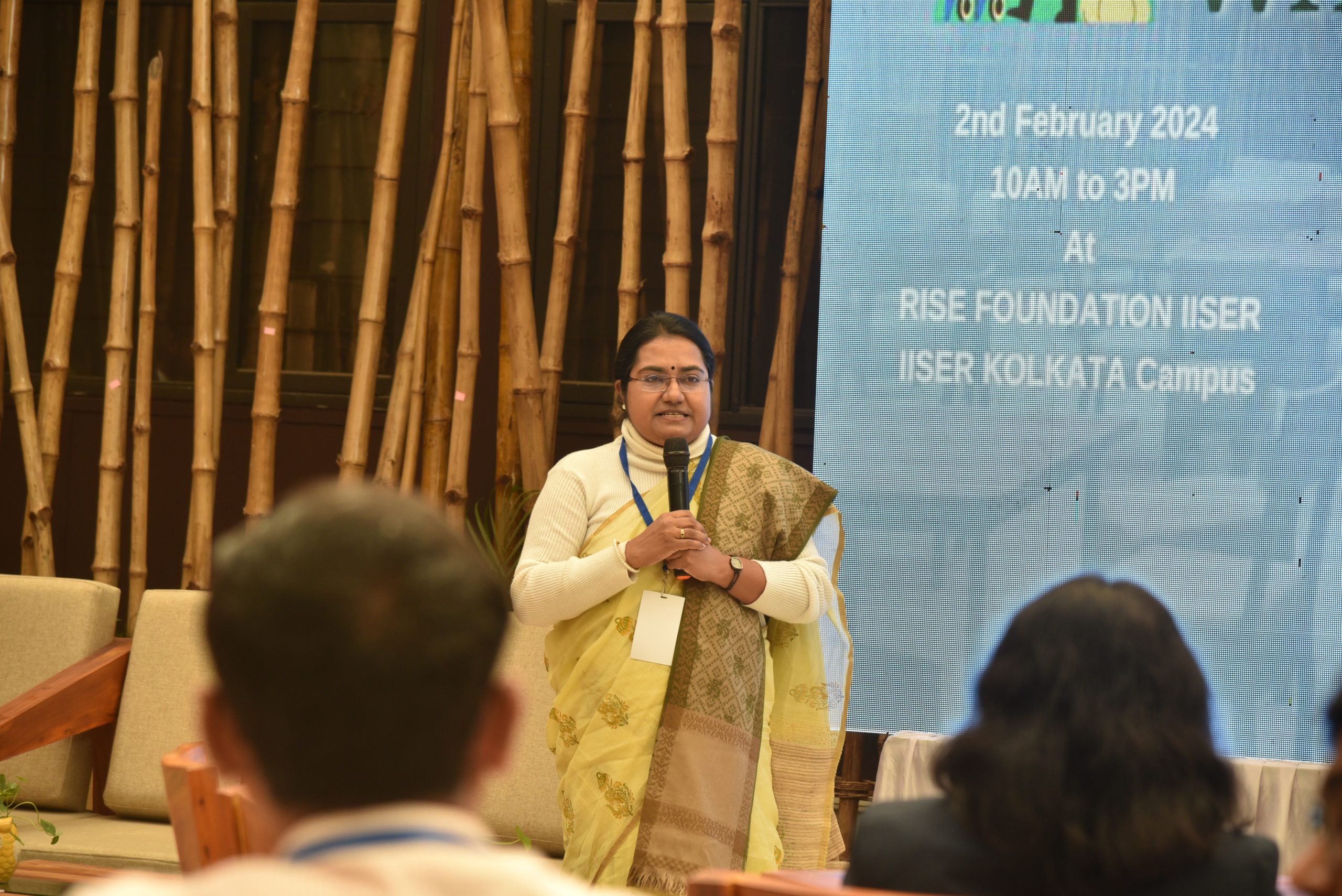
Sanitary Inspector, Kalyani Municipality – Mr. Malay Roy – He said that door to door waste collection started in Kalyani since 2000 and all 28 wards are part of it. However, segregation of waste and availability of land for dumping and composting pose as major challenges in Kalyani municipality’s waste management endeavour.
Representatives of Exide Factory, Shyamnagar Plant – Mr. Biswadeep Majumdar and Mr. Khairul – While sharing their corporate experience of waste processing at the Shyamnagar plant, the representatives stressed on the importance of ground-level awareness generation as mandatory prerequisite to effective waste management both in urban and rural areas. They shared on how they treat the chemical water of the plant with RO and ensure reusing 40% of the same in the plant. Their plastic wastes are at present given to registered vendors but they are exploring to find new ways to reuse the plastic effectively and create local benefit out of the same.
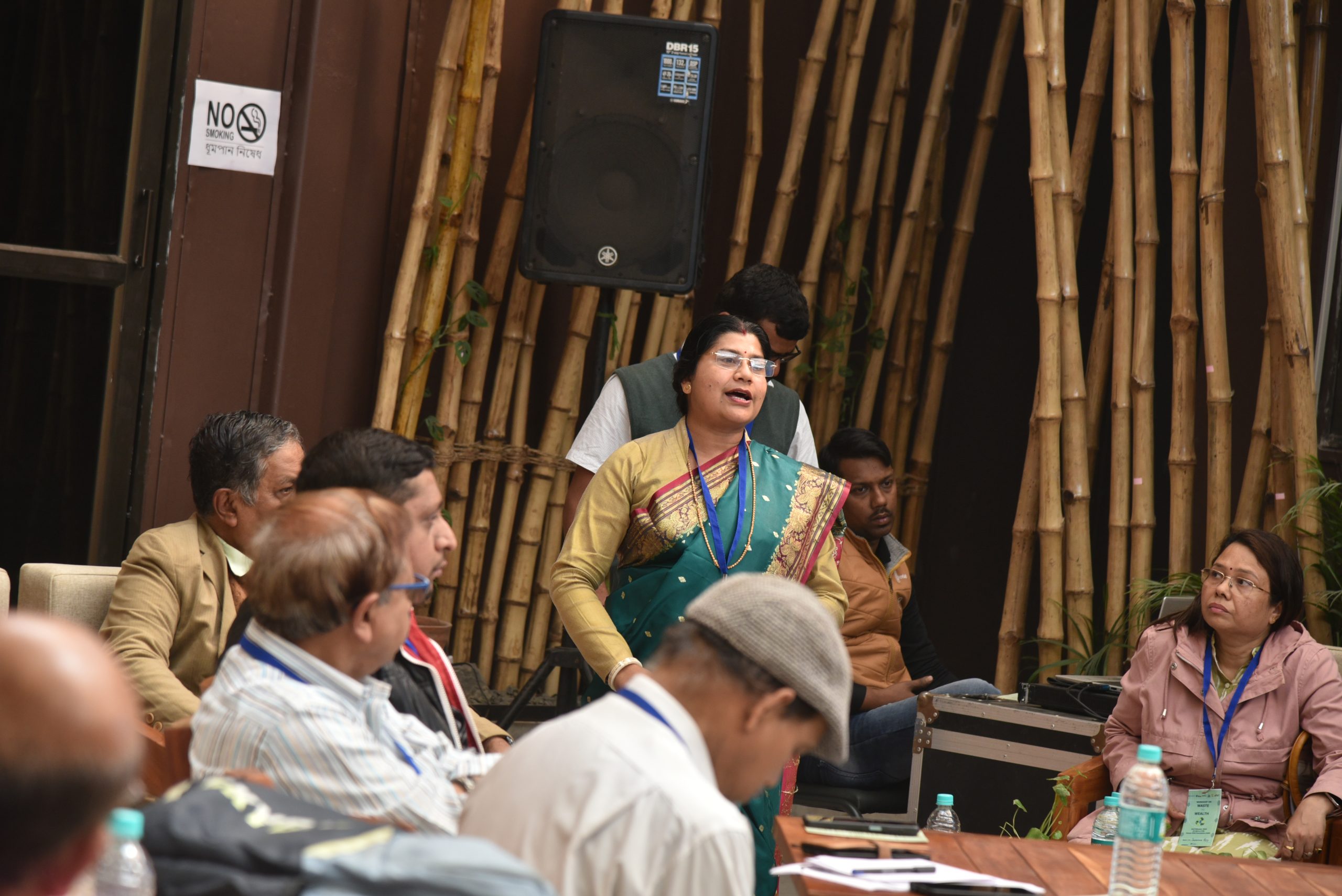
Teacher in a B.Ed College – She said that waste management as part of Socially Useful Productive Work (SUPW) has been incorporated in their curriculum. But she stressed on the importance of such a course in the school level, so that children from early age can be aware and get associated to activities pertaining to waste management.
Please refer to this link to know more about the discussions and resolutions – https://www.youtube.com/watch?v=HUuW3NeLWlg
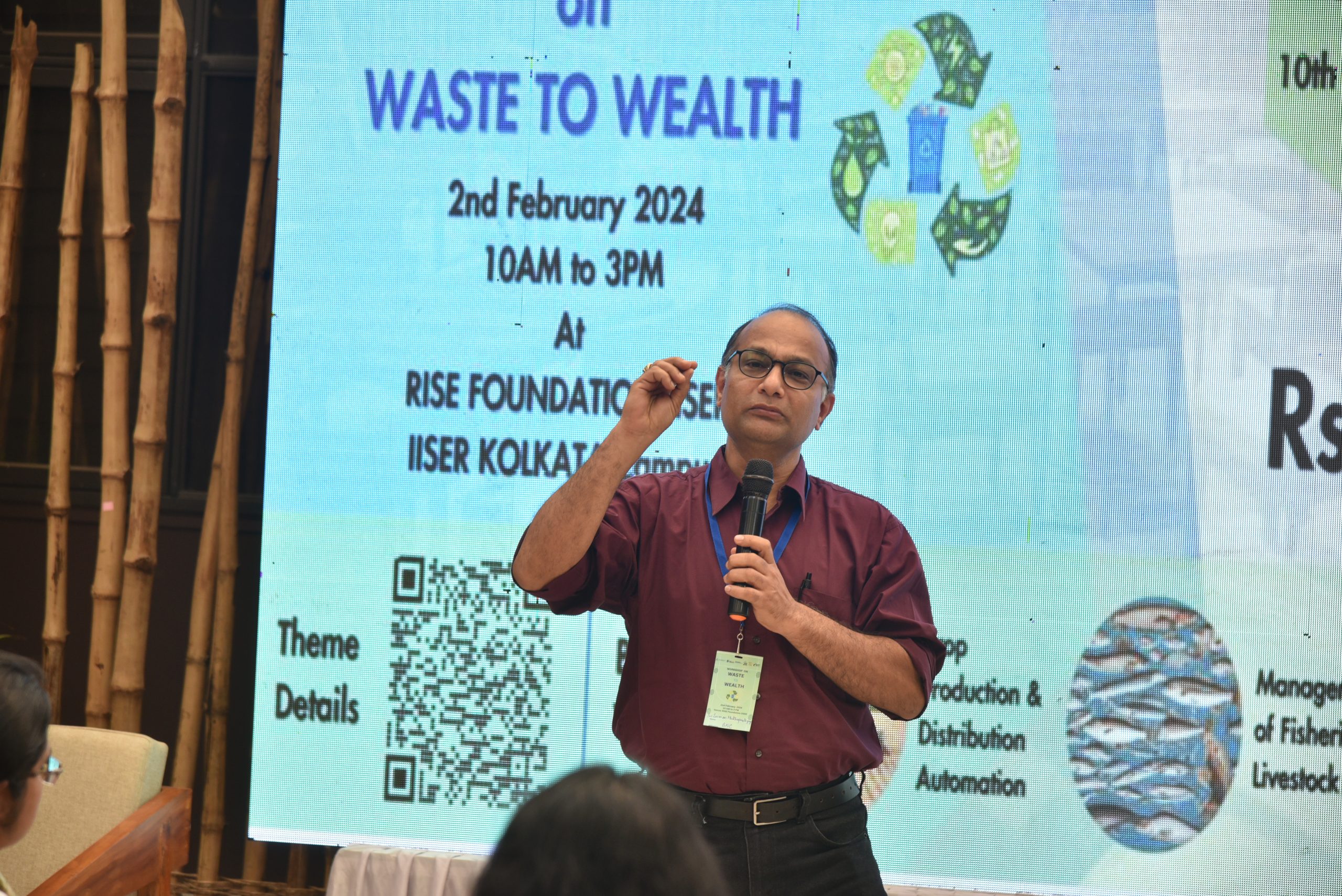
- Session on Opportunity for Entrepreneurship Development by Suman Mukhopadhyay, Director, Contact Base
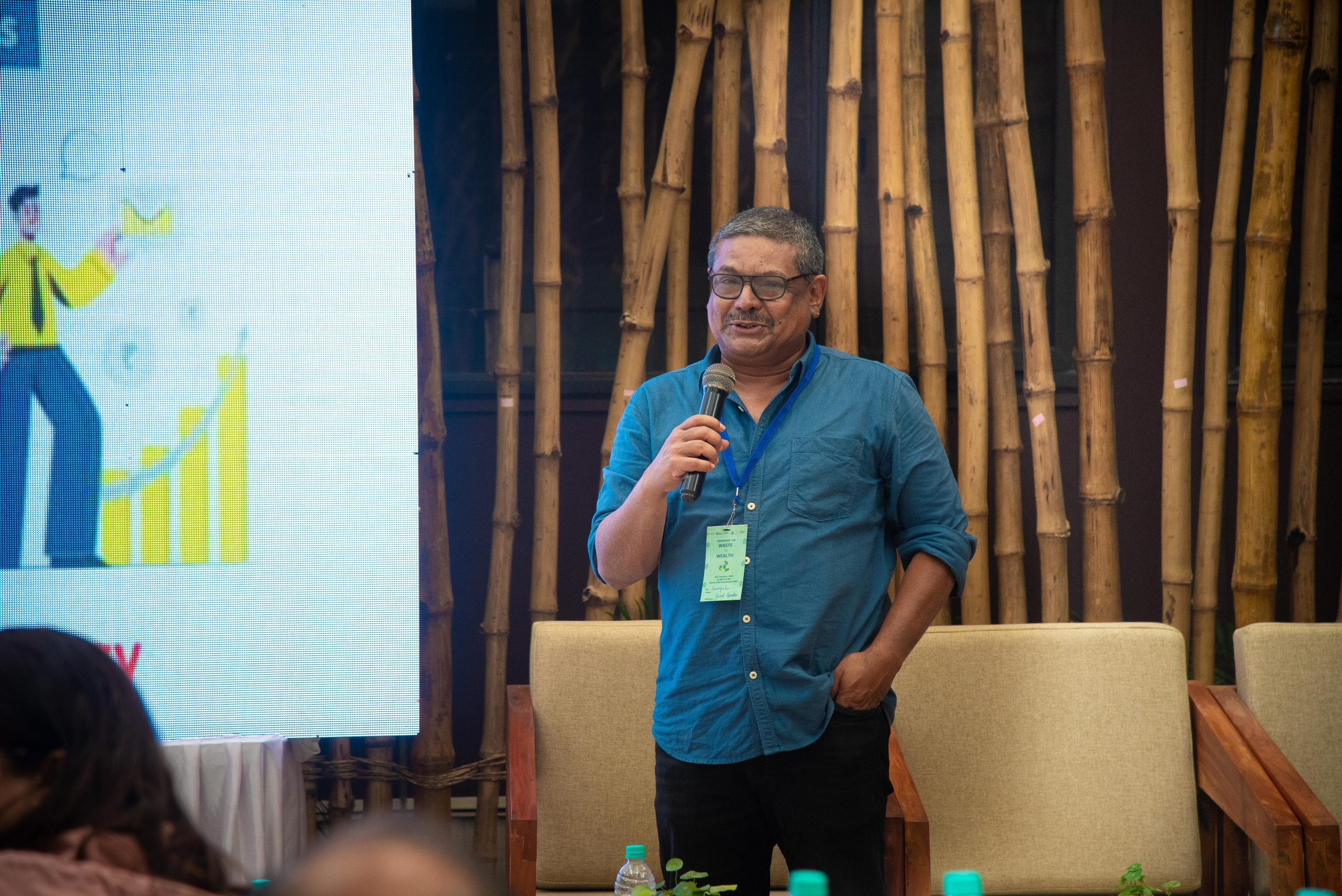
The session started with 3 pertinent questions for entrepreneurship development – What problem are we solving? How many are facing the problem? Is the solution cost-effective? Answers to these questions are integral to determine the fate and value of an entrepreneurial venture. Suman Mukhopadhyay also spoke about the importance of applying technology to solve social problems through entrepreneurship development. He then opened the floor for discussions, where entrepreneurs working in the segment of waste management shared their experiences and the challenges they face while running their ventures.
Discussions
Sudip Roy from Bioron Solutions Pvt. Ltd. – The entrepreneurial venture is committed to create sustainable building materials out of solid waste. They have come up with a ‘digestion process’, which digests solid waste and converts it to raw materials for the building industry. While the venture provides an entrepreneurial model capitalizing on the potential of waste management, Mr. Roy shared how availability of segregated waste in bulk remains a problem.-
Representative from Satyam Solutions Pvt. Ltd. – The company makes organic manures out of processed wet waste. The representative stated facing several challenges – firstly, he said that awareness on the benefits of organic manure is low. That’s why the company is still running on subsidy model and needs additional funding to reach out to its market segment, ie., the farmers. Secondly, plastic segregation is challenging. Plastics need to get sorted micron-wise, as only plastic waste of certain microns can be fit for recycling into certain materials and this sorting poses a challenge, specially in regard where waste segregation mechanism is already not in place. He concluded by asserting that knowledge on waste management is an important life skill and must be incorporated into school curriculums.
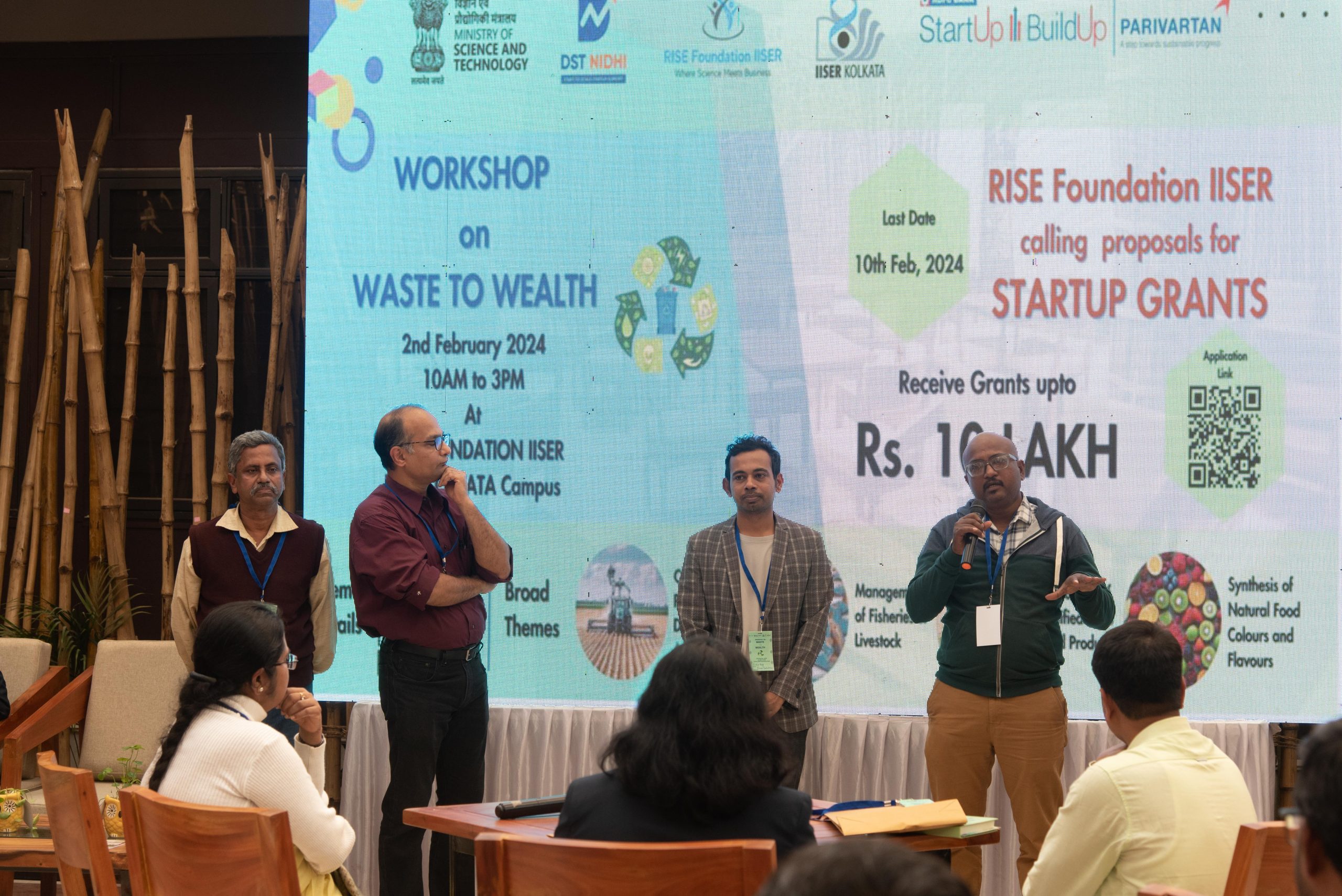
Public Relations Officer and President of Nadia Chamber of Commerce shared their experience of developing small scale business and asked the support of RISE IISER to facilitate scientific innovations in small-scale entrepreneurial ventures.
Please refer to this link to know more about the discussions and resolutions – https://www.youtube.com/watch?v=w9gyAObhoBE
- Session on Regenerative Agriculture by Mr. Saumya Sen, Naandi Foundation
Mr. Saumya Sen started the session by citing that current agricultural practices contribute to 1/3rd of the total carbon dioxide present in the atmosphere. The session commenced with a role play, where people who are involved in the businesses concerning organic manures among the audience were asked to market their products to farmers. The discrepancy in price and marketing techniques that came out of the different pitches were highlighted as creating a hindrance of choice abundance to the farmer, whose decision is clouded instead of getting concretized with the obtained information. Mr. Sen, while stressing the importance of organic manure, asserted that soil regeneration with microbes following natural technique is the backbone of regenerative agriculture. He said that micro-biology has a crucial role to play in realizing the vision of regenerative agriculture. Soil regeneration with microbes explores how intelligence is embedded in soil over time and space and it is by capitalizing on this cyclical world chain, the extant agricultural landscape can be transformed into a sustainable model.
Discussions
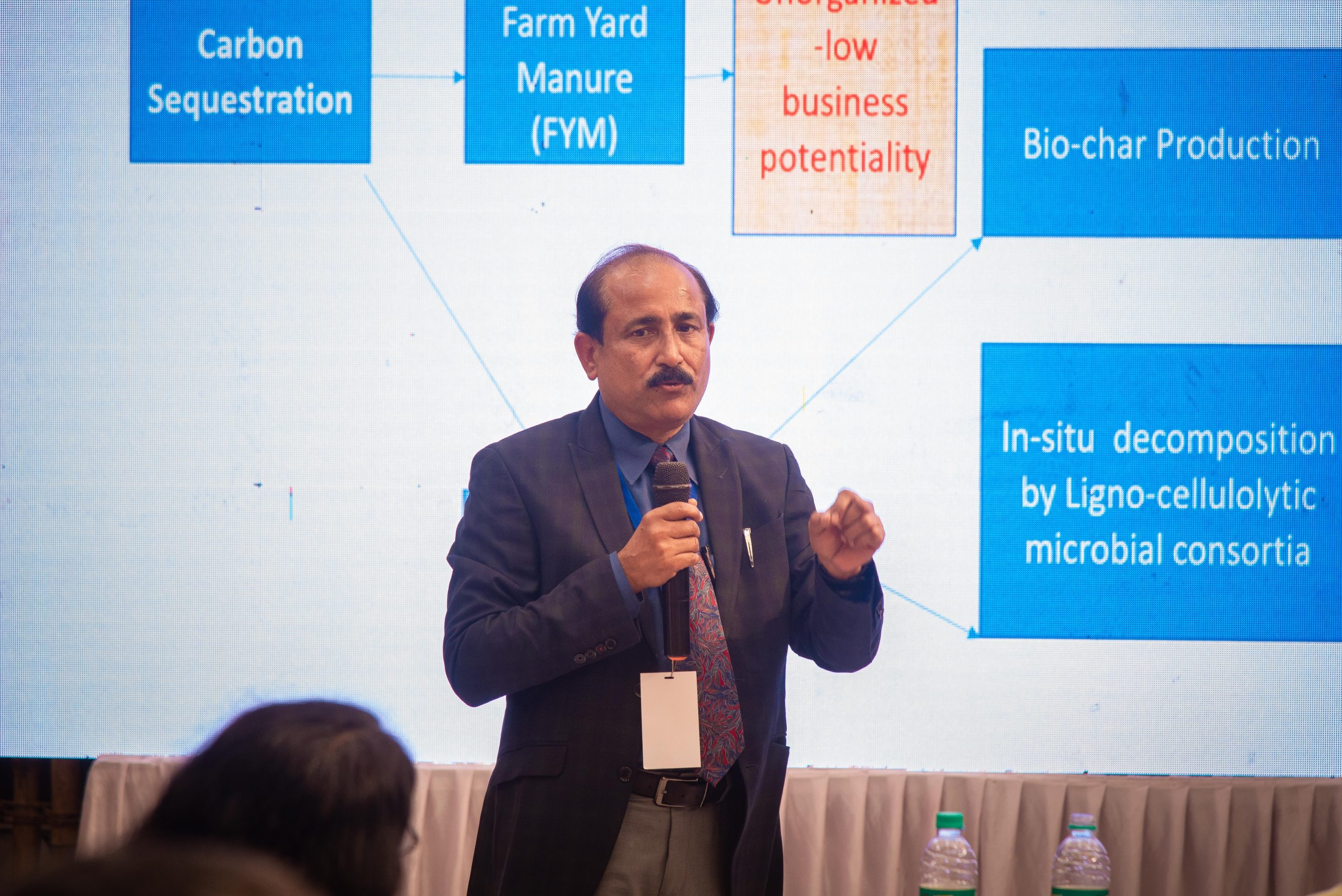
Faculty of Bidhan Chandra Krishi Vidyalaya – Dr. Niharendu Saha – Dr. Saha started with an approach different from Mr. Sen’s. He stressed on the importance of external nutrients, which are crucial for soil regeneration. He identified soil as the major input for production, as the key element sustaining life on earth. According to him, soil regeneration means putting the vitalities back to the soil on a continued basis. Dr. Saha identified the importance of external nutrients and organic compost in soil regeneration. He advocated in favour of organic compost in retaining soil moisture, thereby making agricultural activities water effective. According to Dr. Saha, if the entire process of soil regeneration rests solely on microbes, then it will put undue pressure on soil nutrients, often leading to soil degeneration, instead of regeneration.
Please refer to this link to know more about the discussions and resolutions – https://www.youtube.com/watch?v=YieY9GOXlQg
- Concluding Session – Way Forward
Mr. Amitava Bhattacharya, Founder Director, Contact Base and Prof. Ayan Banerjee, Dean of Students’ Affair, IISER and Director of RISE, IISER presented the way forward session. In this session, the role of entrepreneurship in sustaining activities of social value was stressed at length. This session identified entrepreneurship as a way forward to solve the problems of waste and come up with sustainable solutions. While Contact Base expressed its commitment with regard to community mobilization, RISE IISER confirmed their support in leading scientific innovations, created to solve the problem of waste in a time and cost effective manner. The workshop concluded with the promise of Dr. Nilimesh Roy Chowdhury, Chairman of Kalyani Municipality, who said that Kalyani will solve its solid waste problem in the coming 3 years and requested all the domain experts, local administrators and community representatives to form a network and come up with contextual mitigating solutions.