Category Archives: Uncategorized

Waste to Wealth: Towards a Greener Tomorrow

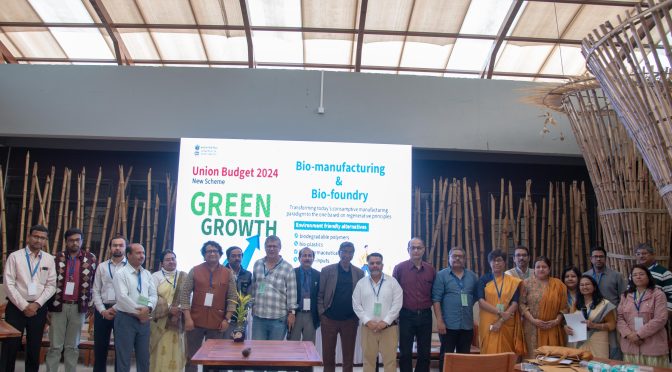
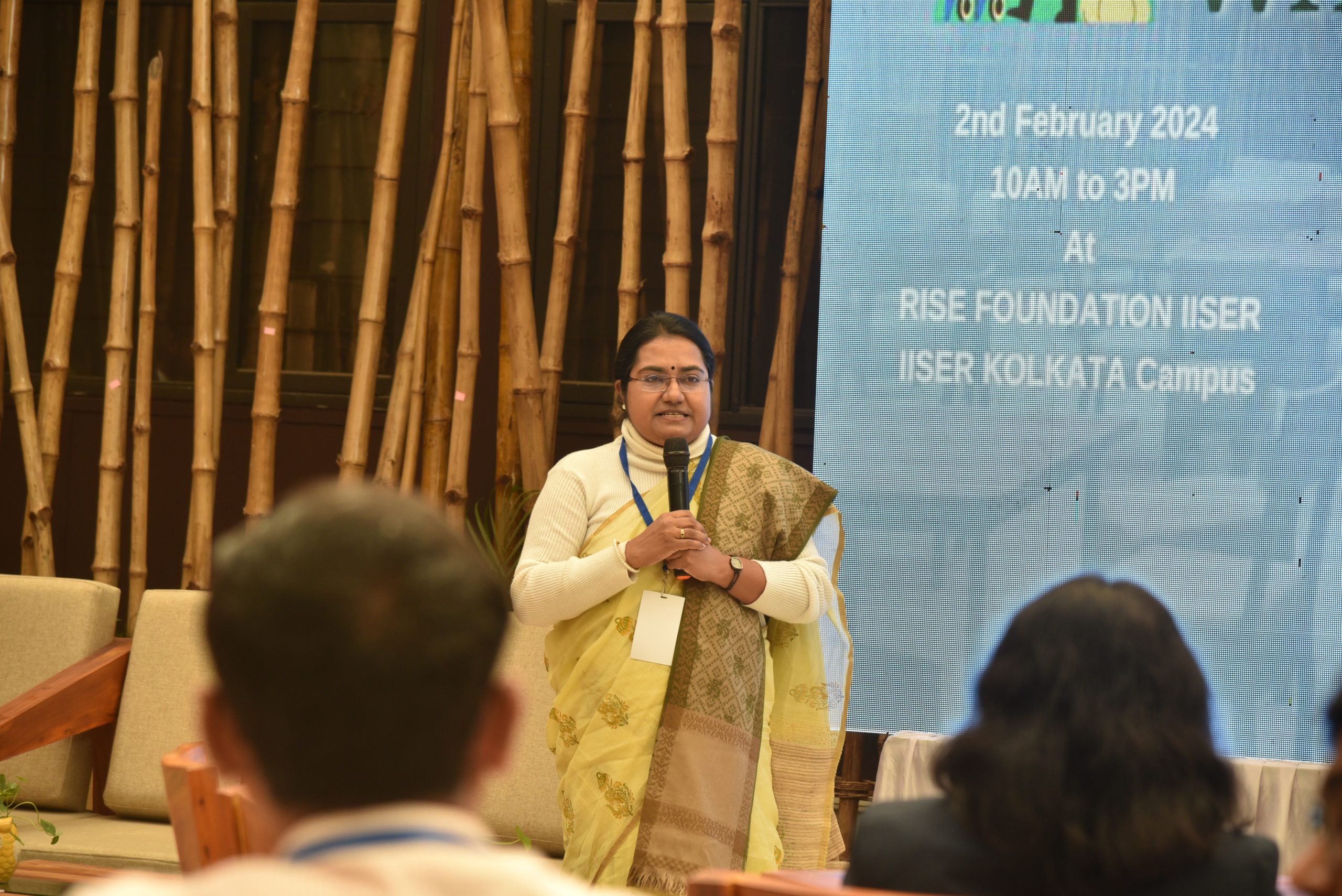
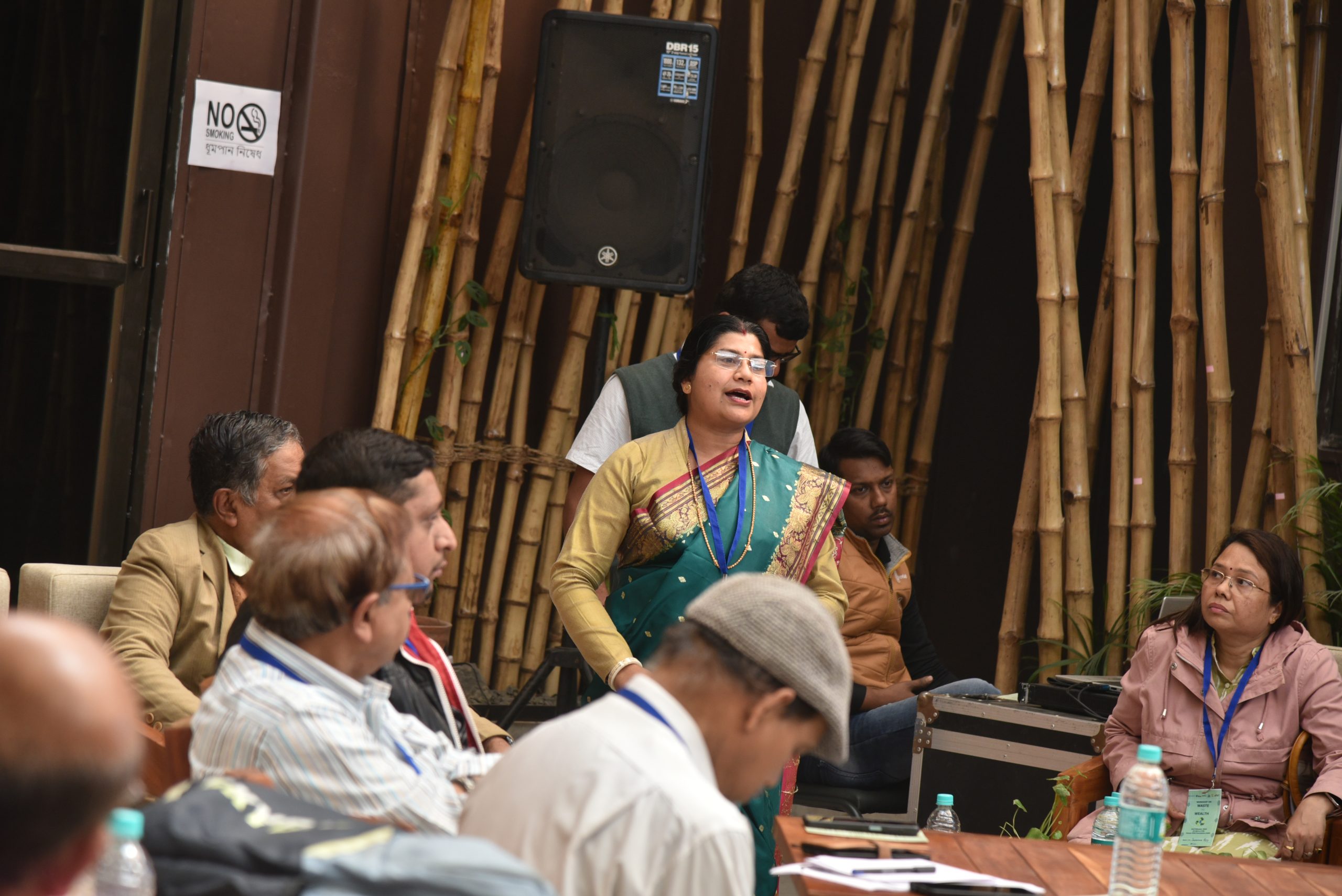
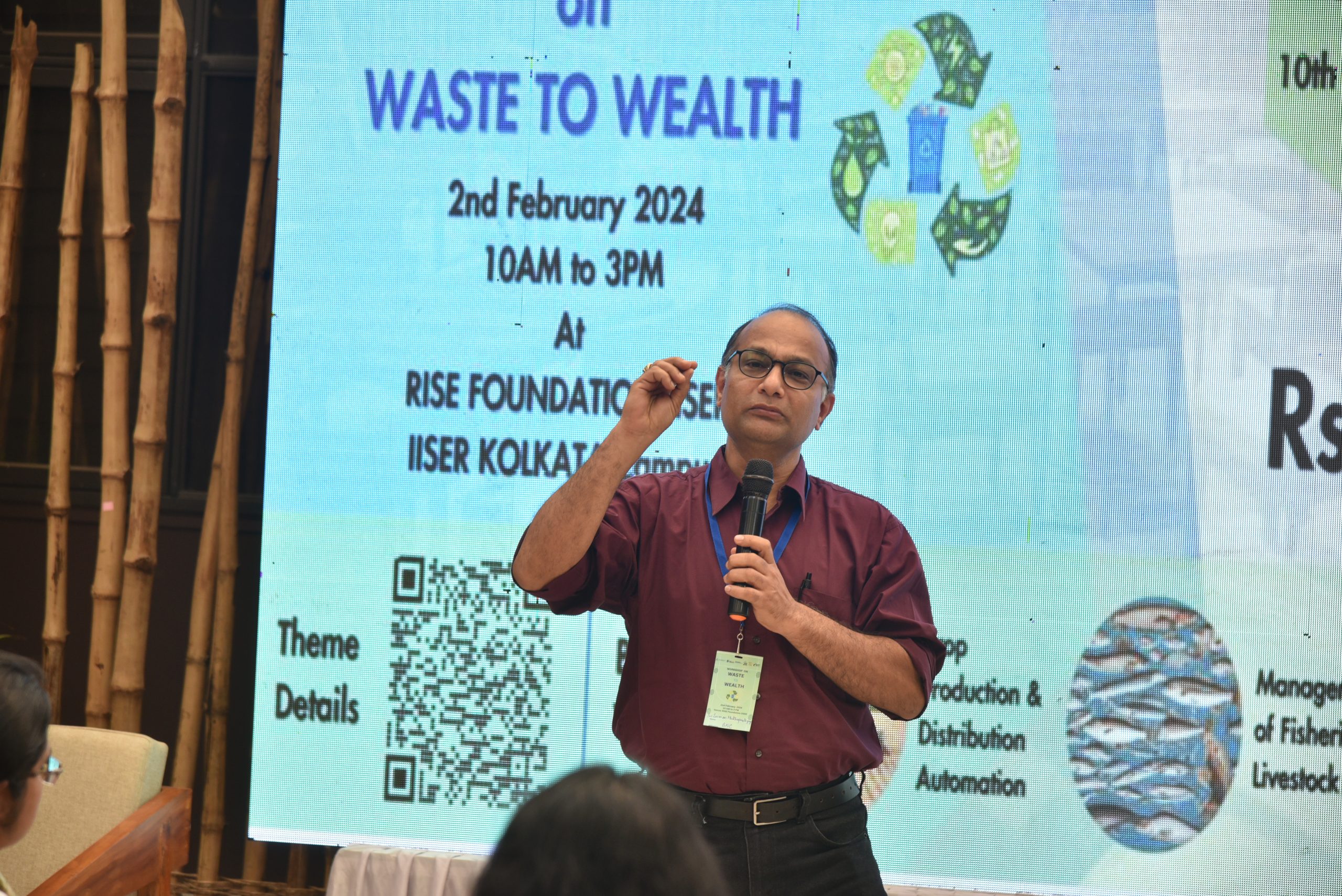
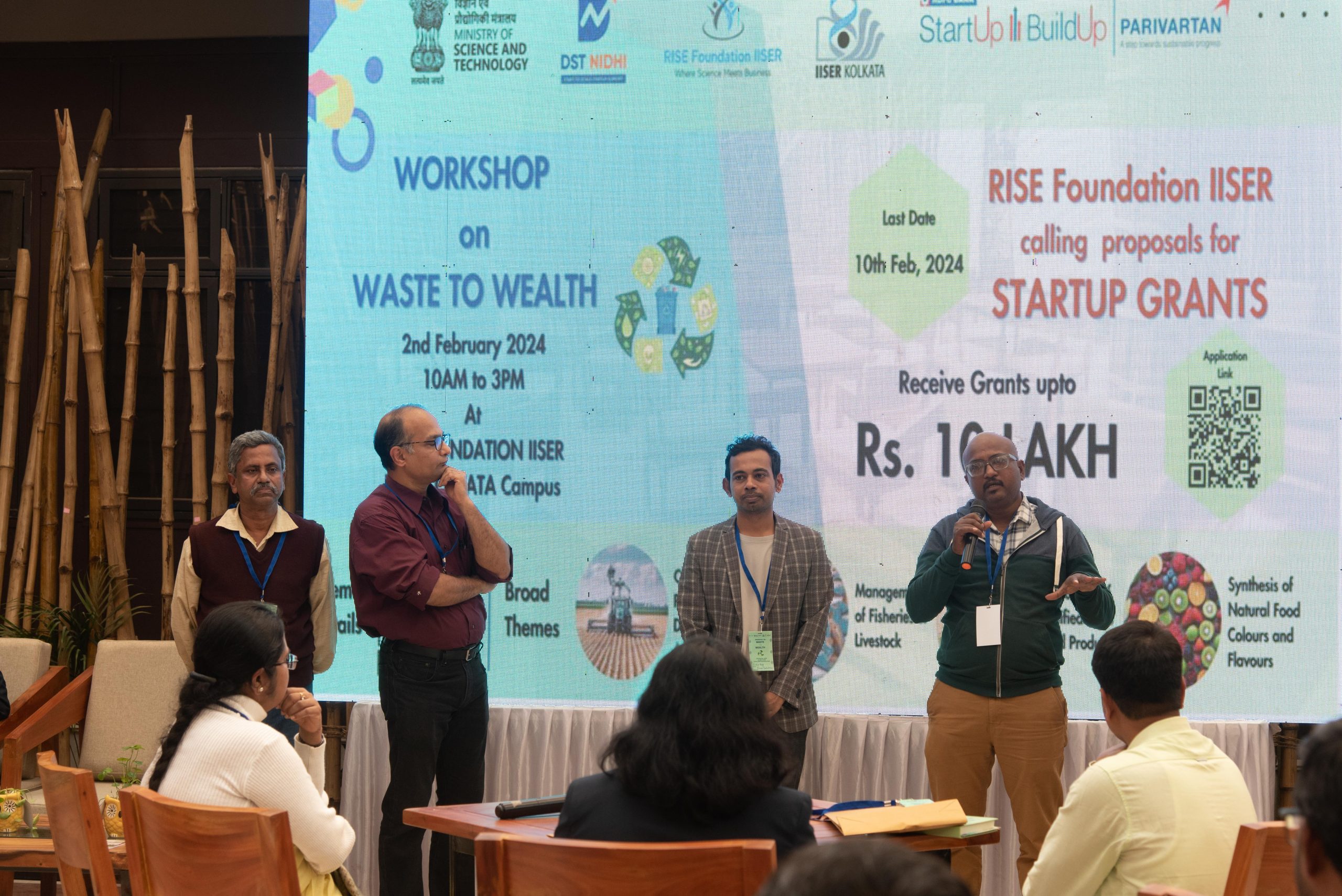
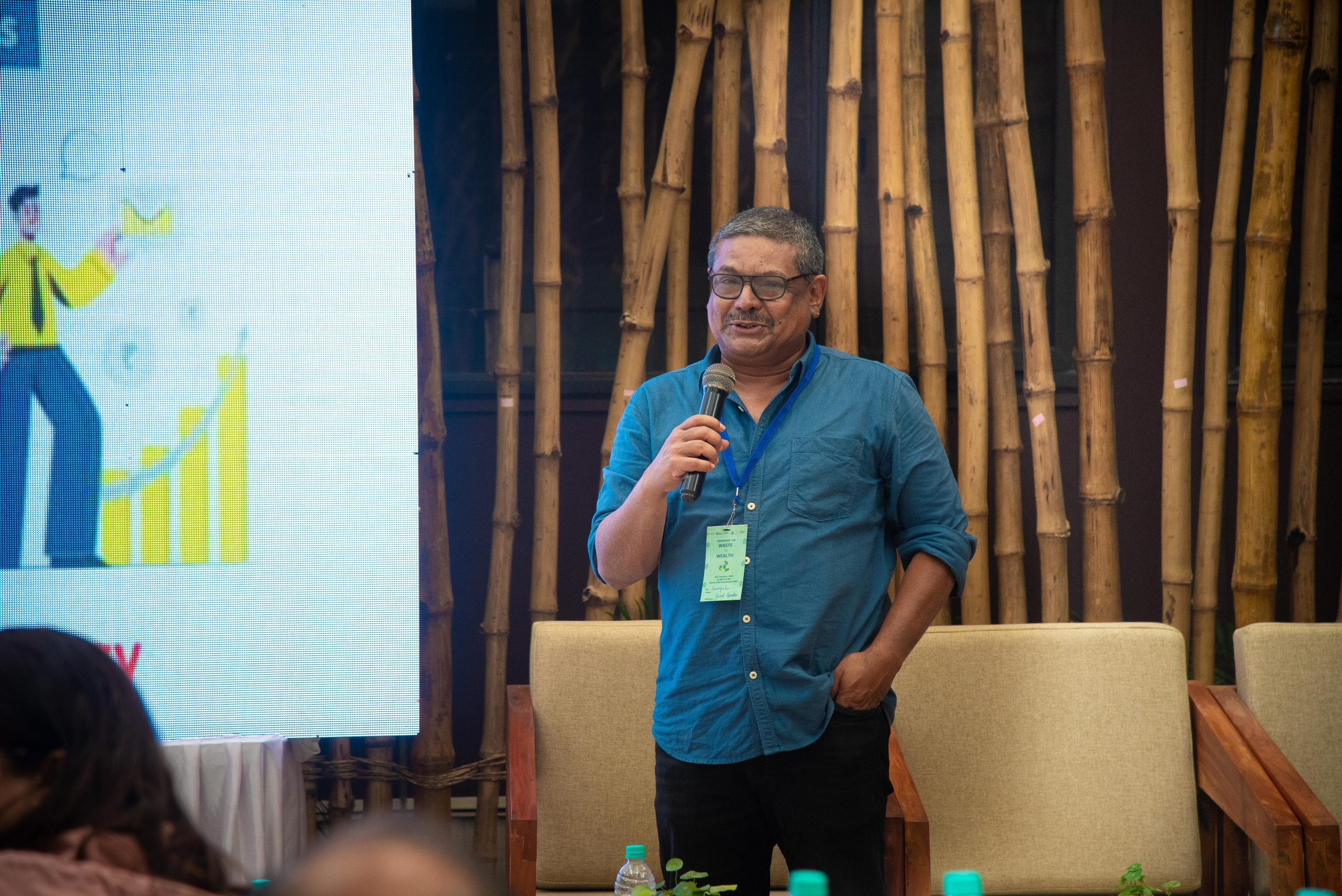
Reflecting on our impactful workshop on waste management and regenerative agriculture. The workshop titled ‘Waste to Wealth’ took place at IISER (Indian Institute of Science Education and Research) Kolkata, Kalyani Campus in collaboration with RISE, IISER and Contact Base (trading style: banglanatak dot com).

Esteemed speakers like Mr. Imteyaz Ali, Managing Director of Sarthak Sanstha, Mr. Suman Mukhopadhyay Director, Contact Base, Mr. Saumya Sen of Naandi Foundation shed light on how regenerative agriculture and innovative waste management practices can spur new entrepreneurial ventures that promote environmental sustainability by creating circular economies, reducing waste, and enhancing soil health for future generations.

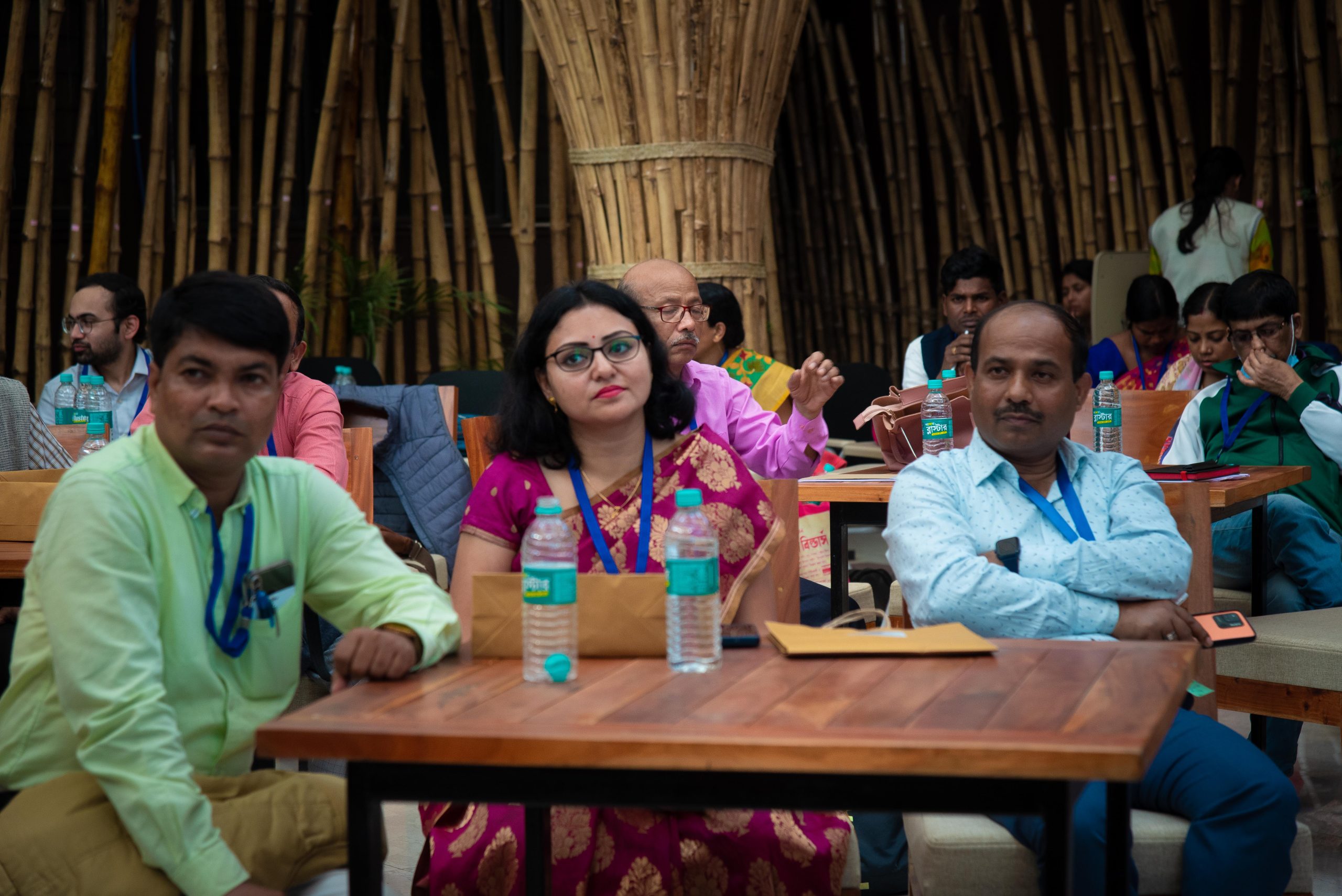
People from diverse sectors including corporates, small-scale entrepreneurs, district administration, and academic experts attended the workshop. Participants learned innovative techniques for reducing waste and enhancing soil health, promoting a more ecologically sustainable tomorrow. By embracing these practices, the workshop aimed at fostering a community dedicated to environmental stewardship, ensuring cleaner cities and healthier ecosystems.

The event not only educated but also inspired collective action towards a greener future, highlighting the importance of sustainable living for the well-being of our planet. The details of the discussions and agreed upon recommendations are given below. 

 Welcome Speech by The Research Innovation and Scientific Entrepreneurship (RISE) IISER

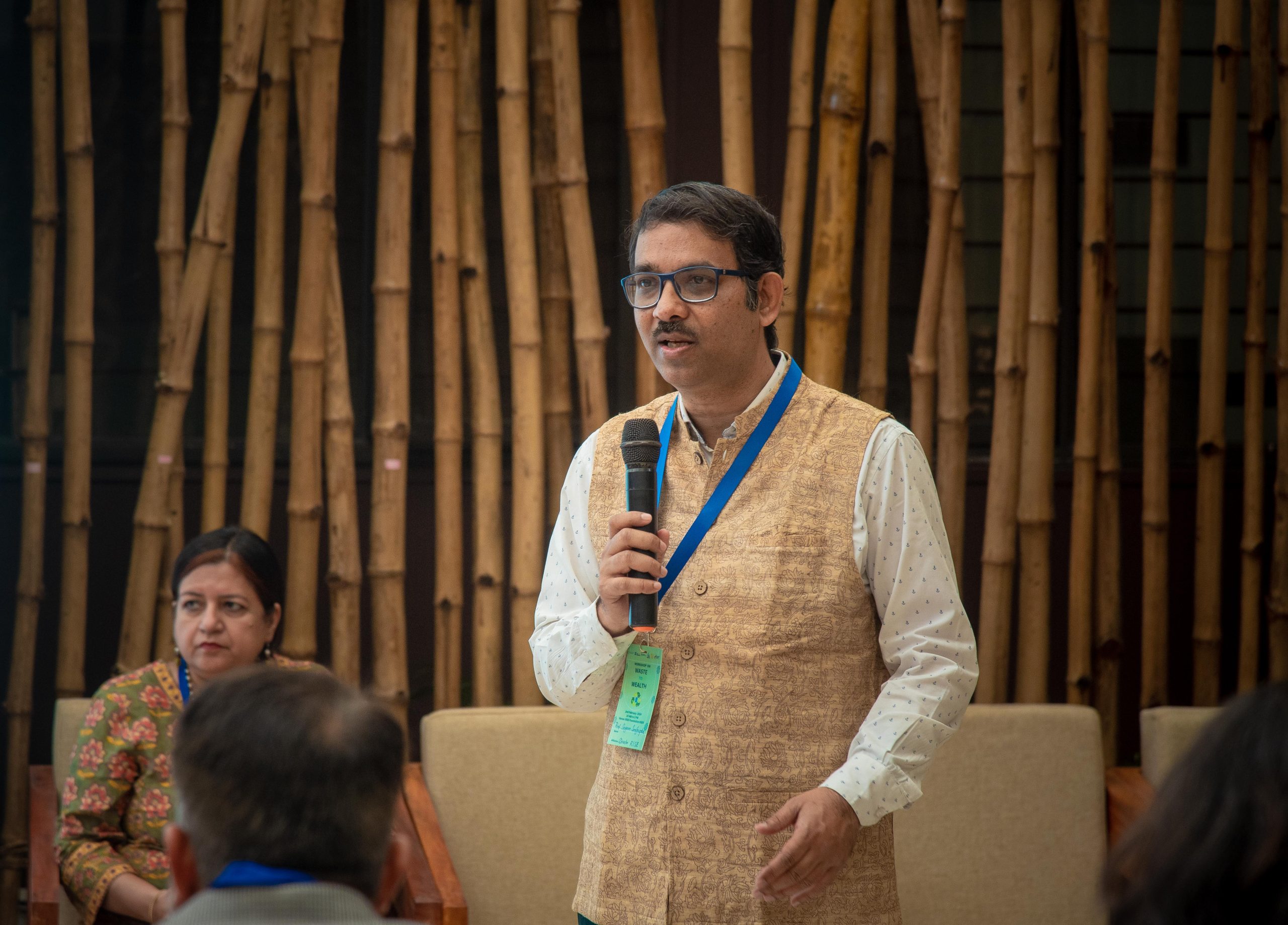
Prof Sayam Sengupta, faculty in the Department of Chemical Sciences at IISER Kolkata and Director of RISE delivered the welcome address. He spoke about the IISER’s mission to evolve as a premier institute to ensure quality higher education in the field of science and detailed on how RISE emerged as a nodal hub to promote science-based entrepreneurship, achieving application of science in the truest sense.  He concluded by expressing RISE’s willingness to support actions and ventures with regard to responsible waste management and ushering other environmentally sustainable practices.

  1. Workshop on Waste to Wealth by Imteyaz Ali, Managing Director, Sarthak Sanstha

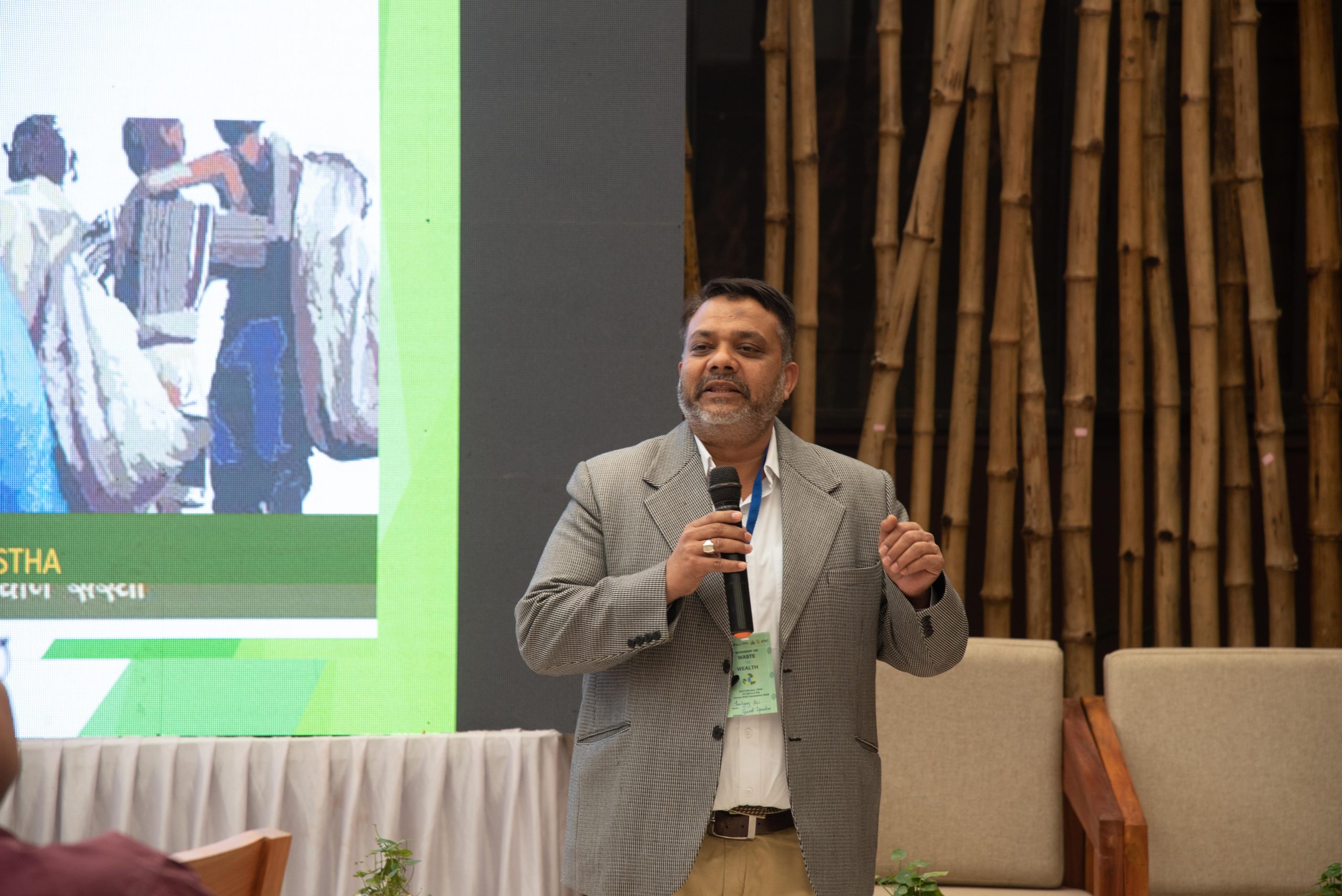
Imteyaz Ali started the workshop by citing Madhya Pradesh’ instance as one of the pioneering Indian states to functionalize an entire system of waste management, which has made Indore win the tag of the cleanest city for the last seven years and Bhopal, the cleanest capital. He asserted that out of the top 100 clean cities in India, a whooping 23 of them are located in Madhya Pradesh and this has been possible because of the integrated system of waste management operational in the state, which has streamlined collection, recycling and reuse of waste in the most effective manner. However, he mentioned that the model of waste management did not get operationalized in MP overnight; it took over a decade’s hard work and dedication to counter the problems arising out of unconscious waste accumulation.

With regard to Kalyani’s extant waste disposal mechanism, he said that proper segregation of waste is not into place. While the mount of mixed waste keeps on increasing in the dumpyards creating various health and environmental hazards, the residents’ lack awareness on proper waste management mechanisms. Many households, while giving mixed waste for collection, sell the valuable waste items as scraps, thereby leading to accumulation of waste, which have little to no processing value. As a result, the administrators at present mostly opt for burning the accumulated waste, thereby releasing toxic gases in the environment, which create climatic and health hazards.

As a way out, Imteyaz Ali shared his organization Sarthak’s model of waste management. To ensure proper segregation of waste into dry and wet, the model starts by building awareness of community members on ways to segregate waste. From the collection centres, segregated waste will reach the waste processing units, where the waste will be treated and converted into different raw materials used in road construction, cement industry, furniture making, etc. To ensure routine collection and tracking of the collection process, Sarthak has also come up with mobile application which tracks the movement of GPS attached waste collection vans. Imteyaz Ali stated that often waste management takes a backseat due to conflicting agenda and policy formulation mechanisms operative in the state and national level. He said that waste management efforts should take into consideration the population, demographics and orientation of the residents of the waste collecting site. Along with awareness building and influencing behaviour change, the waste management system must also incorporate the agenda of socio-economic improvement of the rag pickers to ensure sustained waste management without external support. He concluded by saying the role of emerging technologies not only with regard to effective treatment of waste but also for segregation of waste.

Discussions

BDO of Haringhata – Ms. Mahasweta Biswas – She said in favour of every Gram Panchayat having a functional solid waste management unit. She also shared about their recent efforts in initiating a waste management unit in Birohi II Gram Panchayat, which is still in the process of getting operationalized. At present, local administrators are engaged in building awareness of community members with regard to effective waste management and she said that they have planned to keep a system of user fee to make waste collection and processing sustainable.

Deputy Chief Electrical Officer and Former SDO of Bongaon Subdivision – Dr. Kakuli Mukherjee – She shared her experience of an operational waste management unit in Sindrani Gram Panchayat, which started under her supervision in 2017. The local administrators during that time trained local women in making different products like coasters, bags out of fibres of water hyacinths. The formed women collective was the first industrial co-operative on waste management in West Bengal. She said that the waste management mechanism was operational in 11 GPs out of the total 26 GPs under her jurisdiction, which helped her to evaluate the impact of waste management in operational areas in comparison to the ones, which did not have a waste disposal mechanism at place. While the programme started with local administrators in 2017, community participation has sustained the endeavour even in today’s time. Representatives of the women collective also expressed their experience on stage.

Sanitary Inspector, Kalyani Municipality – Mr. Malay Roy – He said that door to door waste collection started in Kalyani since 2000 and all 28 wards are part of it. However, segregation of waste and availability of land for dumping and composting pose as major challenges in Kalyani municipality’s waste management endeavour.

Representatives of Exide Factory, Shyamnagar Plant – Mr. Biswadeep Majumdar and Mr. Khairul – While sharing their corporate experience  of waste processing at the Shyamnagar plant, the representatives stressed on the importance of ground-level awareness generation as mandatory prerequisite to effective waste management both in urban and rural areas. They shared on how they treat the chemical water of the plant with RO and ensure reusing 40% of the same in the plant. Their plastic wastes are at present given to registered vendors but they are exploring to find new ways to reuse the plastic effectively and create local benefit out of the same.


Teacher in a B.Ed College – She said that waste management as part of Socially Useful Productive Work (SUPW) has been incorporated in their curriculum. But she stressed on the importance of such a course in the school level, so that children from early age can be aware and get associated to activities pertaining to waste management.

Please refer to this link to know more about the discussions and resolutions – https://www.youtube.com/watch?v=HUuW3NeLWlg

  1. Session on Opportunity for Entrepreneurship Development by Suman Mukhopadhyay, Director, Contact Base

The session started with 3 pertinent questions for entrepreneurship development – What problem are we solving? How many are facing the problem? Is the solution cost-effective? Answers to these questions are integral to determine the fate and value of an entrepreneurial venture. Suman Mukhopadhyay also spoke about the importance of applying technology to solve social problems through entrepreneurship development. He then opened the floor for discussions, where entrepreneurs working in the segment of waste management shared their experiences and the challenges they face while running their ventures.

Discussions

Sudip Roy from Bioron Solutions Pvt. Ltd. – The entrepreneurial venture is committed to create sustainable building materials out of solid waste. They have come up with a ‘digestion process’, which digests solid waste and converts it to raw materials for the building industry. While the venture provides an entrepreneurial model capitalizing on the potential of waste management, Mr. Roy shared how availability of segregated waste in bulk remains a problem.-

Representative from Satyam Solutions Pvt. Ltd. – The company makes organic manures out of processed wet waste. The representative stated facing several challenges – firstly, he said that awareness on the benefits of organic manure is low. That’s why the company is still running on subsidy model and needs additional funding to reach out to its market segment, ie., the farmers. Secondly, plastic segregation is challenging. Plastics need to get sorted micron-wise, as only plastic waste of certain microns can be fit for recycling into certain materials and this sorting poses a challenge, specially in regard where waste segregation mechanism is already not in place. He concluded by asserting that knowledge on waste management is an important life skill and must be incorporated into school curriculums.

Public Relations Officer and President of Nadia Chamber of Commerce shared their experience of developing small scale business and asked the support of RISE IISER to facilitate scientific innovations in small-scale entrepreneurial ventures.

Please refer to this link to know more about the discussions and resolutions – https://www.youtube.com/watch?v=w9gyAObhoBE

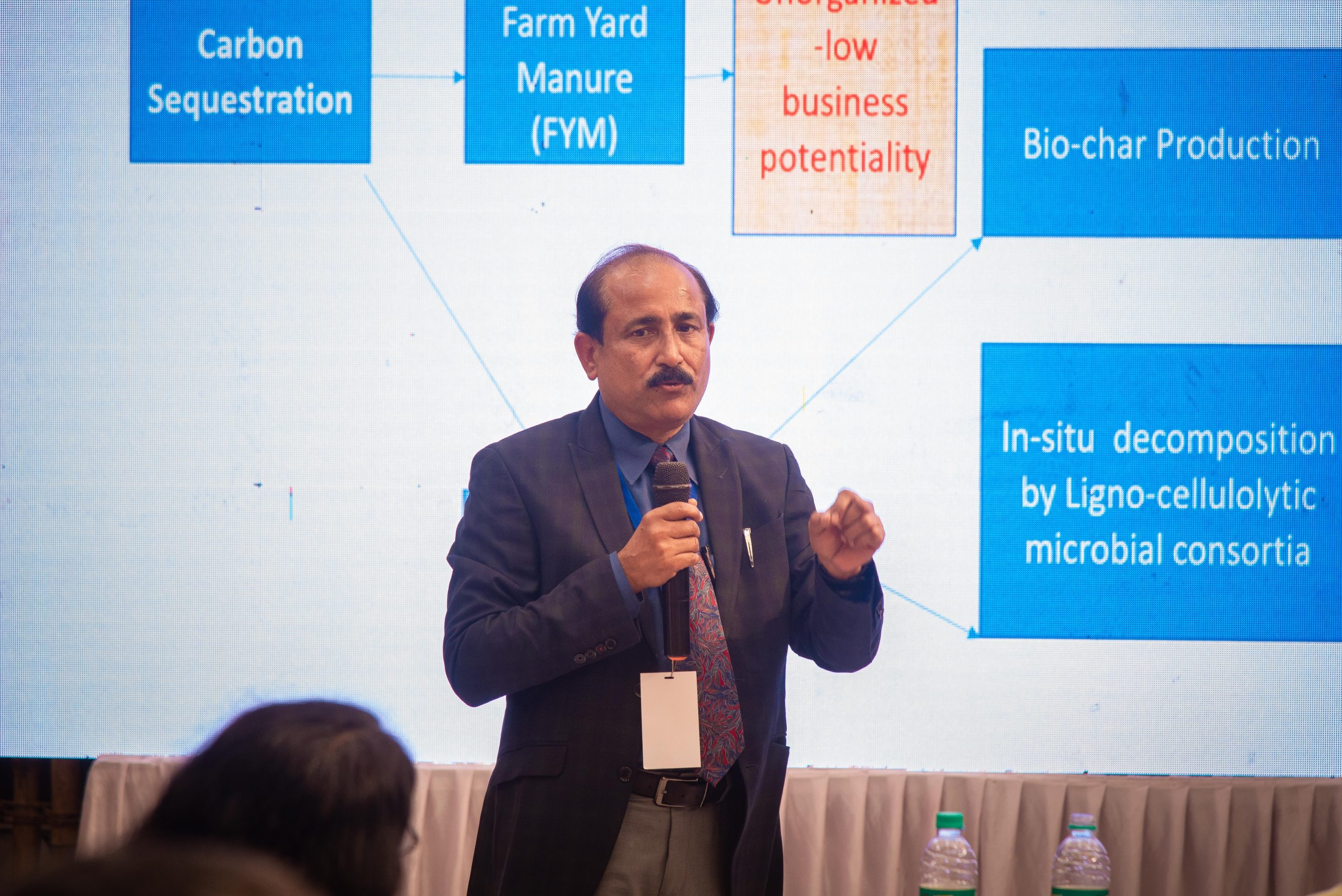
  1. Session on Regenerative Agriculture by Mr. Saumya Sen, Naandi Foundation

Mr. Saumya Sen started the session by citing that current agricultural practices contribute to 1/3rd of the total carbon dioxide present in the atmosphere. The session commenced with a role play, where people who are involved in the businesses concerning organic manures among the audience were asked to market their products to farmers. The discrepancy in price and marketing techniques that came out of the different pitches were highlighted as creating a hindrance of choice abundance to the farmer, whose decision is clouded instead of getting concretized with the obtained information. Mr. Sen, while stressing the importance of organic manure, asserted that soil regeneration with microbes following natural technique is the backbone of regenerative agriculture. He said that micro-biology has a crucial role to play in realizing the vision of regenerative agriculture. Soil regeneration with microbes explores how intelligence is embedded in soil over time and space and it is by capitalizing on this cyclical world chain, the extant agricultural landscape can be transformed into a sustainable model.

Discussions

Faculty of Bidhan Chandra Krishi Vidyalaya – Dr. Niharendu Saha – Dr. Saha started with an approach different from Mr. Sen’s. He stressed on the importance of external nutrients, which are crucial for soil regeneration. He identified soil as the major input for production, as the key element sustaining life on earth. According to him, soil regeneration means putting the vitalities back to the soil on a continued basis. Dr. Saha identified the importance of external nutrients and organic compost in soil regeneration. He advocated in favour of organic compost in retaining soil moisture, thereby making agricultural activities water effective. According to Dr. Saha, if the entire process of soil regeneration rests solely on microbes, then it will put undue pressure on soil nutrients, often leading to soil degeneration, instead of regeneration.

Please refer to this link to know more about the discussions and resolutions – https://www.youtube.com/watch?v=YieY9GOXlQg

  1. Concluding Session – Way Forward

Mr. Amitava Bhattacharya, Founder Director, Contact Base and Prof. Ayan Banerjee, Dean of Students’ Affair, IISER and Director of RISE, IISER presented the way forward session. In this session, the role of entrepreneurship in sustaining activities of social value was stressed at length. This session identified entrepreneurship as a way forward to solve the problems of waste and come up with sustainable solutions. While Contact Base expressed its commitment with regard to community mobilization, RISE IISER confirmed their support in leading scientific innovations, created to solve the problem of waste in a time and cost effective manner. The workshop concluded with the promise of Dr. Nilimesh Roy Chowdhury, Chairman of Kalyani Municipality, who said that Kalyani will solve its solid waste problem in the coming 3 years and requested all the domain experts, local administrators and community representatives to form a network and come up with contextual mitigating solutions.

From Local Marvel to Global Stage: The Journey of Chhau Dance Artists from Purulia to Ostrava

Nestled in the heart of Ostrava City, Czech Republic, the Art and Life Festival v ulicích is an international multi-genre extravaganza that has been captivating audiences for over eleven years. Drawing more than 40,000 visitors each year, this festival is a melting pot of global artistry, featuring a rich and diverse program. From the infectious beats of jamming musicians and the captivating allure of street theatre to the rhythmic energy of drum parades and the wonder of science shows, there’s something for everyone.

A Cross-Cultural Partnership Begins

The collaboration between banglanatak dot com and Colours of Ostrava began in 2018, when Petra Hradilová, Managing Director of Festival v ulicích, Ostrava, and Zlata Holušová, Managing Director of Colours of Ostrava, attended the “Surjahan” World Peace Music Festival in Kolkata, organized by banglanatak dot com. In 2019, Raibenshe dancers, including two women performers, were invited to showcase their vibrant performance at the Art and Life Festival v ulicích, Ostrava. This exchange marked the beginning of a heartfelt and culturally enriching partnership, setting the stage for a shared journey of artistic celebration and cross-cultural dialogue.

A Journey of Discovery: From Purulia to Ostrava

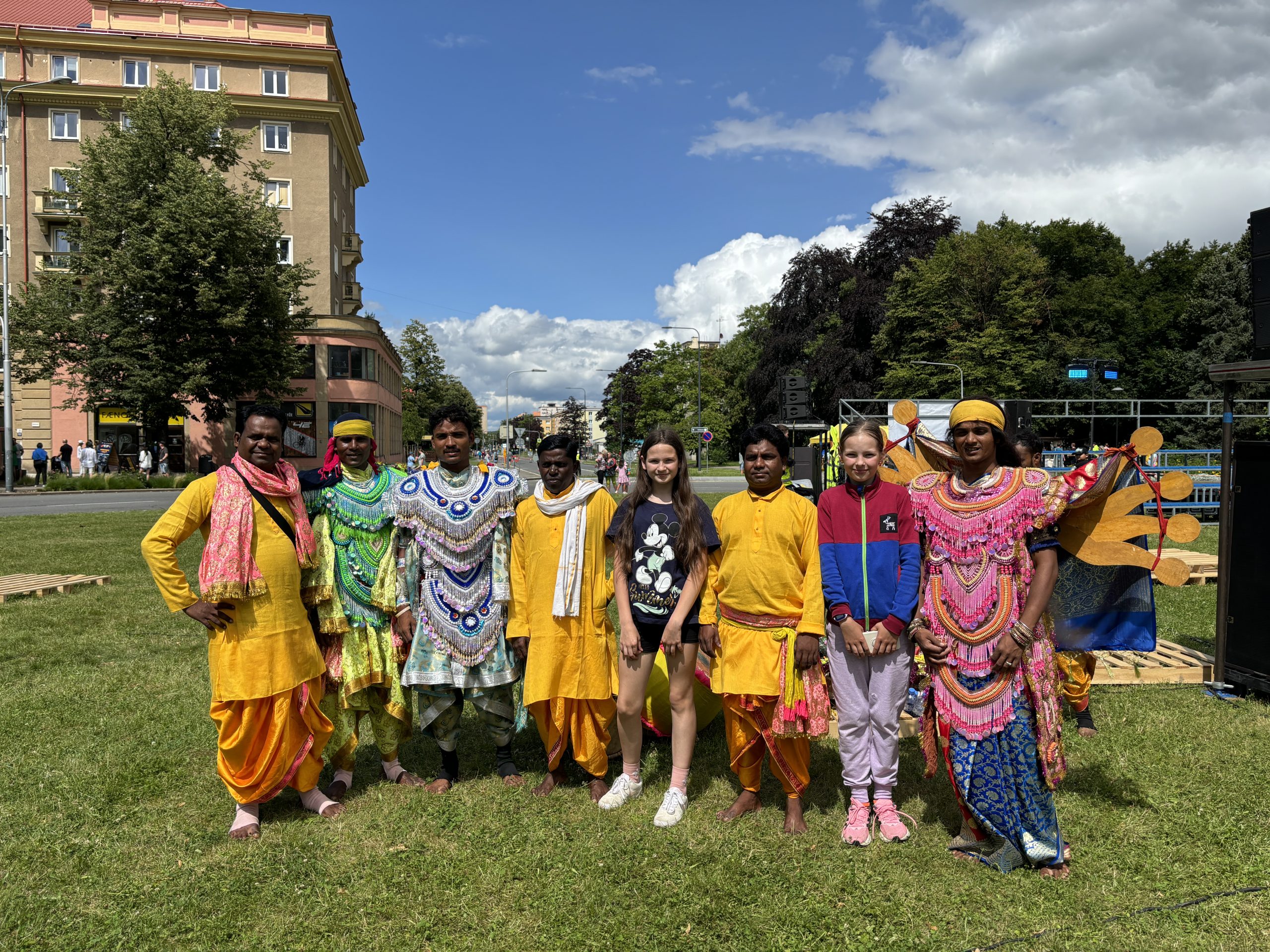
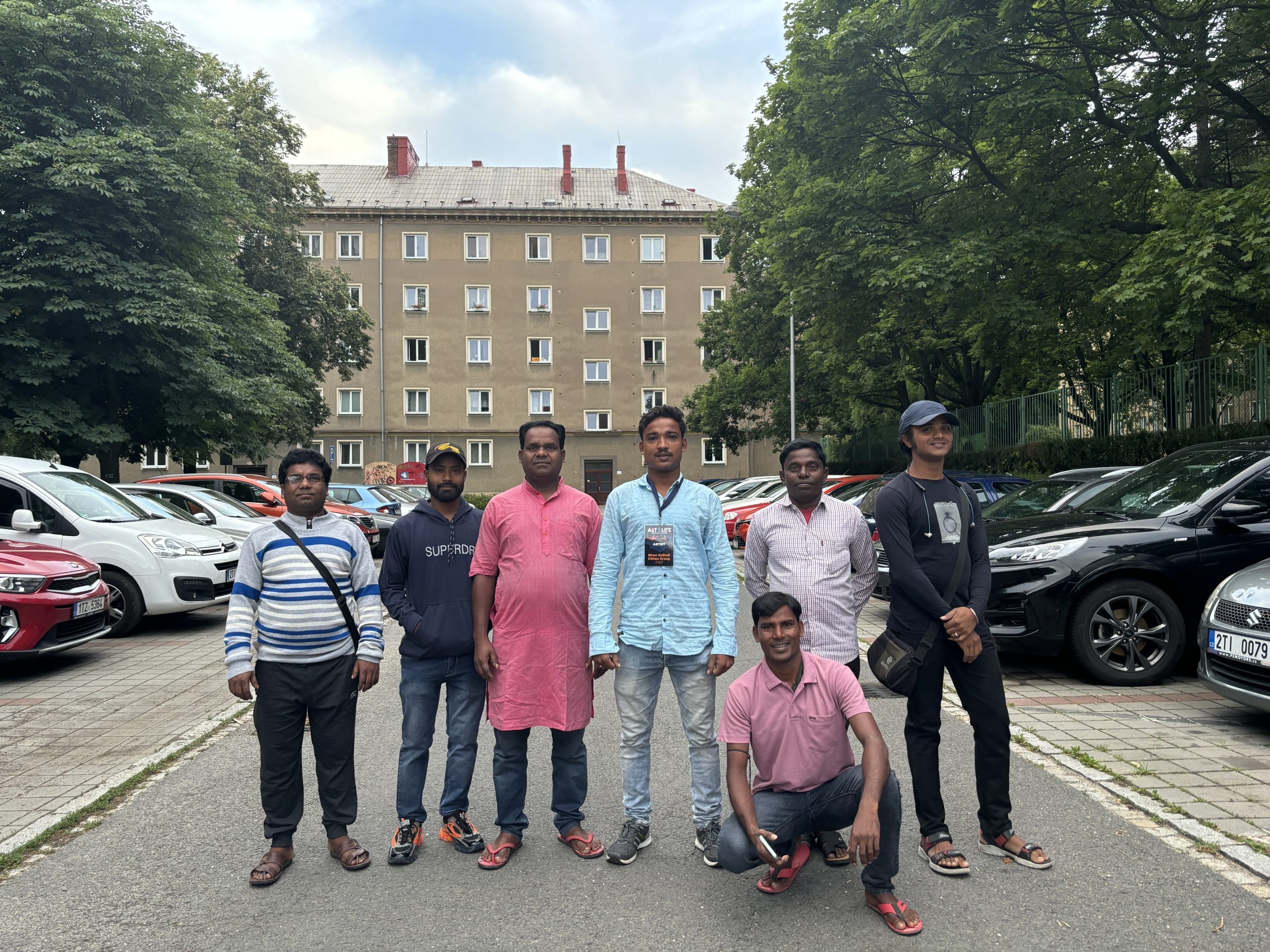
This year, the festival welcomed eminent Chhau artist Biren Kalindi and his team from Purulia graced its stage on June 21st and 22nd. For two young artists Nipen Kalindi and Uttam Mahato, marked their first international cultural collaboration, and their excitement was palpable. The journey to Europe, crossing two countries, ignited their curiosity about the places, people, agriculture, and cultures they encountered. Their minds buzzed with endless questions and wonder. The adventure began as they landed in Austria, their first taste of Europe, before embarking on a scenic four-hour journey to Ostrava, Czech Republic. Every moment of the trip was an enlightening experience, as they took in the picturesque villages along the way, comparing the similarities and differences to their own village in Purulia. The lush landscapes, the architecture, and the rhythm of life in these new surroundings were a source of constant fascination and inspiration.


Cultural Surprises and Culinary Adventures

It was also my first visit to Europe, and let me tell you, Ostrava, the third-largest city in the Czech Republic, gave me a nostalgic jolt of Kolkata with its shared obsession for football and trams. However, the food was a whole different ball game. The meals in Ostrava seemed like they were on a strict diet plan—balancing crabs, fats, proteins, and fiber—whereas in India, we just pile on everything! On the first day, our team faced a culinary culture shock. We are used to thefty servings of chicken and rice, but here, the portions of chicken and raw veggies seemed to be in a contest to see which could overshadow the rice and Indian bread. But as time went on, we started to embrace this new food adventure—perhaps even developing a secret fondness for those veggies! The surprises didn’t stop there. On the first night, we experienced the peculiar European phenomenon of a late sunset. At 9:00 pm, the sun was still hanging out in the sky, as if it had forgotten to check its own schedule.

A Captivating Performance: Chhau Dance Takes the Stage

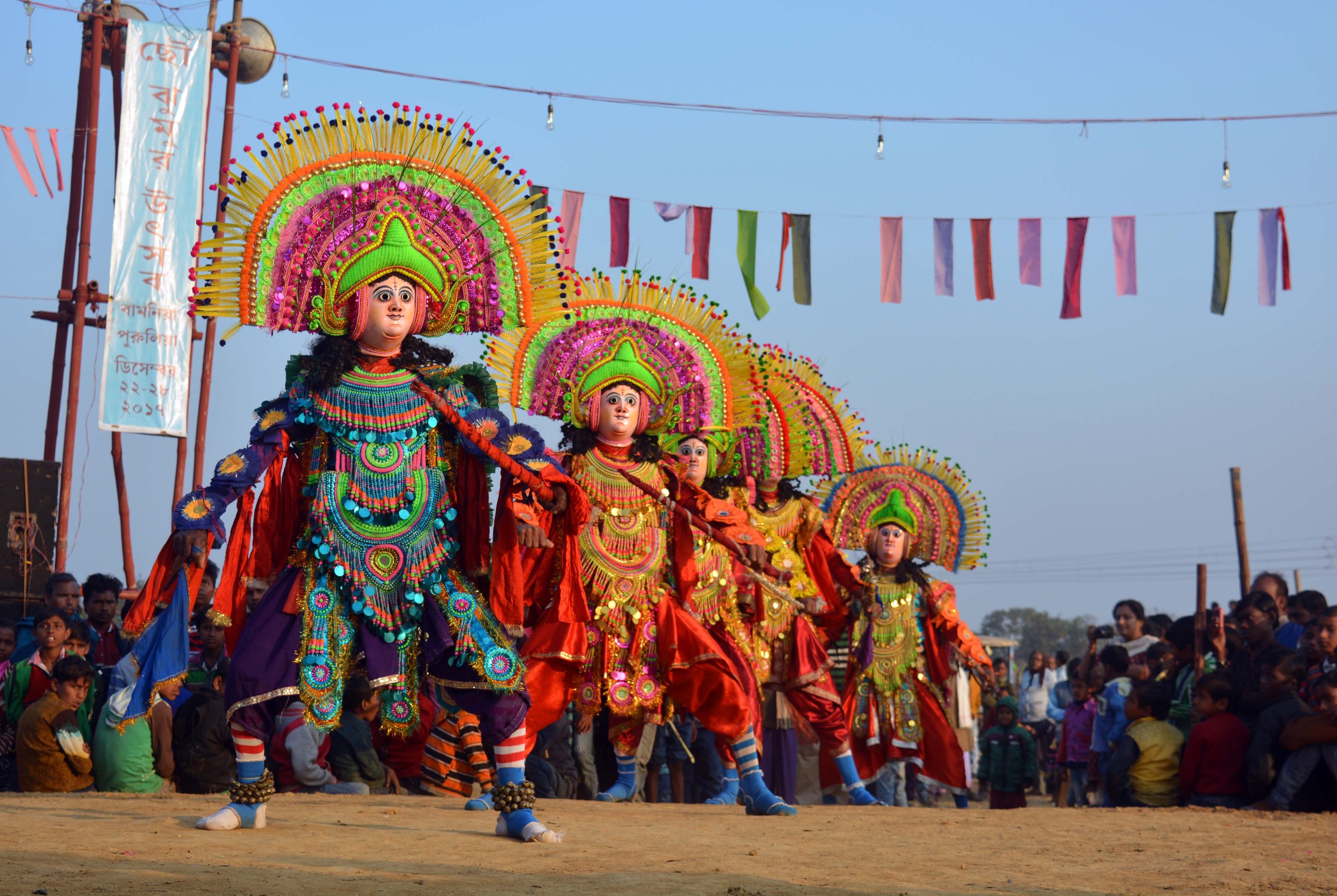
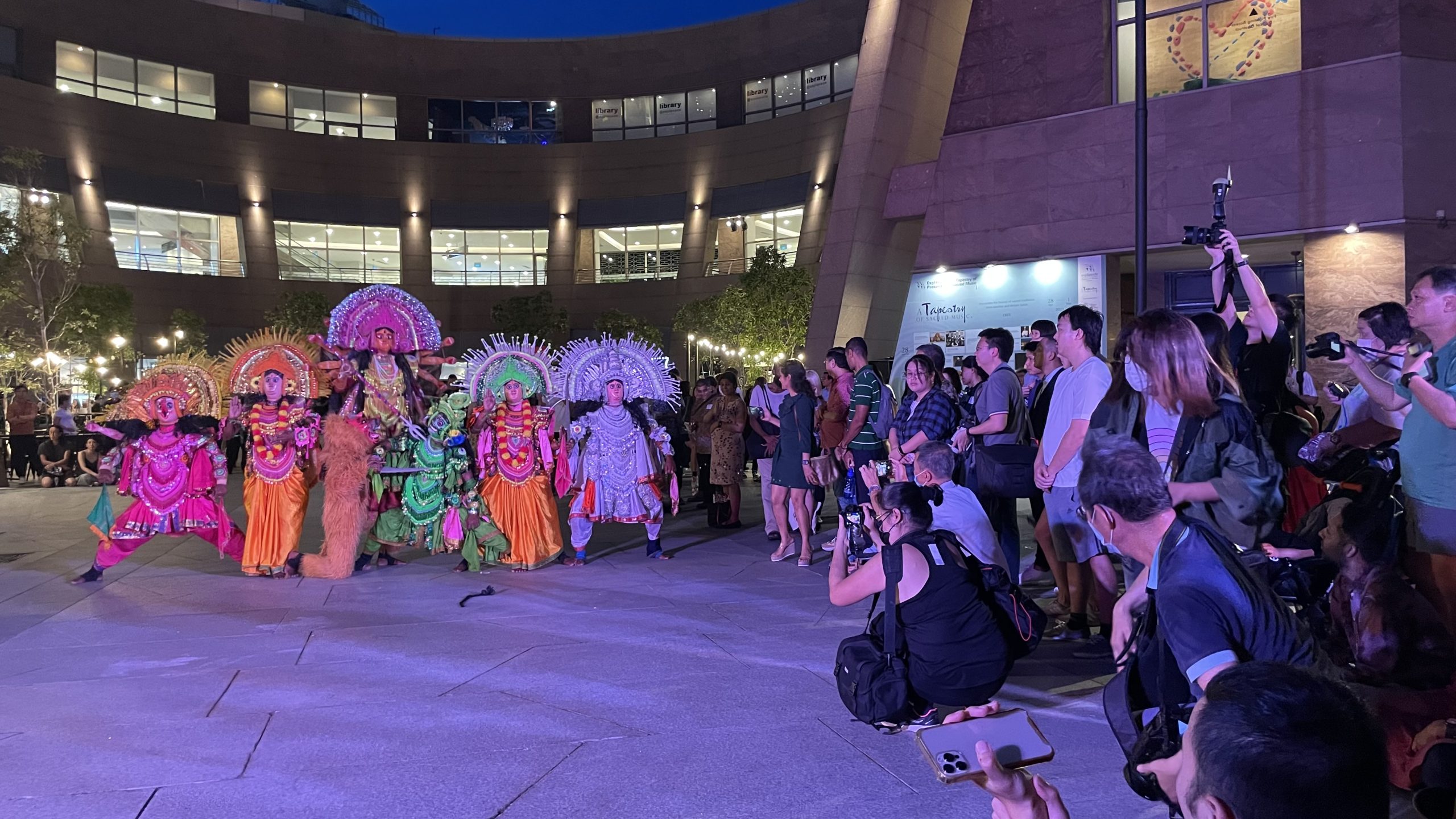
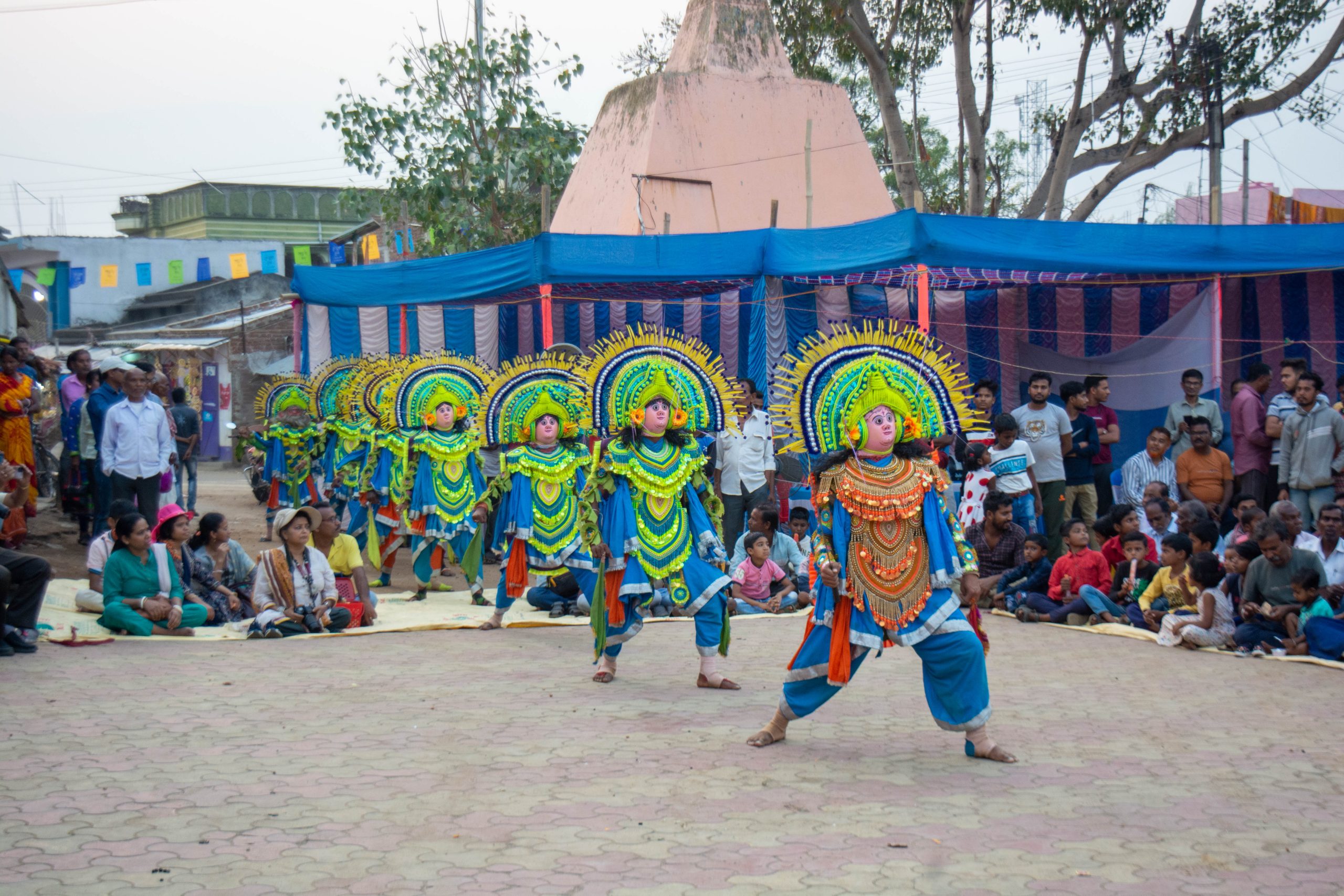
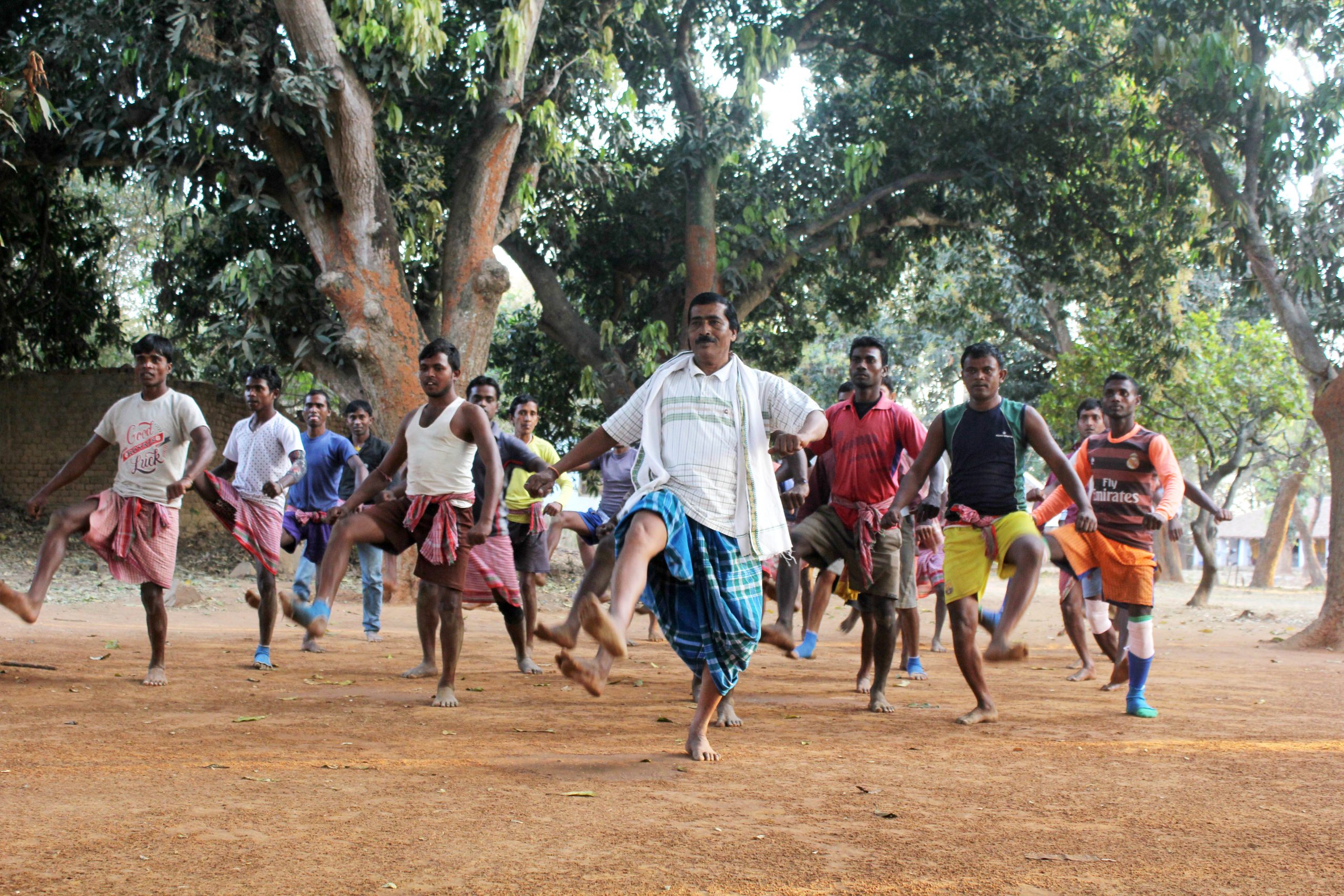
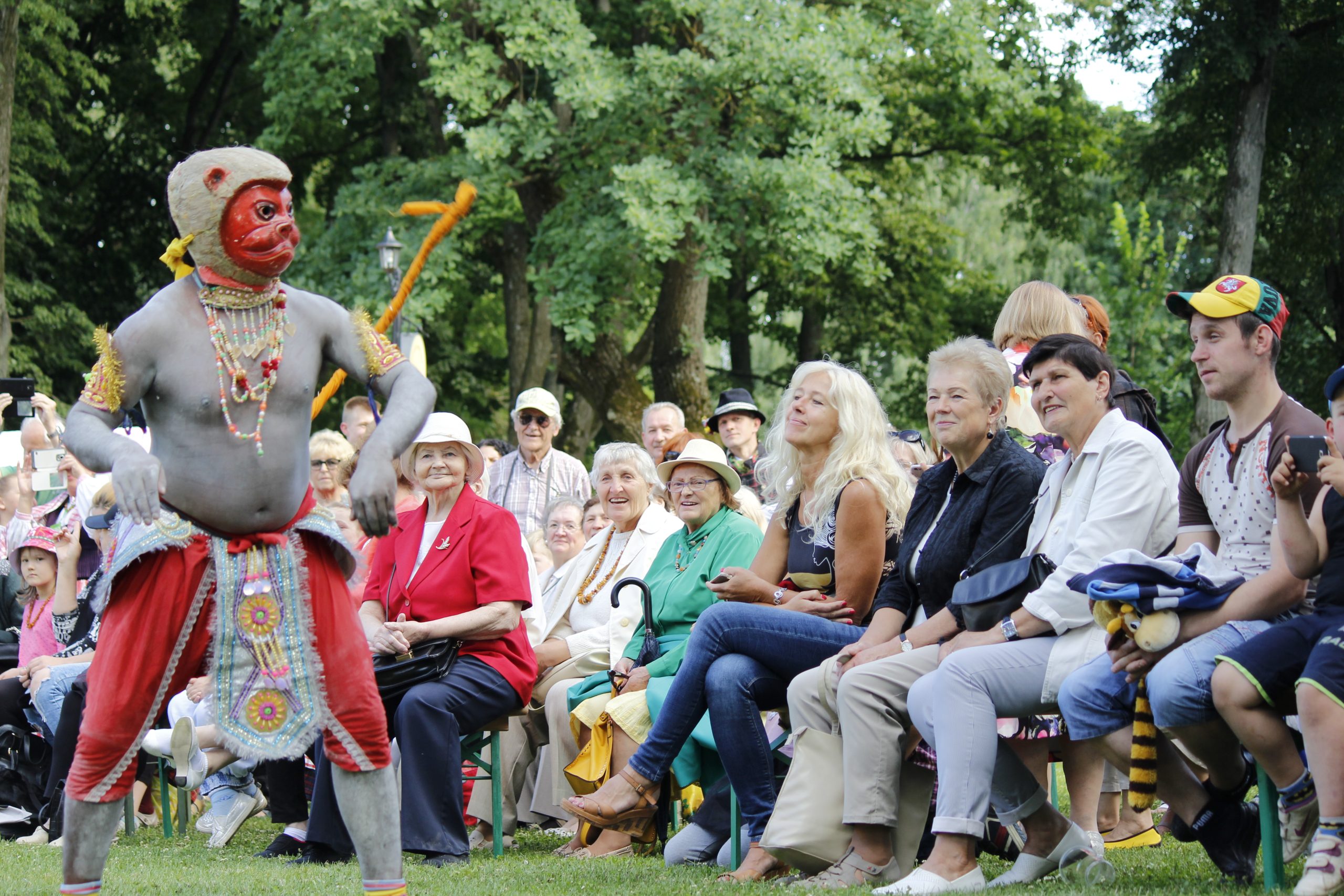
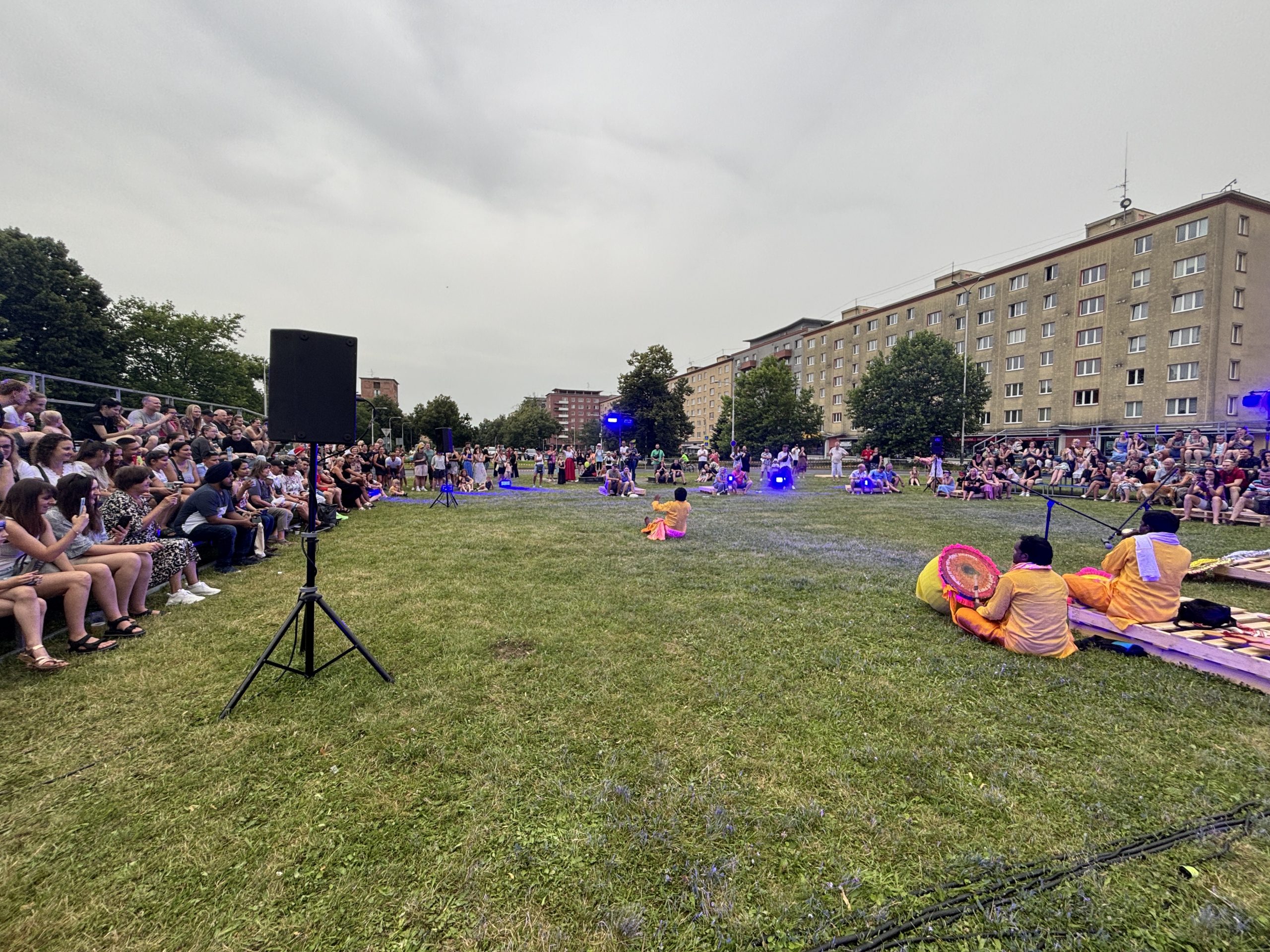
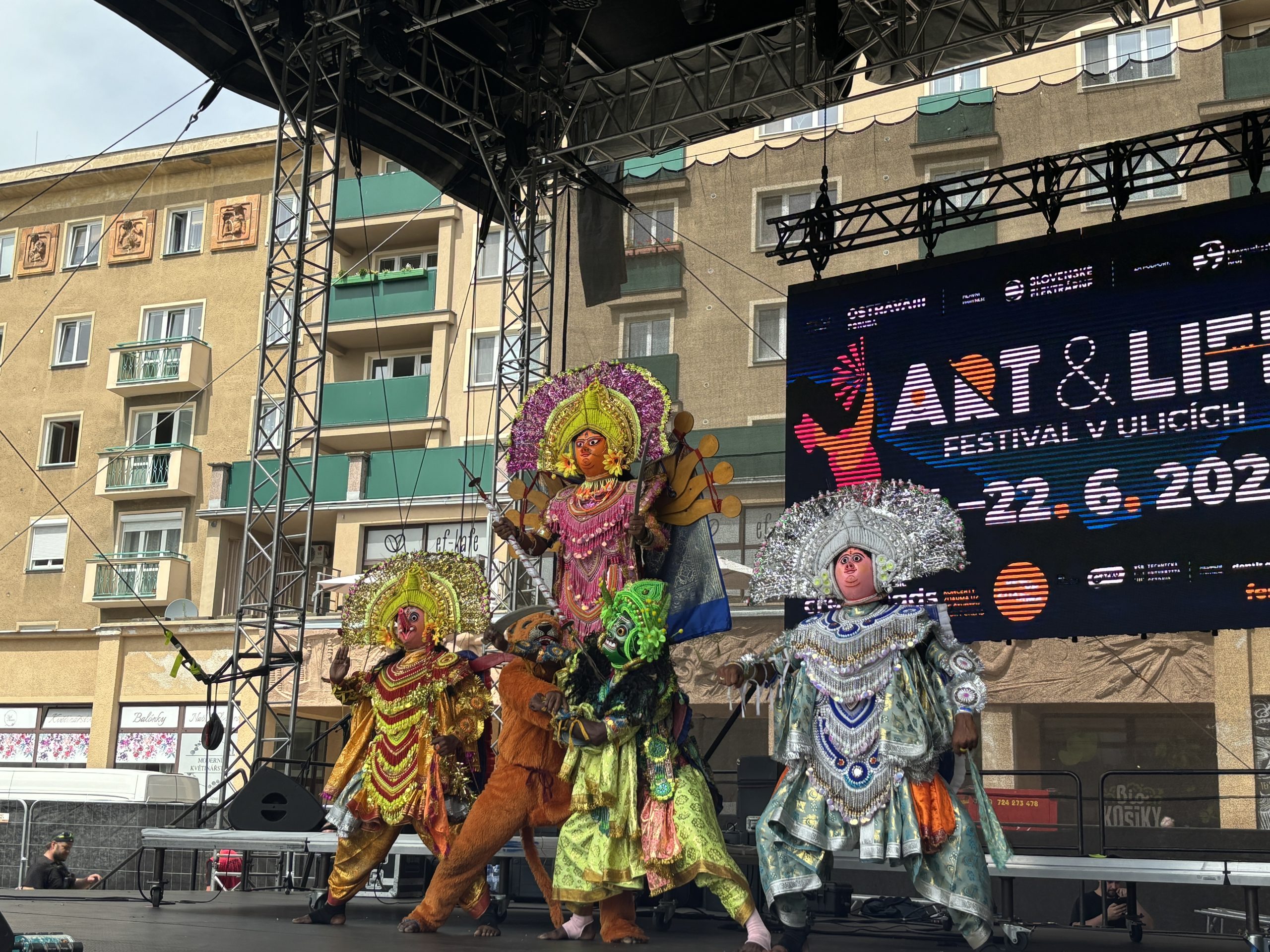
On the morning of June 21st, Biren Kalindi and team cheered each other on and prepared to ignite the festival with their performance as the second group on stage. As soon as they started their performance with the vibrant sounds of the Sanai, Dhol, and Dhamsa, the gallery quickly filled with eager spectators. The powerful beats of Dhamsa had the audience clapping along in perfect rhythm, creating an electrifying atmosphere. As the dance started, it was pure magic—every move had the crowd gasping and cheering, totally captivated by the dazzling masks and vibrant costumes. Over the course of two days, they took the stage eight times, bringing the epic tales of Mahishasura Badh and Narasingha Avatar to life. Each performance was greeted with cheers so loud they could probably be heard from space!

Global Pride and Cultural Unity

Some audience said that Chhau dance, an intriguing and culturally rich art form from India, added a magical touch to the festival. Indian spectators living there expressed their pride, saying, “We are very proud to see our Indian culture spreading all over the world and these traditional artists being acknowledged globally.”

The team returned to India with cherished memories of being appreciated for representing their country. It seemed that everyone they encountered in India—whether it was the person at the bank, fellow train passengers, or airport authorities—showed gratitude and respect upon learning about their purpose of visiting abroad. This demonstrated how our culture and traditions have the power to unite our country.

A Kaleidoscope of Culture: Reflections on the Experience

The experience of this entire trip was like a vivid festival where people from all walks of life came together to celebrate a rich mosaic of culture, music, street theatre, stand-up comedy, and crafts. It was as if we were all looking through a kaleidoscope of vibrant expressions! It became obvious that culture speaks a universal language. Its true magic is felt deeply and understood worldwide, proving that the beauty of human creativity and expression doesn’t need a translator—just an open heart.


From the Heart of the Artists: A Message from Biren Kalindi

“Performing in the Czech Republic was a great experience for our team. Sharing the rich heritage of Chhau dance with an international audience not only broadened our horizons but also highlighted the universal appeal of our cultural traditions. The warm reception and appreciation we received reaffirmed our commitment to preserving and promoting this art form globally.”

Biren Kalindi, Team Leader

A glimpse of the festival

Critical Analysis and Comparison of Banarasi Sari and Patachitra GI

by Benedetta Ubertazzi

Banarasi Sari

Banarasi Sari is a centuries old artisanal form of embroidered, hand-woven silk fabrics originating in Banaras, India. The community of weavers is divided into several categories, including own-workers, loomless weavers, job-work weavers and master-weavers. The Banarasi community has faced competition from weaving centres in India and China, as well as those who have been passing off machine fabrics as handmade. In order to compete, master weavers and traders resorted to unethical strategies such as reducing wages, lowering the quality of designs and passing off synthetic fibres as silk. A campaign for a GI started in 2006, and a GI was awarded in India in 2009.
Problems with the Banarasi Sari GI
The first problem is the lack of a broad-based community-wide support for the GI. The GI application was made by nine registered proprietors. These registered proprietors consisted of: two NGOs, two government agencies, two traders’ organisations and three producer cooperative societies. None of these groups represented the ‘ordinary weavers’, the NGOs worked with rural Hindu weavers, not the majority Muslim weavers, the government agencies were external to the artisan community, the traders’ organisations represented wholesale merchants not the job-work weavers, and the producer cooperative societies were under the control of large master weavers.
This first problem has two major consequences. One of these consequences is that because the GI applicants were not representative of the community of weavers, those controlling access to the GI were also not representatives of the community. Many artisans do not have the time or money to apply to have their work authorised and therefore could not access the GI. Those artisans would therefore legally infringe the GI if they call their work Banarasi. Another consequence is that the applicants designed the GI to protect handloom weavers from powerloom weavers. The impulse to protect handlooms comes from the applicants, not the weavers. This protective paradigm has had a freezing effect on the culture and does not change any of the structures that keep weavers poor.
A second problem is that the GI application is written in English and Hindi, not the local dialect spoken within the communities. This had an isolating effect on the community.
A third problem concerns the way the artisanal knowledge was described in the GI. Banarasi is a dynamic tradition made from a collective heritage and fluid traditions. The GI catalogues the method of production in great detail and consequently hurts the evolution of the product because it does not capture the true fluidity of designs.
Lessons from the Banarasi Sari GI
The key lesson from the Banarasi Sari GI is as follows: for GI to be effective, it must be designed through a participatory process with the close involvement of ordinary artisans and must be sensitive to the dynamic nature of artisanal knowledge. Even well designed GIs cannot address problems that arise out of the political economy of artisanal industries.
Other lessons include the importance of wide consultations among the community of artisans. This is important not only for the future controlling of access to the GI but also for developing the criteria of authenticity. Further, there may be space for a flexible approach to protecting the crafts. For example, a dual system could be used to protect Banarasi Sari: those using handloom technique could use a certification mark to distinguish their production method, while the GI could be expanded to include powerloom weaving from within Banaras. Finally, the GI needs to be coupled with a good trade policy to ensure that artisans can access raw materials affordably and are protected from those seeking to pass of their products
Patachitra
Patachitra is an ancient form of painting done on paper and manifested by rich colourful application, creative motifs and portrayal of simple themes. It is practised in several regions of India, with specific Patachitra styles originating in West Bengal and Odisha. An Indian GI for Bengal Patachitra was awarded on 28 March 2018 and is valid until 16 August 2026.[1] Another GI for Orissa Patachitra was awarded on 7 July 2008 and is valid until 8 April 2027.[2]
Similarities to Banarasi Sari
The Bengal Patachitra GI and Orissa Pattachitra GI are also quite specific in their description of the materials and methods of the tradition. It clearly states that the colours used in the paintings are natural colours and describes the dimensions of the paintings. The technical specifications have quite a high level of detail, for example the Bengal Patachitra GI states that there are no eyelashes, nails or open mouths. This could be seen as restricting the development of the craft. However, the lesson learned from Banarasi is not that all technical criteria should be removed, but that the technical criteria should be based on broad community consultation and reflect the actual practices of the artists. Some degree of definition of the craft is needed, however it must be approached carefully so as to not risk freezing a dynamic tradition. Furthermore, there is some recognition of changing practices. For example, the section on production processes notes that traditionally, rat hairs were used for paint brushes but that in the present day, artists use brushes that are available in the market.
Both the Bengal Patachitra GI and Orissa Pattachitra are written in English. Presumably, this has the same potential isolating effect on the communities as the Banarasi Sari GI. A solution may be to ensure that the documentation is translated into the local dialect and distributed among the community.
Differences to Banarasi Sari
Unlike Banarasi Sari, there was just one applicant for the Bengal Patachitra GI. The applicant is Chitrataru, a group comprising 230 artisans.  All Patachitra artists in Pingla are members of the collective Chitrataru. The main objective of Chitrataru is the preservation and promotion and capacity building of Patachitra artists. Chitrataru works closely with West Bengal Khadi and Village Industries Board to provide support for rural craft hubs. Similarly, the applicant for the Orissa Pattachitra GI is the Orissa State Cooperative Handicrafts Corporation Limited. This Corporation aims to effect co-ordination between handicrafts and other industries by suitable method such as enabling the artisans to manufacture articles required by other industries. This suggests that both GIs were the product of more widespread community consultation than the Banarasi Sari.
The inspection body for controlling access to the Bengal Patachitra GI is made of government officials, a representative of West Bengal Khadi and Village Industries Board and a representative of Banglanatak dot com. This may mean that that the criteria for assessing access to the GI is more reflective of the practices of the Patachitra community of painters.The Orissa Pattachitra is even more flexible. The inspection body for the Orissa Pattachitra is comprised of customers and retailers as there are no standard parameters set for the artwork.
For more information on the Banarasi Sari see Basole, Amit. (2015). Authenticity, Innovation, and the Geographical Indication in an Artisanal Industry: The Case of the Banarasi Sari. The Journal of World Intellectual Property. 18. 127-149.