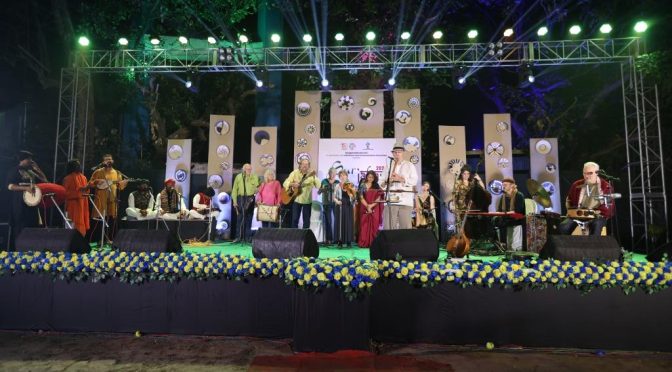
How a Music Festival Connects the World, One Folk Note at a Time
Before a single note is played, a folk song is already a profound act of preservation. It is a language of the soil, a story whispered across generations, embodying everything from shared labour to collective spiritual philosophy. The concept of ‘World Music,’ first coined in the 1960s, was a revolutionary act, an attempt to dismantle cultural hierarchy and celebrate difference by acknowledging the intrinsic value of every indigenous musical form.
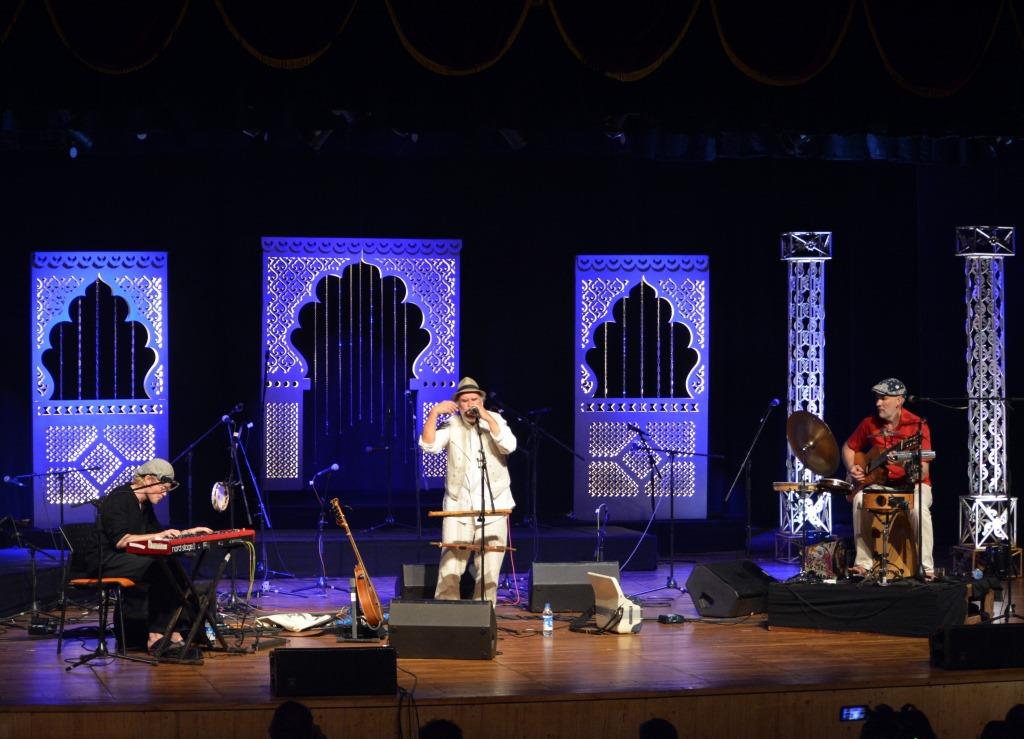
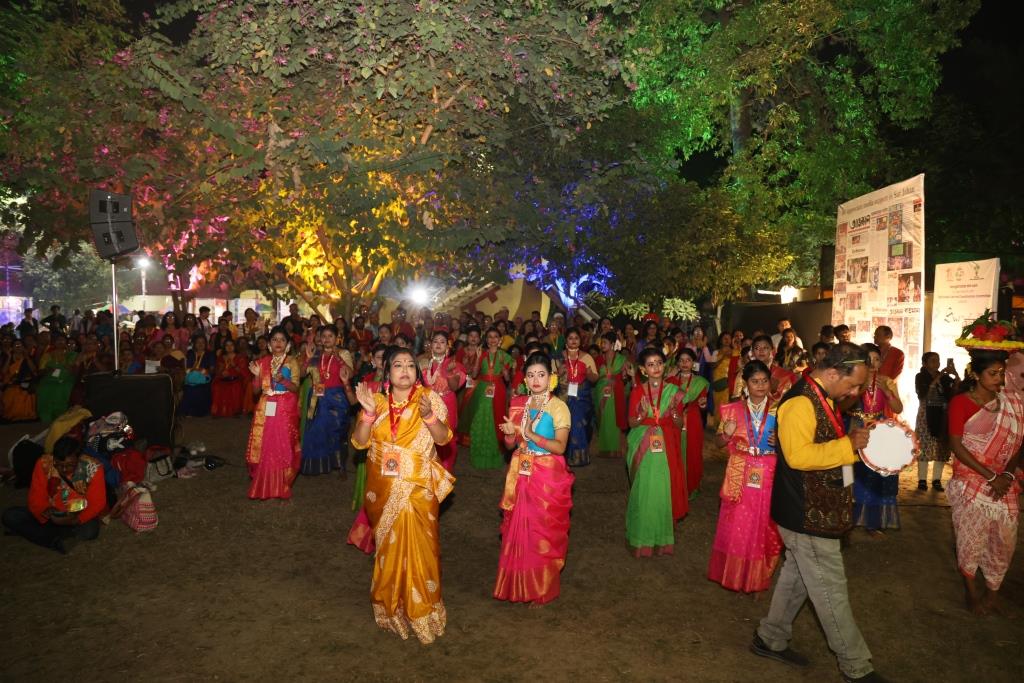
The 2025 edition, spanning three vital venues—Kolkata, Bannabagram Baul Ashram (Purba Bardhaman), and Goa—reaffirmed this commitment, bringing global melodies and local narratives into a powerful, necessary expression of unity.
The Secrets They Carry: Stories of Heritage and Ingenuity
Sur Jahan excels not merely at staging performances, but at curating moments of genuine anthropological insight. In the 2025 workshops, the international musicians delivered cultural facts as compelling as their melodies.
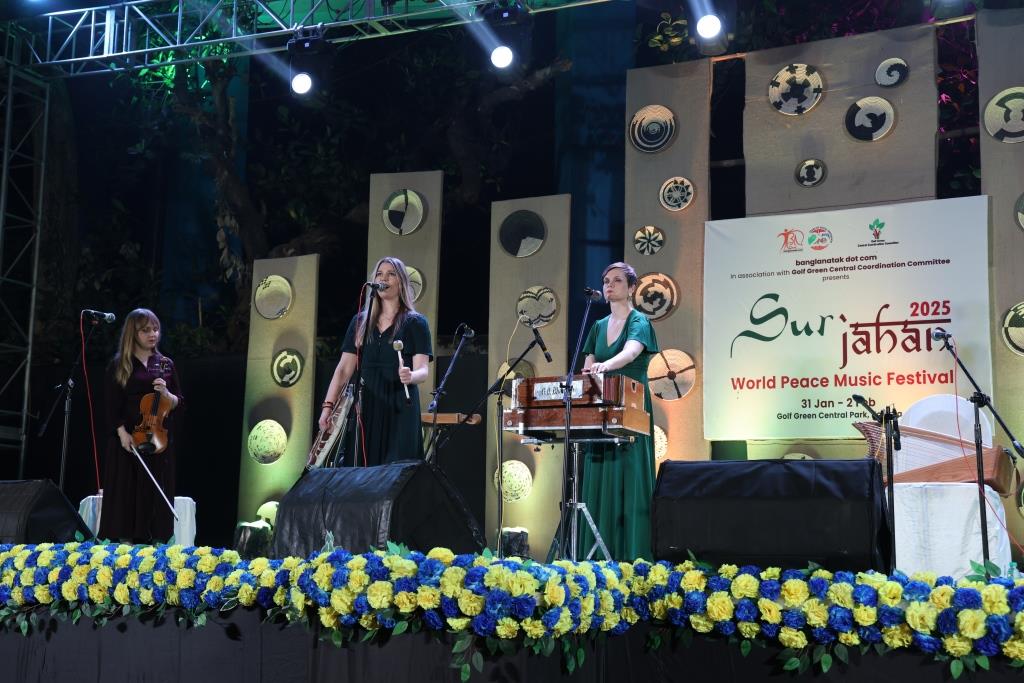
- Iceland’s Undiluted Heritage: The all-women ensemble, Umbra, offered a rare glimpse into the sheer durability of Icelandic culture. Due to their linguistic isolation, they shared that their people can still read manuscripts over 1,000 years old. Their music, therefore, is more than art; it is a direct continuation of a cultural timeline. Juxtaposed against this gravitas was the famously witty national proverb: “If you get lost in a forest, all you need to do is stand up,” a charming commentary on their vast, open landscapes.
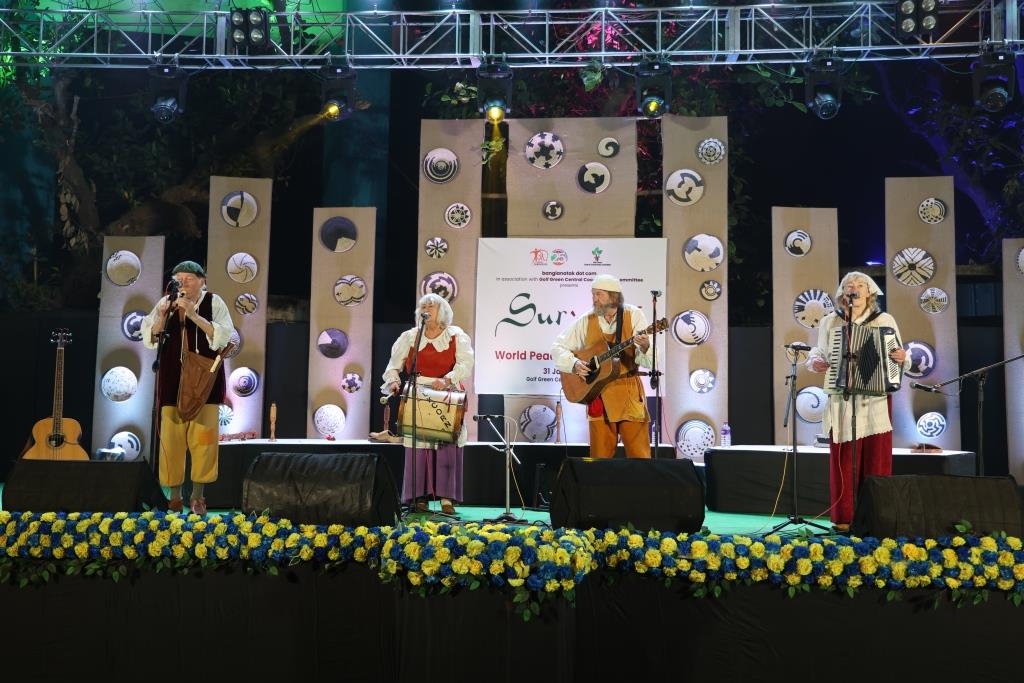
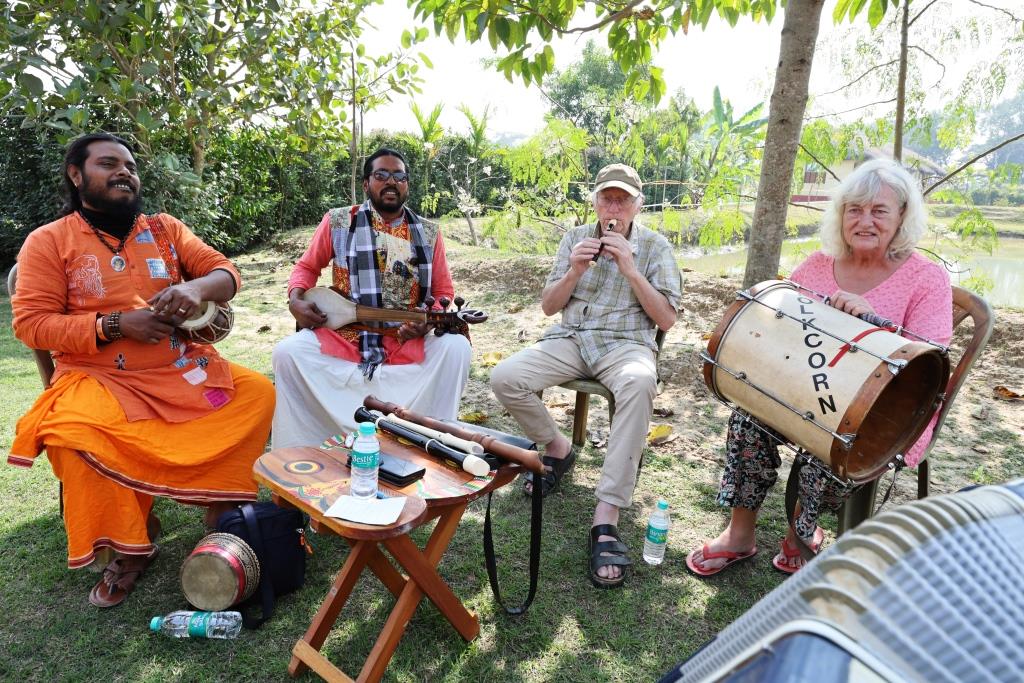
- The Netherlands’ Working-Class Rhythm: The 50-year-old Dutch ensemble Folkcorn showed us how necessity breeds genius. They transformed the ubiquitous wooden shoe, traditionally worn by the working class, into a rhythmic instrument. This “clattering shoe” is a powerful sonic monument—a rhythmic artifact that carries the echo of the labourer, turning a simple utility into an act of musical expression.
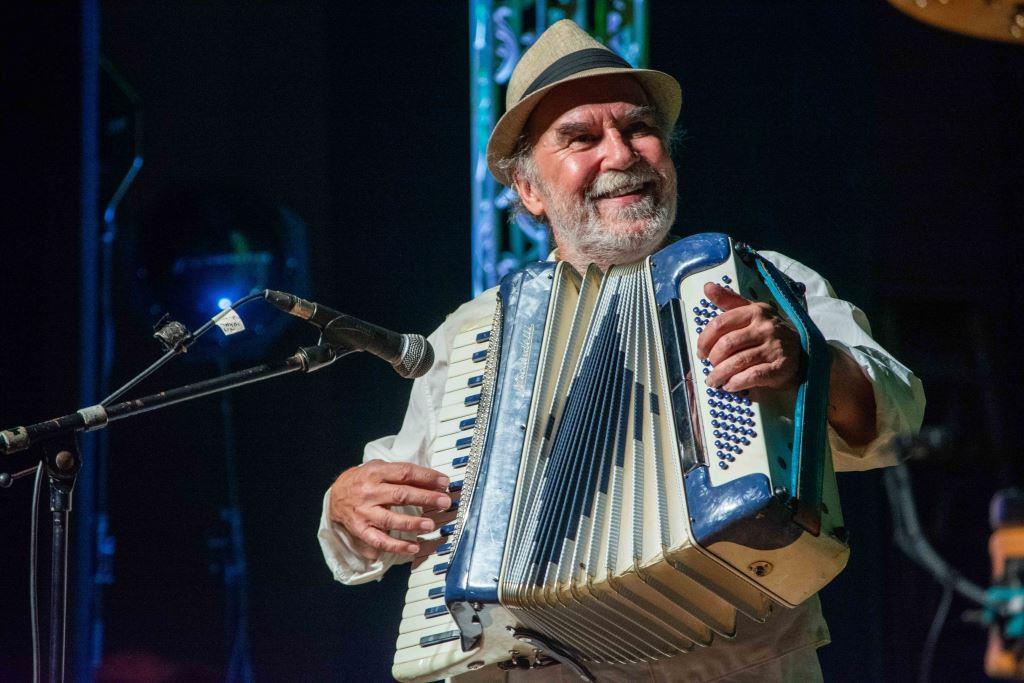
- Sweden’s Global Versatility: The Ale Möller Trio displayed the boundless adaptability of folk music. Ale Möller, known for his transformative work on Scandinavian folk, moved seamlessly between a mandolin and an indigenous cowhorn, demonstrating that the most ancient instruments can still lead contemporary musical discourse.
The Daytime Dialogue: Workshops and the Language of Instruments
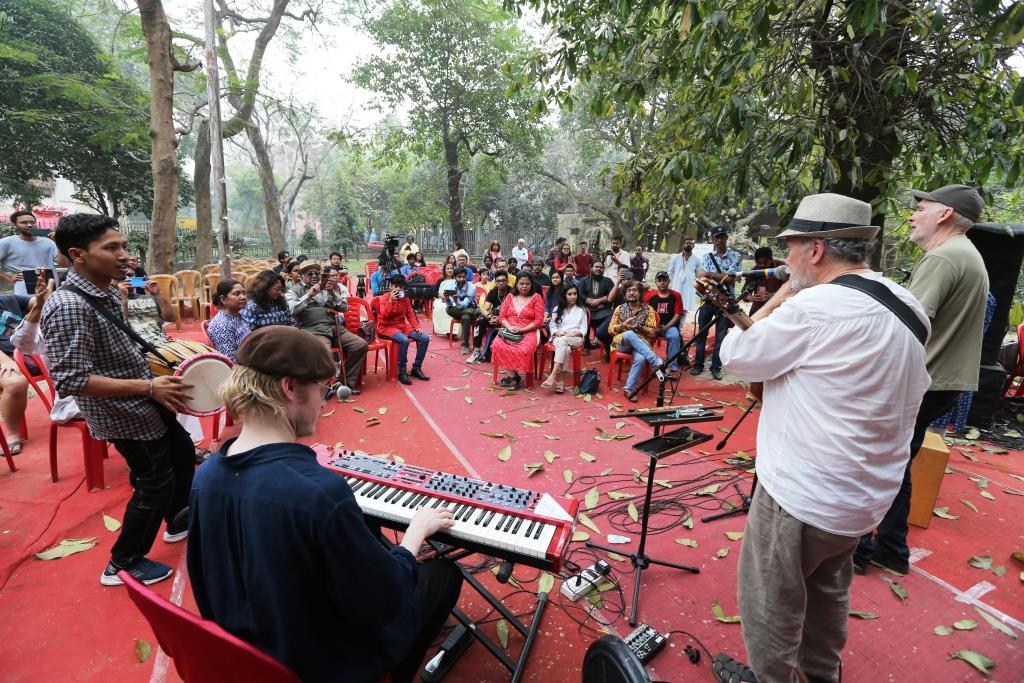
While the evening concerts provide the spectacle, the daytime workshops are the engine of true cultural exchange, upholding the principle that music is a conversation. These interactive sessions were specifically designed to make audiences, media, and participating artists aware of the deep history, instruments, and cultural context behind the performances. This is the mechanism through which the “stories of the soil” are transmitted.
The 2025 workshops were a masterclass in global cultural heritage, offering rare insight into instruments and traditions seldom seen together:
- The Icelandic Storyteller: Attendees were introduced to the Langspil, Iceland’s most important original stringed instrument. Traditionally played horizontally, often in old turf houses while stories were told, the Langspil holds a vital place in Iceland’s vocal and storytelling traditions. Its sound, like its history, reflects the country’s challenging environment and long isolation.
- Dutch Ingenuity and the Rommelpot: The Netherlands workshops showcased the history of music for the working class, particularly focusing on instruments made from inexpensive materials. A highlight was the Rommelpot, a traditional instrument made from wood and often a pig’s bladder membrane, which produces a distinctive vibrating sound when a stick is pulled through it—a brilliant example of folk innovation.
- Preserving the Mother Tongue: Beyond the instruments, the workshops underscored the importance of vernacular languages. For Iceland, where the language is spoken by only 400,000 people, learning about how they teach their children to read ancient texts demonstrates how linguistic uniqueness is protected through cultural practice. This shared dialogue celebrates the core essence of World Music: acknowledging and celebrating indigenous roots in all mother tongues.
The Rhythms of the Subcontinent: Celebrating India’s Roots
The 2025 edition was defined by its geographical scope, ensuring that the global exchange was rooted in India’s own stunning plurality.
1. Kolkata: The Grand Synthesis
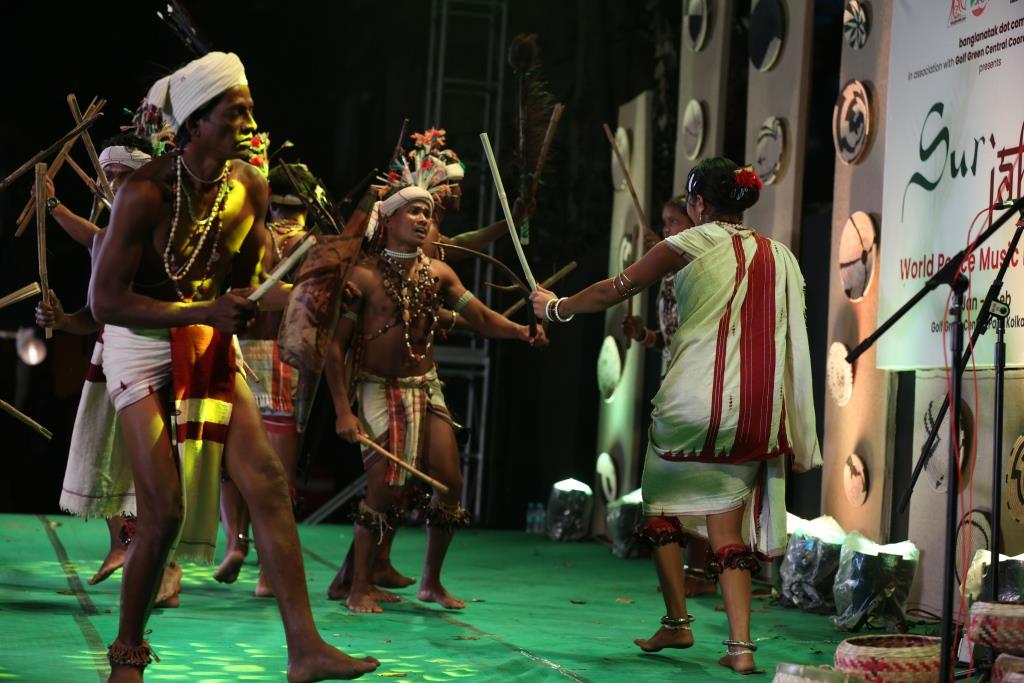
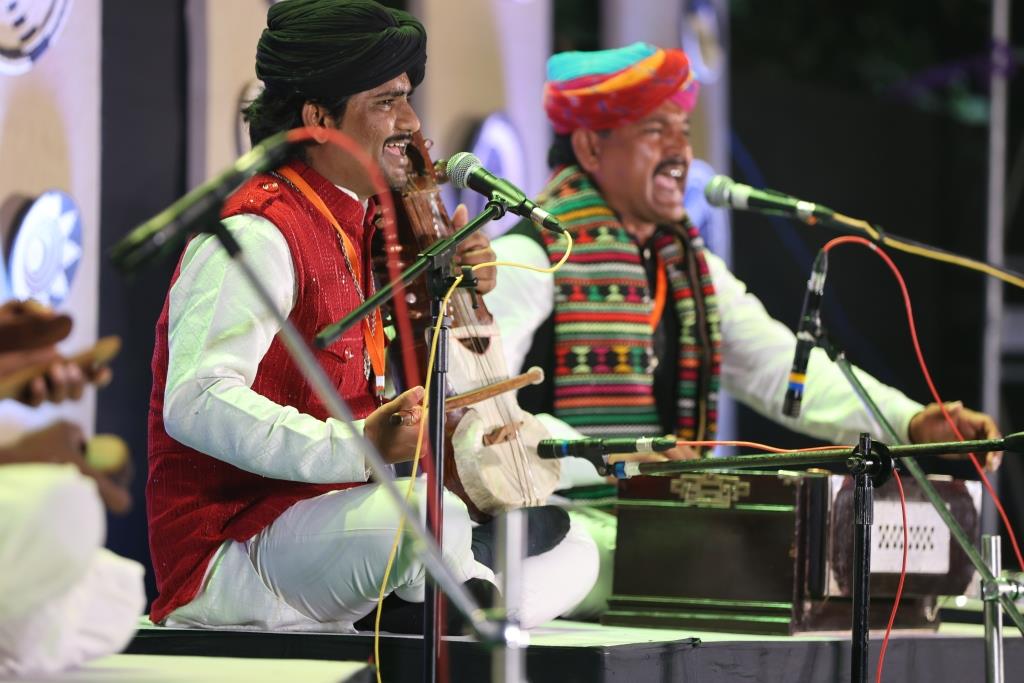
At Golf Green Central Park (Jan 31–Feb 2), the international bands met the deep traditions of the subcontinent. We saw the spiritual depth of Baul music (Kangal Khyapa), the desert soul of the Langa community (Kassam Khan Langa), and the vibrant stage debut of the Durua tribe from Odisha.
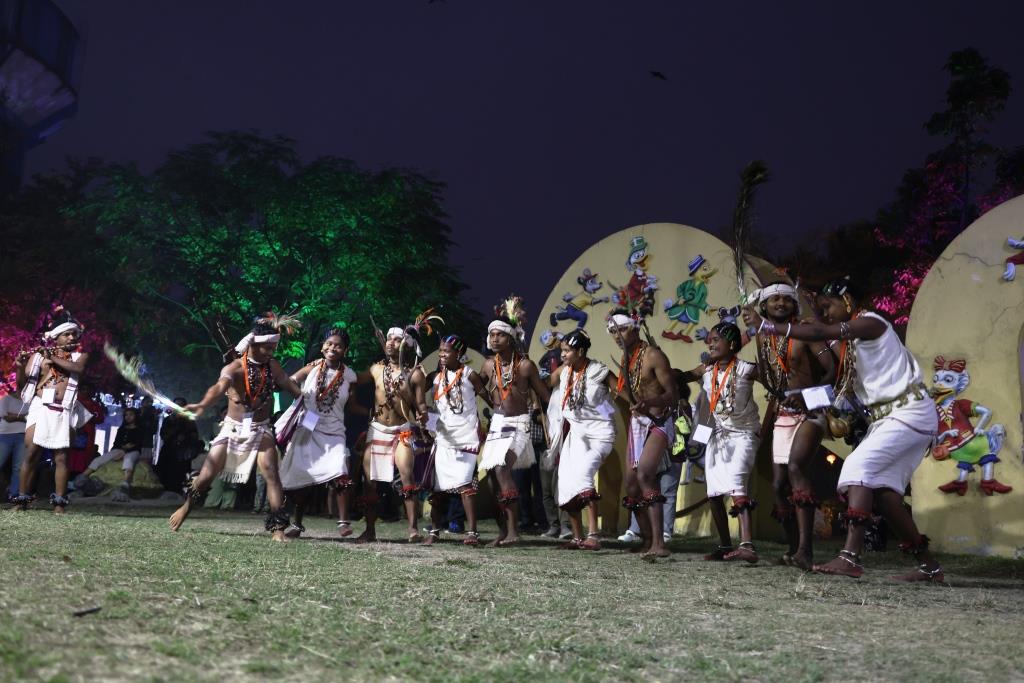
Crucially, the cultural showcase of traditional crafts provided a visual cross-reference to the music. The Kotpad handloom fabric of Odisha, the first product from the state to receive a GI tag in 2005, stands as a testament to the same rooted, time-honoured artistry celebrated by the Durua tribe’s songs—a material and aural heritage intertwined.
2. Bannabagram: The Baul Akhra
The event at the Bannabagram Baul Ashram (Feb 4) was a pivotal cultural synthesis. This venue served as a collaborative laboratory where the Swedish, Icelandic, and Dutch artists actively collaborated with the Bauls of Bengal. This unique fusion moment highlighted Sur Jahan’s commitment to active exchange, not just passive performance.
3. Goa: The Fado and Ghumat Convergence
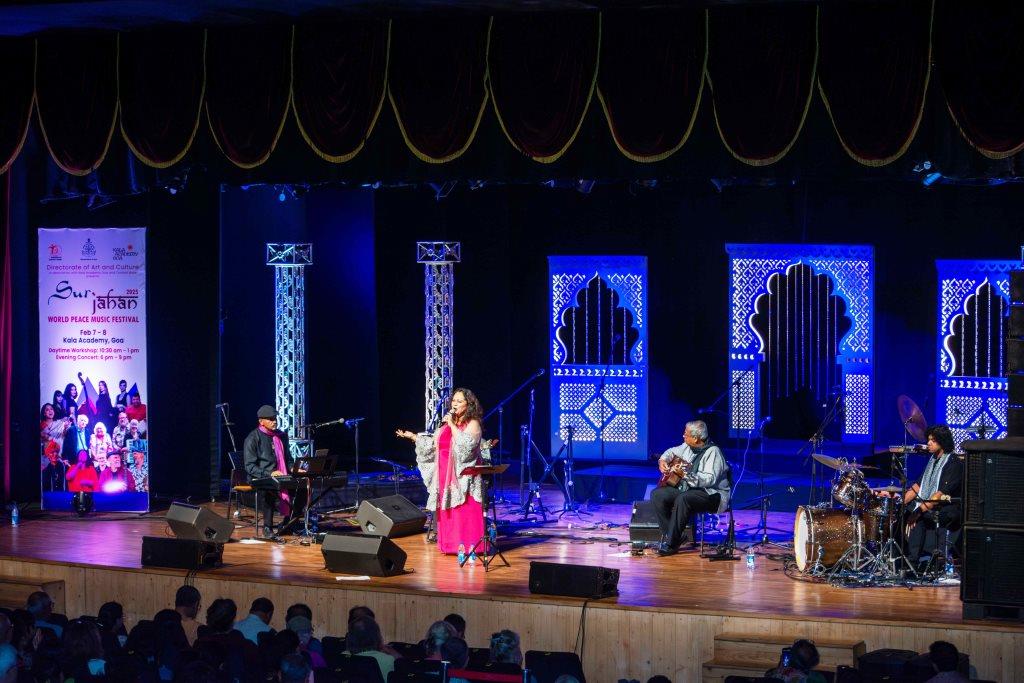
The finale in Goa (Feb 7–8), held at the Kala Academy in partnership with the state’s Directorate of Art and Culture, offered a coastal cultural exchange. The international ensembles were joined by Goa’s own champions:
- Sonia Shirsat: The acclaimed Fado singer, whose voice carries the poignant history of Goan connection to Portuguese musical traditions.
- The Ghumat Project: An initiative that foregrounded the Ghumat, Goa’s traditional percussion instrument, blending it into contemporary rhythms.
- Habib Khan and Sadiq Khan Langa: Bringing the continuity of Rajasthani folk to the coast.
This gathering of sounds, from the vocal traditions of Iceland to the rhythmic pulse of the Ghumat, demonstrated that music is the ultimate connective tissue, drawing over 10,000 attendees into a celebration of cultural diversity and peace.
The Echoes of the Future: Sur Jahan 2026
The dialogue continues. Sur Jahan (which evolved from the festival Sufi Sutra) has already hosted bands from 34 countries since its inception, and the 2026 edition promises new cultural horizons.
Set for Kolkata and IIT Kharagpur, the festival will introduce new voices from Latvia (a first-time participant), alongside bands from Spain, Hungary, and Denmark. What’s particularly compelling is the conscious evolution of the festival’s curation: 75% of the international participating musicians in 2026 will be women. This statistic is more than a number; it’s a forward-looking statement on the future of folk music, ensuring that the powerful and essential female voices of global heritage are heard, respected, and amplified.