Key Takeaways-
How is tourism changing, and in what ways is it working with culture and communities?
How can indigenous groups learn from global best practices while also being aware of the pitfalls of cultural tourism?
These were some of the key questions explored at the International Webinar on the Future of Cultural Heritage Tourism: A Responsible Approach, held on March 11, 2025. The webinar was one of the highlights of the project, ‘Documenting and Safeguarding the Intangible Cultural Heritage of Nagaland’, by Contact Base supported by German Consulate, Kolkata. Voices of tourism stakeholders, leaders, curators, policymakers and academicians from Nagaland, Europe and beyond came together for this webinar, to discuss a responsible approach including, UN Tourism’s vision for cultural tourism, diverse community tourism practices from WINTA, and good practices from the ‘Living Journeys in Europe’ project, and local perspectives from Nagaland. The discussion focused on the importance of community leadership and indigenous heritage in cultural tourism, emphasizing sustainable practices.
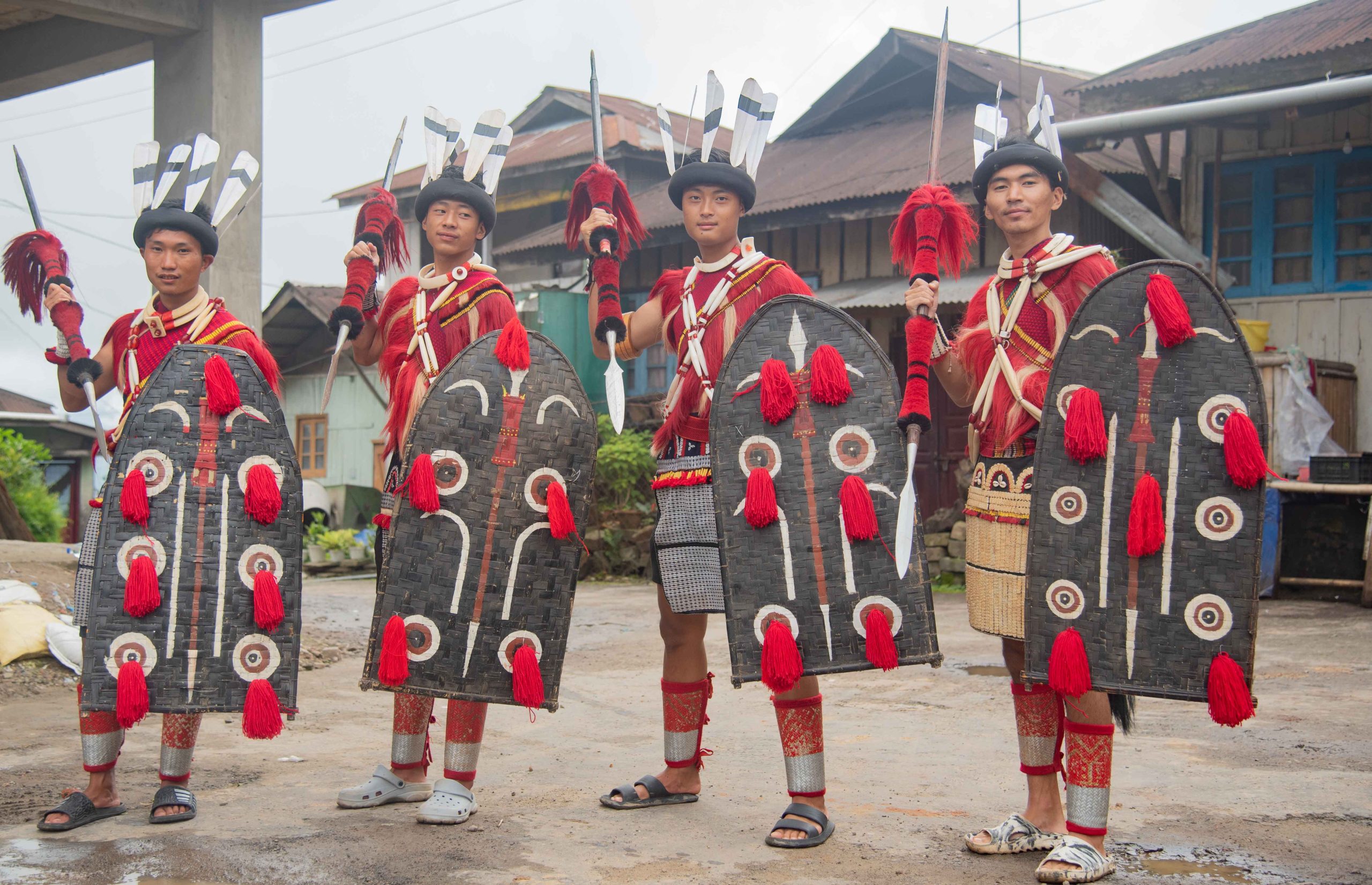
The webinar was introduced by Madhura Dutta from Contact Base, stating the main tenets of responsible cultural tourism and sharing findings and good practices from Nagaland that demonstrate community led cultural tourism experiences including community museums; unique initiatives of heritage practitioners championing safeguarding and promotion of their own cultural assets; and village based cultural tourism initiatives showcasing heritage icons of ethnic identities, local cuisine and other ICH forms. Strategies of good tourism were also presented in terms of village-based community led governance, participatory management of local landscapes, and effective use of GI for promoting local tourism. Setting the context to the webinar was followed by the active deliberations of the speakers. Watch the session. (here)
Sharing Global Perspectives: Tourism with Indigenous Leadership Igor Stefanovic (Technical Coordinator of the Ethics, Culture, and Social Responsibility, UN Tourism) reminded that cultural tourism cannot thrive without equity. Indigenous communities, he stressed, must not only be included but lead tourism initiatives. He urged governments and stakeholders to create legal frameworks, invest in skills, and support Indigenous entrepreneurs. He reminded everyone of the 2007 UN Declaration on the Rights of Indigenous Peoples, a cornerstone that insists on respect, dialogue, and fairness. “Tourism mustn’t just be about numbers,” he urged. “It must be about dignity.” He drew examples from across Asia and the Pacific, where Indigenous communities had built their own paths forward—protecting biodiversity, creating governance structures, and reviving cultural practices—all while welcoming visitors on their terms. He proposed a holistic approach to Indigenous tourism that involves strengthening local economies by ensuring indigenous leadership, and equitable benefit-sharing while advocating for preservation of cultural practices. Listen to his insights here.

Jean-Philippe Le Moigne (World Indigenous Tourism Alliance) spoke of Indigenous tourism codes of ethics in Dominica and Chile, where local ownership and cultural authenticity are central. He emphasized multi-stakeholder partnerships, action plans, and training to take Indigenous tourism to global markets without losing its essence. He spoke of the Larrakia Declaration (2012), a guiding light that places Indigenous control at the core of tourism. He stressed the need for training local communities, developing a clear action plan, and using international partnerships to promote these cultural experiences to global markets. This approach would help ensure that Indigenous tourism practices are sustainable, respectful, and economically beneficial. Here is what he shared. Click to listen.
Tamara Nikolić Đerić (Senior Curator of the Ethnomuseum-Association, House of Batana, Croatia) shared learning from European initiatives like Italy’s Tocatì Festival Belgium’s Carillon Culture, Sweden’s Storytelling Network of Kroneborg, and Poland’s Nativity Scene tradition. She discussed the Mediterranean Diet pilot in Rovinj-Rovigno, where the Ecomuseum Batana plays a role in preserving traditional food practices. She addressed challenges like over-tourism, regulatory constraints, and identity loss, while also pointing to opportunities in stakeholder collaboration, traditional food promotion, and quality service enhancement. Click to listen her full talk.
Nagaland Speaks: Festivals, Forests, and Futures From within Nagaland, three distinct voices carried lived realities:
Thangi Mannen, who once served as Tourism Secretary, looked back to the first Hornbill Festival in 2000. From a modest local event during its inception at Kohima Local Ground, it has grown into a global stage. The sight of a log drum pulling ceremony or the sound of the beating log drum have now been witnessed by thousands. While talking about the responsible approach Mannen talked of a balanced tourism model that promotes cultural heritage while ensuring the conservation of biodiversity. She suggested that sustainable tourism should protect both the cultural and natural environments of Nagaland, ensuring long-term benefits for the local communities. Here is her complete talk.
Veyielo Doulo, now the state’s Director of Tourism, shared both achievements and challenges. Nagaland has prioritized tourism as a key sector under its State Industrial Policy (2000), attracting around 125,000 domestic tourists and 2,000–5,000 foreign visitors annually. He talked about the state’s vision on cultural preservation, green tourism, and economic empowerment of local communities through initiatives like, Swadesh Darshan & PRASHAD, community-based tourism (homestays, handicraft workshops), and digital marketing strategies. He shared about the Inner Line Permit (ILP) system which regulates entry to protect local traditions. He also mentioned the persisting challenges like infrastructure gaps, limited training opportunities, and environmental concerns. Still, places like Khonoma Green Village stand as living proof that green tourism is possible. Explore the perspective of Nagaland’s Tourism Director. (https://youtu.be/mmWE6SvQ2pg)
Limalenden Longkumer, Convenor of the Mopungchuket Tourism Board, told the story of his ancestral Ao village, Mopungchuket. It is home to one of Nagaland’s oldest museums and libraries, but what makes it remarkable is its people’s will. From setting up a community-reserved forest to pioneering waste management, they’ve been carving their own model of community-led tourism since 2001. Limalenden called for multi-stakeholder support to enhance upskilling, economic backing, and collaboration. He advocated for authentic experiential tourism that preserves heritage, boosts local ownership, fosters pride, and supports economic growth. Listen to his story here.
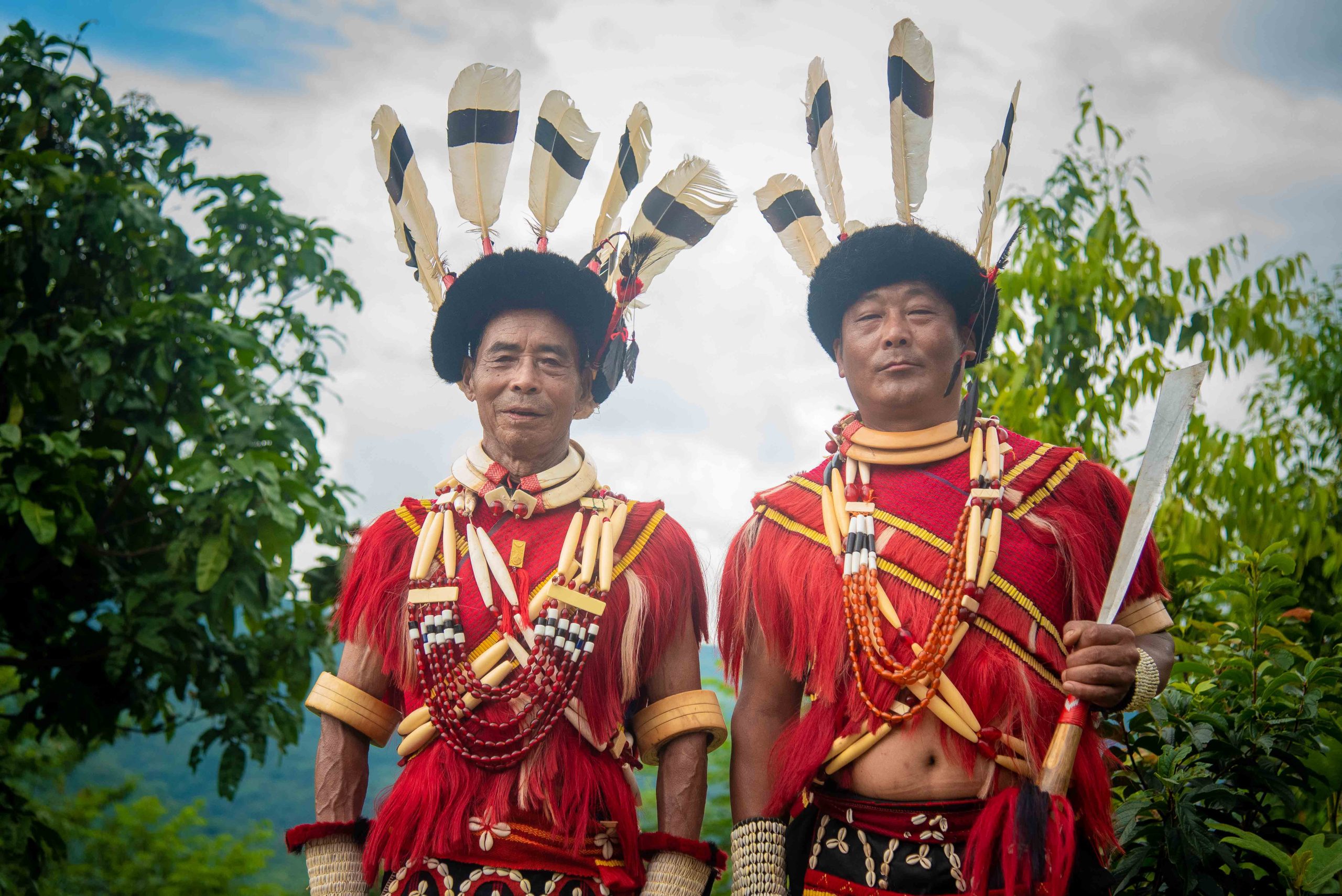
Limalenden Longkumer, Convenor of the Mopungchuket Tourism Board, told the story of his ancestral Ao village, Mopungchuket. It is home to one of Nagaland’s oldest museums and libraries, but what makes it remarkable is its people’s will. From setting up a community-reserved forest to pioneering waste management, they’ve been carving their own model of community-led tourism since 2001. Limalenden called for multi-stakeholder support to enhance upskilling, economic backing, and collaboration. He advocated for authentic experiential tourism that preserves heritage, boosts local ownership, fosters pride, and supports economic growth. Listen to his story here.
Prof. Rajindra Puri, Environmental Anthropologist at University of Kent, reminded everyone that culture is not just for visitors—it is also for children, for the next generation. Tourism, he argued, should never replace cultural transmission within communities. He cautioned against over-dependence on tourism and called for resilience. He also warned that the authentic representation of cultural practices is often compromised as demand for cultural tourism grows, calling for careful monitoring to prevent distortion. Lastly, he underscored the importance of multi-level collaboration among stakeholders and local communities, encouraging alliances that ensure sustainable and holistic development. Here’s how Dr. Puri reflected.
Bridging the discussion, Amitava Bhattacharya, Founder of Contact Base, stressed the importance of educating tourists to prevent exploitation of people, traditions, and resources. He highlighted the delicate balance between public and private community spaces when hosting visitors, and the necessity of building direct market linkages for Indigenous products. Here is the Q&A session, where our speakers addressed specific concerns, and the ending note,
Looking Forward
Cultural tourism in Nagaland will thrive when it is inclusive and community-led—through museums, traditional homes, local food, and GI-tagged products that showcase heritage while boosting livelihoods. But it must also be ethical: tourists need to respect Indigenous privacy and understand cultural significance to avoid exploitation. Challenges remain, from post-COVID recovery to the risk of over-commercialization at the Hornbill Festival, which, while a cultural showcase, must balance promotion with preservation. The way forward lies in linking culture with conservation, empowering communities through supportive policies, and ensuring tourism grows without losing authenticity. The voices from this webinar remind us that cultural tourism is not just about where we travel, but how we travel. For Nagaland, the path ahead lies in promoting its Indigenous products, strengthening community festivals, protecting forests and traditions, and ensuring that tourism tells the people’s story—not someone else’s version of it. As cultural tourism grows worldwide, the message is clear: the most memorable journeys are those where visitors don’t just take photos, but carry home respect, understanding, and a piece of the host community pride.
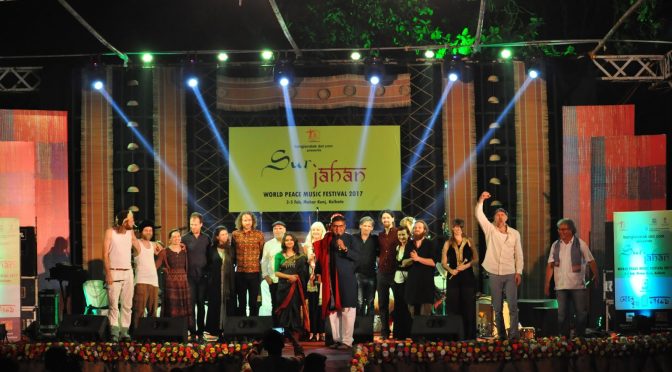
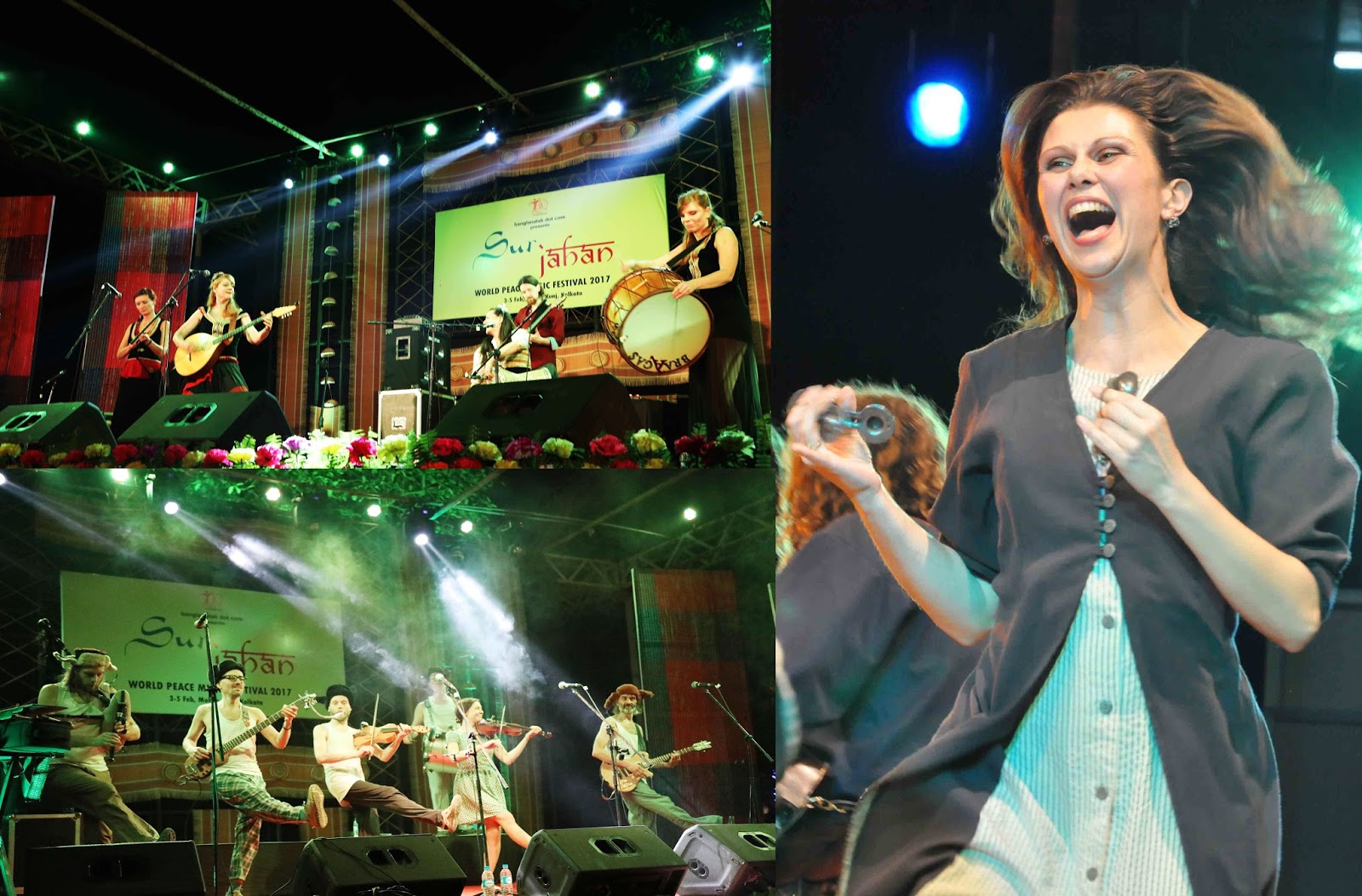
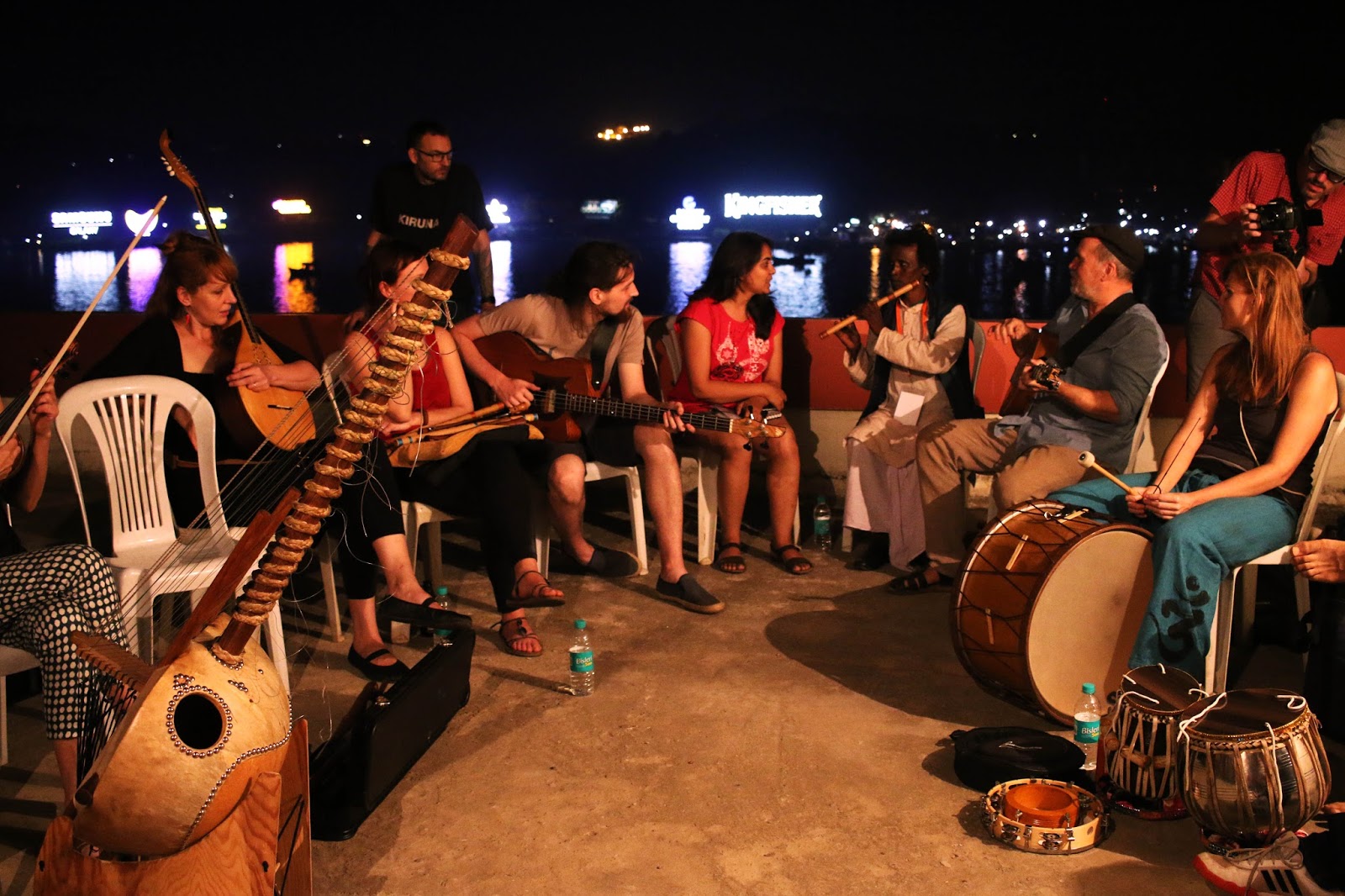
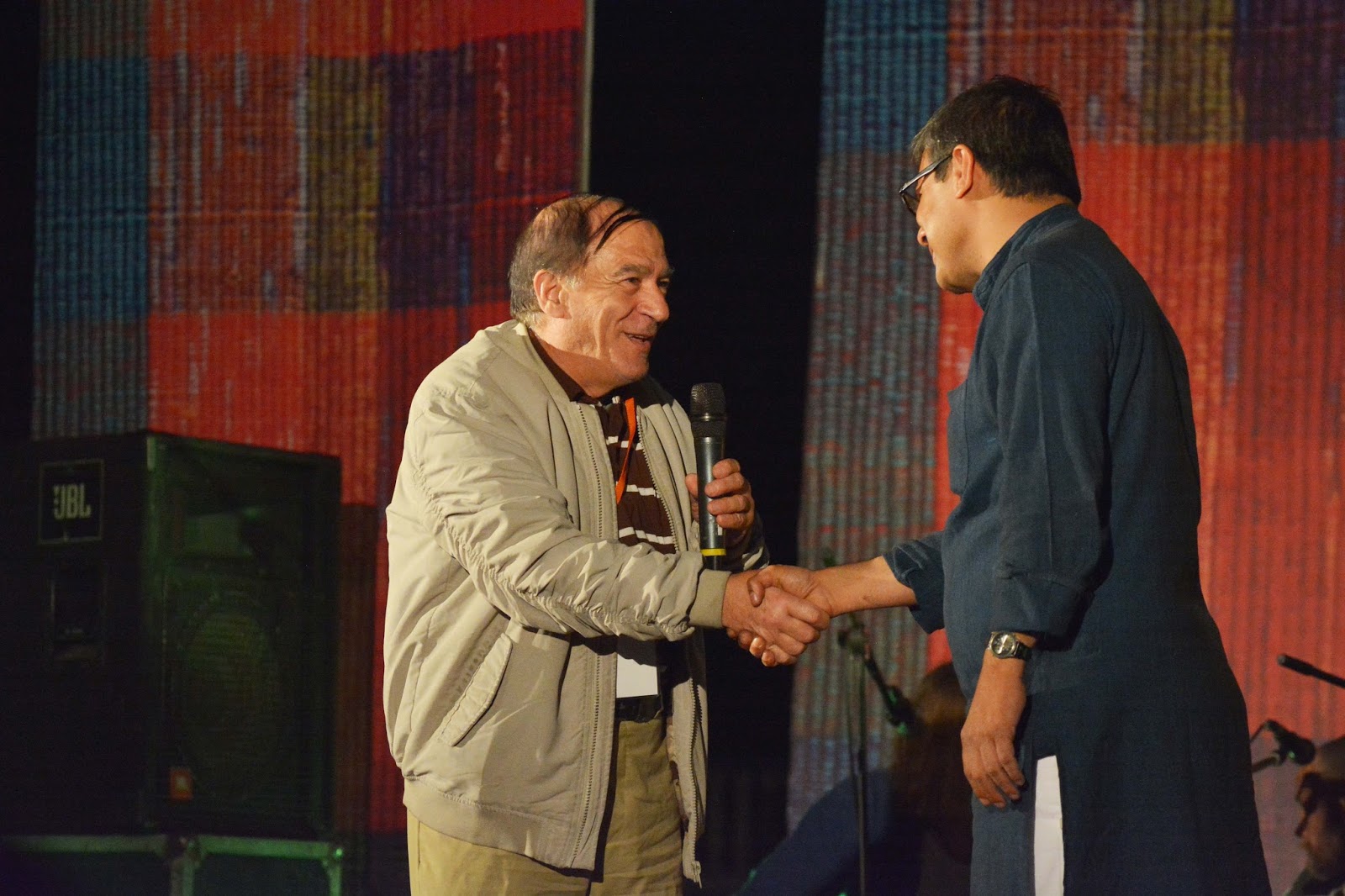 happy meetings, smiling faces and, above all, nonstop music that flows from the concert and workshop stages to the hotel rooms and lobby, and even the terrace. Sometimes, as for Sur Jahan 2017 in Goa, a moonlit sky with the glittering Mandovi river right across providing the perfect setting for the pure joy that we all witnessed that night and all the other nights of the festival. And here we witness the real impact of the words of Mr Alle Moller, the seven-time Grammy winning world music stalwart from Sweden, when he said on stage that this festival is a melting pot of cultures, creating opportunities for musicians,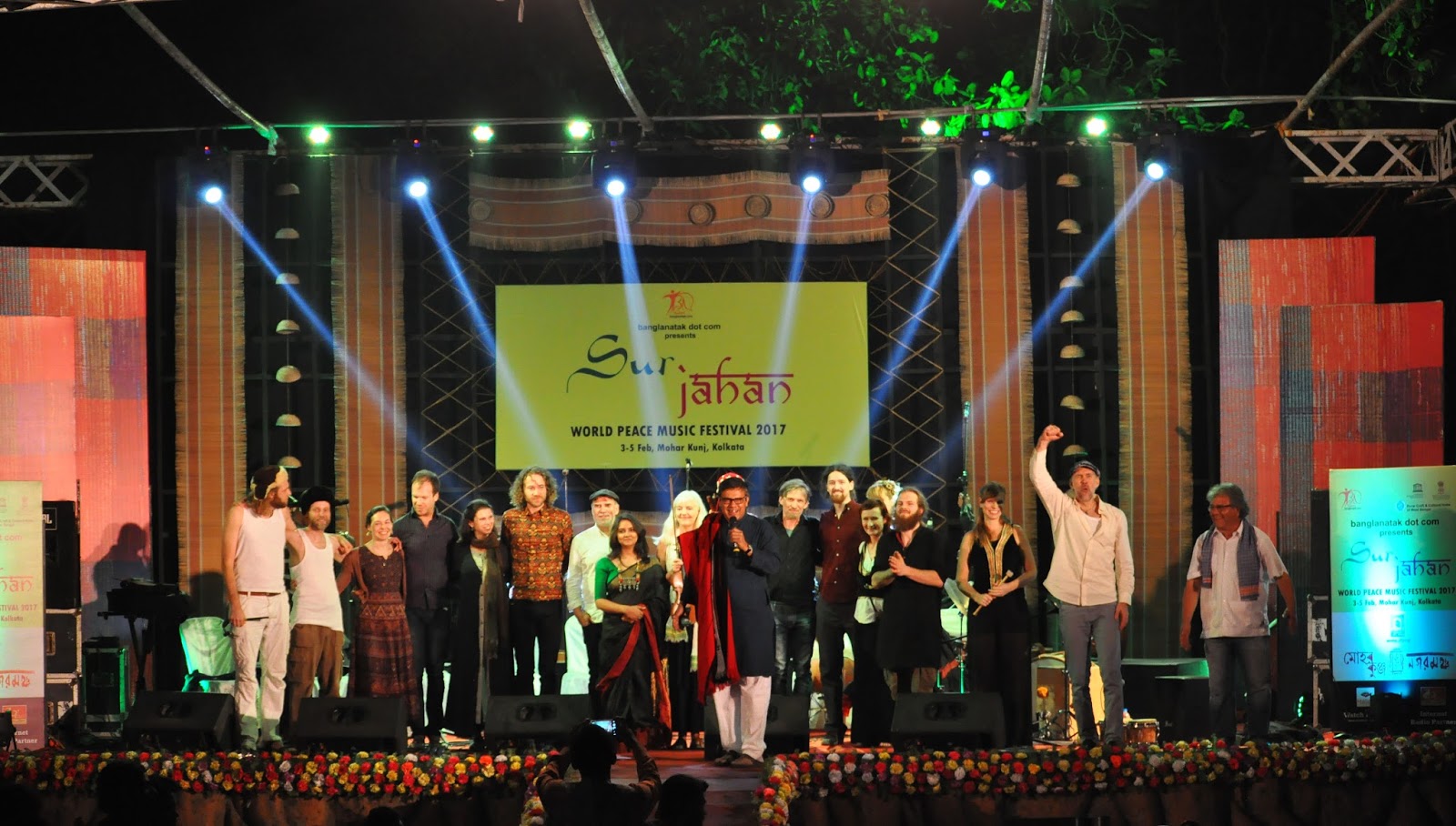
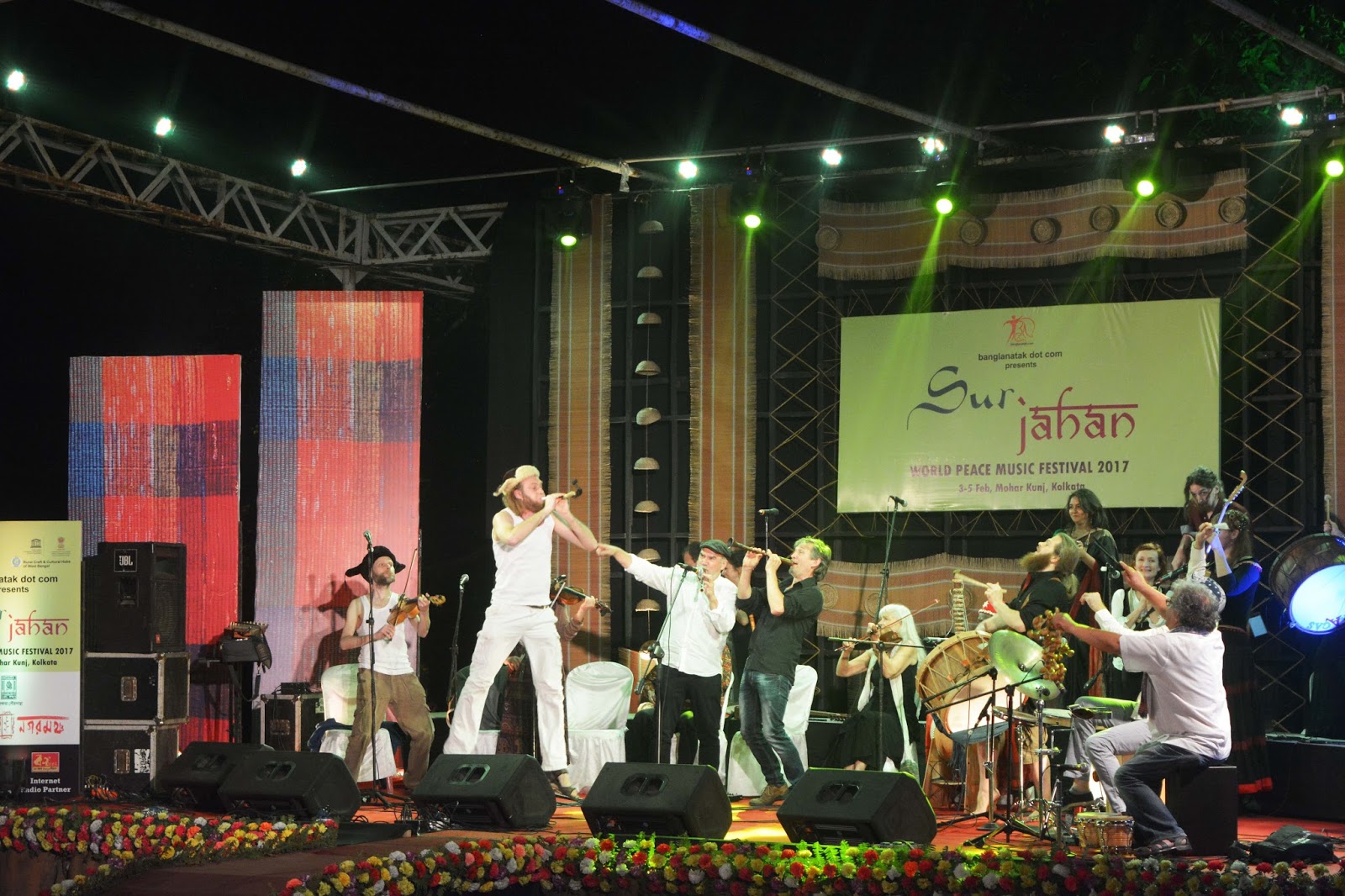 breaking into traditional Danish dance led by Mia Gulhammer of Virelai, on the rhythm from Mexico and the Czech Republic. You experience what might be called a dance challenge of the opposite genders, as per the Viking tradition, led by Mia and Jacob Lund. Incapable of resisting, you give in to the craziness of the moment and laugh your heart out, sweating profusely, especially to the challenges of none other than Moller himself. And while we took a break to relax our tired feet, the maestro randomly picked up a water pipe from the terrace and made it play the tunes in his head.
 It is heartening for us to see the fruits of our labour shape into bookings for the traditional folk artists of Bengal by our visiting international guests like Mr Ken Day of the respected Urkult festival.
 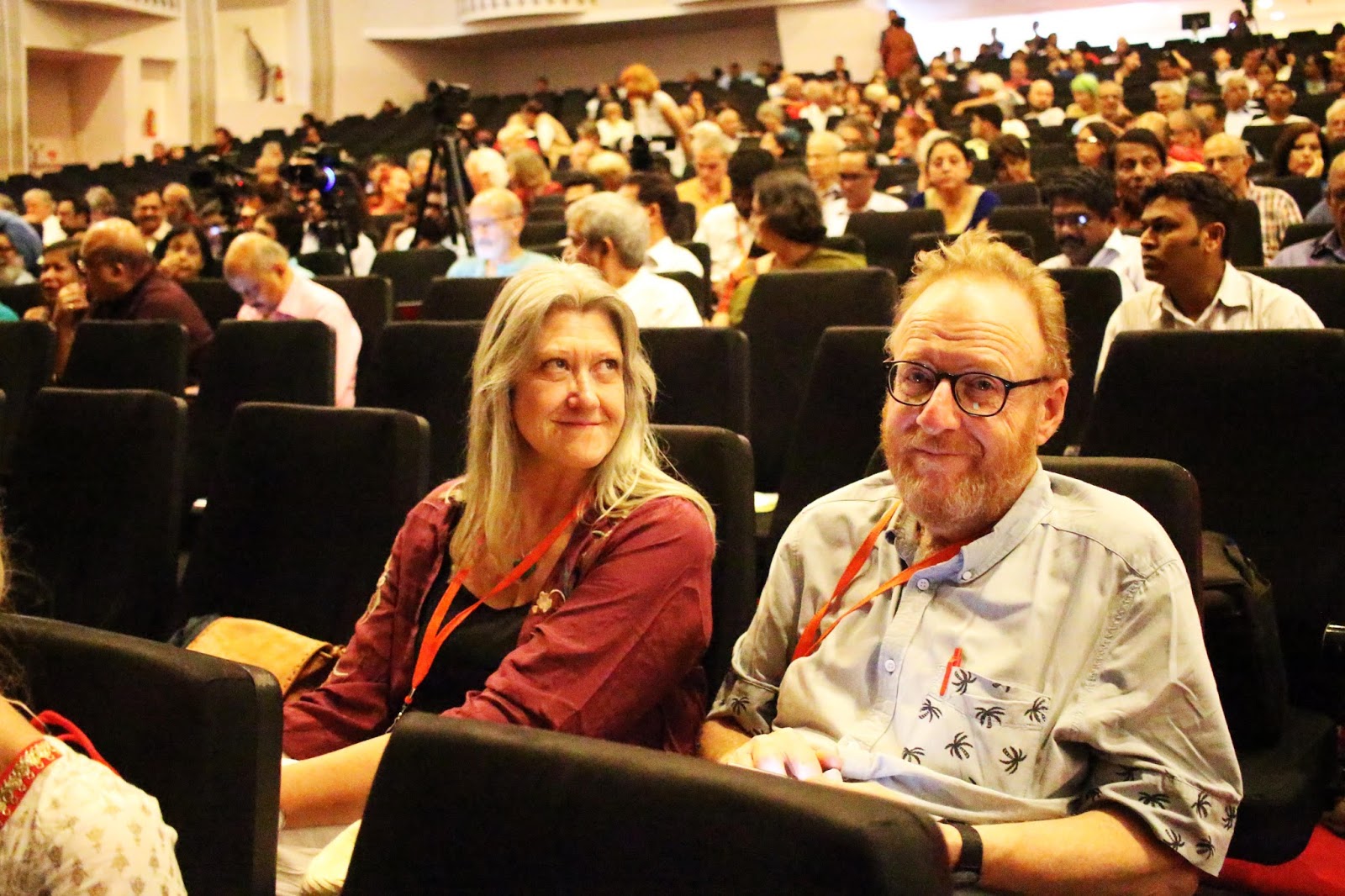 It makes it all worth it. Being in the audience and hearing Dr Zougbhi from the UN, who came all the way from Palestine to attend Sur Jahan in Kolkata, saying on stage that the festival has warmed his heart and given him hope as he hailed our year-long work with the marginalized communities for improvement of their lives and strengthening their identities using culture, it was the true validation of what, as a tribe, we believe in and practice.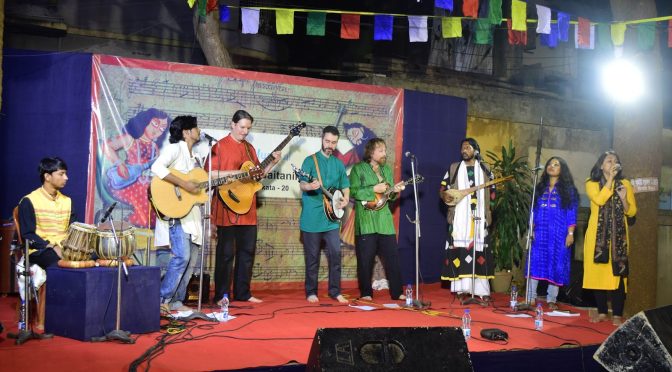
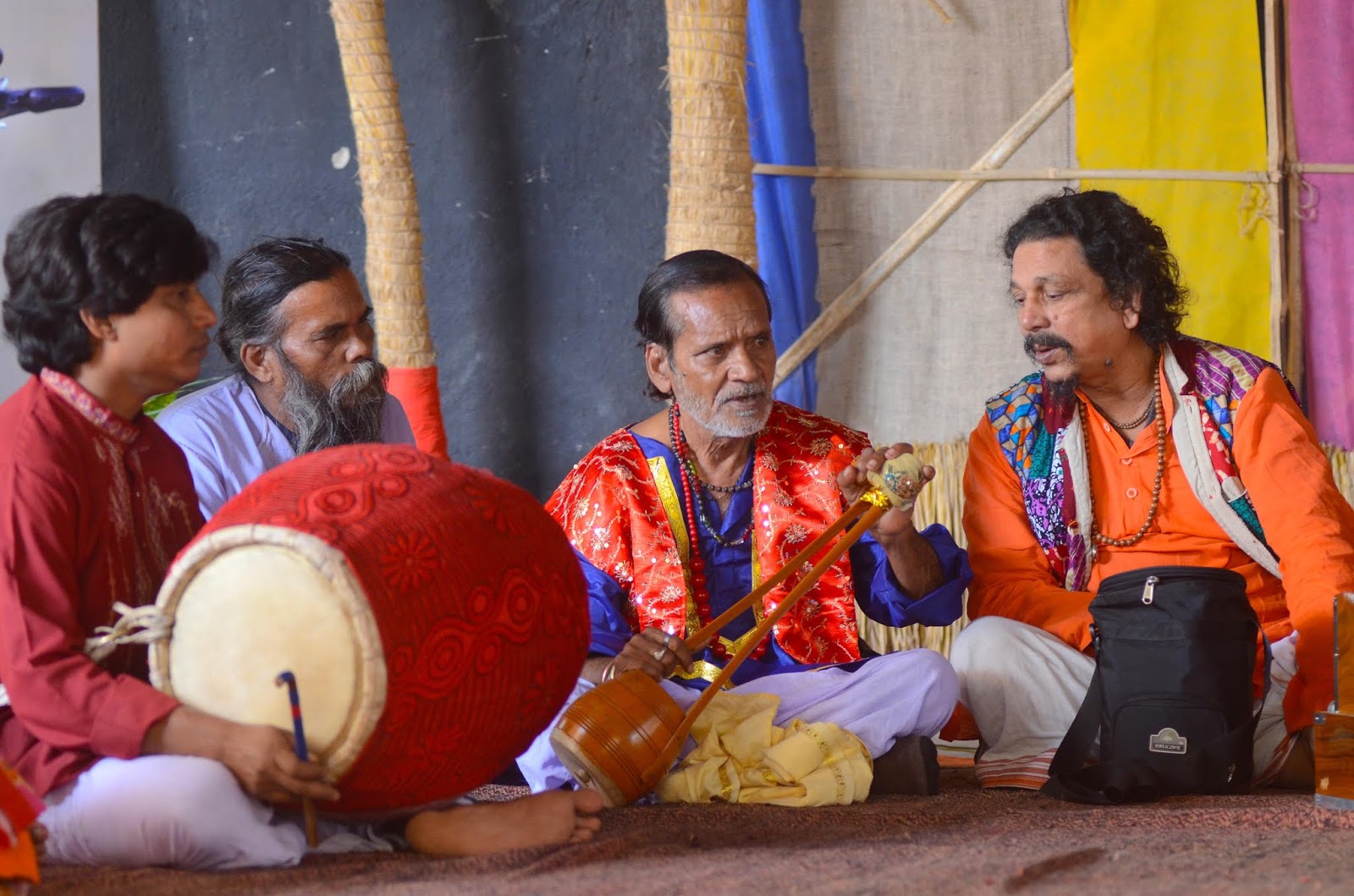
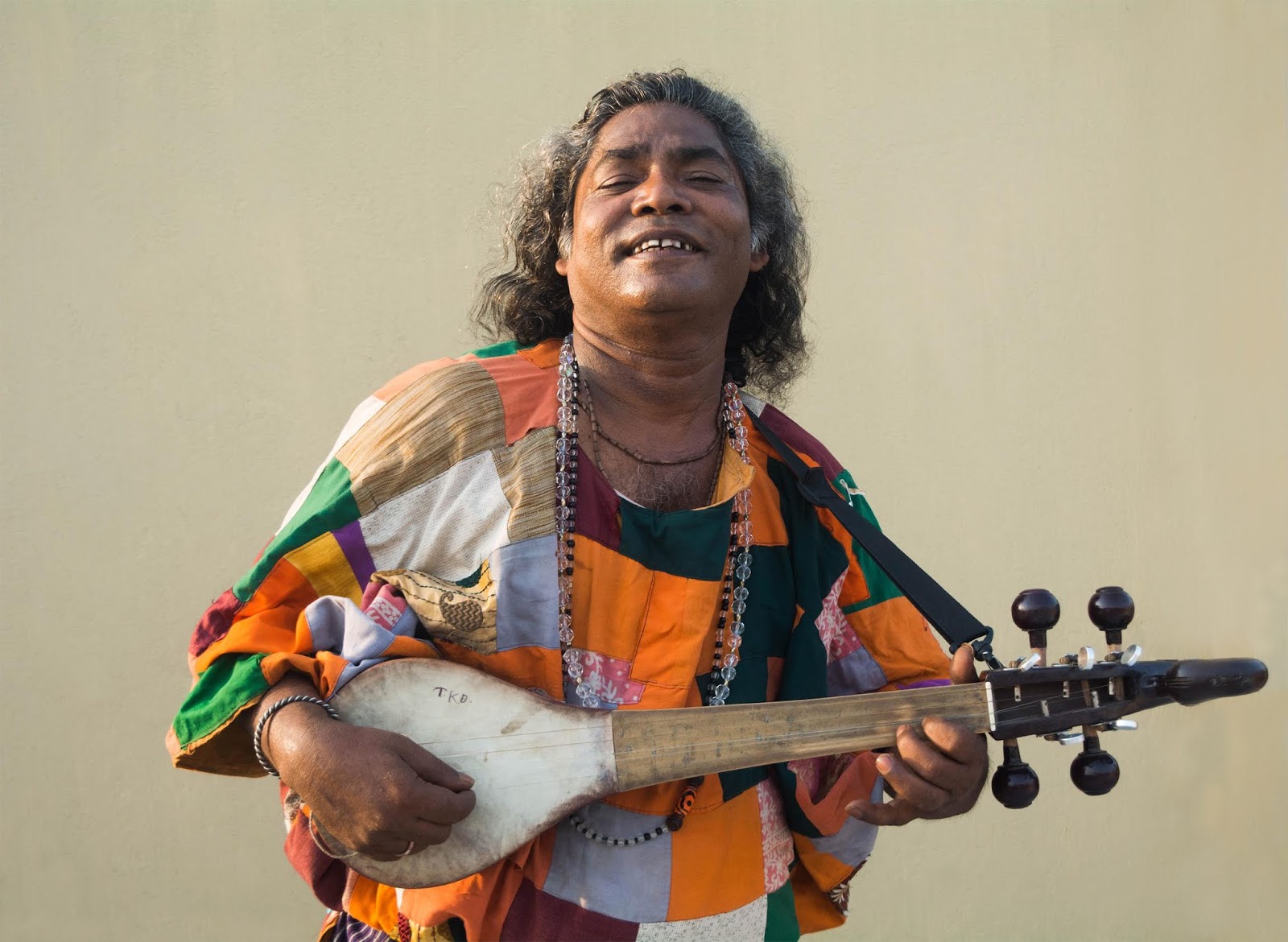
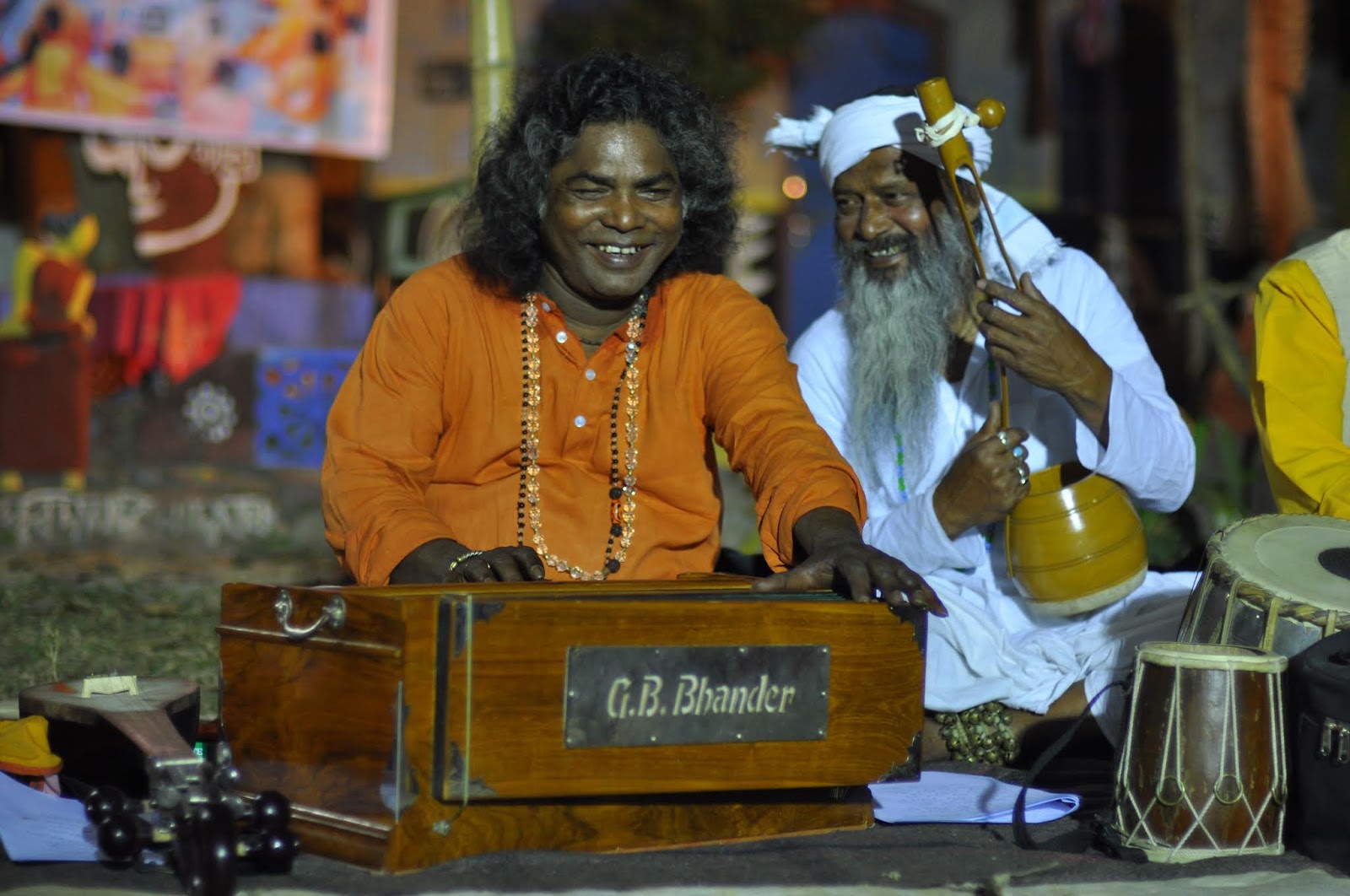
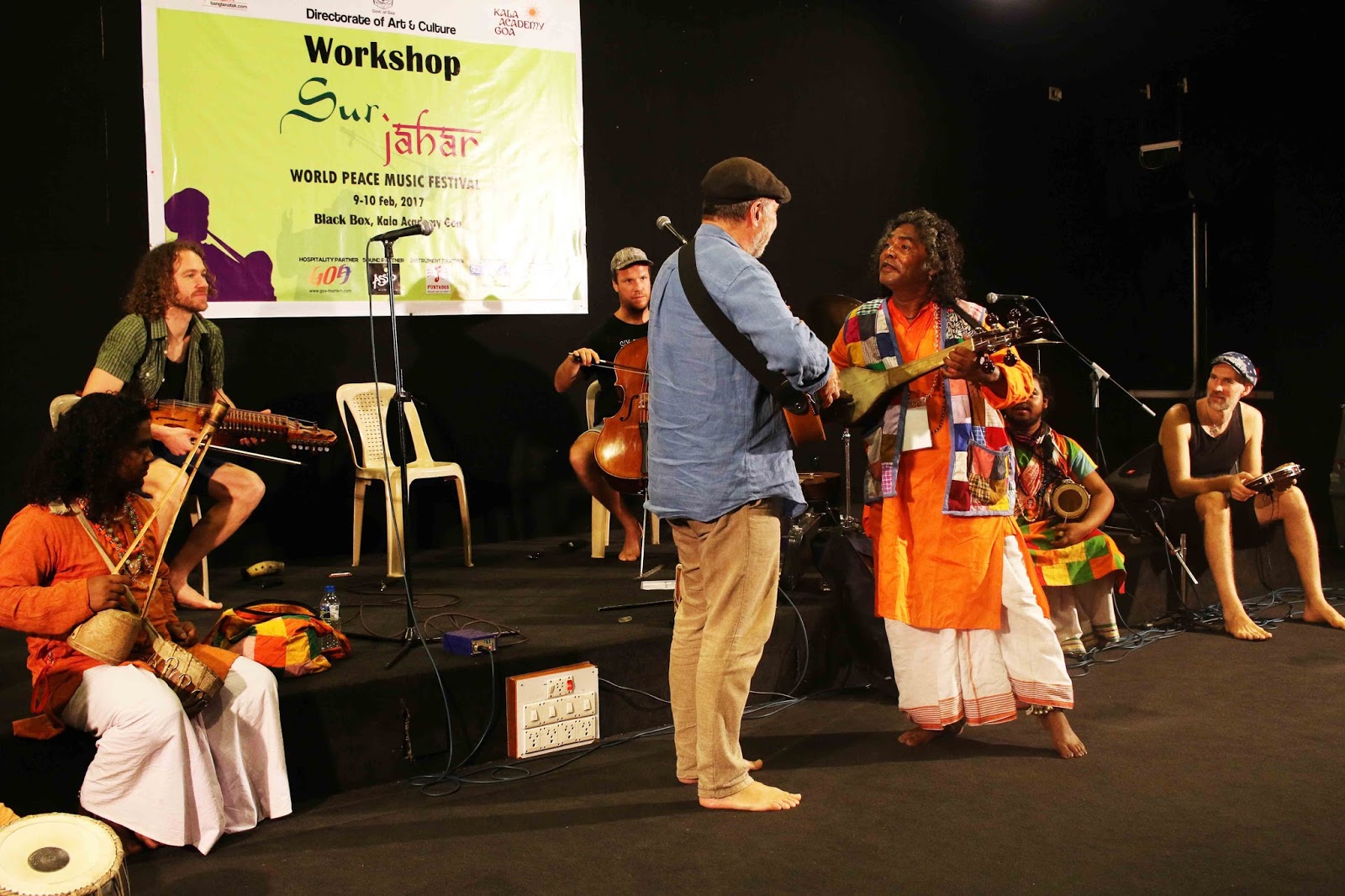
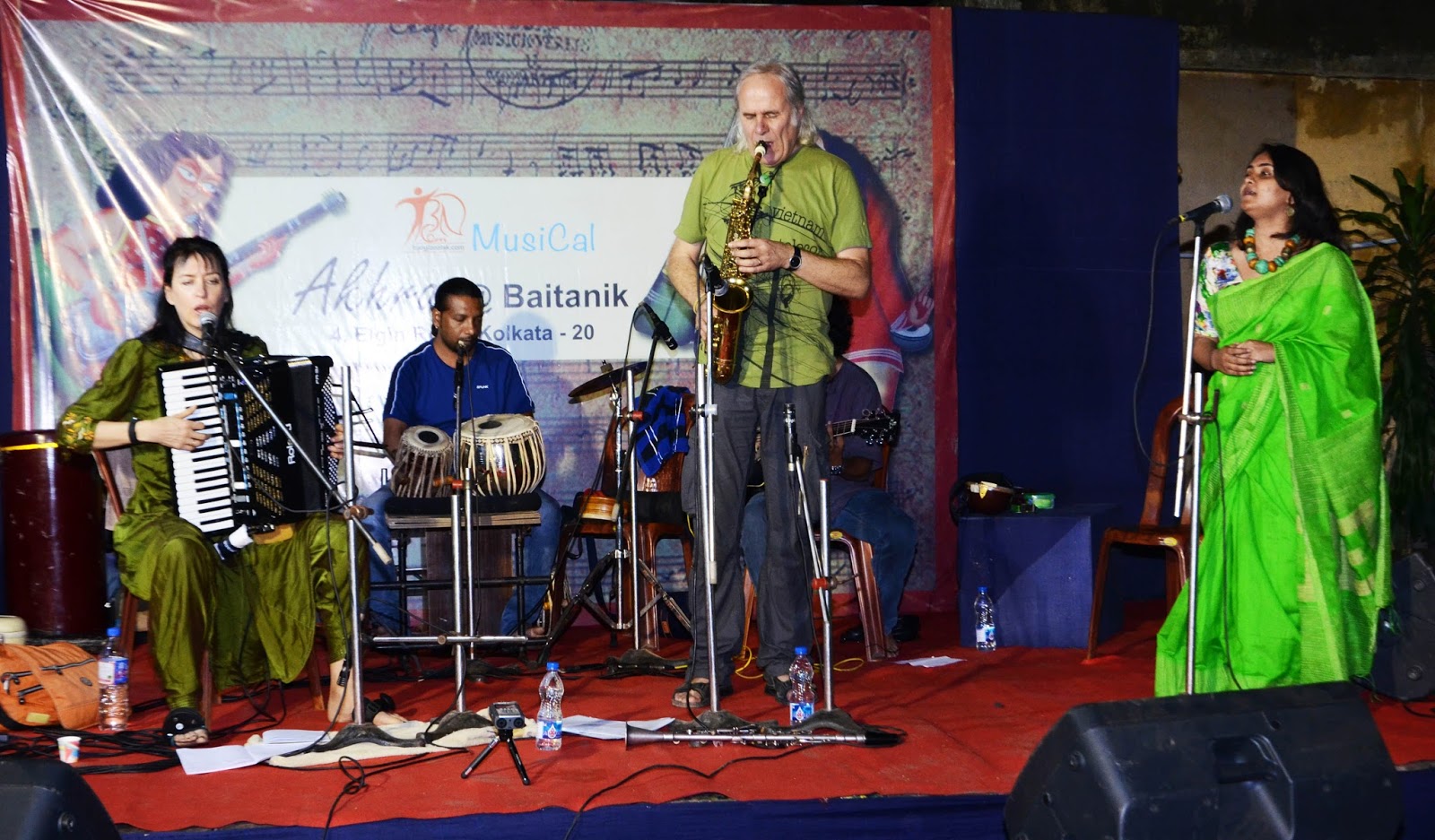 In the course of their exploration they also collaborated with various groups of local musicians, including Bauls, Fakirs of Bengal and other urban musicians coming from various genres. The collaborations comprised of many instrumental conversations between Eastern and Western cultures of music like a dialogue of Dotara and saxophone, accordion and table. Duo Fatale also visited the village festivals POT Maya in Pingla and Baul Fakir Utsav in Gorbhanga where they played music and built discourses with local artists.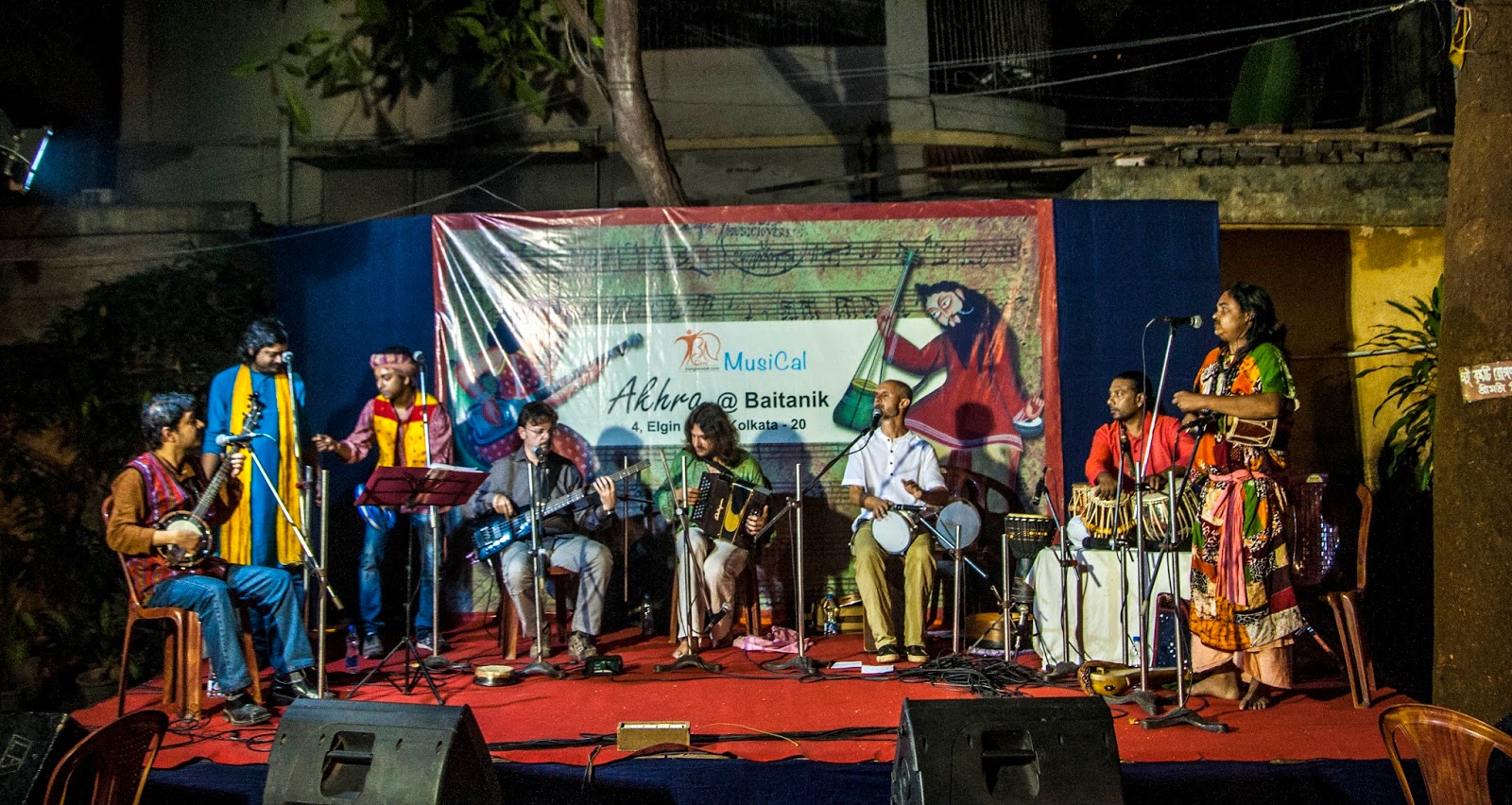
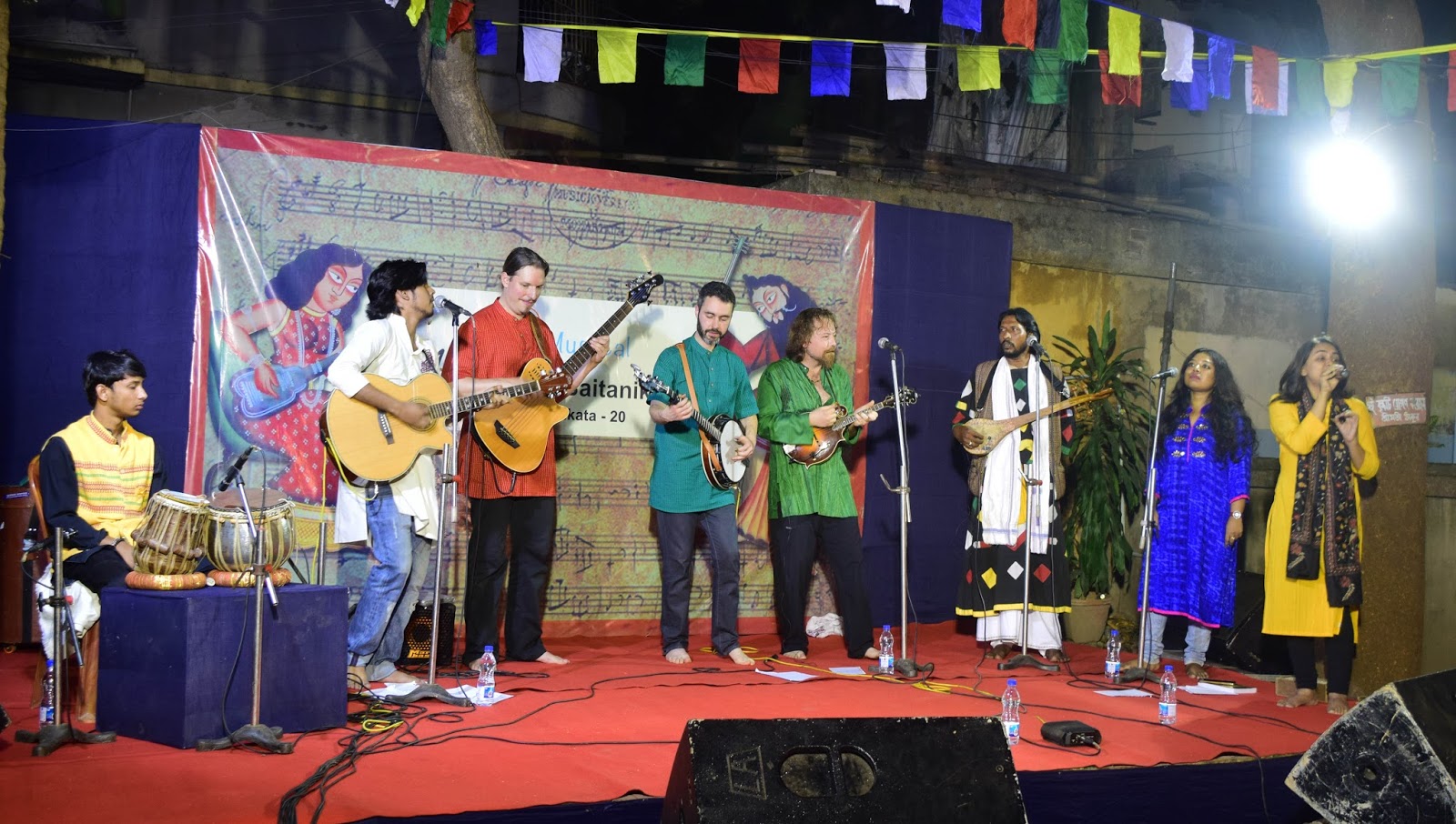 With classical songs by Argha Kamal, an urban musician, they improvised playing bluegrass music. They also experimented with other genres like Rabindra Sangeet, Shari Songs (songs of high-tides) and composed a collaborative song with influences from Bhatiali (boatswain’s music). A five string experiment was the high point of all their travelling and collaborations, wherein they jammed with five different Western and Eastern string instruments like Mandolin, Banjo, Bass guitar, Guitar and Dotara. They also played the inaugural concert for Black Box Theatre Hall opening at Tepantar Village.