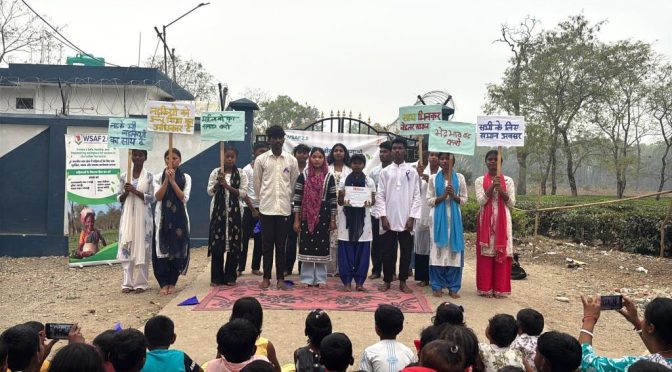
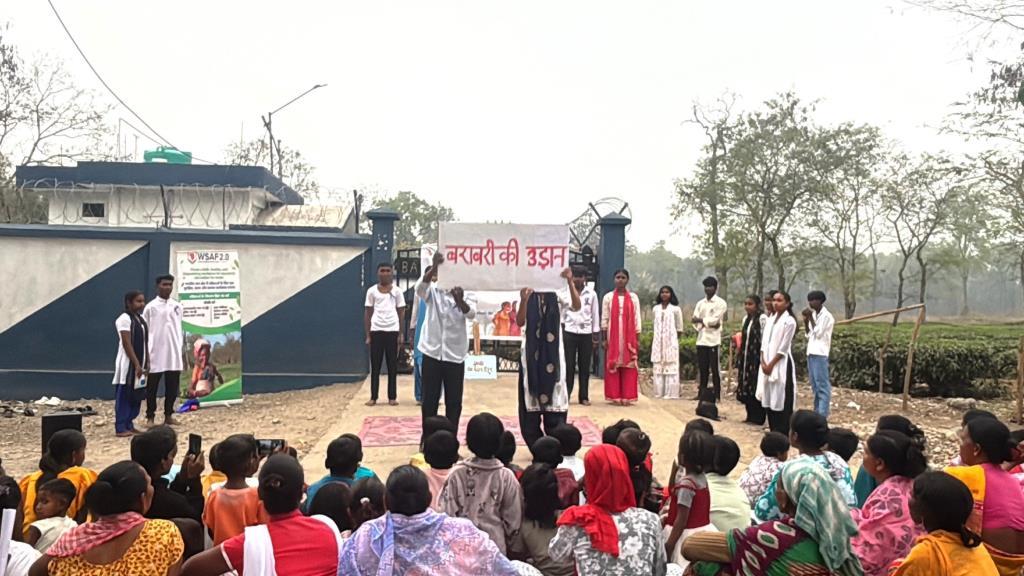
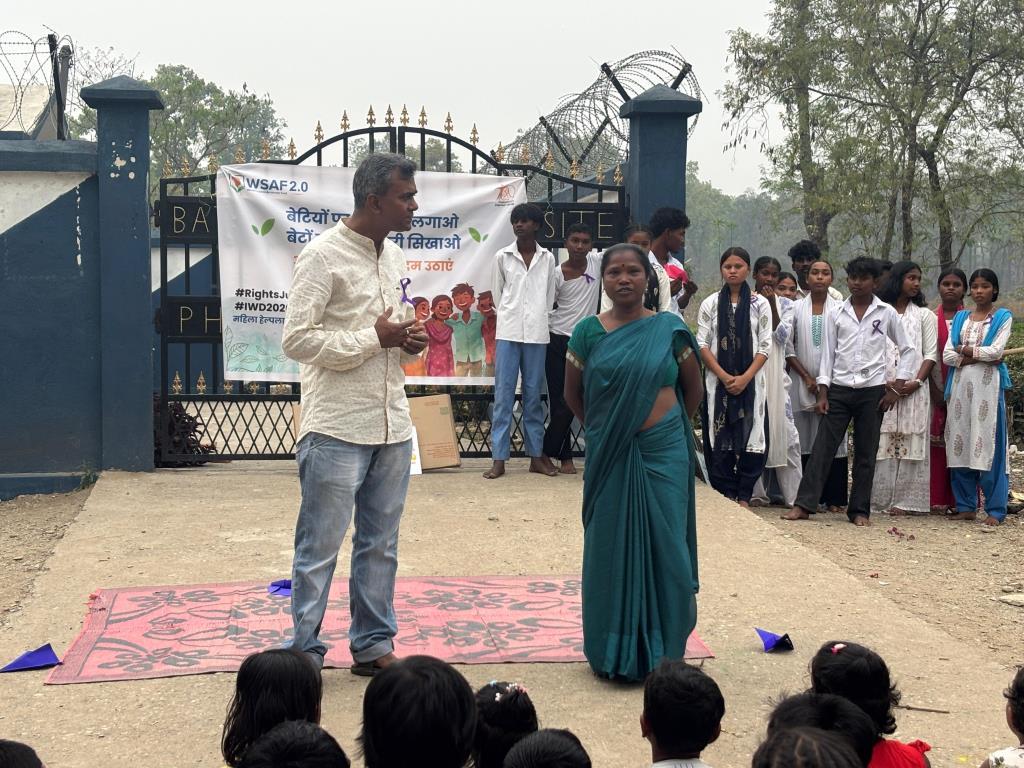
There are stories we hear, and then there are stories we live with every day—so common that they almost become invisible. This dance drama was born out of one such reality.
While working with the tea communities in West Bengal under Women Safety Accelarator Fund I witnessed how a girl’s world is often defined for her before she even begins to dream. Education for boys is seen as an investment, while for girls, it is often treated as optional. Responsibilities come early, choices are limited, and aspirations are quietly set aside. It is not that girls lack the ability or ambition—it is that they are rarely given the space to imagine a different future.
But what if that could change? This question was raised by a 14-year-old adolescent girl during our intervention with adolescent groups at Batabari Tea Estate. She asked: What if families began to believe in their daughters the same way they believe in their sons? What if girls were encouraged to dream freely and boys stood beside them in support? The solution, in many ways, lies not just in awareness, but in shifting mindsets—within homes, within communities, and among the younger generation.
This is where the idea of “बराबरीकीउड़ान” took shape.
Instead of bringing in an external narrative, we felt it was important that the story come from within the community itself. Who better to speak about these realities than the people who experience them every day? The dance drama became a platform where they could express their own struggles, their own questions, and their own vision for change—speaking to their own people, in their own voice.
And so, the story unfolded.
At the center was a young girl with a simple yet powerful dream—to study, grow, and one day become a pilot. Her journey, however, was filled with hesitation at home, quiet discouragement, and moments of self-doubt. Through the performance, her emotions reflected both the weight of expectations and the strength it takes to keep dreaming.
As the story unfolded, it imagined a shift—one where her family begins to support her and her dreams are encouraged. Her aspiration to fly became more than a goal; it turned into a symbol of freedom and equality, representing the dreams of many girls like her.
Equally powerful was the presence of boys in the story. They were not just observers but participants—standing beside the girls, supporting them, and challenging the very norms that often go unquestioned. This itself became a strong message: equality is not a one-sided effort, but a shared responsibility.
What made this experience truly meaningful was what happened beyond the stage.
On the day of the performance, the tea garden community gathered with curiosity and interest. People stood around, watched attentively, and stayed engaged till the very end. It was not just a performance—it became a shared moment of reflection.
The response from the community was honest and significant. Many openly acknowledged that girls are often held back—not because they are incapable, but because they are not given the opportunity or exposure. At the same time, there was a visible shift in perspective. People were not just watching a story; they were recognizing their own realities within it.
Among the most encouraging aspects was the participation of adolescents and youth. Their energy, confidence, and willingness to express stood out. Through this process, they were not only performing—they were questioning, learning, and engaging in conversations that matter.
In the end, “बराबरीकीउड़ान” became more than just a dance drama.
It became a voice, a mirror, and a possibility.
Because when people begin to tell their own stories, acknowledge their own realities, and imagine their own solutions, change is no longer distant.
And when dreams are supported, they don’t remain grounded.
The Women’s Safety Accelerator Fund 2.0 builds on its earlier phase to drive systemic change in addressing gender-based violence and fostering safe, dignified workplaces across India’s tea sector through a holistic, survivor-centred approach. By strengthening redressal systems, expanding thematic interventions, and building strong partnerships, it promotes access to sexual and reproductive health services, sustainable livelihoods, digital and financial literacy, psychological safety, and robust grievance mechanisms. To deepen community awareness and engagement, innovative approaches are essential. ‘Cricket for Change’ stands out as a unique and effective tool, using sport to engage communities, spark dialogue, and reinforce knowledge around women’s safety, rights, and empowerment.
Cricket in India has always been more than just a game. Today, it is also becoming a powerful platform for social change. Encouraging women to participate in sports is no longer simply a trend or symbolic gesture. It is an important step toward building women’s confidence, leadership, and equal participation in society. Such initiatives directly echoed the spirit of International Women’s Day 2026 and its global theme, “Rights, Justice, Action,” which called for strengthening women’s rights, ensuring justice, and encouraging meaningful actions that empower women in every sphere of life.
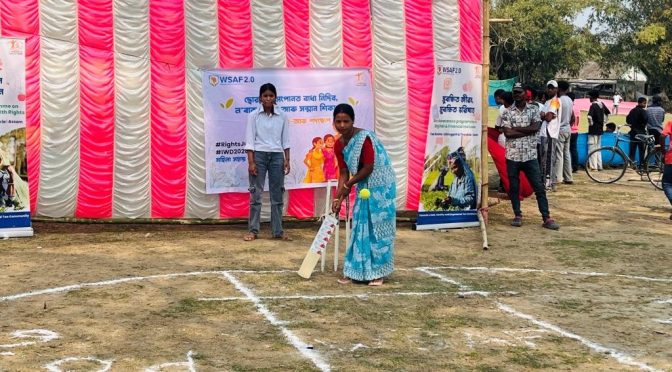
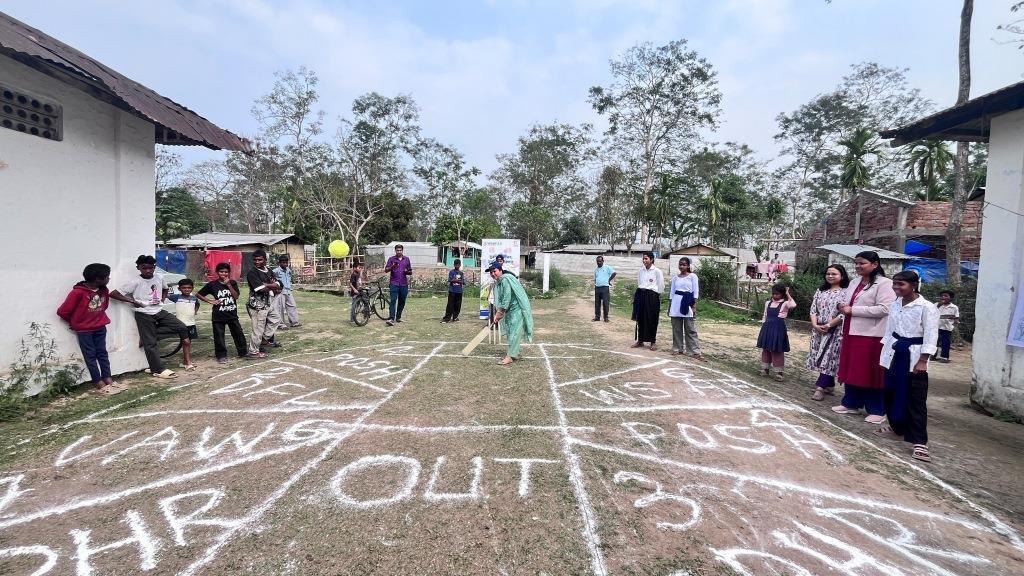
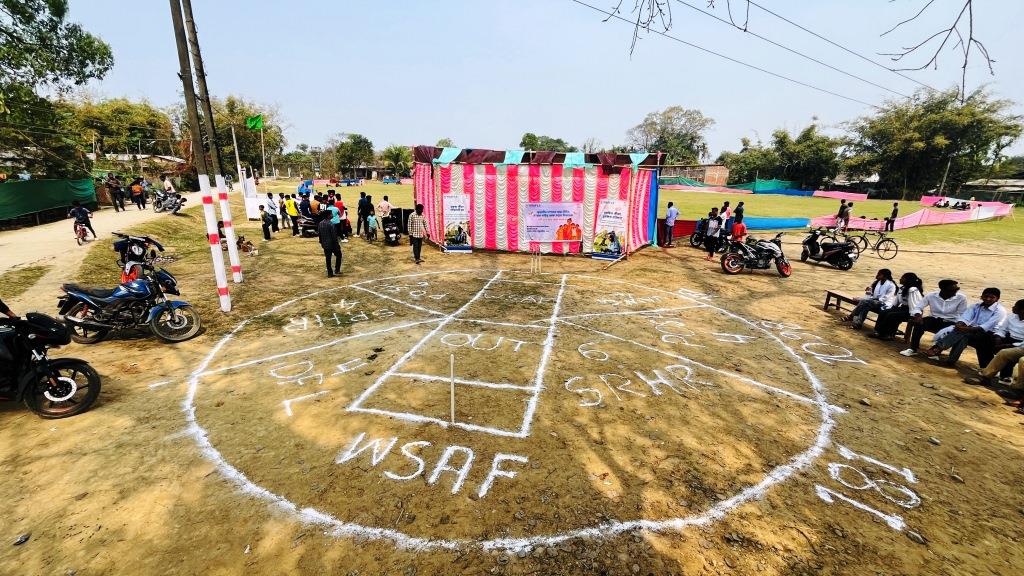
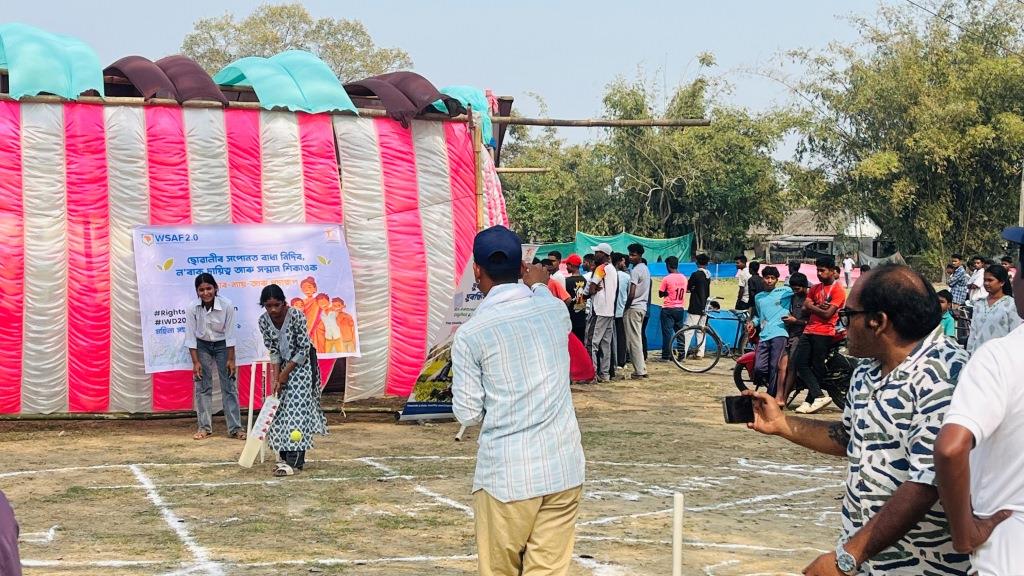
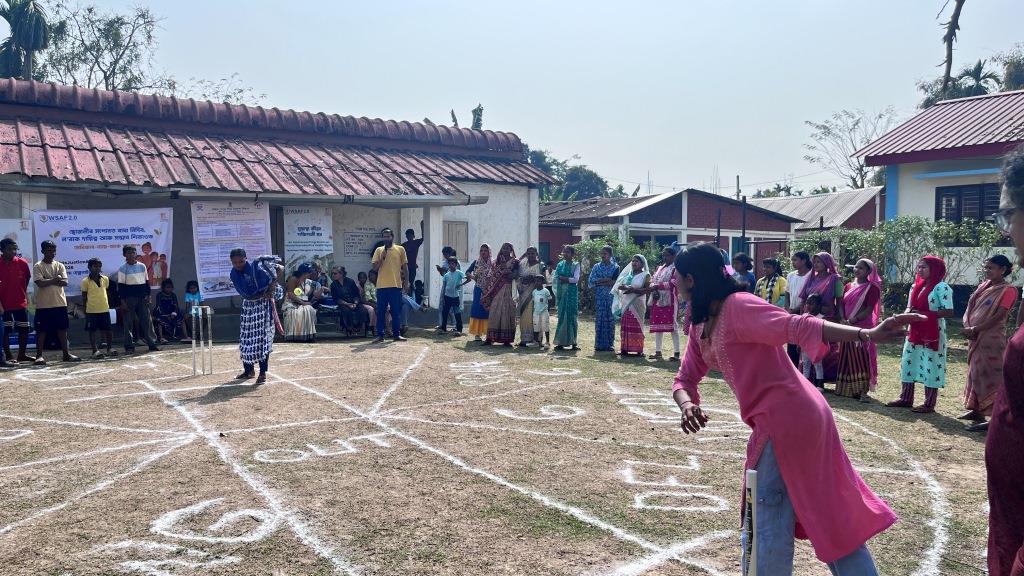
On the eve of International Women’s Day, we organised a unique cricket match across three tea estates—Nahorkutia, Dinjoye and Dinjan Tea Estates in Assam. Unlike conventional formats of cricket, this game was specially designed to promote learning and reflection. The cricket match integrated key thematic pillars including Sexual and Reproductive Health and Rights (SRHR), Violence against Women and Girls (VAWG), gender equality, digital inclusion, financial inclusion, PoSH (Prevention of Sexual Harassment), and livelihood opportunities. Through these themes, the activity highlighted women’s rights, the need for justice and protection from violence, and practical actions that communities can take to support women’s empowerment.
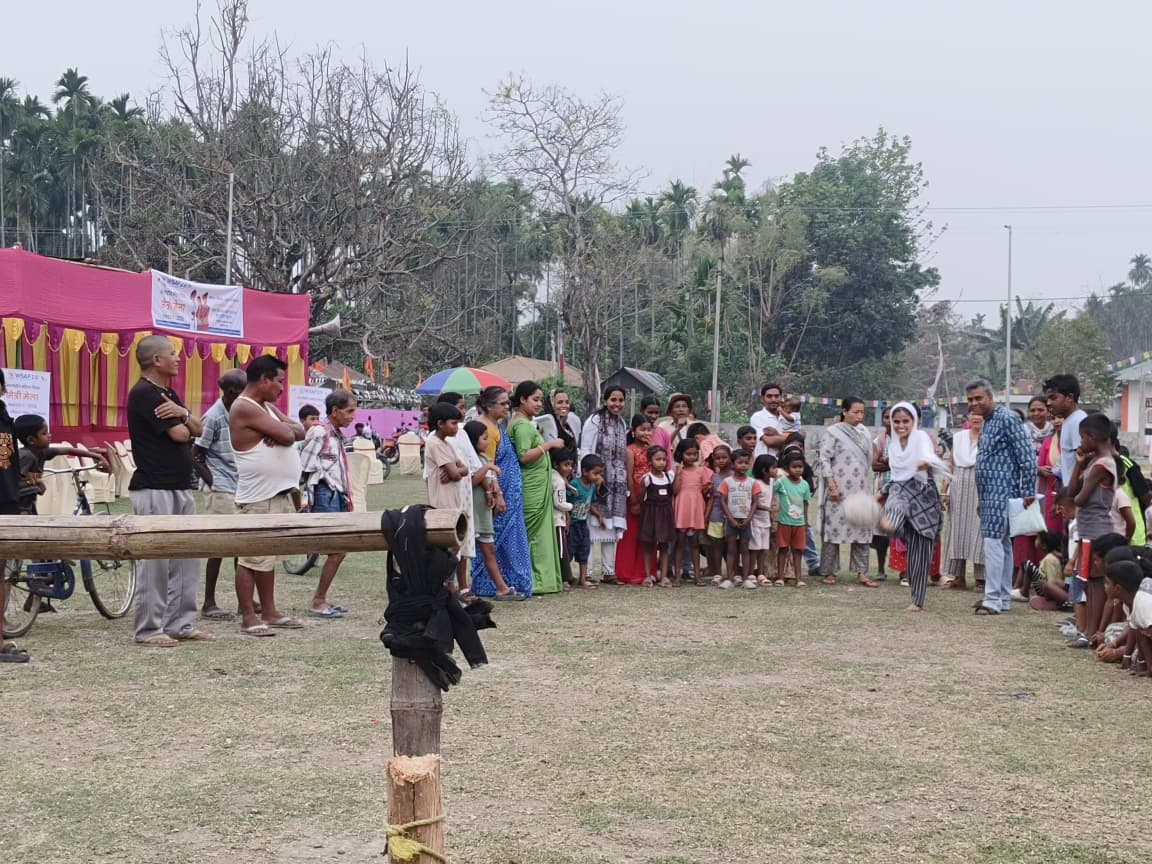
The rules of the game were slightly different from traditional cricket. Each participant was given six balls to play and was encouraged to score as many runs as possible within those deliveries. The highest scorer was rewarded. Instead of fielders, the ground had designated zones marked with runs such as 6, 4, and 2, each linked to different thematic pillars of awareness. Cricket field positions such as cover, point, mid-on, mid-off, and square leg were used as symbolic zones representing these themes.
An important concept integrated into the game was “knowledge fencing.” The idea behind this concept was when individuals are equipped with the right knowledge, they become safer and more empowered to protect themselves from different forms of violence and exploitation. Participants were informed about critical helpline numbers such as the Women Helpline (181), Emergency Response (112), Child Helpline (1098), and Cyber Fraud Helpline (1930), ensuring that information related to rights and protection mechanisms remains accessible in times of need. This knowledge is an essential step toward achieving justice and safety for women and children.
Another key feature of the event was its gender-inclusive approach. Both men and women were encouraged to participate, reinforcing the idea that gender equality is a collective responsibility. The match brought together participants from different age groups onto a single pitch, creating a vibrant and inclusive atmosphere within the tea estate communities.
For many women participants, this was the first time in their lives that they held a cricket bat. Despite the novelty, they played with enthusiasm and determination, scoring impressive runs and demonstrating remarkable confidence.
“Cricket is not unknown to anyone, but this was the first time experiencing the game within the boundaries of various social messages. It felt like learning while playing. Through the game, we learned about the women’s helpline number, child helpline number, Internal Committee, and sexual and reproductive health rights.” — Somaru Sobor, Secretary, Dighalijan unit | Dinjan TE.
“Scoring runs with the bat based on thematic areas—such a nice and innovative concept. Engaging the community in this way, through sports and play, is truly remarkable.” – Narmada Das | ICDS Supervisor | Nahorkutia
Through this initiative, cricket became more than a sport—it became a medium for learning, empowerment, and social transformation. By promoting awareness, strengthening knowledge of rights, and encouraging community action, the event truly reflected the spirit of “Rights, Justice, Action,” reminding us that meaningful change can begin even on a small cricket pitch.
The Women Safety Accelerator Fund (WSAF), launched in 2021, envisions creating safe, equitable, and inclusive workplaces for women and girls across tea estates in Assam, West Bengal, Kerala, and Tamil Nadu. Across more than 350 tea gardens, the initiative has steadily worked to strengthen grievance redressal mechanisms, support women in voicing their concerns, and build stronger linkages with government systems—so that care and protection services are not just available, but within reach.
As the programme evolved into WSAF 2.0, it expanded its focus to areas that shape everyday wellbeing—Sexual and Reproductive Health (SRH) and digital financial literacy—recognising that safety is not only about protection, but also about awareness, access, and informed choices.
Yet, even as these systems grow stronger, a question remains: how do they truly reach people in their everyday lives?
A Place Too Far from Help
In the tea estates of North Bengal, distance is not just measured in kilometres, it is felt in delayed care, missed opportunities, and unheard concerns. For many families, accessing a doctor means travelling 60–70 kilometres. In moments of urgency, this distance can become a barrier too heavy to cross. But the challenge goes beyond geography. Limited exposure to information and services means that many people are unaware of the care and protection systems that exist for them. Over time, this creates an invisible divide; where services exist, but remain out of reach; where support is available, but not accessed.
When Services Come Closer
What if, instead of communities travelling long distances, services came to them?
Maitri Mela was built on this simple yet powerful idea—to bring essential services directly into the heart of the tea estates. More than just an event, it became a space where healthcare, legal aid, psycho-social support, and financial knowledge could meet the everyday realities of people. A space where conversations could begin, questions could be asked, and trust could slowly take root.
A Day That Changed the Usual Rhythm
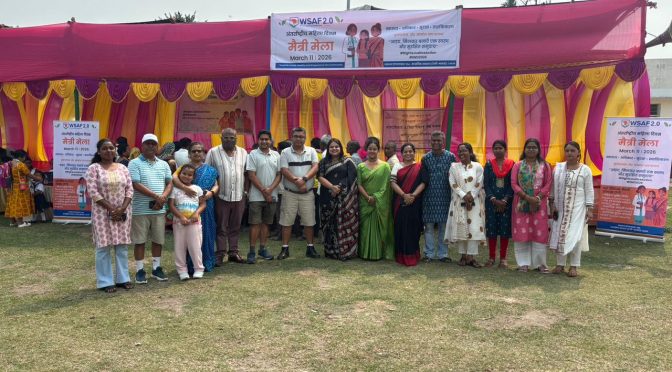
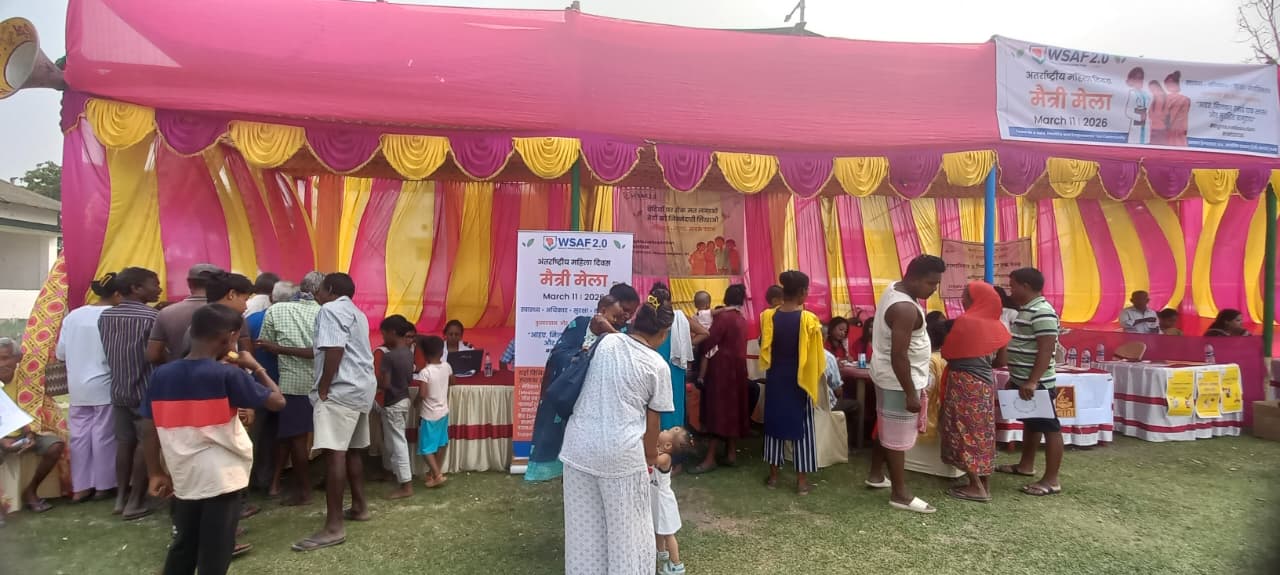
On March 11, Kumargram Tea Estate looked different. What is usually a quiet, work-driven landscape turned into a lively, buzzing ground of interaction. Organised in collaboration with Kumargram and Sankos Tea Estates, Maitri Mela created a rare moment where communities and service providers stood side by side.
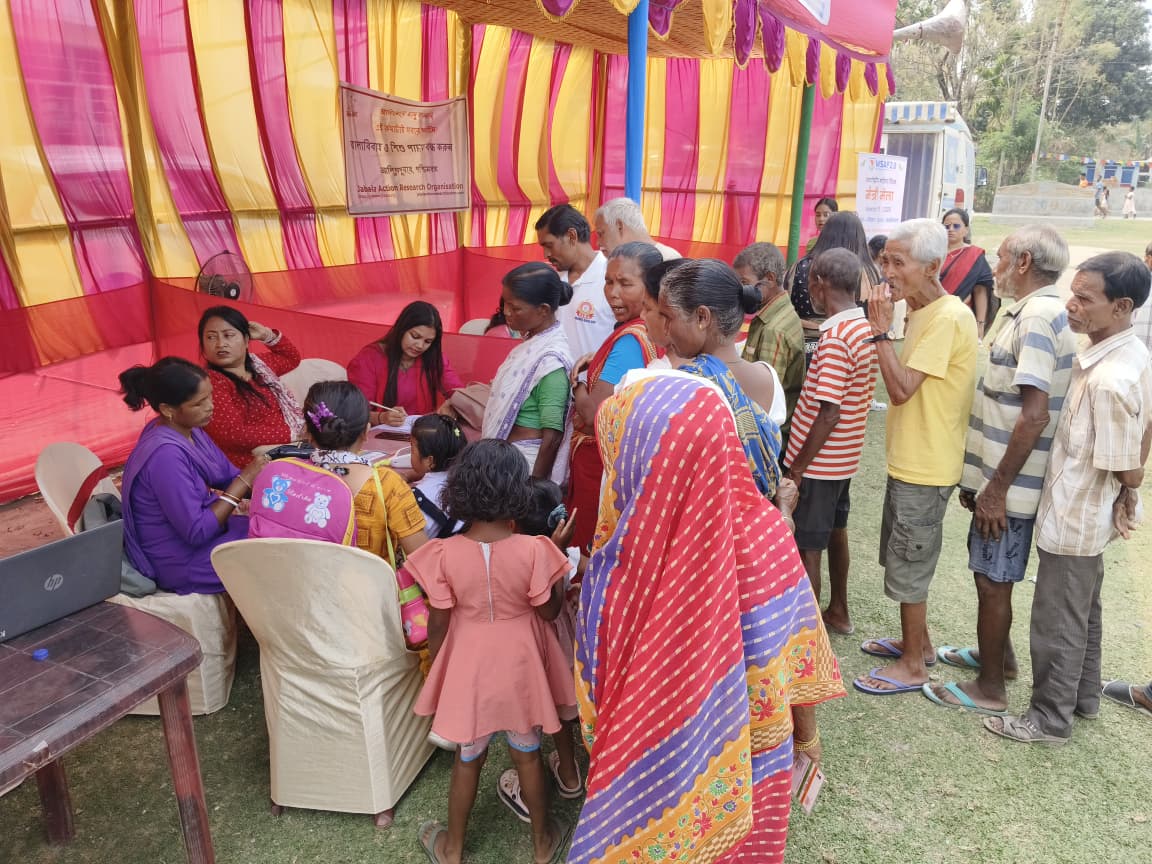
Doctors arrived not in distant hospitals, but within walking distance. A Mobile Medical Unit and a free eye check-up camp ensured that healthcare was not something to be sought far away, but something available right there. A team of 12 health professionals engaged with people directly, opening up conversations around Sexual and Reproductive Health; topics that are often left unspoken, yet deeply important.
More Than Services—A Space to Learn and Speak
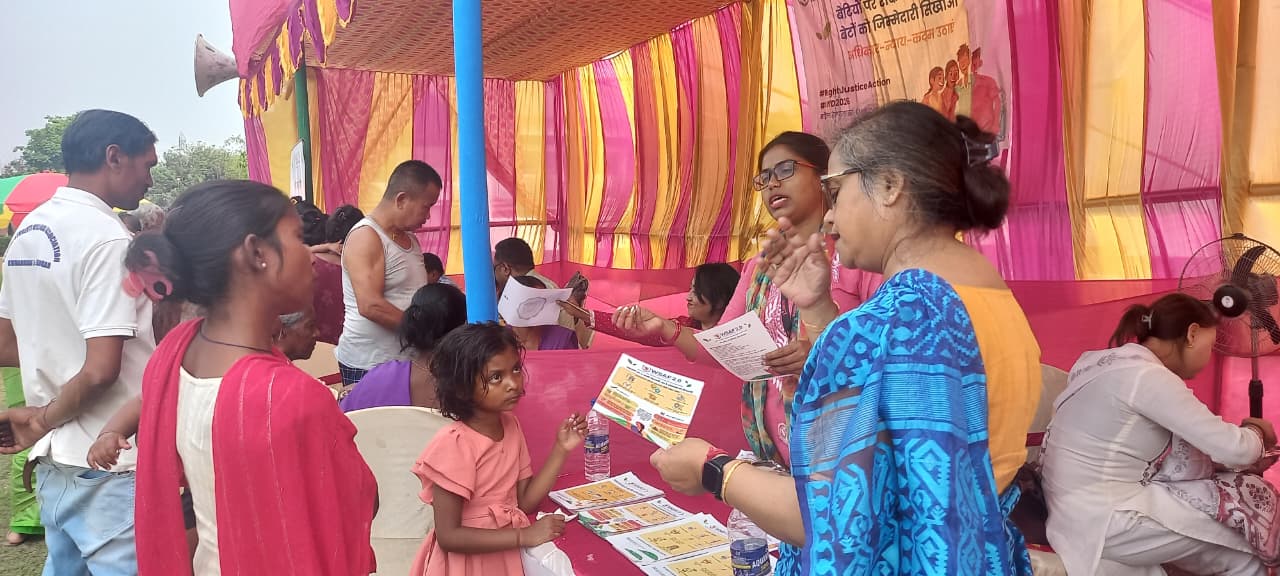
Across the mela grounds, conversations unfolded in many forms. Organisations like Jabala Action Research Organisation and CINI connected with families on issues of child protection, responsible parenting, and the use of helpline services. These were not just sessions—they were moments of clarity, where people began to understand where to turn in times of need.
Nearby, bank representatives spoke about savings, insurance, and financial safety—helping people navigate a world where financial fraud is becoming increasingly common. For many, it was the first time these topics were explained in a way that felt relevant to their lives.
Joy, Reflection, and Togetherness
What made Maitri Mela truly come alive was its spirit of participation. Children laughed and performed, bringing colour and energy to the day. Adults and young people took part in gender-reversal games—simple yet powerful activities that gently challenged everyday norms and sparked reflection.
It was not just about receiving information—it was about experiencing something together as a community.
A Crowd That Spoke for Itself
With over 1700 people attending, the mela was more than well-received—it was needed. The turnout reflected a quiet truth: when access is created, people show up. When spaces feel safe and relevant, people engage.
Beyond a Single Day
Maitri Mela did not just fill a gap for a day—it showed what is possible when services meet people where they are. It demonstrated that bridging distance is not only about infrastructure, but also about intention, design, and trust.
In places where systems often feel far away, Maitri Mela brought them closer—turning distance into connection, and information into empowerment.
Puppetry is one of the most ancient forms of theatre. The art form breathes life into wood, metal, cloth, or paper, animating dolls into vivid personas. Blending craft, music, and drama, it can be playful, yet it has often served as a powerful medium to speak truth to power. Across time and geography, puppetry has travelled alongside human civilisation. The history of puppetry is, in many ways, the history of humanity itself: it spans across and documents hundreds of years of dynasties changing, technologies evolving, and societies transforming. Yet, despite these shifts, it remains rooted in fundamental human experiences—of storytelling, belief, and shared imagination.
India-Indonesia Cultural Exchange
It is within such cultural histories that Indonesia offers a compelling context. Indonesia is often described as a tapestry of cultures—shaped by centuries of maritime trade, migration, war, and conquest. The archipelago carries layered identities where indigenous heritage, Chinese influences, and Hindu, Buddhist, and Islamic philosophies intertwine.
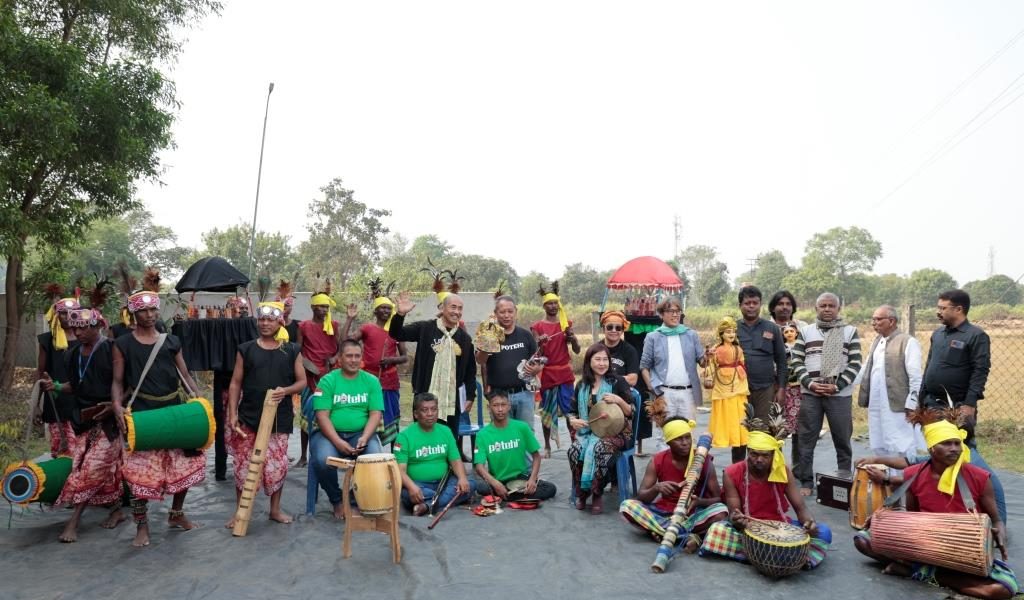
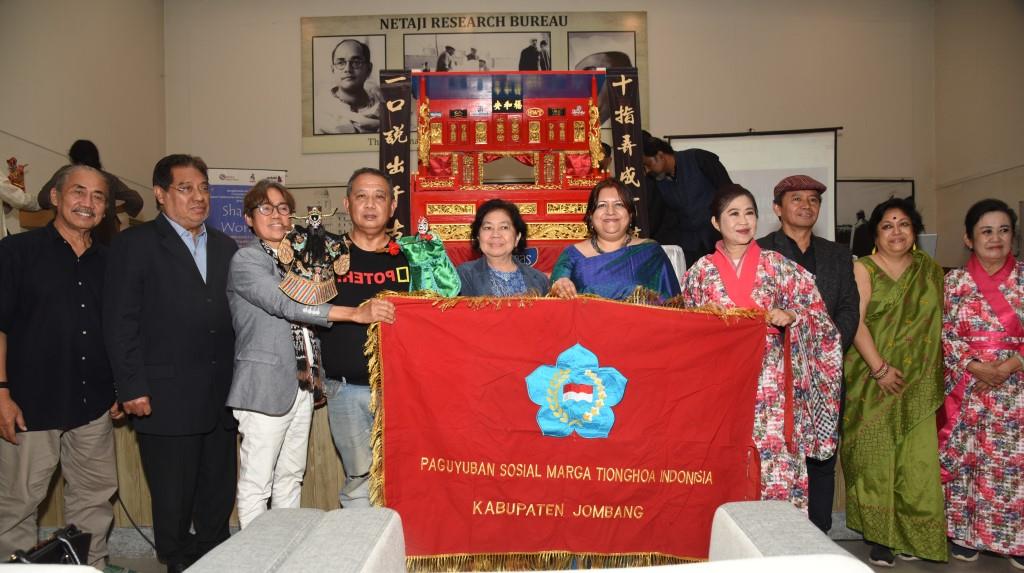
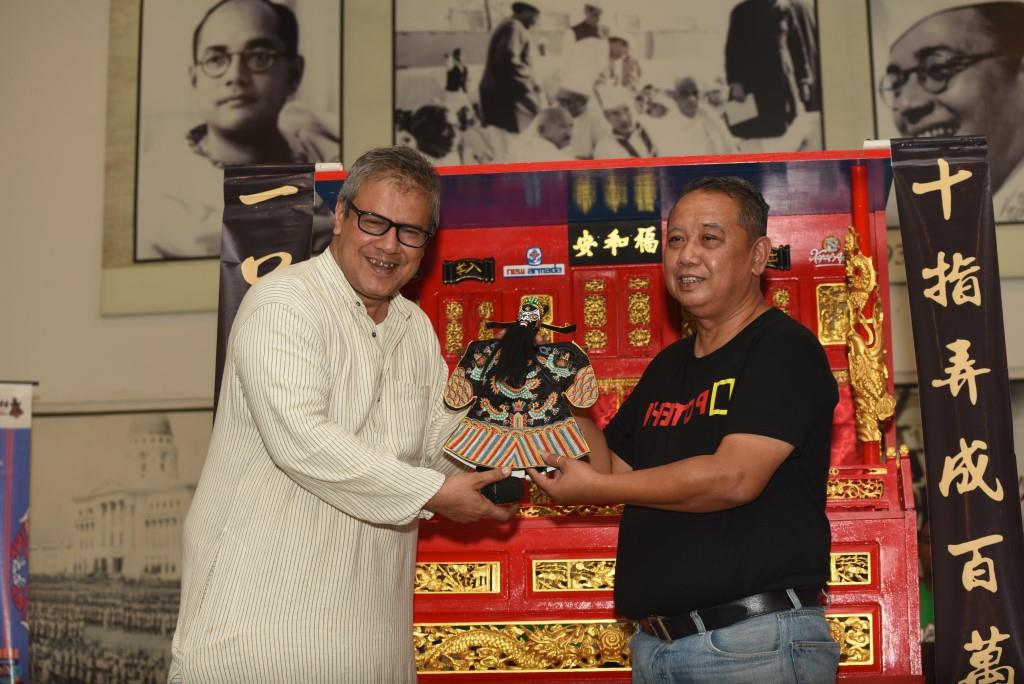
Where traditions converge, puppetry emerges as a language of connection. With this spirit of multiculturalism, an India–Indonesia cultural exchange unfolded in December 2025, using puppetry as its most expressive bridge. The programme unfolded across two interconnected events: ‘Strings Across Borders’ at Bannabagram Baul Ashram and ‘Shared Worlds: India–Indonesia Colloquium on Oral Traditions and Cultural Memory’ at Netaji Bhawan, Kolkata. This wonderful collaboration took place with Asosiasi Tradisi Lisan (ATL), led by Pudentia Purenti. As an organisation dedicated to safeguarding and documenting oral traditions of Indonesia, it amplifies the work of researchers and cultural practitioners.
Wayang Potehi: Glove Puppets of Indonesia
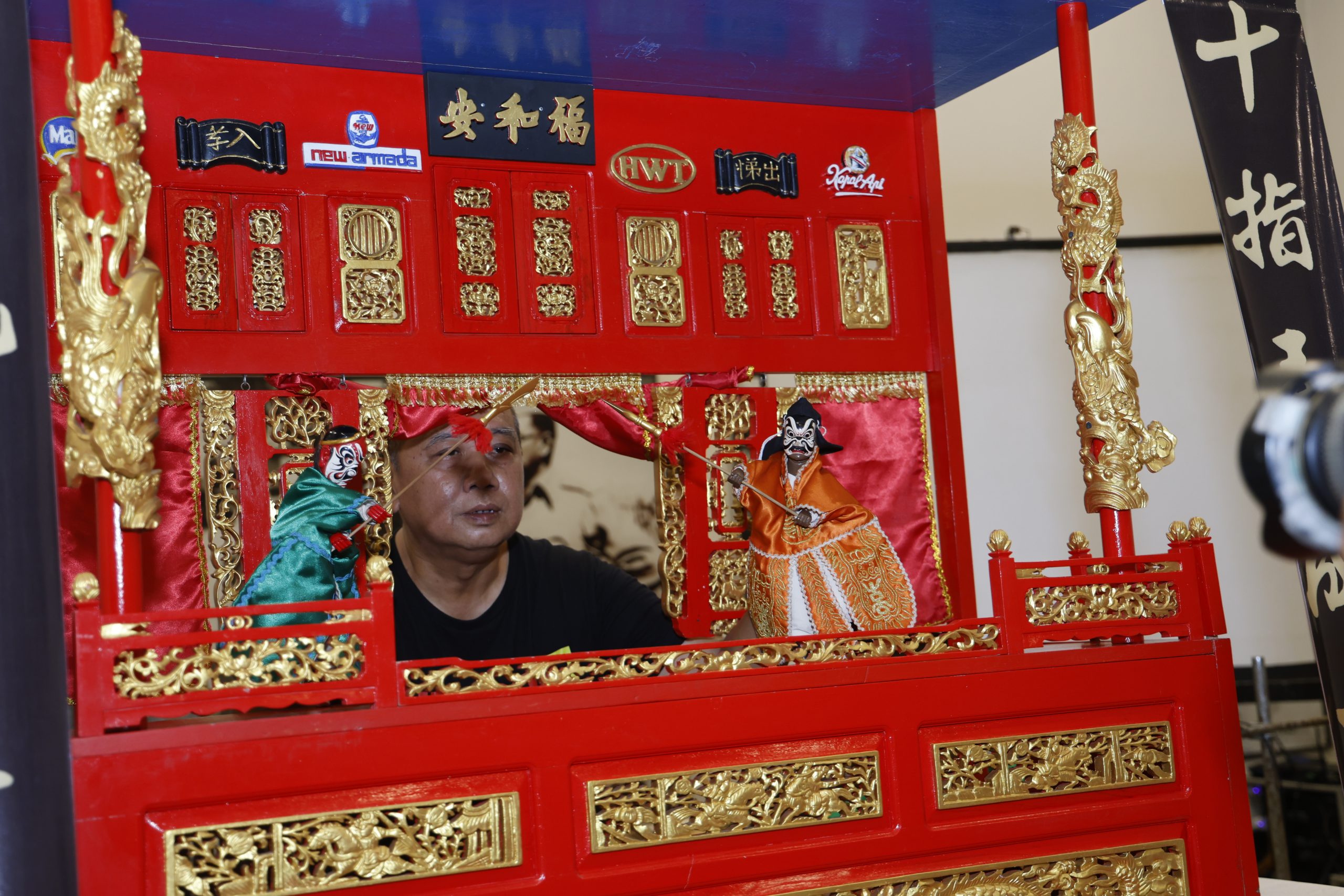
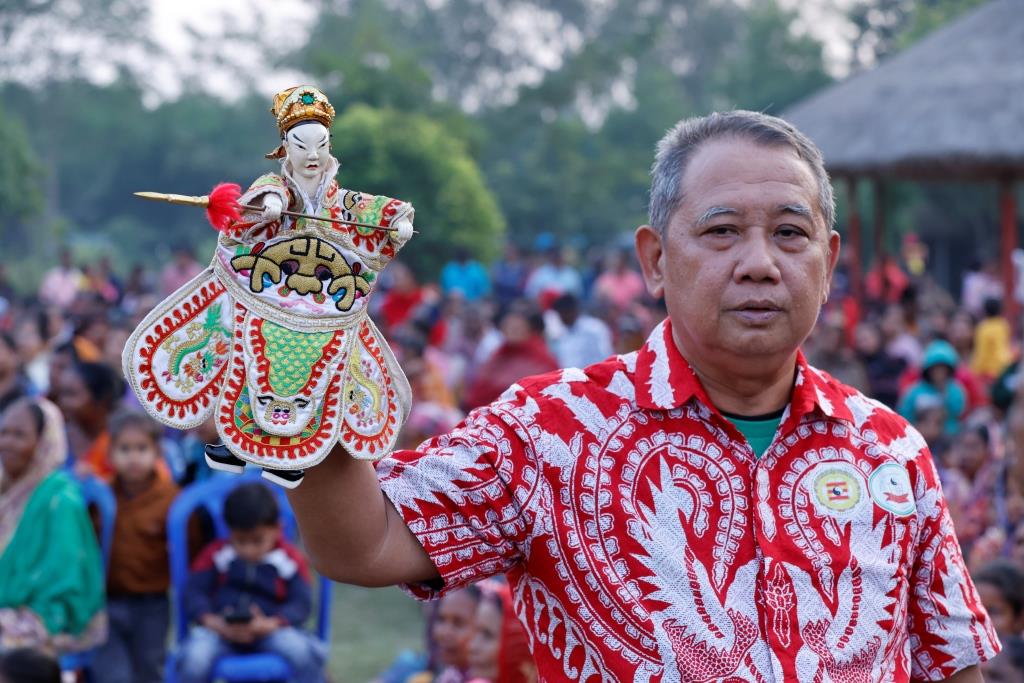
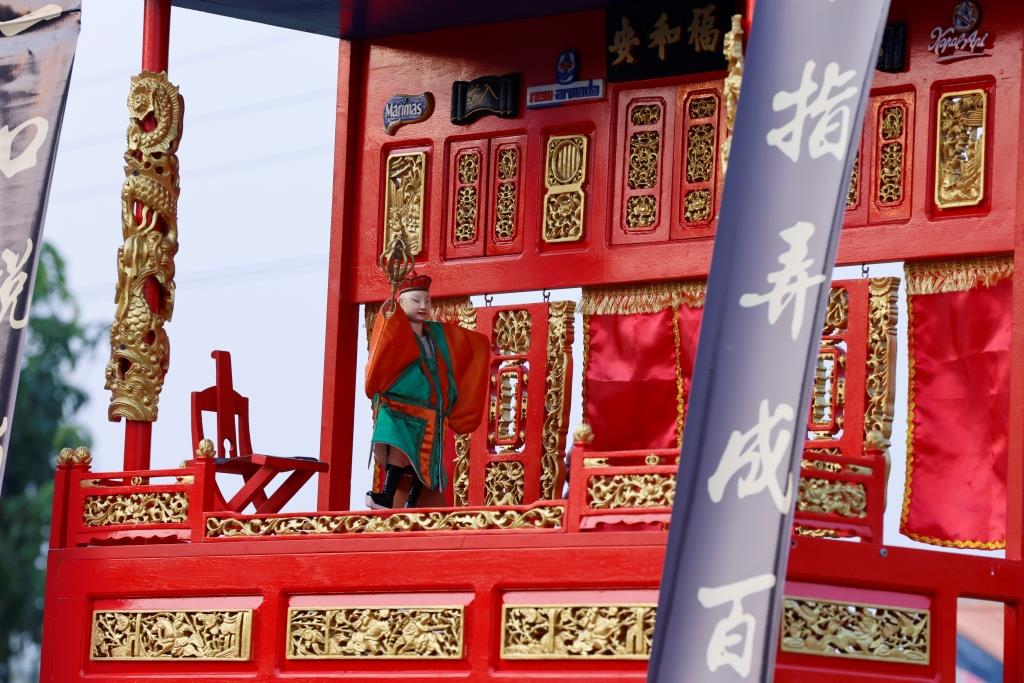
At the heart of the exchange was Wayang Potehi, a form of glove puppetry brought to Indonesia from China in the eighteenth century. The word wayang refers to imagined figures or shadows, while potehi—derived from the Chinese budaixi—literally means “cloth sack performance.” Performed with richly costumed glove puppets, Wayang Potehi is both intimate and expressive, allowing subtle movements to convey complex emotions.
Preserved largely by Sino-Javanese communities in East Java, Wayang Potehi extends far beyond the conventional stage. It continues to thrive as a ritual tradition within temple spaces, where performances are both offerings and acts of cultural continuity. The history of Wayang Potehi is also marked by resilience. During periods of political restriction under dictatorship, when Indonesian-Chinese cultural expressions were suppressed, these performances continued quietly, often in secrecy. This legacy adds another layer of meaning—each performance reaffirms a collective identity. Today, a new generation of puppeteers is working with dedication to revive and sustain this form. Among them is renowned puppeteer Toni Harsono, leader of the Fu He An troupe, who brought these traditions to life during his visit. His performances utilised classic stories such as Journey to the West, where a young Buddhist monk takes a pilgrimage to India, and the legend of Guan Yu from the late Han dynasty.
A Journey Through Indian Puppetry
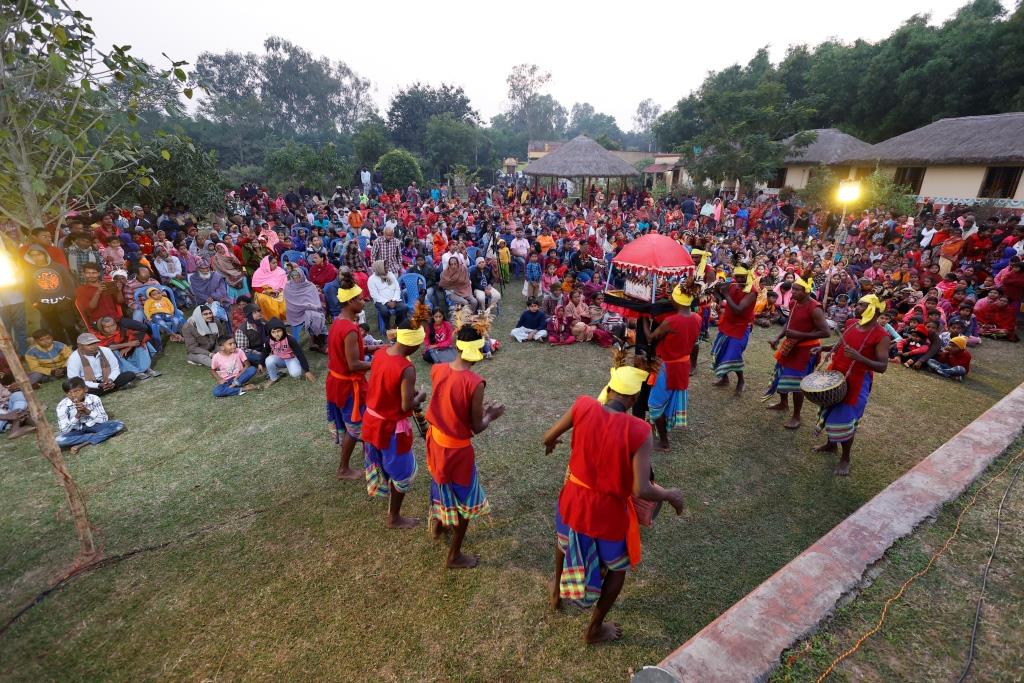
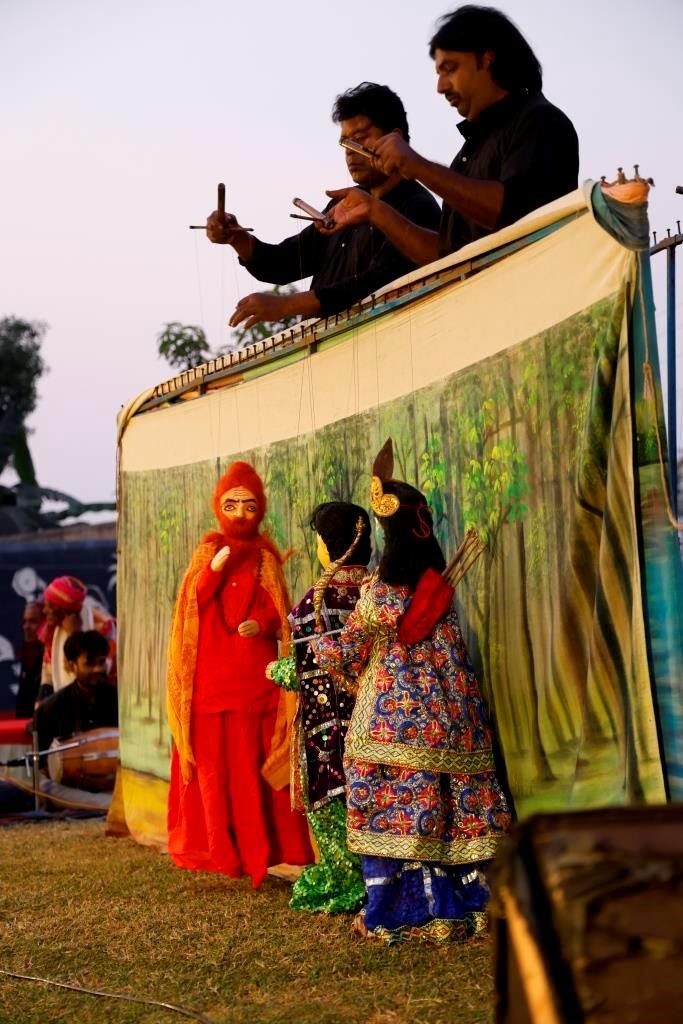
The Indian side of the exchange was equally rich. At Bannabagram Baul Ashram, Bengal’s Chadar Badar and Putul Naach traditions shared the stage, revealing how puppetry in India ranges from ritual performance to folk entertainment, from village courtyards to modern theatres.
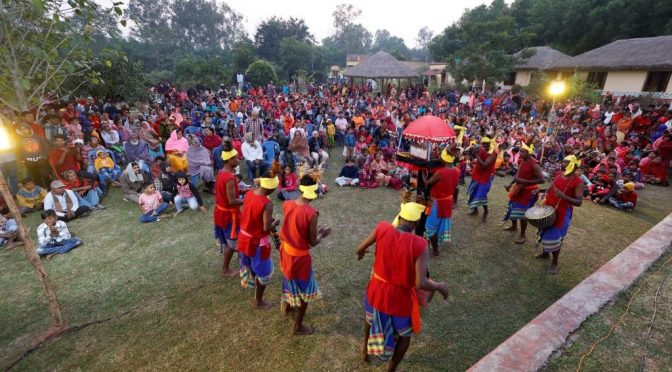
Chadar Badar is a unique form of Santhal puppetry, where the puppets are operated under a canopy-like structure. What unfolds beneath this canopy is folk education, storytelling, and community memory brought to life. Through an inventive lever system, hand-carved wooden puppets dance in unison to the rhythms of the dhamsa, madol, and khorkoto. Several artist clusters around Ausgram, Purba Bardhaman, include dedicated artists, bringing this heritage to life at the event.
Putul Naach artists from Nadia highlighted the string puppetry traditions of Bengal. With handpainted backgrounds of homes and forests, and puppets representing everyday people to animals, Putul Naach bound the audience in fond nostalgia and laughter.
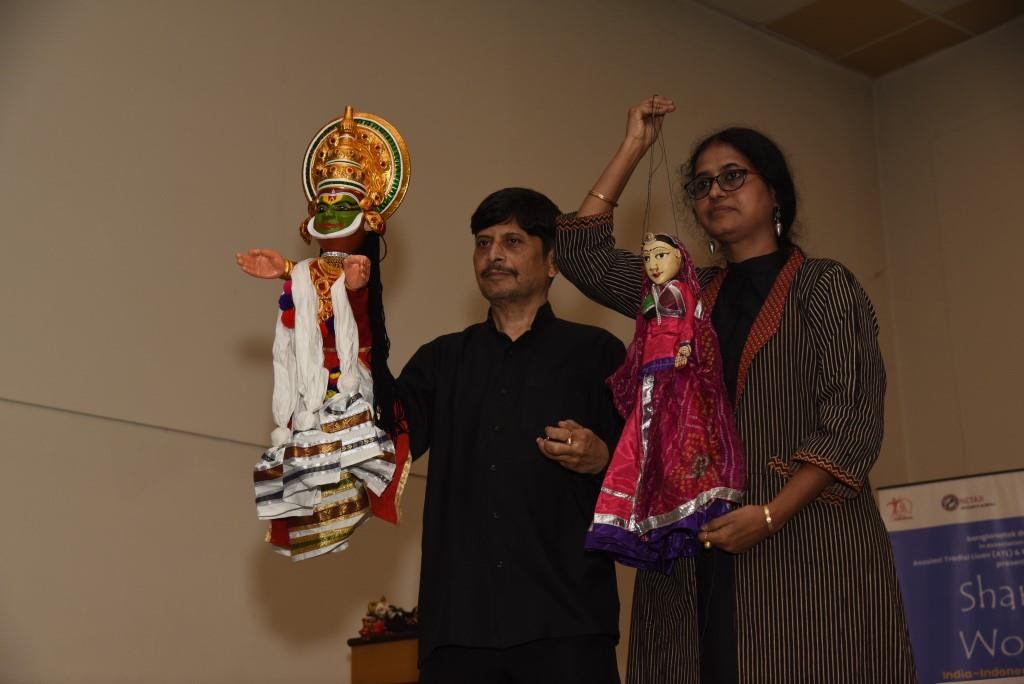
This diversity was also beautifully expanded in the lecture-demonstration by Sangeet Natak Akademi awardee Sudip Gupta and Shreeparna Bhanja Gupta, who took audiences at Netaji Bhawan on a journey across India’s puppetry landscape. From the lyrical Putul Naach of Bengal, to the witty glove puppets of Gulaabo Sitaabo from Rajasthan, and the stylised puppets of Pava Kathakali from Kerala, the presentation showed how each region moulds puppetry according to its language, music, beliefs, and aesthetics.
The events revealed puppetry not as a single art form, but as a family of traditions: each distinct, yet united by stories, craftsmanship, and imagination. Audiences could also find common ground between the forms, be it Wayang Potehi, Chadar Badar, Putul Naach, or Gulaabo Sitaabo. Visual and auditory spectacle aside, puppetry is also utilised across cultures as a medium for social messages—often through humour and satire.
Colloquium on Oral Traditions: Scholars, Stories, and Cultural Memory
Besides occupying its space in theatre, puppetry is also an important oral tradition—transmitting cultural knowledge and values through storytelling. From lullabies and mythic tales to rituals, oral traditions go unnoticed and underappreciated as a form of intangible cultural heritage. When these practices are not passed on within communities and different generations, they may be forgotten, lost forever.
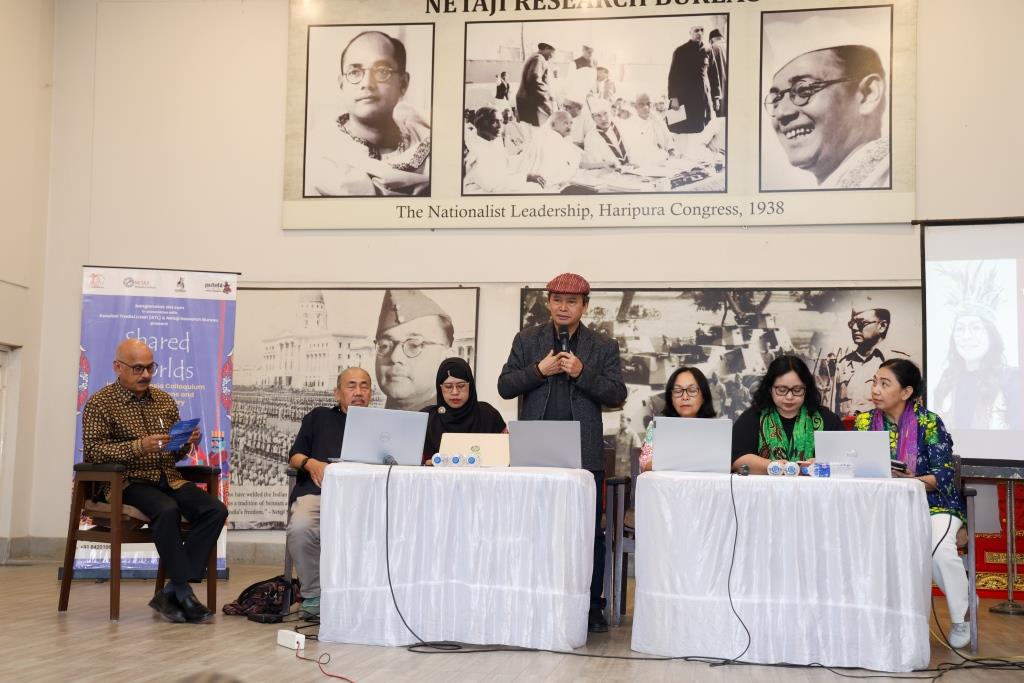
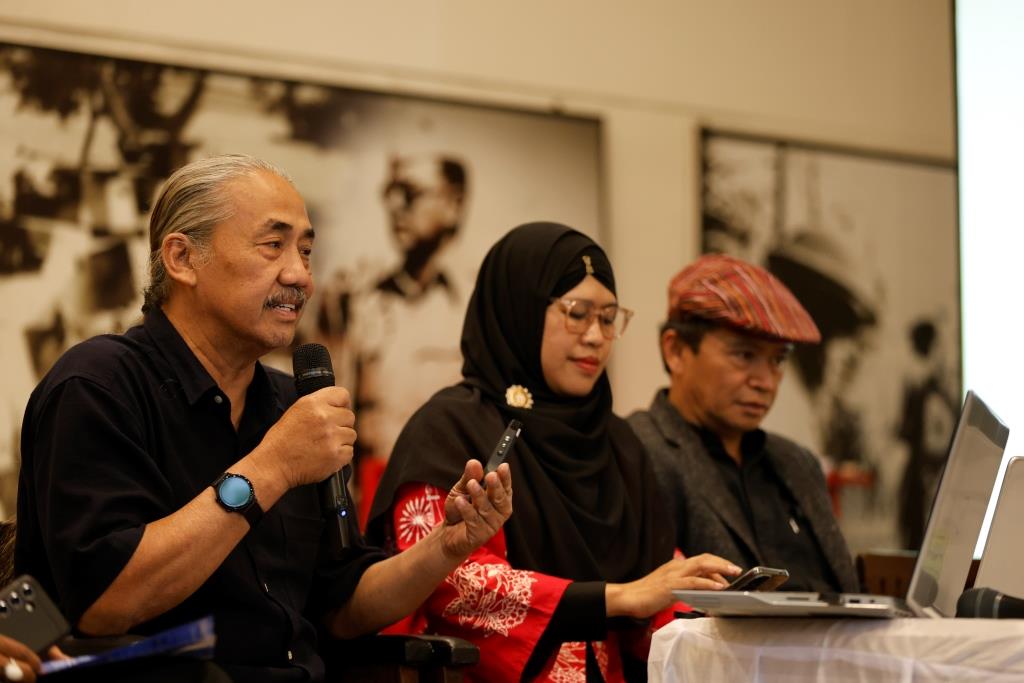
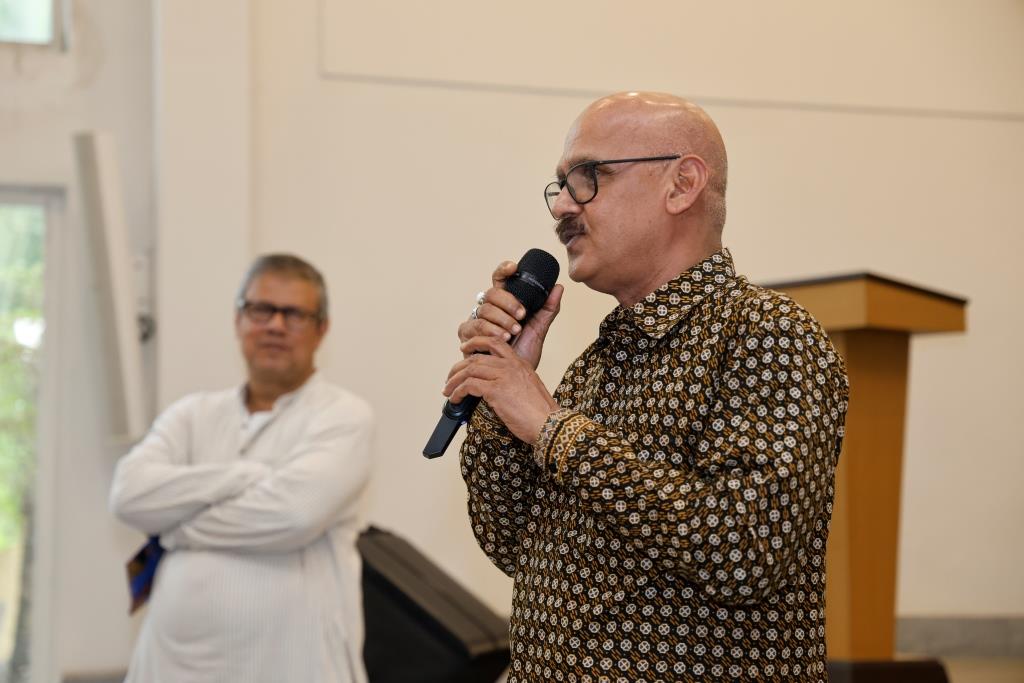
At Netaji Bhawan, the colloquium, ‘Shared Worlds: Oral Traditions and Cultural Memory’ on December 4 deepened this dialogue. Through their scholarship, Indonesian researchers from all over the archipelago explored how oral traditions function as living knowledge systems. These systems not only transmit cultural knowledge, but also operate as an implicit pedagogical tool, i.e. indirectly teach younger generations about social and moral values.
Javanese Puppetry by Eko Suwargono: How can puppet shows be a masterclass in leadership? By weaving lessons about government and ethics into every performance, puppetry helps a community decide what values they want to live by and keeps those traditions alive for the next generation.
The Manguni Myth by Clartje Awulle: For Minahasan communities, the legend of the Manguni owl goes beyond the myth. As a divine omen from the gods, it is a signal for harvests or future danger. However, it also becomes a moral compass, providing a shared set of social rules and surveilling communities.
Nias Marriage Traditions by Ni Wayan Sumitri: Wedding celebrations among the Nias people are special, in that they preserve a rare form of language as part of their rituals. This practice, while dwindling, maintains their roots to Austronesian cultures of the past.
The “Thousand-Legged” House by Donna Sampaleng: Imagine a Thousand-Legged House! Building the Arfak people’s Rumah Kaki Seribu is intense work: it also gives children an important lesson on building character and the importance of collective strength.
Across different presentations, a common pattern emerged: oral traditions are not frozen in time. They evolve, adapt, and respond—however, they also serve important functions in society. Puppetry, myth, and narrative were shown to be tools for teaching values, strengthening social bonds, and maintaining cultural continuity.
Shared Threads
Together, these days of performance, discussion, travel, and informal interaction revealed a simple truth: cultures may differ in form, but they meet in emotion. Whether through a cloth puppet in a temple in East Java, or a wooden puppet in a Bengal village, stories continue to help people understand who they are and where they belong.
Strings Across Borders and Shared Worlds reminded everyone present that cultural heritage lives most fully when it is shared, celebrated, and carried forward together. Here, cultural exchange emerges as a powerful tool. Through sharing the diversity of our traditions, it can build new relationships, and generate a mutual appreciation between cultures.
Chief Guest M.K. Singh, reflecting on the years he spent working in Indonesia, recounted tales of watching Wayang Kulit puppetry performances. He spoke about how myths like the Ramayana and Mahabharata are reinterpreted, blending with local cultures into something unique and beautiful.
In a world increasingly divided, these puppets — guided by hands, voices, and memory — quietly proved that storytelling still has the power to connect nations, generations, and hearts.