Folk traditions like Chau and Jhumur are not merely performance forms; they are living cultural expressions that weave together myth, memory, identity, and everyday life. Rooted in the soil of Purulia and surrounding regions, Chau is a vigorous, martial masked dance theatre form known for its stylized storytelling, athletic choreography, and elaborate masks. Three regional styles—Purulia, Mayurbhanj, and Seraikella—come together in Chau, with Purulia Chau being the most widely performed in West Bengal.
Jhumur, on the other hand, is the poetic soul of rural Bengal. It is a folk song tradition echoing love, nature, philosophy, and social realities—often performed with dance, but equally evocative when sung alone. Jhumur reflects the emotional and spiritual landscape of the community it belongs to.
The richness of these traditions has been preserved and advanced by generations of dedicated artistes. Among them stand three towering figures—Nepal Mahato, Mihirlal Singh Deo, and Salabat Mahato—whose lives were devoted to the revival, expansion, and safeguarding of Chau and Jhumur.
Nepal Mahato: The Global Voice of Chau
After the legendary Gambhir Singh Mura, Nepal Mahato emerged as one of the most iconic figures in the Chau tradition. Born on 17 June 1954 in Abadan village of Purulia, Nepal Mahato was not just an artist, but a Guru and visionary. Trained in all three forms—Purulia, Mayurbhanj, and Seraikella—his early exposure to Chau came during his school years at Shikshashatra High School, under his first Guru, Anil Mahato.
 His artistic journey blossomed under the guidance of cultural patrons like Ajit Mitra and Dulal Chowdhury, leading him to form his own troupe in 1975. A major milestone came in 1980, when his troupe won a prestigious competition organised by the Academy of Folklore. His international debut followed soon after, with a landmark performance in London in 1982, making him the second global ambassador of Chau after Gambhir Singh Mura.
In 1983, Nepal Mahato was honoured with the Padma Shr i for his role in protecting the authenticity of Chau and opposing its distortion. He performed in countries like Sweden, Canada, France, and Switzerland, captivating global audiences with the fierce beauty of Chau.
To ensure the continuity of this tradition, he founded a Chau Training Centre in his village in 1982, where he trained over 500 artists. In 1994, he took on the role of Supervisor at the Dr. Ambedkar Folk Art Fellowship, further solidifying his contribution to the cultural ecosystem.
Nepal Mahato passed away on 16 March 2019 in Cuttack at the age of 66. His legacy lives on through his students, his centre, and the cultural bridges he built across the world.
Mihirlal Singh Deo: The Modern Saint of Jhumur
A pioneer in the popularisation of Jhumur songs beyond Purulia, Mihirlal Singh Deo was born in 1939 into a Zamindar family in Rajnawagarh under the Kenda police station. Though trained in  classical music—an artistic tradition in his family—he defied convention by embracing the folk form of Jhumur, guided by the renowned artist Ramkrishna Ganguly.
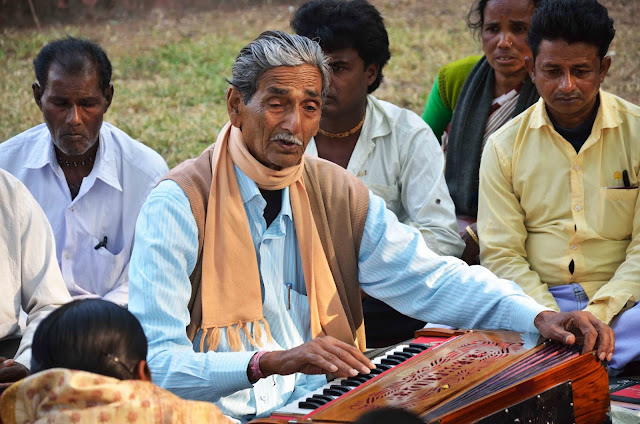 Mihirlal played a pivotal role in reviving solo Jhumur singing, proving that the form could stand powerfully even without dance accompaniment. His deep voice, lyrical sensitivity, and contemporary themes made Jhumur relatable to new generations. His compositions ranged from spiritual tales of Radha-Krishna to environmental and social themes.
One such song, rooted in environmental consciousness, goes:
“Jal batash mati kono na rohilo khati, poribeshe dhorilo bhangon…
Bhumisantan tomrai paro prakriti ke roksha koro.”
Another reflected on the devastation caused by elephants in tribal villages—blending folklore with realism.
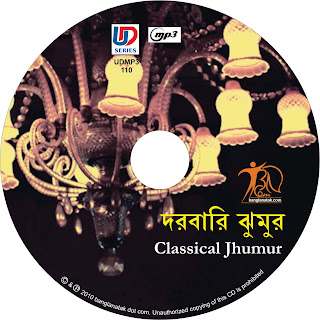
Celebrated by stalwarts including Pandit Ravi Shankar, Mihirlal’s musical influence was far-reaching. In 2010, he collaborated with Salabat Mahato and Amulya Kumar on the album Darbari Jhumur, released by BNC Musical.
He passed away on 18 January 2018, leaving behind a renewed, reimagined Jhumur tradition that continues to inspire.
Salabat Mahato: The Torchbearer of Jhumur’s Originality
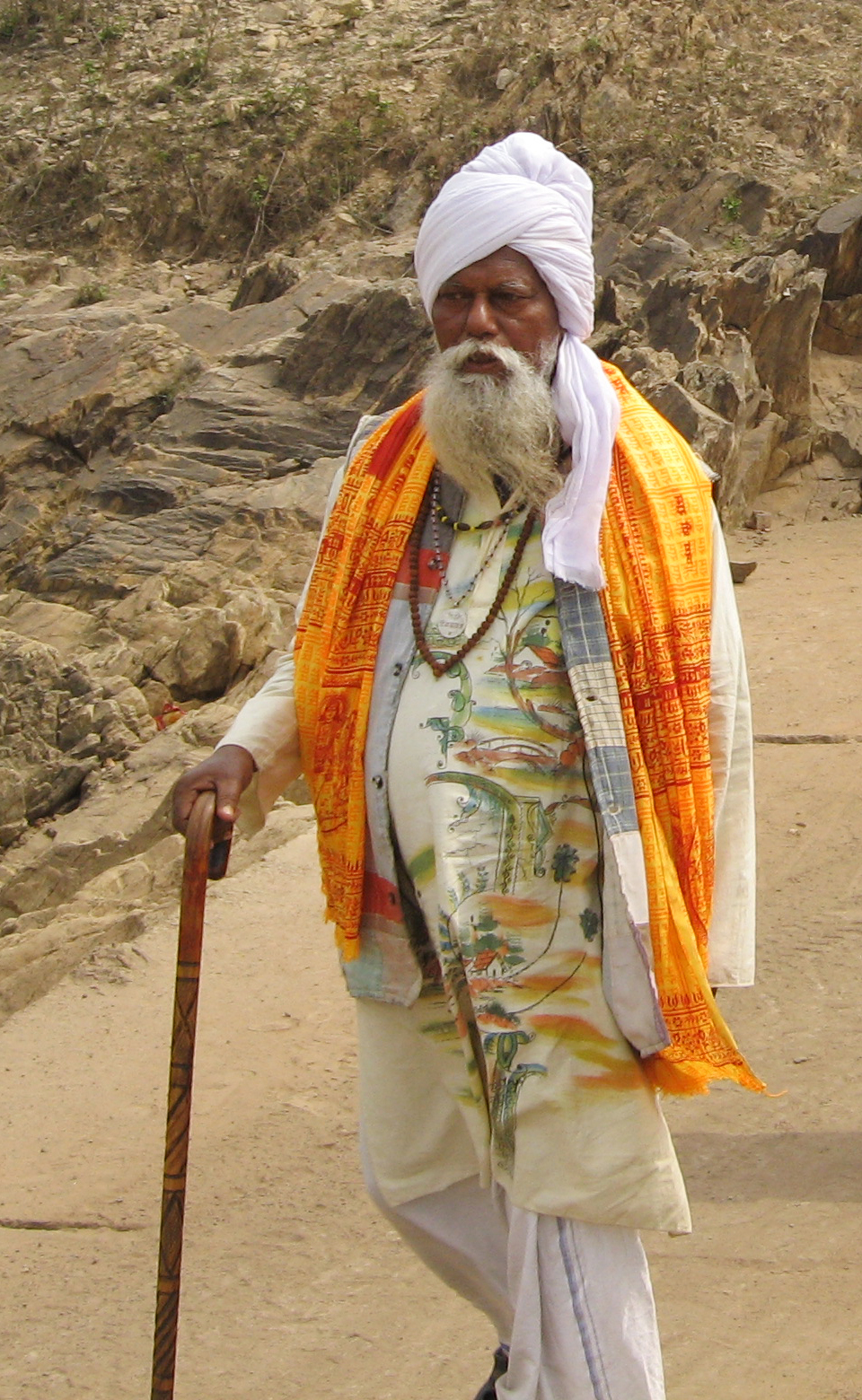 Salabat Mahato was both a Guru and a guardian of Jhumur’s authenticity in the modern era. Born into a humble farming family in Latpada village under Barabazar police station, Salabat was a gifted lyricist, composer, and singer whose influence reached far beyond Purulia.
He is credited with reviving and preserving the purity of Jhumur across Bengal, Bihar, Jharkhand, and Odisha, at a time when folk traditions were being diluted or forgotten. Salabat composed songs rich in both lyrical depth and rural wisdom. Some of his notable lines include:
“Chander gayete kalanka roeche, tobu loke chand here go,
Premer majhete biraha roeche, tobu kano prem kore go.”
And also:
“Asha jawa bhaber khela, arai diner tore mela he,
Keu baa bar kore ninde, keu ba ador kore he.”
Salabat’s repertoire also reflected Baul philosophy, transcending the limits of one genre. 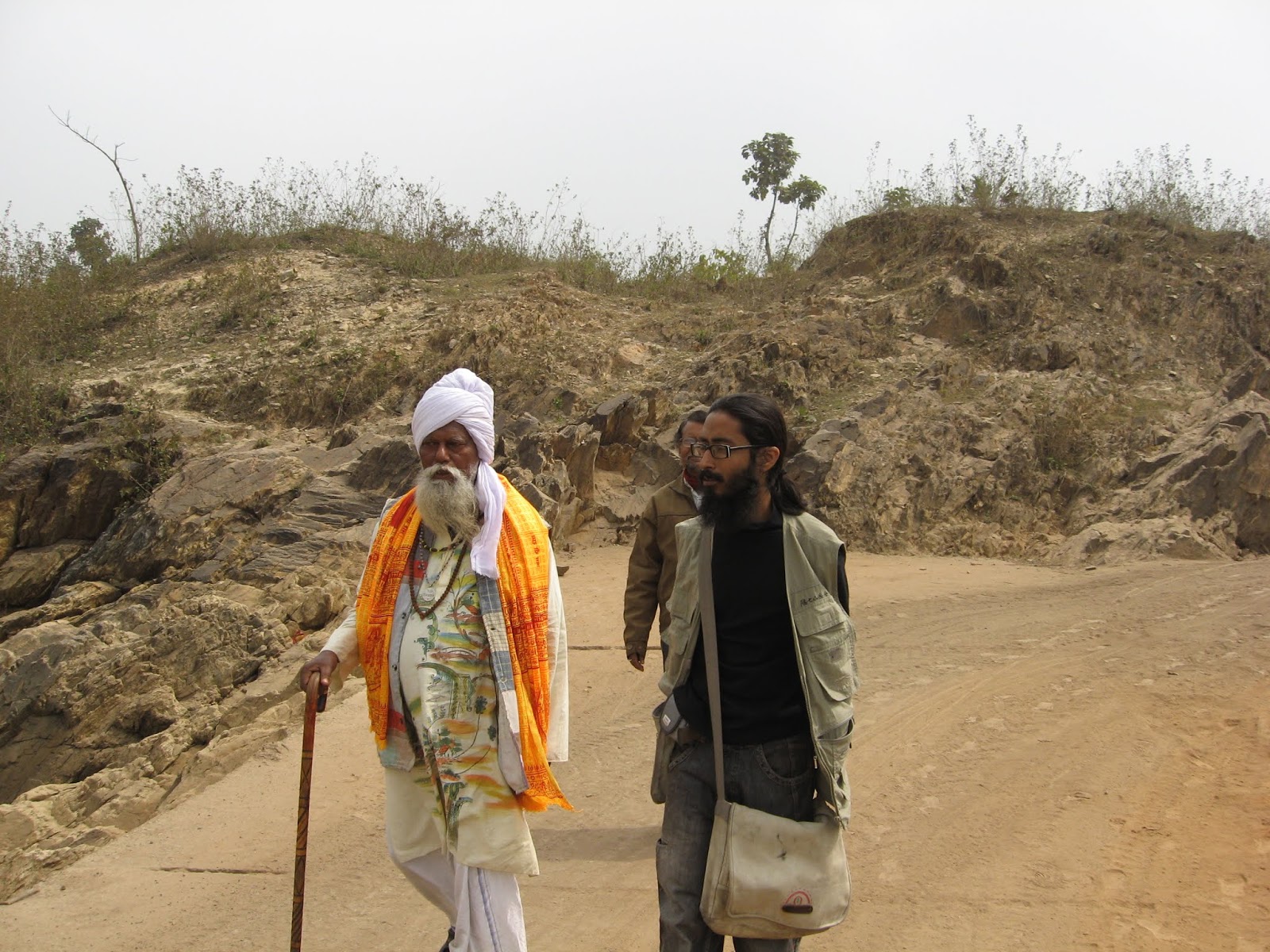 His contributions earned him accolades like the Abbasuddin Award and the Lalon Award from the Government of West Bengal. A short film was made on his life and work, attesting to his stature in the cultural world.
He passed away on 9 January 2017, but his songs and teachings continue to inspire folk musicians and enthusiasts.
Legacy in Collaboration
In 2010, three legends—Salabat Mahato, Mihirlal Singh Deo, and Amulya Kumar—came together to record the seminal album Darbari Jhumur, a landmark contribution to the preservation and dissemination of authentic Jhumur songs. This collaboration marked a confluence of deep-rooted tradition and visionary artistry.