Women Safety Accelerator Fund
The Women Safety Accelerator Fund (WSAF), launched in 2021, envisions creating safe, equitable, and inclusive workplaces for women and girls across tea estates in Assam, West Bengal, Kerala, and Tamil Nadu. Across more than 350 tea gardens, the initiative has steadily worked to strengthen grievance redressal mechanisms, support women in voicing their concerns, and build stronger linkages with government systems—so that care and protection services are not just available, but within reach.
As the programme evolved into WSAF 2.0, it expanded its focus to areas that shape everyday wellbeing—Sexual and Reproductive Health (SRH) and digital financial literacy—recognising that safety is not only about protection, but also about awareness, access, and informed choices.
Yet, even as these systems grow stronger, a question remains: how do they truly reach people in their everyday lives?
A Place Too Far from Help
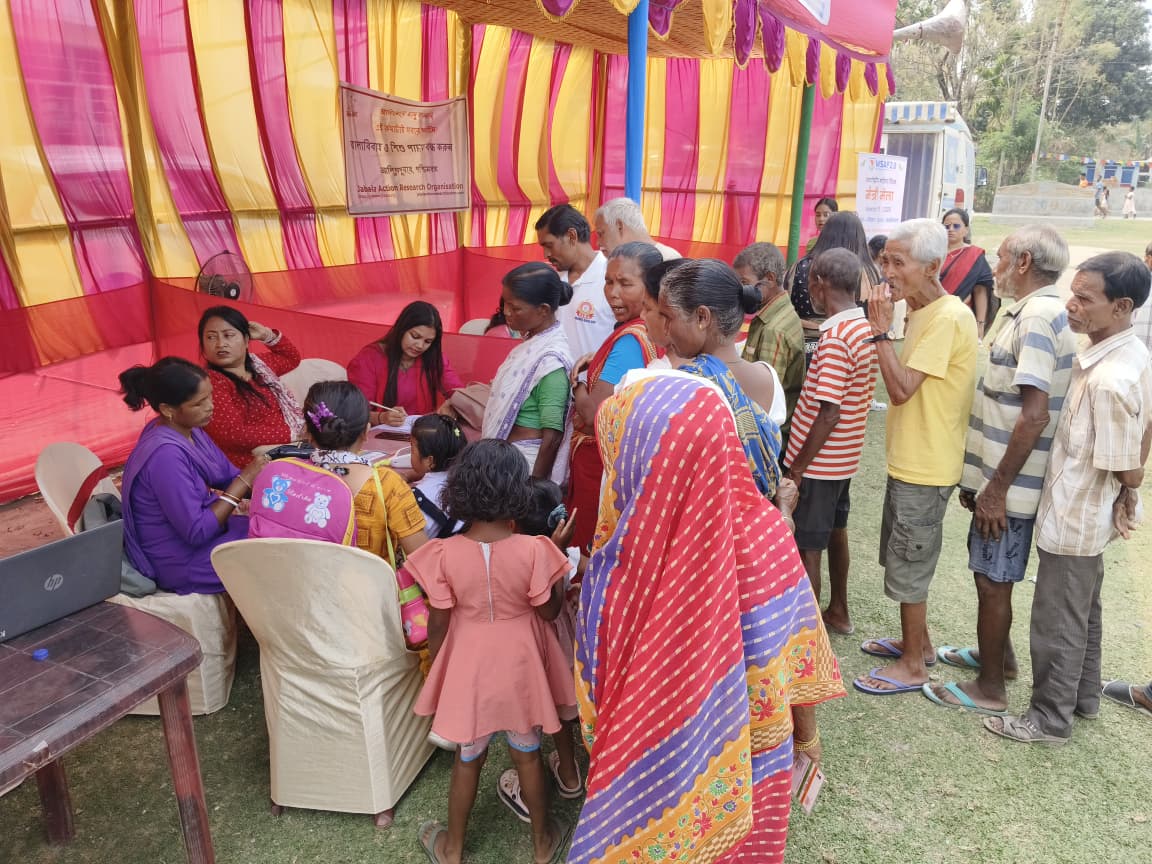
In the tea estates of North Bengal, distance is not just measured in kilometres, it is felt in delayed care, missed opportunities, and unheard concerns. For many families, accessing a doctor means travelling 60–70 kilometres. In moments of urgency, this distance can become a barrier too heavy to cross. But the challenge goes beyond geography. Limited exposure to information and services means that many people are unaware of the care and protection systems that exist for them. Over time, this creates an invisible divide; where services exist, but remain out of reach; where support is available, but not accessed.
When Services Come Closer
What if, instead of communities travelling long distances, services came to them?
Maitri Mela was built on this simple yet powerful idea—to bring essential services directly into the heart of the tea estates. More than just an event, it became a space where healthcare, legal aid, psycho-social support, and financial knowledge could meet the everyday realities of people. A space where conversations could begin, questions could be asked, and trust could slowly take root.
A Day That Changed the Usual Rhythm
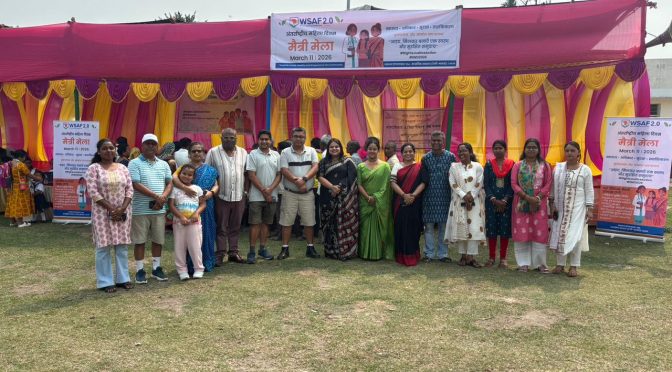
On March 11, Kumargram Tea Estate looked different. What is usually a quiet, work-driven landscape turned into a lively, buzzing ground of interaction. Organised in collaboration with Kumargram and Sankos Tea Estates, Maitri Mela created a rare moment where communities and service providers stood side by side.
Doctors arrived not in distant hospitals, but within walking distance. A Mobile Medical Unit and a free eye check-up camp ensured that healthcare was not something to be sought far away, but something available right there. A team of 12 health professionals engaged with people directly, opening up conversations around Sexual and Reproductive Health; topics that are often left unspoken, yet deeply important.
More Than Services—A Space to Learn and Speak
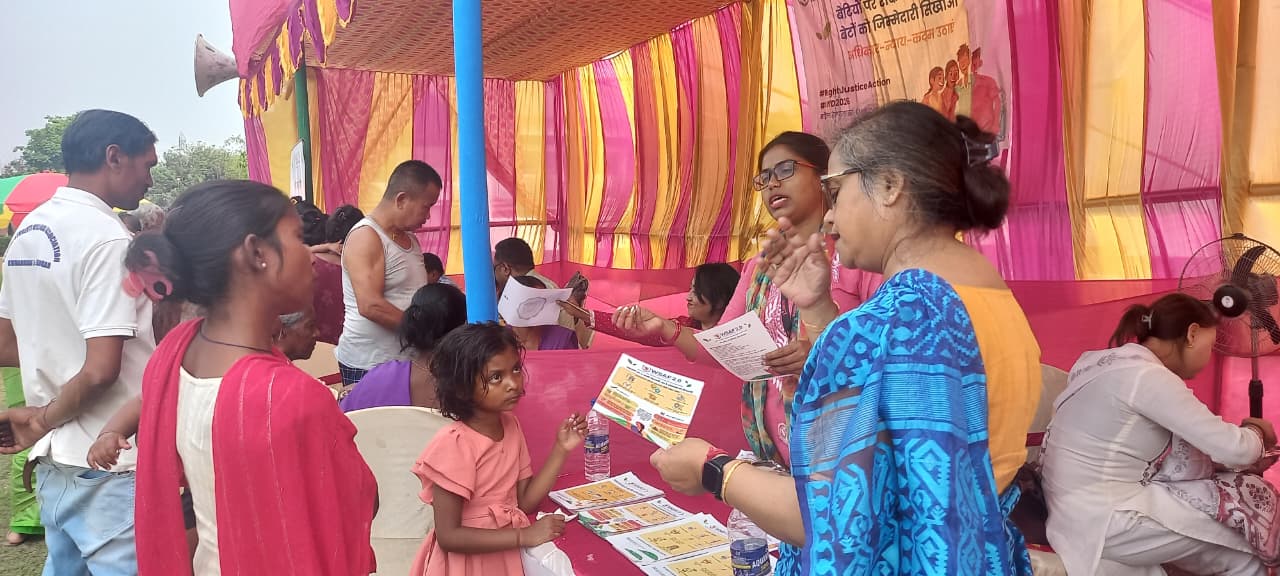
Across the mela grounds, conversations unfolded in many forms. Organisations like Jabala Action Research Organisation and CINI connected with families on issues of child protection, responsible parenting, and the use of helpline services. These were not just sessions—they were moments of clarity, where people began to understand where to turn in times of need.
Nearby, bank representatives spoke about savings, insurance, and financial safety—helping people navigate a world where financial fraud is becoming increasingly common. For many, it was the first time these topics were explained in a way that felt relevant to their lives.
Joy, Reflection, and Togetherness
What made Maitri Mela truly come alive was its spirit of participation. Children laughed and performed, bringing colour and energy to the day. Adults and young people took part in gender-reversal games—simple yet powerful activities that gently challenged everyday norms and sparked reflection.
It was not just about receiving information—it was about experiencing something together as a community.
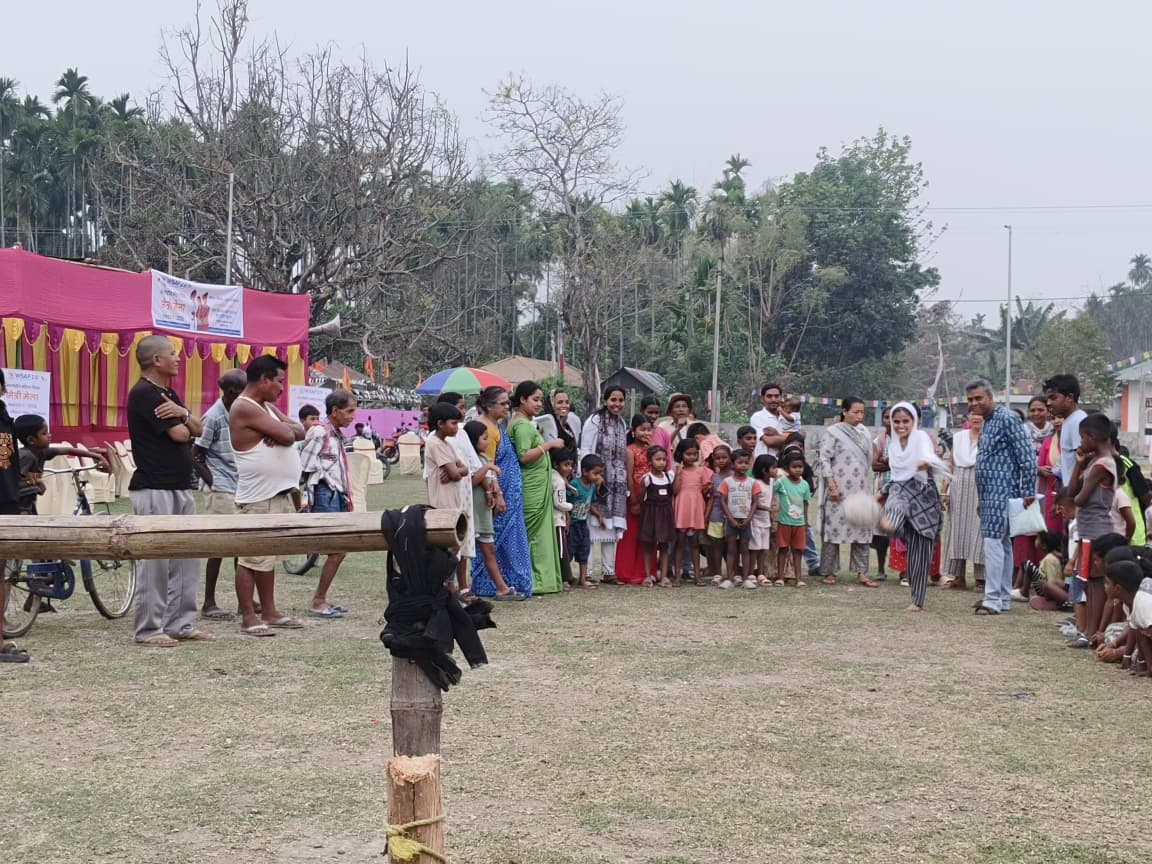
A Crowd That Spoke for Itself
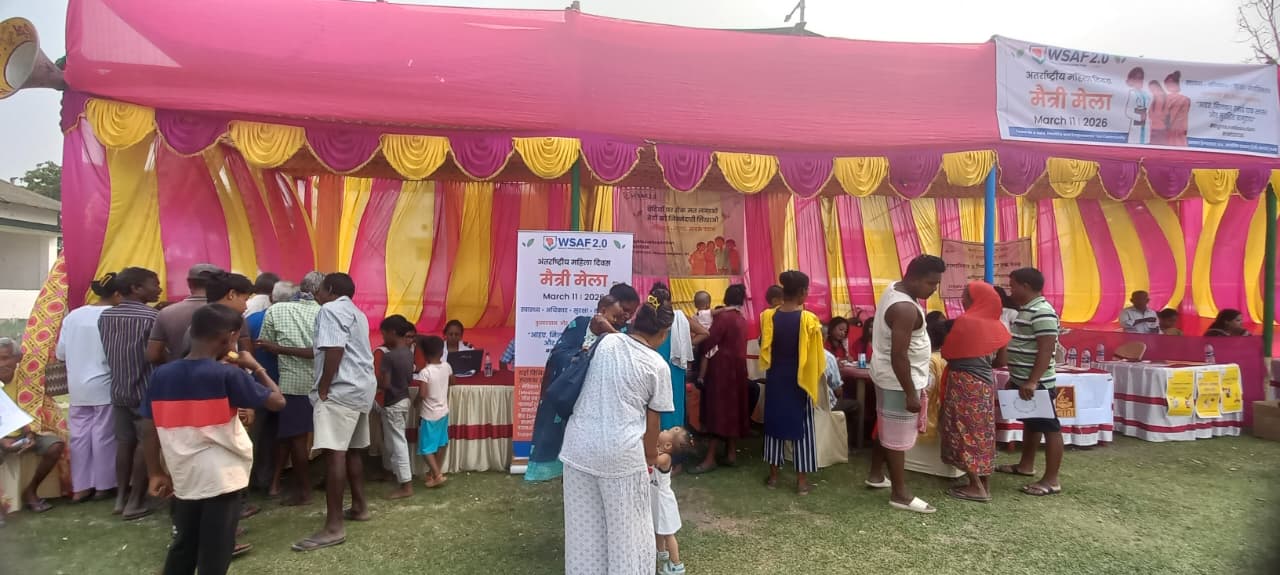
With over 1700 people attending, the mela was more than well-received—it was needed. The turnout reflected a quiet truth: when access is created, people show up. When spaces feel safe and relevant, people engage.
Beyond a Single Day
Maitri Mela did not just fill a gap for a day—it showed what is possible when services meet people where they are. It demonstrated that bridging distance is not only about infrastructure, but also about intention, design, and trust.
In places where systems often feel far away, Maitri Mela brought them closer—turning distance into connection, and information into empowerment.
Author : Puja Mondal