Summary of the Blog-
The Women Welding the Workplace (WWW) initiative, launched by Contact Base and the U.S. Consulate General Kolkata, aims to strengthen women’s economic participation across South Asia and beyond. A key milestone was the #mPowerWomen@Work Meet (May 2023), which brought together entrepreneurs, policymakers, investors, and experts from India, Bangladesh, Nepal, and the USA. The discussions highlighted critical issues such as access to finance, market linkages, skill development, leadership, and workplace wellbeing. Experts emphasized the importance of regional collaboration, supportive ecosystems, and gender-inclusive policies to empower women entrepreneurs. The initiative demonstrates how networks, mentorship, and knowledge sharing can accelerate women’s leadership and economic empowerment across the region.
In a world striving for equality and inclusivity, initiatives that champion women’s empowerment and economic participation are crucial for driving meaningful change. One such remarkable project, “Women Welding the Workplace (WWW),” has been making waves since its inception in 2021. A collaboration between Contact Base and the U.S. Consulate General Kolkata, with a clear vision to develop a sustainable intergenerational regional network that would unite industry experts, domain specialists, statutory compliance professionals, entrepreneurs, media influencers, investors, and life skill and wellness experts. This network would collectively support capacity building, mentoring, knowledge sharing, and the creation of supportive policies and work environments. With a focus on Bangladesh, India, Nepal, and the USA, the project aspires to drive positive change across borders.
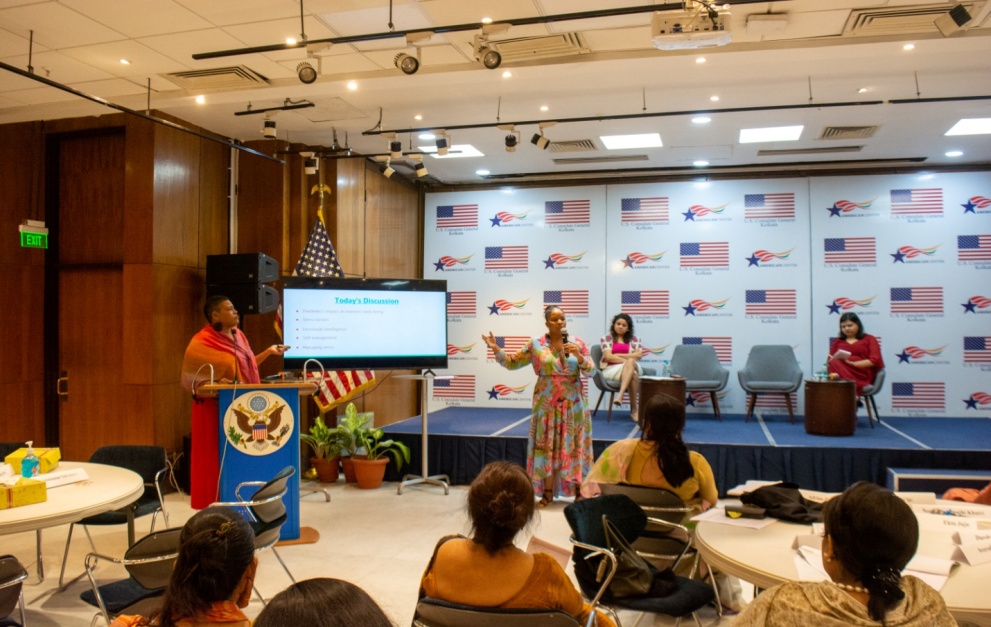
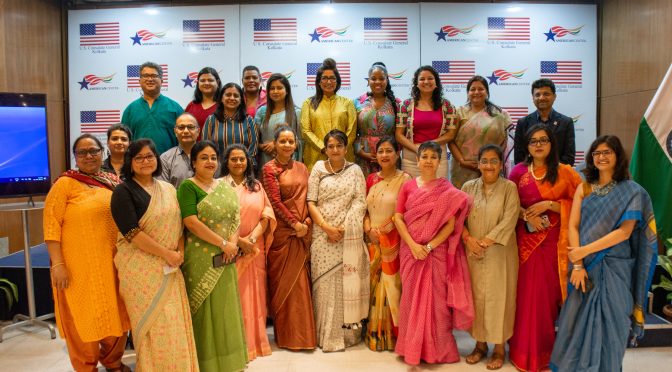
A highlight of WWW’s journey was the two-day “#mPowerWomen@Work Meet,” held at the American Centre Kolkata on May 30th and 31st, 2023. The event brought together an array of prominent figures: business leaders, change-makers, entrepreneurs, and educators from the project’s target regions.
As societies strive for equality, the discussion surrounding women’s empowerment has gained traction as organizations, policymakers, and individuals recognize the need to dismantle barriers, promote diversity, and harness the full potential of women in the workforce. The meet was attended by business leaders from Bangladesh, Nepal and India. The Founder president of Bangladesh Women Chamber of Commerce and Industries, President and Vice President of Federation of Women Entrepreneurs association of Nepal were present at the meet along with business leaders like Media and Brand Manager of Mir Group, Bangladesh and Zonal head of TMSS and shed light on the current scenario of women entrepreneurship in their region. The National Director for US global Coalition joined the meet virtually and shared insights about the WGD-P initiative of American Government. Other business leaders, investors, large, small and micro level women entrepreneurs were present to create dialogue on women empowerment through financial inclusion. The Program head of WeConnect International, India Chapter and General Secretary of Association of Supply Chain Professionals were present and shared their view about supply chain management and women empowerment. U.S based wellbeing experts Kimberly M. Moore and Ednesha Sauldbury participated and shared about wellbeing of women. The two day long meet covered themes like Inclusive Access to Finance, Building Eco System for Women leadership, Skilling the Workforce and Well-being at Workplace. These figures lent their expertise to shed light on the current state of women’s entrepreneurship and business in their respective regions. Following are some of the discussions by the experts and stakeholders in women’s economic empowerment.
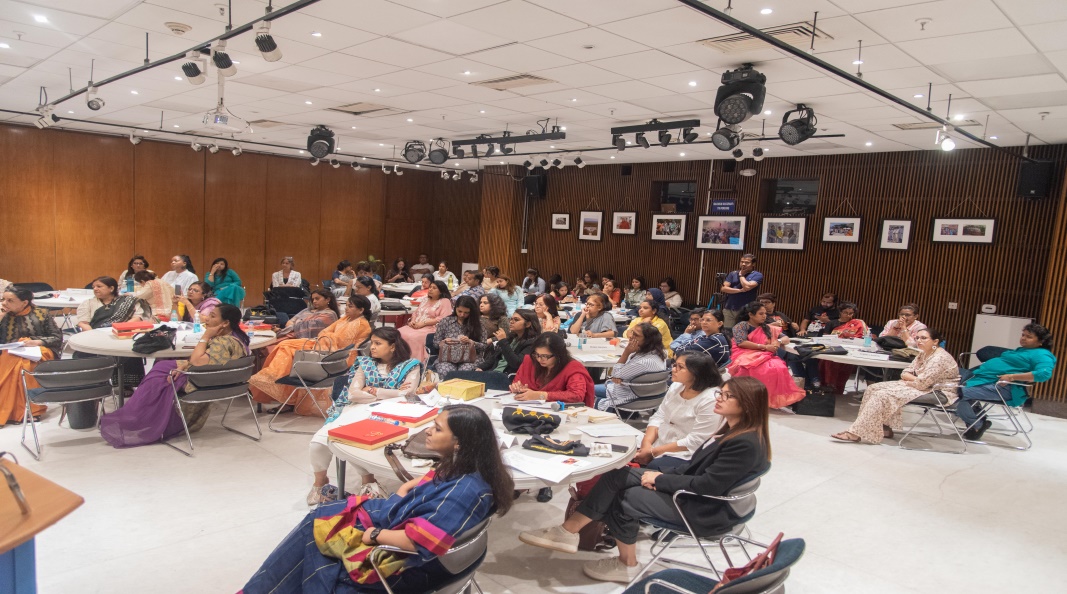
Objectives of the Meet were the following:
- Build regional coalitions and networks in South Asia to strengthen women’s leadership in the global economy.
- Explore ways of strengthening access to markets as the foundation of women’s economic empowerment.
- Explore tools and approaches to manage well-being at work and harness leadership skills at the workplace.
Rethinking Regional Coalitions: A Tailored Approach to Women’s Economic Empowerment in South Asia
The U.S Consul General, Ms. Melinda Pavek presented a short note on Women’s Economic Empowerment in Asia-Pacific. Despite, the equal pay laws, available support systems and encouraging activities the numbers of women are declining in workforce because of lack of surveillance in unorganized sectors, disparity in pay scale and unrecognized contribution of women. She also mentioned that in order to achieve the sustainable development goals there should be equal participation of men and women in the work sectors. To bring about positive change in the economy, the society needs to change, there should be supportive environment that enables women to join the workforce and sustain for a longer time, there should be access to support systems such as networks, incubators, investors and other resources, there should be gender equality in every aspect to bring out the most from the population and change the social norms, gender stereotypes to create an inclusive workplace for women.
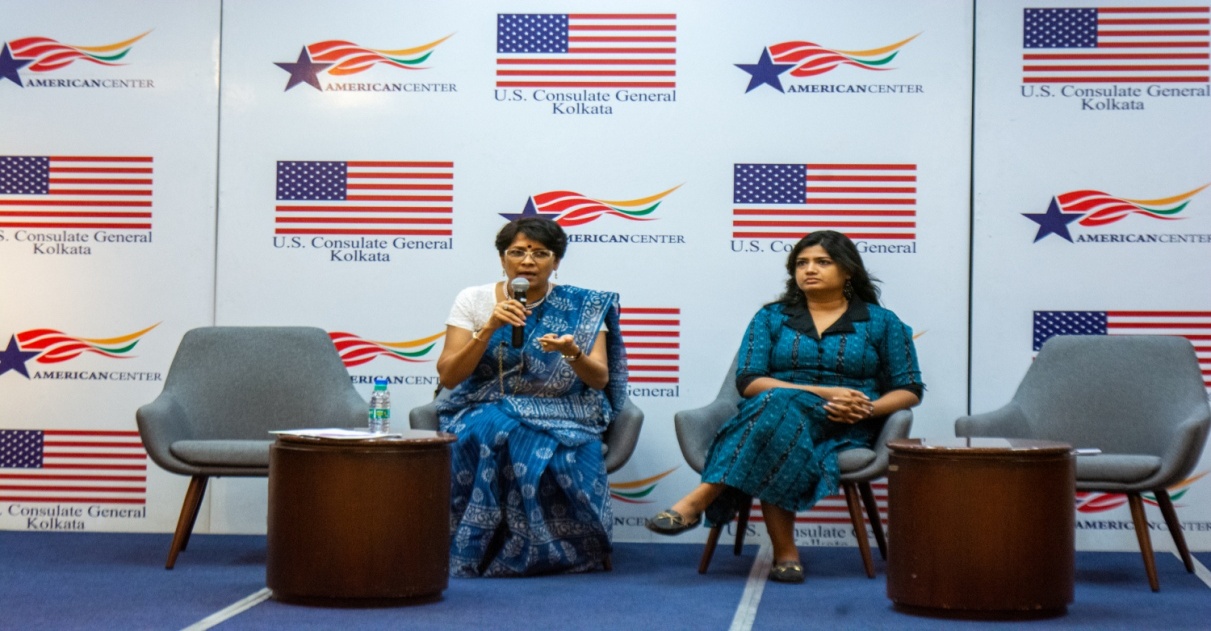
Ms. Selima Ahmad, a Member of Parliament of Bangladesh Government, Founder President of Bangladesh Women Chamber of Commerce and Industry and President of Nitol Niloy group shared insights about ‘Making Women’s Leadership in Economy a Political Priority’. She mentioned that Women’s economic empowerment leads to GDP rise hence the government must take initiatives to ensure inclusive financial access to women. Economic empowerment is not only an interest issue for the government but also for individual as financial independence inculcate confidence and self-control among women and prevent them from being dependent on their male counterpart. She also mentioned that in a poverty stricken third world country like Bangladesh, making women financially sound can be a weapon against domestic violence.
The president of Federation of Women Entrepreneurs Association of Nepal, Ms. Neeru Rayamajhi Khatri shared about Policy Priorities for Women Leadership in the Economy. She shared that Business support, networking, collaborating, capacity building is the key to empower women in leadership roles. She also shed light on the current scenario of Women Entrepreneurship in Nepal. According to her knowledge, women in Nepal are mostly homebound as primary caregivers. There is no access to economic tools for the average women. Though 29% business establishments in Nepal are run by women but 98.3% of them are engaged in very small businesses in sectors like, agro, natural fibers, handicrafts, beauty and skincare. Less than 1% of these entrepreneurs are engaged in export which hinders their economic goal. Although there are some existing support programms and government provides subsidiary loans to women led businesses still there is lack of awareness and accessibility. Lack of financial support work as constraints for international trade and export hence introducing policies to reduce trade time and cost is inevitable for women led enterprises.
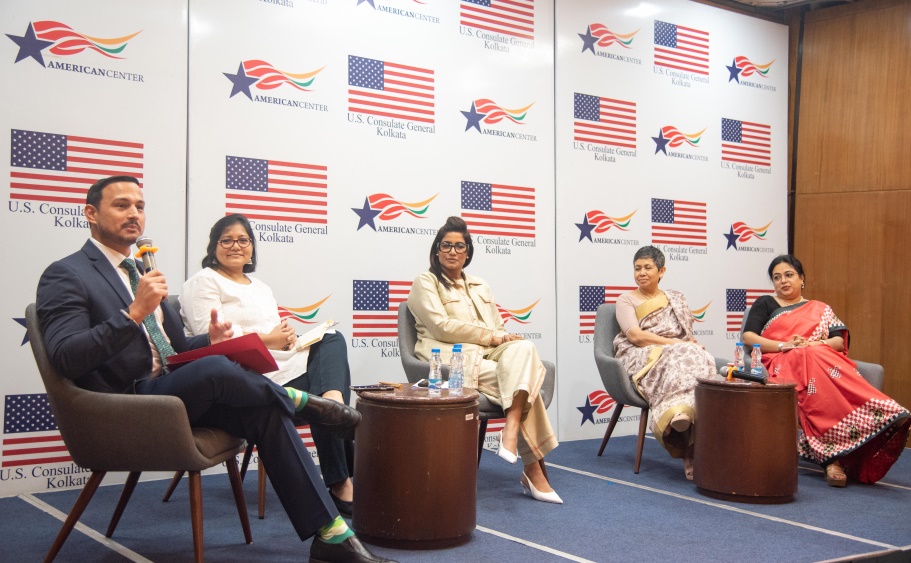
In the rapidly evolving landscape of gender equality and women’s economic empowerment, South Asian countries like Bangladesh, Nepal, and India have made commendable progress in various domains. Professor Sreeradha Datta, a distinguished Professor at the OP Jindal Global University, shared some compelling insights on the challenges and solutions for enhancing women’s economic participation in the South Asia. She noted that while regional coalitions have been established to promote women’s economic empowerment, they often fall short of their intended impact. She advocated for an approach that caters to the creation of sub-regional alliances focused on the unique needs of Bangladesh, Nepal, and India. These alliances would offer tailored support, facilitating the growth of women-led enterprises and creating fresh avenues for economic progress. She highlights the need to challenge deep-seated stereotypes portraying women as the “weaker sex” to enhance their agency and advocates for instilling principles of gender equality from an early age. She suggests that transforming societal norms begins within households and asserts that knowledge of safety and priority mapping can empower women to pursue leadership roles. By addressing these knowledge gaps, we can foster an inclusive culture, improve the underrepresentation of women in leadership, and amplify diverse perspectives in decision-making. Academia should take the responsibility of encourage the young minds to confront gender roles and break the gender stereotypes. She also mentioned that women participation is very less in Business chambers and academic board accelerating women participation in these sectors can bring about positive change alongside increase private and public partnership.
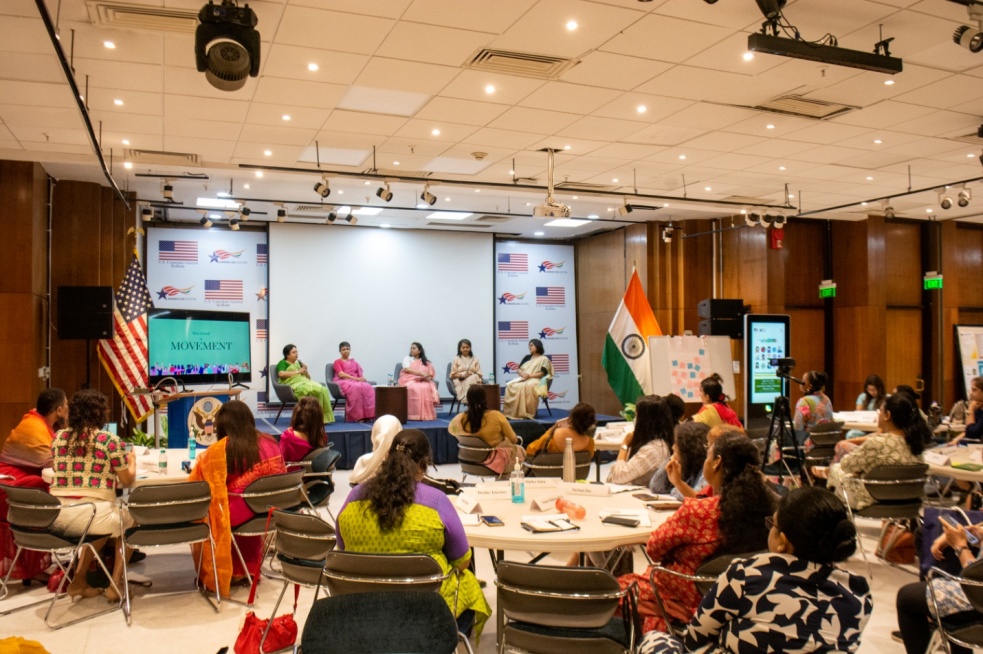
To know more about this session: Go to Empowering Women’s Leadership in the Economy | Insights from Regional Experts
Inclusive Access to Finance: A Key to Women’s Economic Empowerment
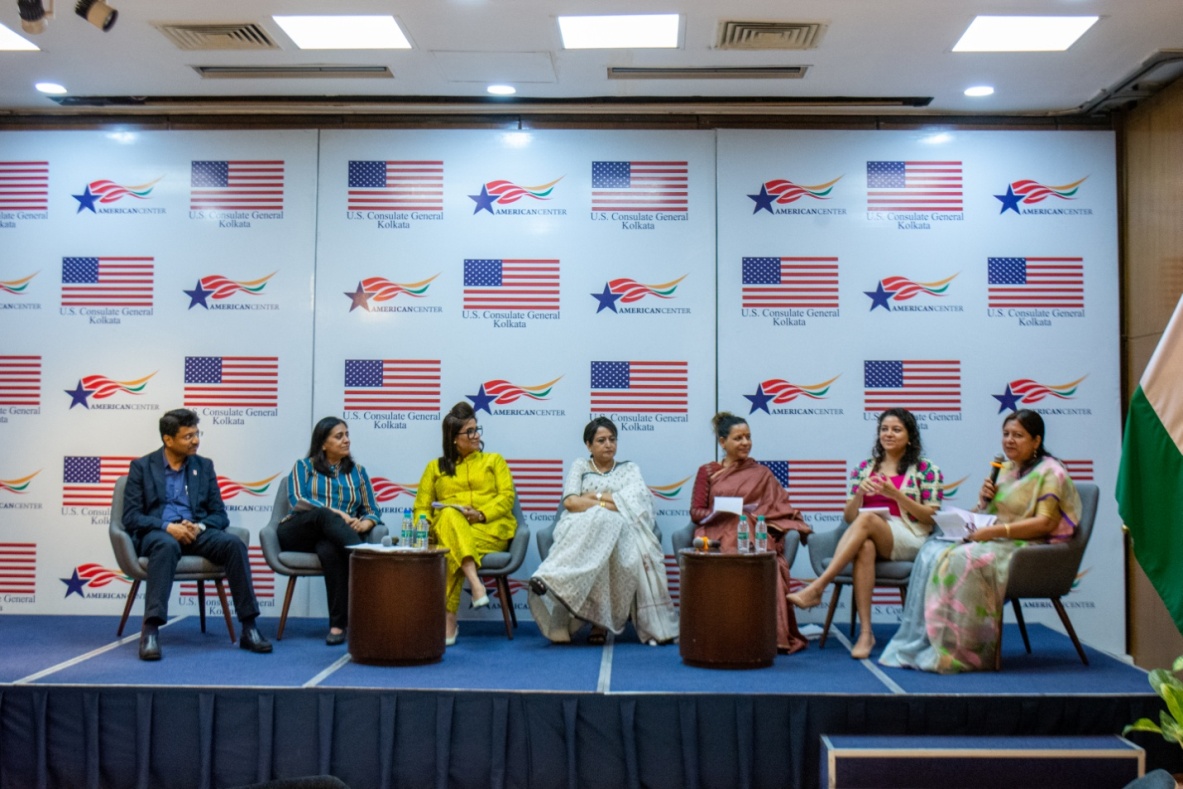
In the panel discussion on access to finance, experts delved into the pivotal realm of inclusive access to finance for women entrepreneurs. From Bangladesh’s pioneering Women Entrepreneurs Finance initiative, offering collateral-free loans, to Grameen Foundation’s grassroots empowerment efforts, the journey of scaling startups via NASSCOM’s 10000Startups initiative, and the role of organizations like FWEAN in Nepal, the discourse showcased a holistic approach regarding access to finances for women from diverse socio-economic and cultural backgrounds. Bridging awareness gaps, nurturing skills, and advocating gender-sensitive credit systems emerged as key strategies. This comprehensive approach ensures that financial support not only fuels women-led businesses but also contributes to a more equitable entrepreneurial landscape.
Women Entrepreneurs Finance (We-Fi) is an initiative of World Bank and available financial access in Bangladesh for women entrepreneurs. The Bangladesh government is working as a catalyst in empowering women led enterprises, the government owned banks provide low interest and collateral free loans to women entrepreneurs of up to Rs. 20Lacs. NGOs and Micro Finance institution play important role in providing access to small amount of capital but the women entrepreneurs. However, capacity building and participation in diverse sectors among women is equally important as access to apt credit. For the last 25 years Grameen Foundation India has been working to accelerate women participation in leadership roles in the sector of agriculture and technology by providing mentoring support, taking up capacity building initiatives and advocacy in financial access. The main pitfall for the women entrepreneurs to access finance is lack of collateral and business models. hey also take active part to mitigate the scenario related to finance for women entrepreneurs through Grameen’s Care Index. This initiative of Grameen Foundation advocates for an inclusive and gender sensitive lens regarding funds and loan sanctions in AU small banks, SIDBI and MFIs.
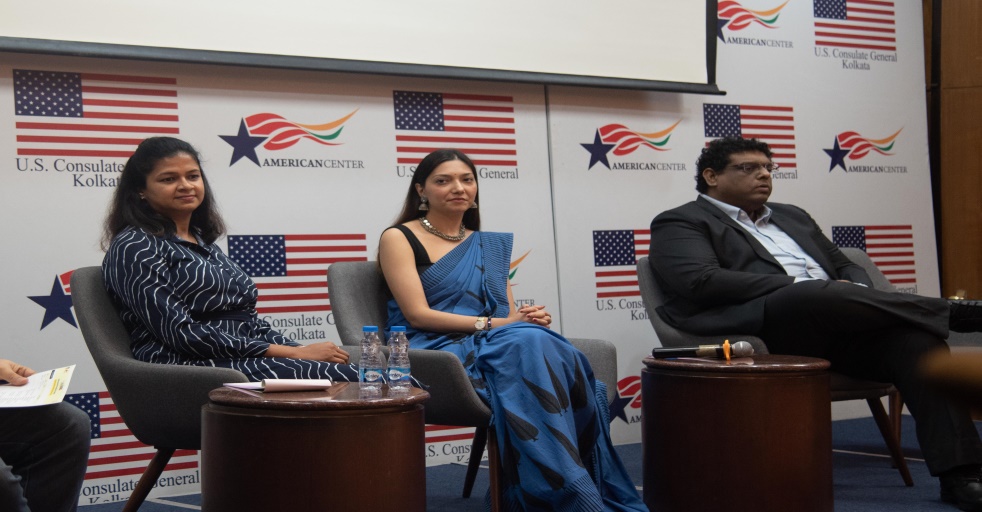
NASSCOM 10000Startups initiative aims to scale up 10000 startups by 2023 by giving them support via access to incubators, accelerators, angel investors, venture capitalists, startup support groups, mentors, and technology corporations. At Nepal, in order to empower women entrepreneurs regardless of their background FWEAN are promoting women led enterprises, in international fairs and notable tourist spots. FWEAN developed E-Commerce site with E-Payment methods and BDC app to help the entrepreneurs in documentation and business management. Lack of technology and connectivity is prevalent in Nepal but FWEAN are there to provide support and promote women entrepreneurs, she added. Social organisations such as TMSS or Thengamara Mahila Sabuj Sangha play important role in providing access to funding, resoirces and finances to the women at the grassroot levels. Such organization help rural women in Bangladesh in terms of getting loans and financial help. They provide trainings to overpower barriers like lack of confidence, lack of digital literacy, indecisiveness and patriarchal and promoted entrepreneurship in rural women of Bangladesh. It is only after their intervention that these women are taking loans of more than 1 lac rupees and repaying the amount within the stipulated time as well.
To know more about this session: Go to Unveiling Inclusive Finance: Industry Experts Speak
Investor Master Class for women led startups
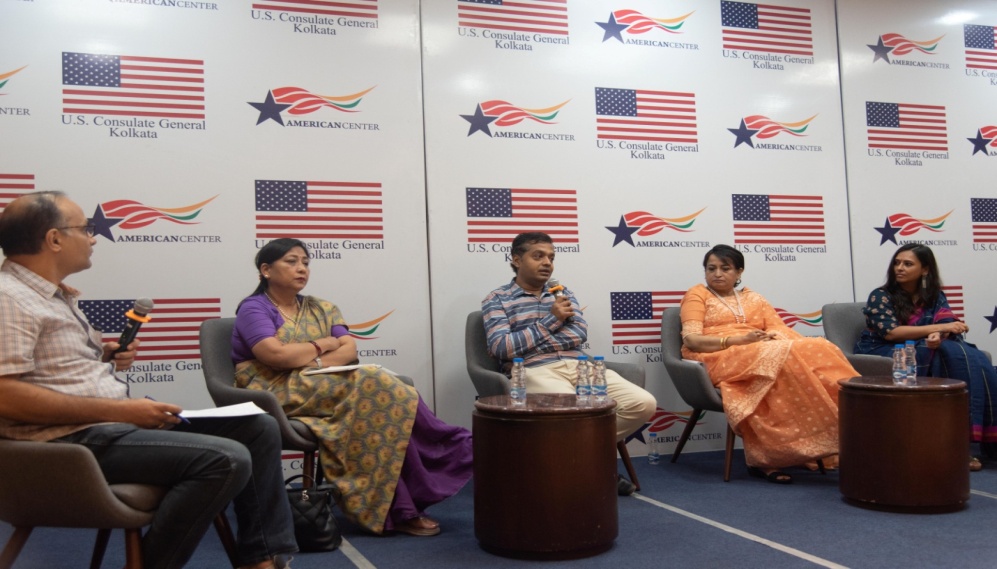
Access to finance and addressing financial need of the startups are crucial for success. This session was chaired by Ms. Neha Aggarwal, Principal of Investments at Mumbai Angels, Arnab Ray, CEO of Array Innovative Services Pvt. Ltd. and Neha Malhotra, managing Partner of MeritX Ventures.
Mumbai Angels is a collective of angel investors who invest in potential startups and help them grow while looking for a greater return. The Principal of Investments in Mumbai Angels, shared points to understand the aspiring startups about investor mindset, due diligence and investor expectation. She shared on the three Cs that investors typically look for in a startups, those are Capital, Collection and Consent. Be it an idea level startup, an early stage startup or an enterprise with reliable market good will, there are investors for every startup, she shared. Another reputed investor shared that there are new investor teams that are setting up in the past 10 years. The Indian startup ecosystem is at nascent stage and new ideas are coming to the market along with innovations hence the investors have also settled up in teams like the recruiters, these set of investors who look for founders with good academic or profession profile, repackage their ideas and present it to bigger investors. Managing Partner of MeritX Ventures mentioned about the craft of making an effective investor pitch. Pitch presentation is the most important part of getting an investment, and there is a basic outline for crafting one. Pitch deck has to be a two way communications, entrepreneurs must engage and interact with the investors, the pitch presentation has to have relevant contents, oversharing is not accepted gladly by the investors, there should be clear market readiness plan, business plan, vision, mission and a way forward.
To know more about this, go to Mastering Startup Investment: Insider Tips from Industry Experts
Elevator Pitch by Women Entrepreneurs
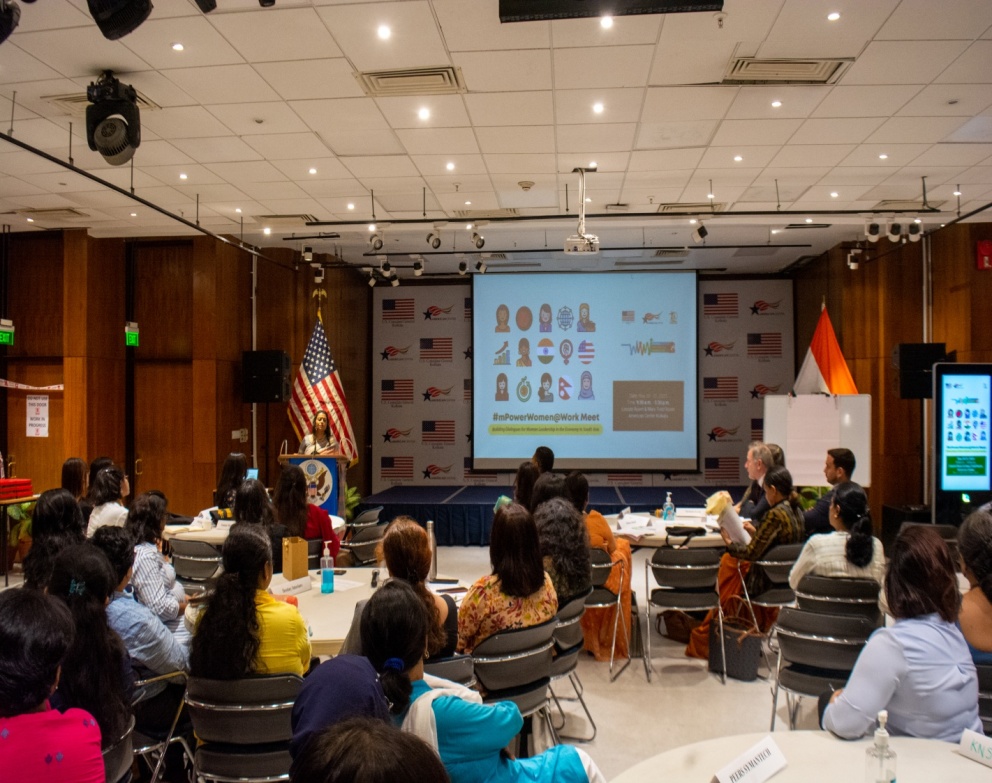
Six women led startups from Assam and West Bengal presented their elevator pitch in front of Investors and Mentors. The participants from Assam were Amrapari, an NGO producing diversified products with the traditional Kantha Stich by employing rural women, QuickGhy, a place to access customized home and personal care services, Mamazaki, a fusion food brand with keen interest on traditional Assamese cuisine, Style99 a handmade and handcrafted jewelry brand and HyFood, processing indigenous nutrition enriched herbs and vegetables to make it available year around. A renowned café of South Kolkata named Café Hygge also participated in this session and presented the pitch. Apart from these start ups, this session was observed by other entrepreneurs too and helped them to understand the procedure of delivering a Pitch Deck in details. Investors shared their valuable feedbacks with regard to preparing themselves for rounds of funding and investments. Mentors guided them how to scale their businesses and plan the next five years of their business.
Access to Markets: Strategies for Women Entrepreneurs’ Success
Strengthening women entrepreneurs’ access to markets is a crucial aspect of their business journey, as highlighted by industry experts during at the program. Experts emphasized supply chain diversity, customer satisfaction, and timely procurement. Success stories from entrepreneurs highlighted the importance of understanding market needs, while challenges faced by rural artisans underscored the need for improved access. Collaborative efforts among women entrepreneurs were stressed for enhanced market reach. Initiatives like WEConnect International and MeraBiz.net (https://www.merabiznet.in/) were showcased as avenues to support gender-inclusive supplier diversity and provide entrepreneurial training. The post-pandemic landscape highlighted the significance of online presence and financial literacy for sustained growth. Overall, the session showcased strategies and collaborations crucial for women entrepreneurs to navigate and thrive in markets.
Supplier Diversity is one of the newly emerged terms that aim toward a more inclusive, sustainable and gender friendly market place for entrepreneurs. Mr. Anshuman Neil Basu the General Secretary of ASCP shared detail information about supply chain diversity and responsible supply chain and how that can affect an enterprise. According to him, procurement is a customer’s choice so if an enterprise delivers first class product or service with top notch delivery support that product has more potential than the others available in the market. He also introduced the Japanese word “omotonashi”, meaning delight; he explained why customer satisfaction and delight is essential for an enterprise to grow. He also mentioned the need of saving energy, people and product for a sustainable and ecofriendly venture. Ms. Poonam Mehediratta shared about the agenda of WEConnect International and how they promote gender inclusive supplier diversity. WEConnect has successfully connected women entrepreneurs with each other and to market by creating and supporting a network for women entrepreneurs.
In Nepal, many rural entrepreneurs facing challenges while selling in international trade fair because of lack of marketing capabilities, lack of digital literacy and unavailability of gender inclusive government policies. But online market place and tourism oriented marketing has helped the rural entrepreneurs to access the market. As a result of FWEAN’s constant intervention and lobbying with the government, polices of development of MSME’s have emerged and strengthened the women owned micro and small businesses.
The audience also shared that for any enterprise online presence has become important after covid pandemic and financial understanding among the women is also leading to decreased growth. Ms. Pritha Dutt shared about her new initiative, “MeraBiz.net” an exclusive mobile app for entrepreneurs to have training on licensing, skill developing and training.
To know more go to Empower Your Business: Strengthening Access to Markets
Skilling the Women Workforce: For the 21st Century
The post-Covid era has seen a complex shift in women’s workforce participation, with leadership roles declining while women’s entry into the labor force has increased. Amidst this landscape of 21st century, a panel featuring experts such as Ms. Sohini Sinha, Ms. Pritha Dutt, Ms. Ekta Jaju, and Ms. Sukanya Chatterjee delved into the challenges and solutions for bolstering women’s roles through skill development and unconventional sectors. From breaking barriers in manufacturing to fostering green businesses, the discussion highlighted the need for mindset shifts, accessible training, and embracing unexplored avenues in this era. This collective effort to reshape workforce dynamics has the potential to empower women and reshape industries in profound ways. In the manufacturing sector only 15% of the workers are women, due to barrier likes social stigmas and gender specific roles, low retention and future risks. There is need to change the mind-set with the new narratives and setting up accessible manufacturing units can leverage the numbers of women participating in these units. There is an urgency of a movement that can encourage more women in unconventional sectors like manufacturing. There is also need to encourage teens of government sponsored schools to choose alternative career options by exposing them to available resources. National Skill Development Council has Sector Skill Council that provides training and certification to organisations and individuals based on gradation of certified set of skills.
To know more about this session go to Empowerment through Skill Building: Navigating Unconventional Sectors
Building the Ecosystem for businesses to prosper
Accelerating workforce participation encompasses all the segments of the workforce, be it the worker community or the leading one, it is important to include more women in the industry for an inclusive ecosystem that have participation at every level. This session was moderated by Mr. Anshuman Neil Basu the general secretary of Association of Supply Chain Professional and participated by Ms. Sriranjani Joshi, Chairperson of Indian Women Network-CII, Dr. Sharmishtha Banerjee, Professor of Business Management at Calcutta University and Ms. Kimberly Moore, Co-founder of Black Women Be Whole an American organization dealing with wellbeing in women and Mrs. Tinku Rajeev Gupta executive vice president of India Chamber of Commerce for International Business. These experts navigated conversations around the need to have a safe space for all women to conduct their business and access appropriate resources. Business Chambers such as CII, ICIB, and others are developing networks exclusively for women entrepreneurs to thrive. Ecosystems act as a support system for women led businesses or first generation women entrepreneurs to avail resources, trainings, skills, get knowledge and information regarding available funds/ financial opportunities.
To know more about the session, go to Empowering Women Leaders: Building Inclusive Workplace Ecosystem
Lessons learned by women achievers
Women entrepreneurs and leaders shared their inspirational journey as it becomes important for any budding woman entrepreneur or business leader to know both the success and failure stories. In this this session the National Engagement Director of the U.S Global Leadership Coalition, Ms. Michell Bekkering took part in a hybrid mode and shared about her journey as leading participant in White House led Women’s Global Development and Prosperity initiative. She mentioned that every organisation may encounter hurdles when its agenda is shaped under the sole governance of a particular political party as the government undergoes the requisite approval process under new leadership yet the particular initiative was a success. She shared that despite barriers such as increased diplomatic discourse, importance of data and navigating sensitively amidst different social and cultural scenario, the initiative has effectively included leadership mindset among women across the globe. This initiative also provided women grants to conduct data research to identify and increase access to unconventional lending structure, she shared. The other participants Ms. Swati Gautam founder of Necessity Gautam, Ms. Anisha Joshi Managing Partner, Contures Furniture Systems and Decorage & Associates and Ms. Moniza Islam Head of Communication and Gender Focal at Mir Group Ltd of Bangladesh shared their journey to success and encouraged other participants with their thoughtful insights. Ms. Swati addressed the audience and suggested to identify niche by understanding pain point, passion and take right decisions at right time. Ms Moniza suggested that, one should learn and gather knowledge from free sources, create a story and a brand wherein Ms. Anisha suggested to priorities self and follow passion.
Women leading the workplace
“A pivotal facet of effective leadership revolves around one’s profound sense of identity, so do you see yourself as a leader? Do other people see you as a leader? And how you define your identity, right? What story do you tell yourself? How do you project an image to others about you being an actual leader?”- The session started with these questions from the moderator Mr. Juan A Clar, Deputy Director of American Center at Kolkata. The other discussants were Ms. Sohini Sinha, Head of Learning, Leadership Development and Talent Management at Tata Electronics Pvt. Ltd, Ms. Pritha Dutt, Director of Empower Paragati, Ms. Sukanya Chaterjee, Director of Programs at India Humanity Foundation and Ms. Shaleni S Biswas Founder of Easy Note Stationary Pvt Ltd.
Developing confidence becomes essential for women with great potential who will make significant efforts as a leader in strengthening their networks and creating meaningful relationships through thoughtful consideration of networking, alliances, and the creativity of colleagues. Ms. Pritha Dutt the director of Empower Pragati shared that women are naturally capable of managing associations or organizations if we look at our homes, the women are the bosses of the house and manage economical disorders, emotional turbulence, education needs all on their own. Women are born leaders they just need to take risks, embrace opportunities, and foster indomitable self-belief. They must remain watchful and receptive to novel insights, fresh experiences, and knowledge in order to succeed as leaders. Ms. Sukanya Chaterjee, Director of Programs at India Humanity Foundation shared that women needs to be beside women and put collective efforts to amplify their peer’s voice and accommodate an inclusive association of female participants to nurture women’s advancement.
To know more about this session go to Unveiling Leadership at the Workplace: Voices of Empowerment
Social Entrepreneurship: The New Frontier of Business
In the ever-evolving landscape, a new force for good is taking shape: social enterprises. These innovative ventures blend social impact with business acumen to uplift underserved communities across sectors. The entrepreneurs like Lubna Maezler, Manjuara Mullha, and Manjulika Majumder shared their journeys, while Dipaka Jalan and Sangeeta Das offered unconventional paths. The common question: how to scale up? Moderator Ms. Swati Gautam’s presence underscored the thirst for knowledge. These stories illuminate the potential of merging purpose with entrepreneurship, fostering not just change, but lasting impact.
To know more go to Unlocking Social Impact: Enterprises and Networks for Change
Nurturing Workplace Wellbeing: Empowering Women’s Voices
Last but not the least; in a compelling session titled “Wellbeing at Workplace,” renowned experts Ms. Kimberly M. Moore and Ms. Ednesha Saulsbury from the Black Woman Be Whole organization in the USA, alongside Kolkata-based entrepreneur Ms. Chitralekha Biswas, shed light on the intricate challenges Indian women encounter within their professional spheres. The discourse accentuated the criticality of self-care, emotional intelligence, and setting firm boundaries to counteract prevalent gender disparities. The panelists underscored the significance of self-realization and empathetic communication in achieving a harmonious work-life balance. Enriched by personal narratives and interactive activities, the session not only unveiled the potency of shared vulnerability in establishing safe spaces but also illuminated the resounding collective voice of women from diverse backgrounds. This comprehensive approach not only addressed the confluence of career and personal life but also exemplified the persistent global endeavor for recognition amidst societal evolution.
In sum, the journey towards women’s economic empowerment in South Asia is a multi-faceted one, encompassing tailored strategies, financial inclusion, market access, skill development, social entrepreneurship, and workplace wellbeing. With passionate advocates like Professor Dutta and a commitment to challenging norms, these nations are steering toward a future where women’s participation in the economy is not just acknowledged, but celebrated and empowered.
To know more about this session go to Unlocking Wellbeing at the Workplace: Empowerment and Self-Care
Hit on the links below for the video content!