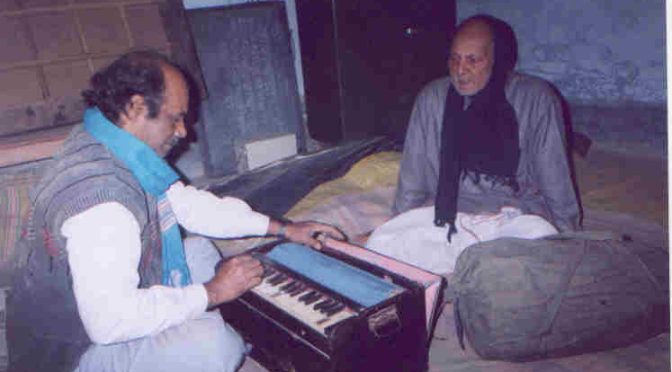
Gombhira and Domni are two traditional performing art forms from Malda district in West Bengal, known for their sharp wit, lyrical dialogues, and deep social relevance.
Gombhira, rooted in the cultural fabric of North Bengal, especially in Malda and Chapai Nawabganj (now in Bangladesh), is a folk theatre form usually performed during the Hindu month of Chaitra, coinciding with the Gajan festival. Performed through engaging conversations between a grandfather (Nana) and grandson (Nati), Gombhira uses satirical dialogues, songs, and dramatic storytelling to raise awareness about pressing social, political, and environmental issues.
Domni, another rich folk theatre form, is popular in the north-western parts of Malda, bordering Bihar. It draws inspiration from tribal mythology, especially from the Santhal and Munda communities, and is performed entirely by male artists, many of whom portray female characters with remarkable authenticity. Domni is characterized by its absence of a written script, reliance on improvisation, and its use of the local ‘Khottai’ dialect—a fascinating blend of Bengali, Bhojpuri, Maithili, and Urdu.
At the heart of these traditions are the Gurus—masters of the art—whose passion and creativity revived and sustained these performance forms through changing times. Among them, three legendary figures—Dokori Chowdhury, Jiten Rabidas, and Bimal Gupta—played pivotal roles in this cultural resurgence. Though no longer with us, their contributions continue to inspire generations.
Dokori Chowdhury – The Soulful Lyricist of Gombhira
Songs and dialogues are the lifeblood of Gombhira, and lyricists breathe soul into this dynamic art form. 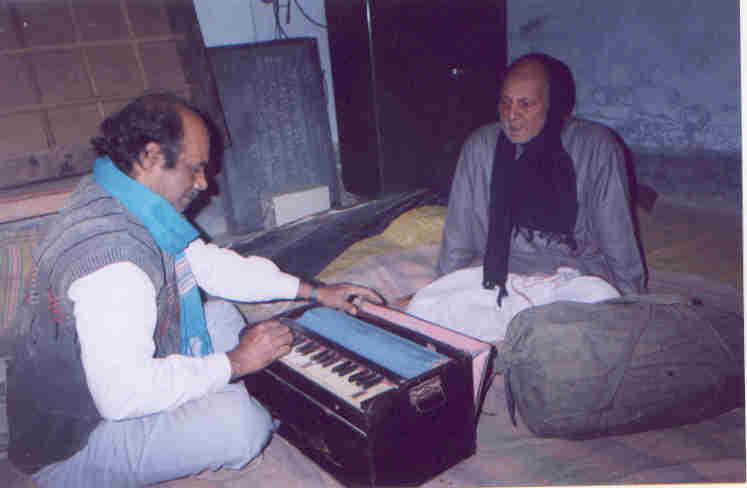 Among them, Dokori Chowdhury holds a place of pride. A gifted singer and lyricist, he inherited the legacy of legendary performers Jogendra Chowdhury (Mator) and Debnath Ray (Habla), and carried it forward with sincerity and brilliance.
A resident of Bnashkori village in Englishbazar, Malda, Dokori joined Jogendranath Chowdhury’s troupe in 1965. He soon became the group’s lead lyricist alongside Debnath Roy. His verses resonated deeply across Bengal, combining humor and sharp critique to reflect everyday struggles.
One such verse:
“Ki khabite bohin pakka aam,
Dhuya rakh Suyader chopakhan,
Hamre Maldor lok gilchiye dhok,
Bish taka killo aamer dam.”
Dokori transformed Gombhira into a vehicle for social protest, using his lyrics to 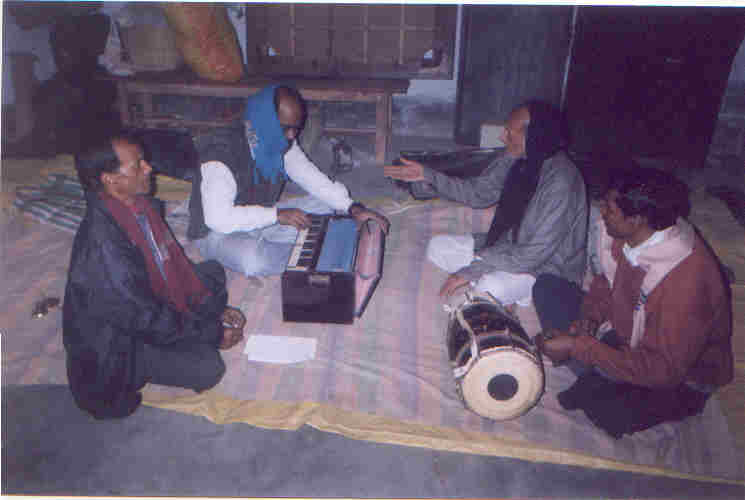 question injustice and corruption. His ability to make Gombhira contemporary while retaining its traditional essence was remarkable. In recognition of his contributions, he received the Lalon Puraskar.
In 2005, he actively participated in a workshop organized by banglanatak dot com at EZCC, where he expressed his vision through a beautiful song:
“Dibe ar nibe milibe melabe,
Etai moder asha,
Tai karmashalae asha,
Shilpi bachle, shilpo bachbe,
Bhalobashar bhasa,
Etai pratyasha.”
Dokori Chowdhury passed away on February 2, 2009, but his songs continue to echo in the hearts of Gombhira lovers.
Jiten Rabidas – The Master of Domni
Renowned for his seamless portrayal of female characters, Jiten Rabidas was a celebrated Domni artist from Malda. Domni, popular in Ratua, Manikchak, and Harishchandrapur blocks, is believed to have evolved from the mythical journey of Behula, disguised as Dom Rani, and carries strong tribal influences.
Performing in the hybrid dialect of ‘Khottai’, 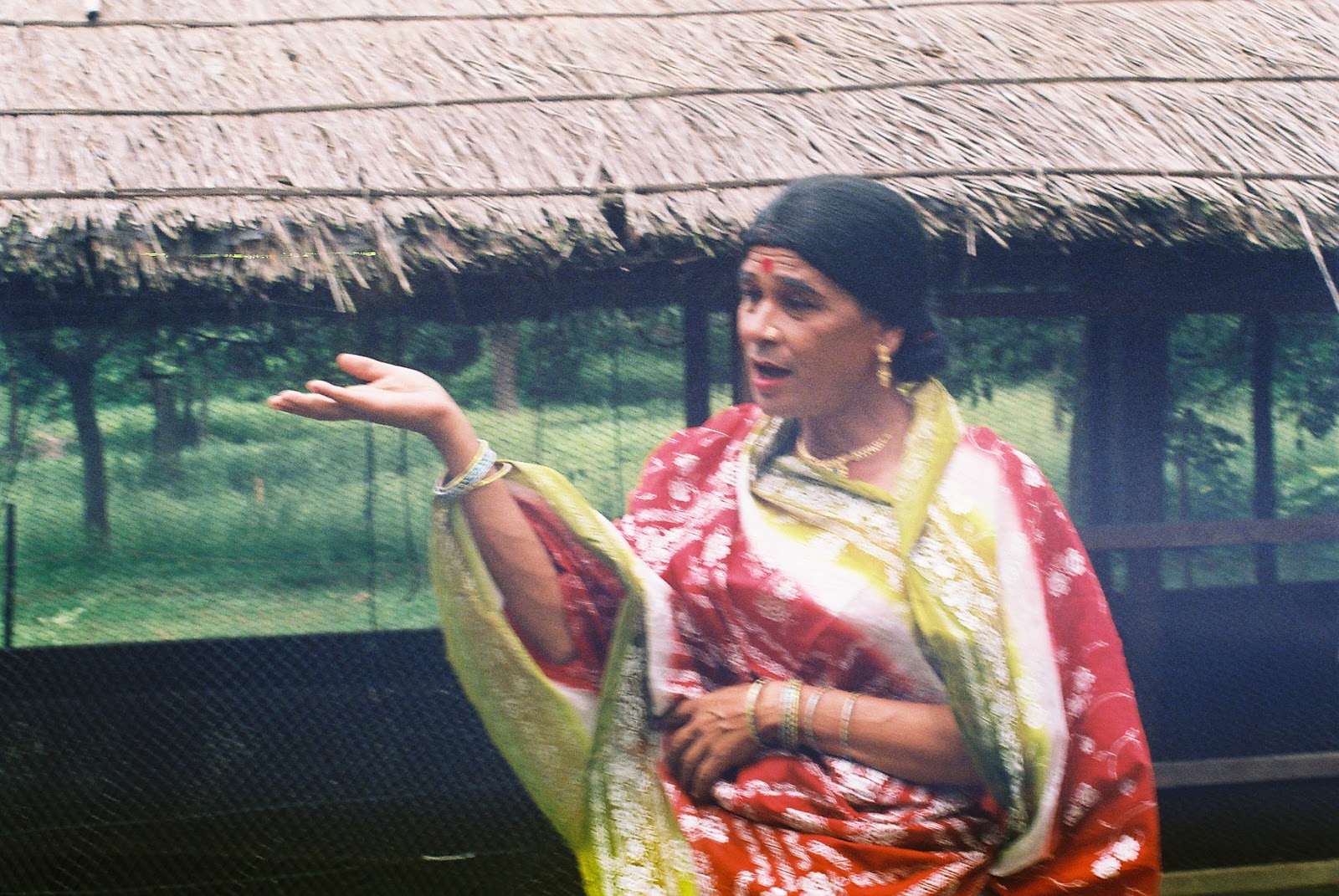 Jiten was not only a skilled actor but also an accomplished singer and dancer.
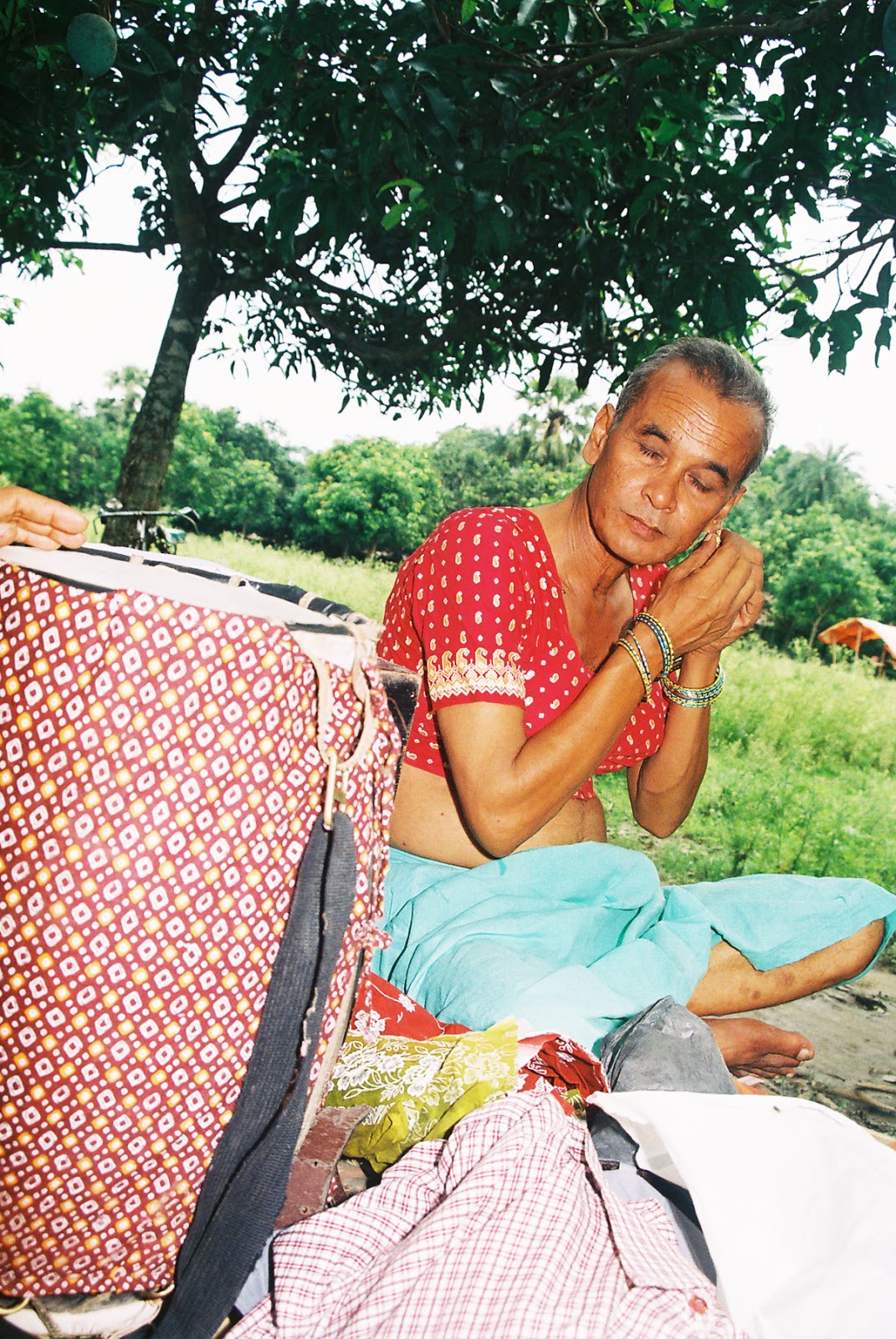 His mentor was the eminent folk art specialist Subodh Chowdhury, under whose guidance Jiten refined his craft.
Jiten was closely associated with Loukik Srijani, a well-known Domni troupe in Malda, and performed across Kolkata,
Cooch Behar, and Malda, earning admiration for his authenticity and emotive performances.
Despite his fame, he struggled with poverty, at one point surviving by selling lottery tickets. Yet, his dedication to his art never wavered. He remained closely connected with Sudhi Pradhan, a noted folk theorist who recognized Jiten’s talent. Jiten Rabidas passed away on February 10, 2019, leaving behind a legacy of resilience and artistic excellence.
Bimal Gupta – The Torchbearer of Gombhira
A celebrated figure in the world of Gombhira, Bimal Gupta was known for his powerful stage presence and razor-sharp wit. He mastered the form’s unique format—anchored around satirical dialogues between the characters of ‘Nana’ and ‘Nati’, often presenting their grievances to the deity Shiva.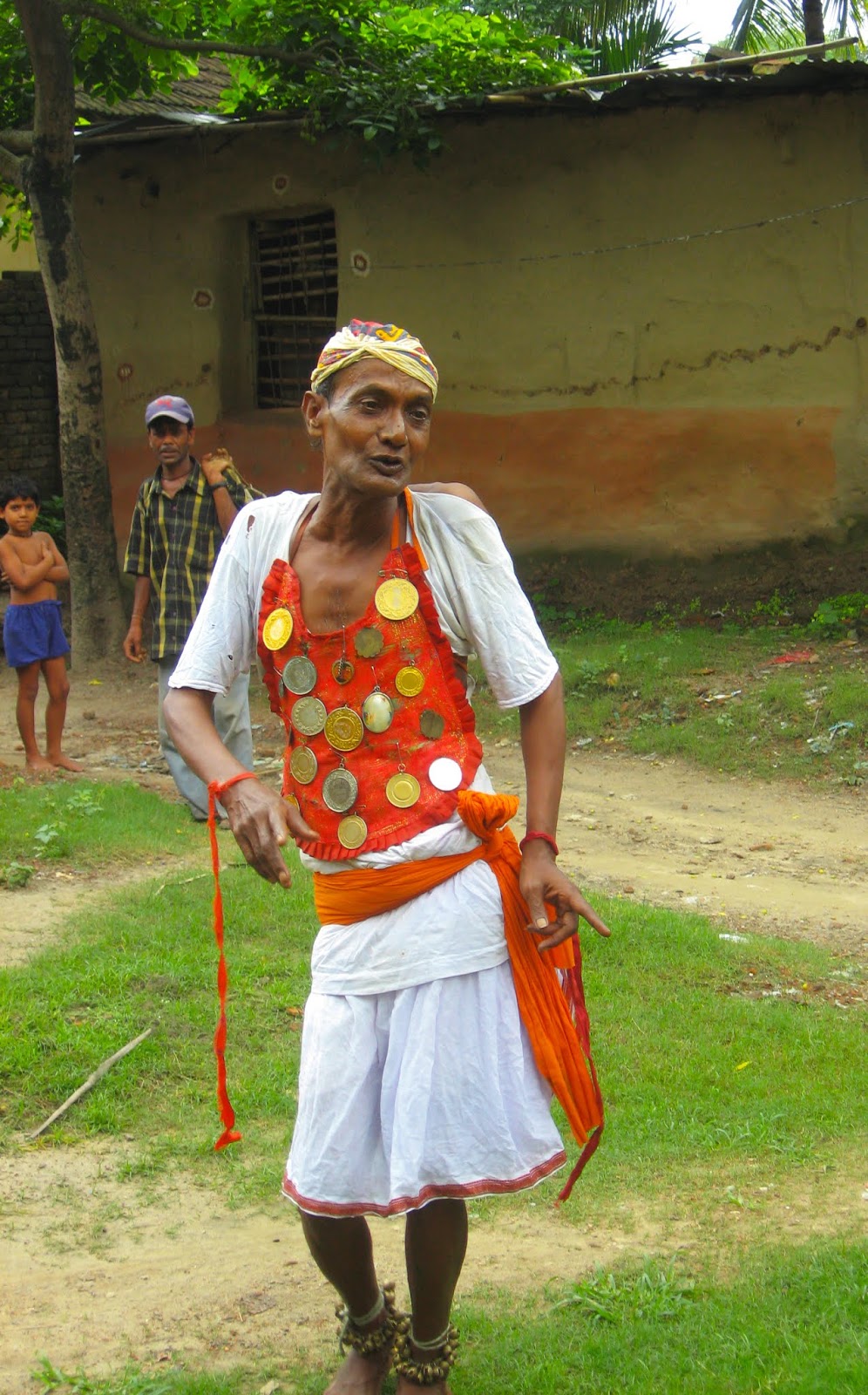
Bimal Gupta’s greatest strength was his spontaneity. His quick-witted replies and engaging style brought laughter and reflection to audiences across Bengal and beyond. His performances captured the pulse of rural life, critiquing societal flaws with humor and compassion.
After the passing of Dokori Chowdhury, Bimal emerged as a key figure in preserving and promoting Gombhira. He worked tirelessly to involve the younger generation, ensuring that the tradition did not fade away. Bimal Gupta passed away on January 9, 2011, but his contributions continue to shape the contemporary practice of Gombhira.
Conclusion
The legacy of Dokori Chowdhury, Jiten Rabidas, and Bimal Gupta stands as a testament to the power of folk art as a medium of social change and cultural identity. Through their lives, these Gurus preserved, enriched, and passed on the vibrant traditions of Gombhira and Domni, ensuring that rural Bengal’s voice continues to be heard in powerful, poetic, and poignant ways.