Village Festival as a Tool for Development
When Celebration Becomes a Way of Life
A festival is not merely an event marked on a calendar—it is a pulse, a rhythm that binds people to each other and to the soil beneath their feet. It is the collective breath of a community, rising in song, colour, ritual and memory. In a festival, time pauses, and life is celebrated in its most generous form—through togetherness, through sharing, through the reaffirmation of identity. Across cultures and geographies, festivals take many forms. Some are deeply religious, rooted in faith and devotion; others are ritualistic, shaped by age-old customs and practices. Many are cultural celebrations, honouring art, music, craft and collective memory, while others are festivals of nature—marking the first rain, the onset of spring, the ripening of harvest, or the quiet transitions of seasons.
In Bengal, this philosophy found its most poetic articulation in the vision of Rabindranath Tagore, who reimagined festivals as expressions of harmony between humans and nature. At Santiniketan, he envisioned celebrations that echoed seasonal rhythms—Borshamongol welcoming the monsoon, Basanta Utsav celebrating spring, and Poush Mela embodying the spirit of harvest, rural life and artisanal culture. His words, “The same stream of life that runs through my veins night and day runs through the world and dances in rhythmic measures,” remind us that festivals are, at their core, celebrations of continuity. Inspired by this philosophy, we see festivals not merely as cultural expressions but as instruments of transformation—platforms where people, place and culture converge to shape pathways of development.
Village Festivals: Where Culture Meets Development
Since 2010, banglanatak dot com has been curating village festivals in close consultation with local communities as dynamic anchors of rural development, rooted in the celebration of Intangible Cultural Heritage (ICH). Beginning with Pingla in Paschim Medinipur, Gorbhanga in Nadia and Bamnia in Purulia, the initiative gradually expanded across regions and states, evolving into a tested model where festivals serve as catalysts for visibility, pride and economic opportunity. Over time, the village festival has emerged not as an isolated event but as a process—one that brings art, artists and the village itself into focus, positioning rural landscapes as cultural destinations. The significance of sustainable, community-led efforts in transforming villages into vibrant cultural destinations—and the profound impact such initiatives have on art and artists—has found recognition beyond national boundaries, including mention in the Prime Minister’s Mann Ki Baat in 2021. Simon Broughton, the world music expert and editor of the renowned London-based magazine Songlines, reflected on this very approach in his TED Talk, where he referred to our work as a compelling example of how grassroots cultural initiatives can reshape both local economies and global cultural conversations.
Village Festival as an Anchor of Place
A village festival transforms geography into lived experience. It redefines the idea of tourism by shifting the focus from passive viewing to immersive engagement, where the community itself becomes the nucleus. Visitors are drawn not simply by performances or products, but by the opportunity to enter the lived worlds of artists—to sit within their courtyards, witness the process of creation, listen to oral histories, and experience art in its natural context. In this transformation, the village becomes both stage and marketplace. It is not a constructed exhibition space but a living environment where culture unfolds organically. The direct interaction between artist and visitor creates authenticity, trust and often long-term relationships, enabling sustained market linkages beyond the temporal span of the festival.
Such festivals also create layered experiences. For students and educators, they become spaces of heritage education; for researchers, they offer insights into living traditions; for elderly visitors, they evoke reassurance in cultural continuity. Gradually, as word spreads through media and personal networks, these festivals attract wider audiences, leading to the evolution of calendarised events that are integrated into regional tourism circuits.
The development of supporting ecosystems further strengthens this anchoring of place. Community museums, such as the one developed in Palghar within a historic nineteenth-century school building, provide interpretive depth by documenting Warli art, bamboo crafts, Bohada masks, tarpa music traditions, Parsi heritage and everyday objects contributed by villagers. In a similar spirit, the Kantha Resource Centre at Nanoor in Birbhum district of West Bengal stands as a dedicated space for the practice, preservation, promotion and celebration of Kantha embroidery. Cultural spaces play a crucial role in ensuring that the energy generated through festivals does not dissipate once the event concludes, but instead continues to nurture artistic practice as an ongoing, lived process. Spaces such as the Baul Ashram at Bannabagram in East Bardhaman of West Bengal exemplify this continuity. More than a performance venue, the Ashram has evolved into a vibrant centre of engagement where Baul singers, Kantha artists and Chadar Badar puppeteers come together throughout the year to rehearse, perform, exchange ideas and sustain their traditions in an organic manner. It creates an environment where culture is not staged occasionally, but lived daily—where younger practitioners learn by immersion and senior artists continue to innovate within tradition. The annual Baul Festival, held every November, becomes a culmination of this year-long engagement, drawing audiences into a space that is already alive with practice, rather than temporarily activated for an event. Nimdih Gandhi Ashram in the Seraikela Kharsawan district of Jharkhand, also deserves mention. Functioning as both a training ground and a collective cultural space, it supports local artists in strengthening their skills, building collaborations and sustaining performance traditions. The Ashram is particularly significant for its engagement with Chhau, hosting festivals that bring together all major genres of this powerful masked dance form, thereby creating a platform for exchange across stylistic variations while reinforcing regional identity. There is also a Kantha resource centre at Nanoor in West Bengal, acts as a collective space for collective practice, promotion of kantha, etc
Such supporting infrastructure, when complemented by essential infrastructure—sanitation facilities, local eateries and accommodation—enable a more sustained and meaningful visitor engagement. They facilitate the gradual transformation of a village into a cultural destination, where tourism is not episodic but continuous, and where the experience offered to visitors is rooted in authenticity, preparedness and community ownership. For nearly two decades, we have been working across geographies from West Bengal to Rajasthan, Maharashtra, Odisha and Jharkhand—where each community-led efforts and celebrations reflect the distinct spirit of its landscape, contributing to a broader process of place-making where identity, memory and experience converge.
Village Festival as an Anchor of People
If place gives the festival its setting, it is people who give it life. The village festival functions as a deeply participatory platform where the community is not an audience but the protagonist. It enables a redistribution of voice and visibility, allowing cultural practitioners—often marginalised within mainstream narratives—to emerge as knowledge bearers, entrepreneurs and custodians of heritage. From a developmental perspective, the festival becomes an enabling ecosystem for community empowerment. It fosters inclusive participation by engaging artists across age groups, skill levels and physical abilities, ensuring that opportunity is not limited to a select few. Women, in particular, find expanded roles—not only as artists but also as organisers, entrepreneurs and cultural interpreters—thereby strengthening gender participation within local economies.
The economic dimension unfolds in layered ways. While artists gain direct access to buyers, eliminating intermediaries and ensuring better returns, non-artist members of their families also participate through auxiliary services such as food stalls, homestays, logistics and hospitality. This diversification of income sources enhances household resilience and creates a broader base for local entrepreneurship. At the same time, the festival acts as a social catalyst. It instills pride within the village, which gradually extends to neighbouring communities, local governance bodies such as Panchayats and Block offices, and eventually to district and state-level institutions. Recognition grows organically, reinforcing identity and encouraging further participation.
However, this process is neither immediate nor automatic. It requires sustained investment in people. Preparing a community for tourism involves gradual exposure, capacity building and confidence development. In the early stages, villagers often experience hesitation in engaging with outsiders, but over time, through training and interaction, they acquire the skills necessary for hosting, communication and enterprise. Leadership too evolves organically, often revealing individuals who may not have been initially visible but possess the ability to guide collective action. In this context, the timing of a festival becomes crucial. It must emerge when the community is prepared—not as a display of vulnerability but as a celebration of readiness and growth. The village festival, therefore, is not an end in itself but a milestone within a larger developmental journey, where investment in human capacity ensures long-term sustainability.
Village Festival as an Anchor of Culture
At its deepest level, the village festival serves as a living archive of culture—an open, dynamic space where traditions are not merely preserved but practiced, performed and transmitted. It brings into dialogue a wide spectrum of cultural expressions across regions, each rooted in its own ecological, historical and social context.
From Bengal emerge the lyrical strains of Baul music, the intricate storytelling traditions of Patachitra, and the delicate textures of Kantha embroidery. Moving across eastern India, the powerful masked dance form of Chhau embodies martial energy and mythological narratives. In the arid landscapes of Rajasthan, the evocative desert music traditions of the Langa and Manganiyar communities resonate alongside crafts such as jutti, kasidakari embroidery and handwoven durries. Maharashtra contributes the iconic Warli painting tradition, the performative vibrancy of Bohada masks, bamboo crafts, and a rich repertoire of folk songs and dances. Odisha offers the distinctive aesthetics of Kotpad handloom, the ancient metal casting technique of Dhokra, natural fibre crafts and a wide range of folk music and dance traditions. Jharkhand, too, brings its diverse natural fibre traditions and indigenous cultural expressions into this collective canvas. Within the festival space, these traditions are not isolated exhibits; they interact, influence and coexist, creating a shared cultural landscape that is both diverse and interconnected. This simultaneity enriches understanding, allowing visitors to experience the plurality of India’s intangible heritage in a single, immersive setting.
The festival also functions as a critical site of cultural education in contemporary contexts. It creates awareness about Geographical Indications (GI), intellectual property rights and the importance of attribution, encouraging ethical engagement with cultural products. In an age of digital dissemination, it sensitises photographers, filmmakers and content creators to acknowledge artists, locations and cultural contexts, thereby ensuring that visibility translates into recognition rather than appropriation. Media and digital platforms further amplify this process, acting as conduits through which local traditions reach national and global audiences. Yet, the strength of the model lies in its refusal to dilute authenticity for market demands. Instead of reorienting traditions to fit external expectations, the festival allows culture to assert its own value, enabling the world to engage with it on its own terms.
Conclusion
The journey of using festivals as a tool for development is neither immediate nor linear; it unfolds gradually, much like the layered rhythms of culture itself. The accompanying framework on ICH contribution illustrates this evolution—mapping how sustained engagement with intangible cultural heritage translates into recognition, socio-economic growth and community empowerment over time, as shown in the following graph.
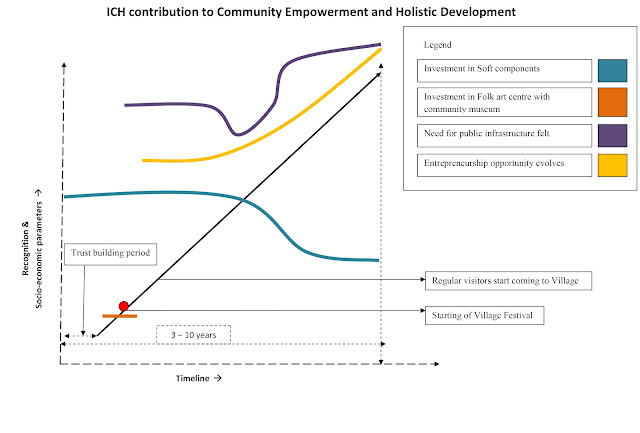
At the outset lies a crucial trust-building phase, often invisible yet foundational. During this period, investment in what may be termed the “soft components”—community mobilisation, confidence building, exposure, skill enhancement and leadership development—takes precedence. The impact of these efforts may not immediately reflect in economic returns; in fact, the graph suggests a plateau, even a seeming dip in visible outcomes. Yet, this phase is indispensable, as it lays the groundwork for collective ownership and readiness.
As trust deepens, the initiation of the village festival marks a turning point. It acts as a catalytic moment when the community begins to present itself to the outside world. Recognition starts to rise, and the village enters a new trajectory where visibility and identity begin to align. Around this phase, the need for more structured interventions emerges—such as the development of folk art centres and community museums—which further strengthen cultural anchoring and interpretation.
With time, regular visitors begin to arrive, drawn by the authenticity and immersive nature of the experience. This marks a significant shift from event-based engagement to a more sustained flow of cultural tourism. The graph reflects this through a steady rise in recognition and socio-economic indicators, accompanied by an increasing demand for public infrastructure—sanitation, accommodation and services—signalling the village’s transition into a destination.
Simultaneously, entrepreneurial opportunities begin to evolve organically. As markets expand and interactions deepen, artists and community members diversify their roles—moving from practitioners to entrepreneurs, hosts, curators and cultural ambassadors. This phase sees a sharp upward movement in economic parameters, indicating the strengthening of the local creative economy.
Interestingly, the trajectory of soft investment shows a relative decline in later stages—not as a withdrawal, but as a sign of community self-reliance and resilience. The systems, skills and confidence built over years begin to sustain themselves, reducing the need for intensive external facilitation. What emerges instead is a more balanced ecosystem, where infrastructure, entrepreneurship and cultural practice reinforce each other.
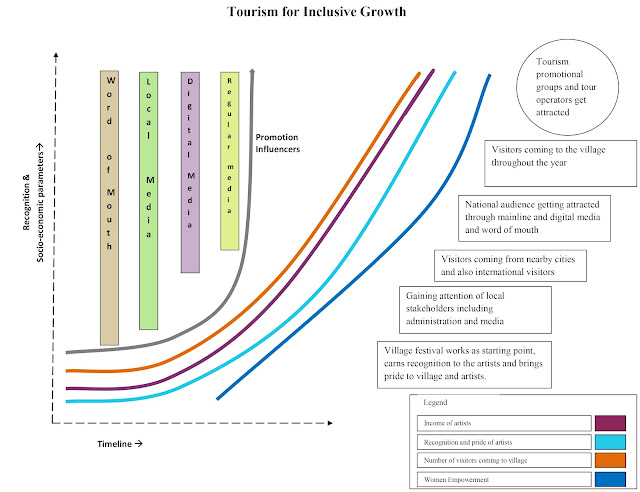
Ultimately, the graph underscores a vital insight: ICH-led development is a long-term, cumulative process. It cannot be rushed, nor can it be reduced to singular interventions. Festivals, within this framework, act as visible milestones—moments of convergence where the invisible labour of community building, cultural safeguarding and economic nurturing becomes tangible. In essence, the journey moves from trust to visibility, from visibility to opportunity, and from opportunity to sustained empowerment. It reaffirms that when culture is placed at the heart of development, it does not merely survive—it generates resilience, dignity and a future shaped by the community itself. Even the role of promotional mediums is also interesting to note, which not only changes with time, but also contributes a big way in creating destination.
Author: Amitava Bhattacharya, Founder Director, banglanatak dot com, amitava@banglanatak.com
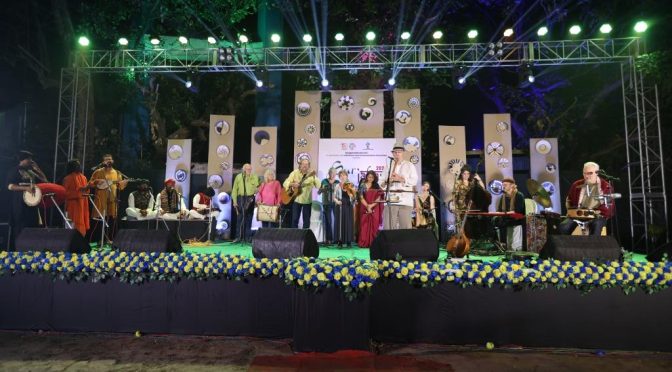
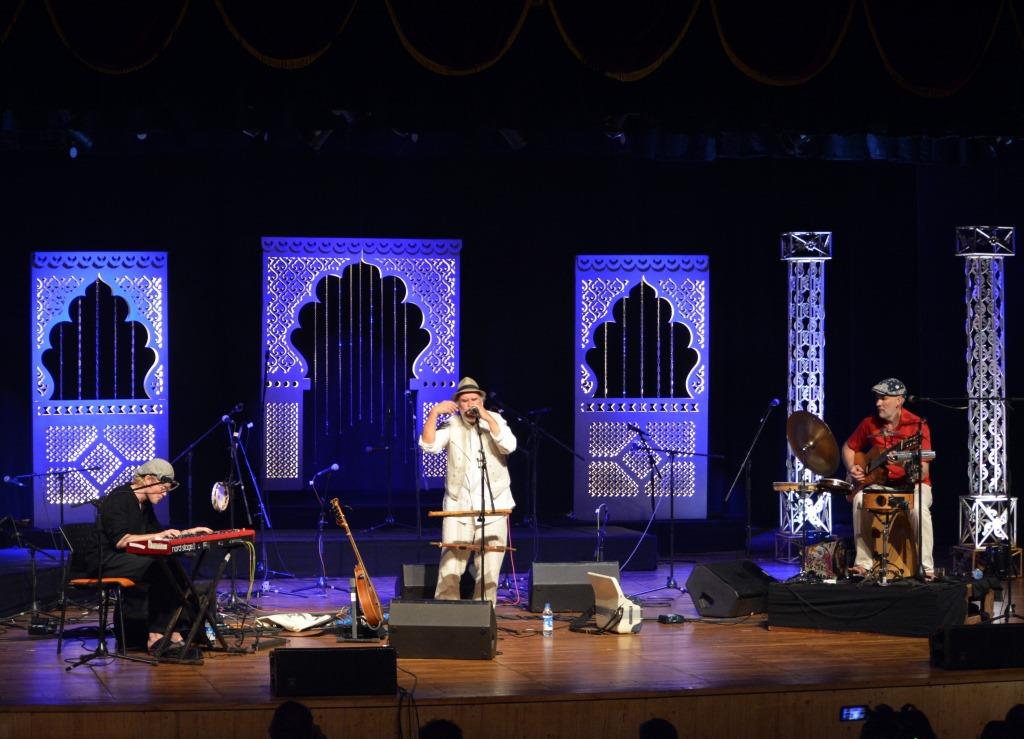
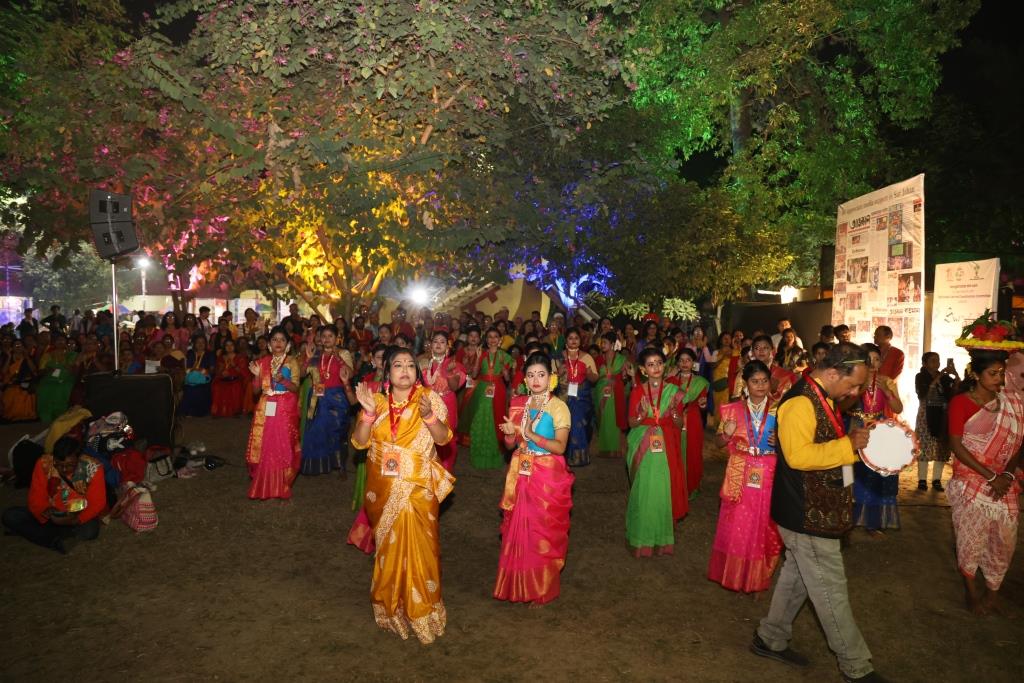
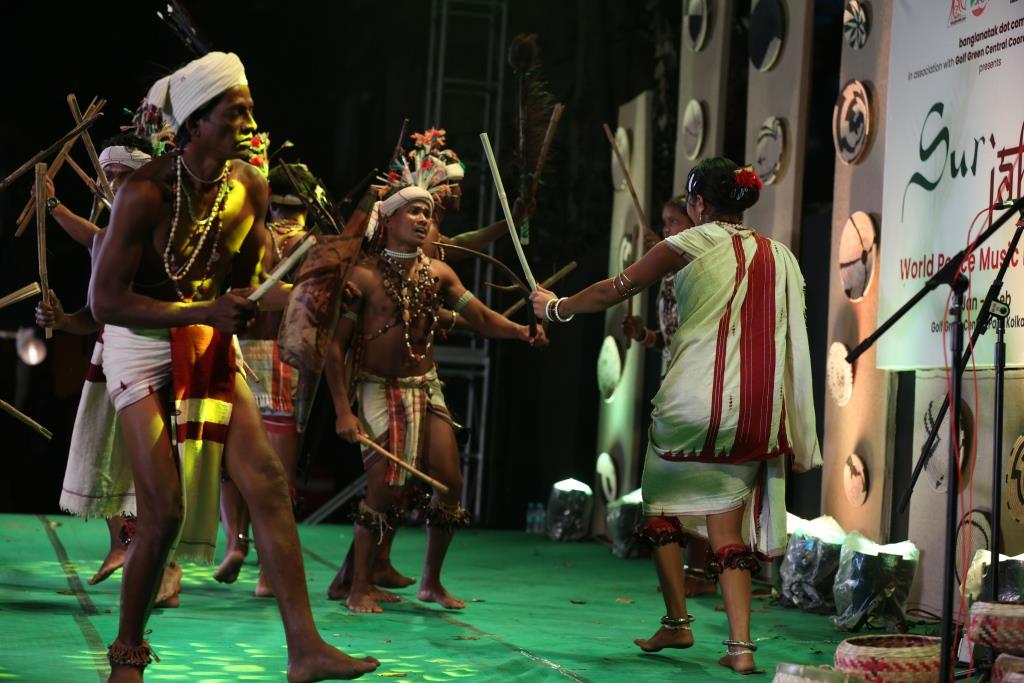
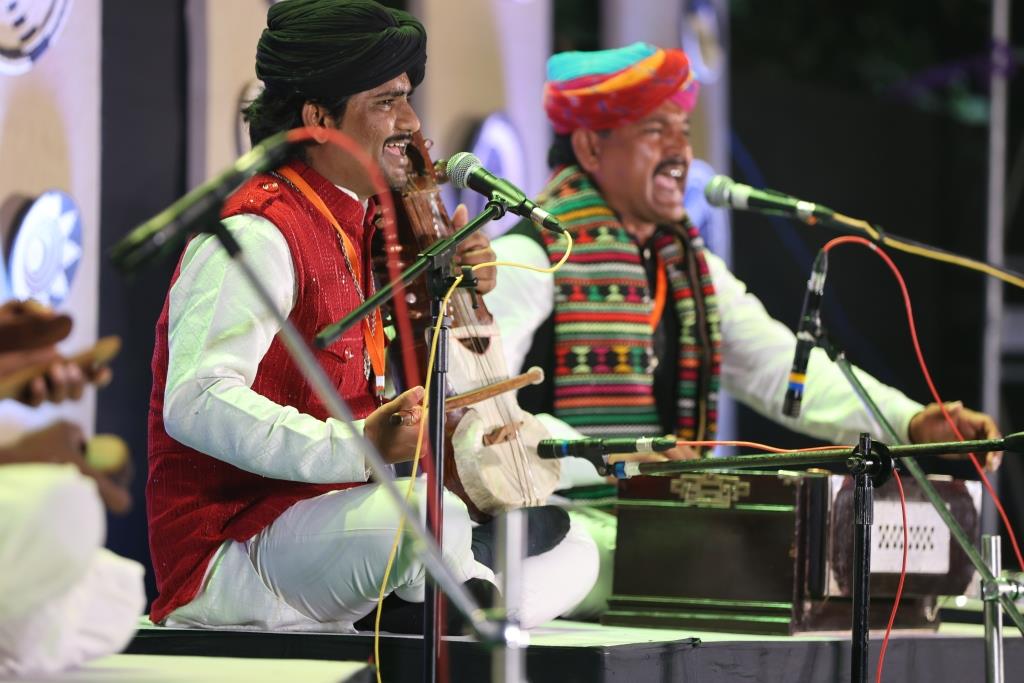
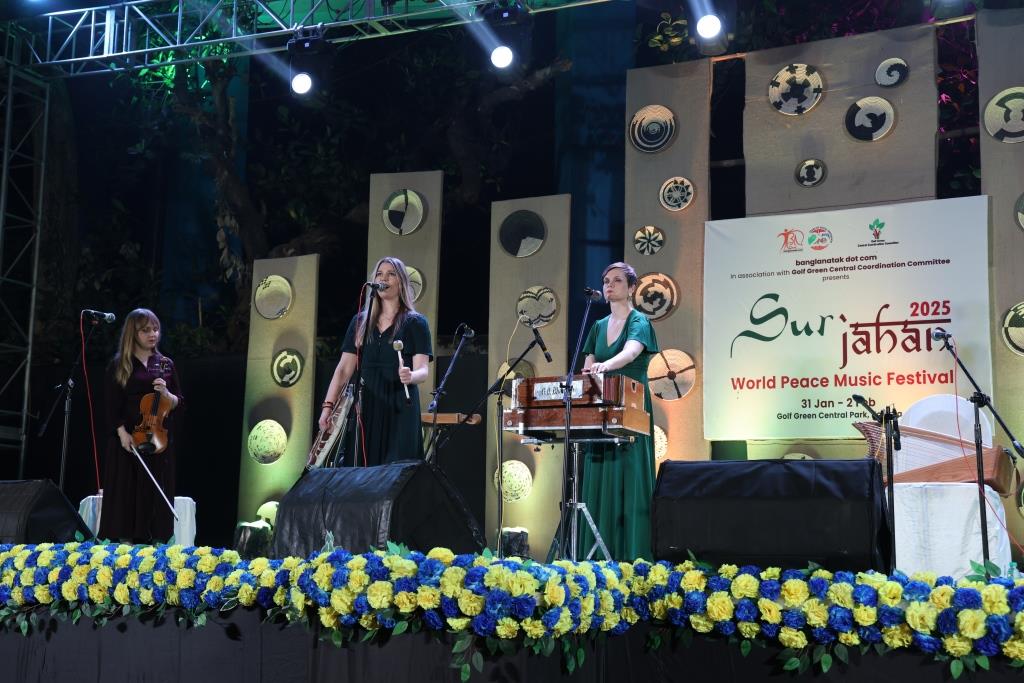
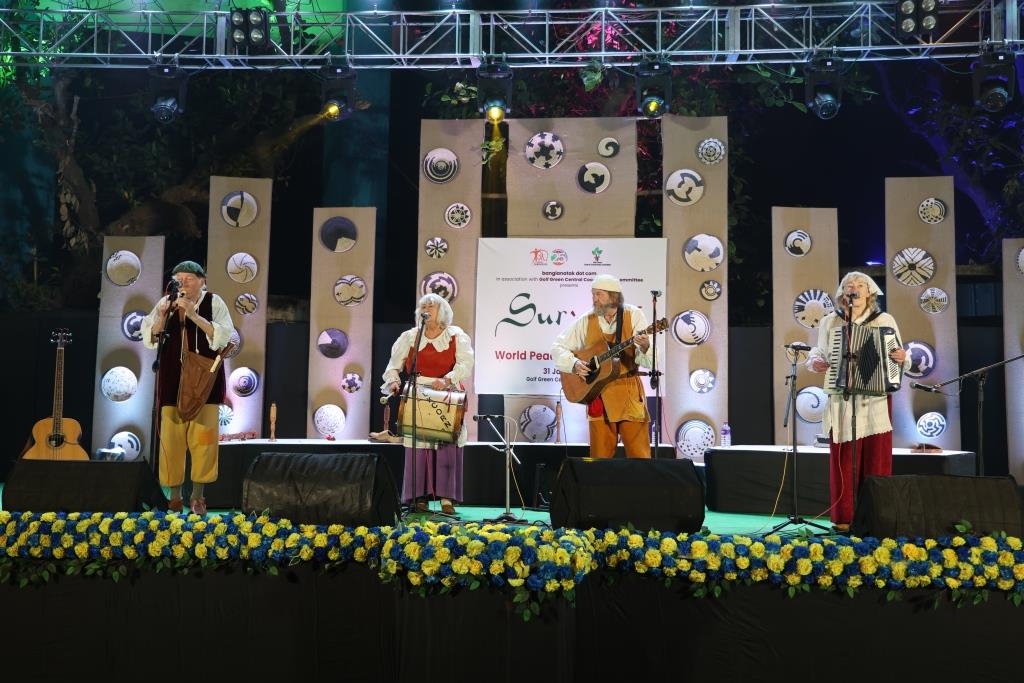
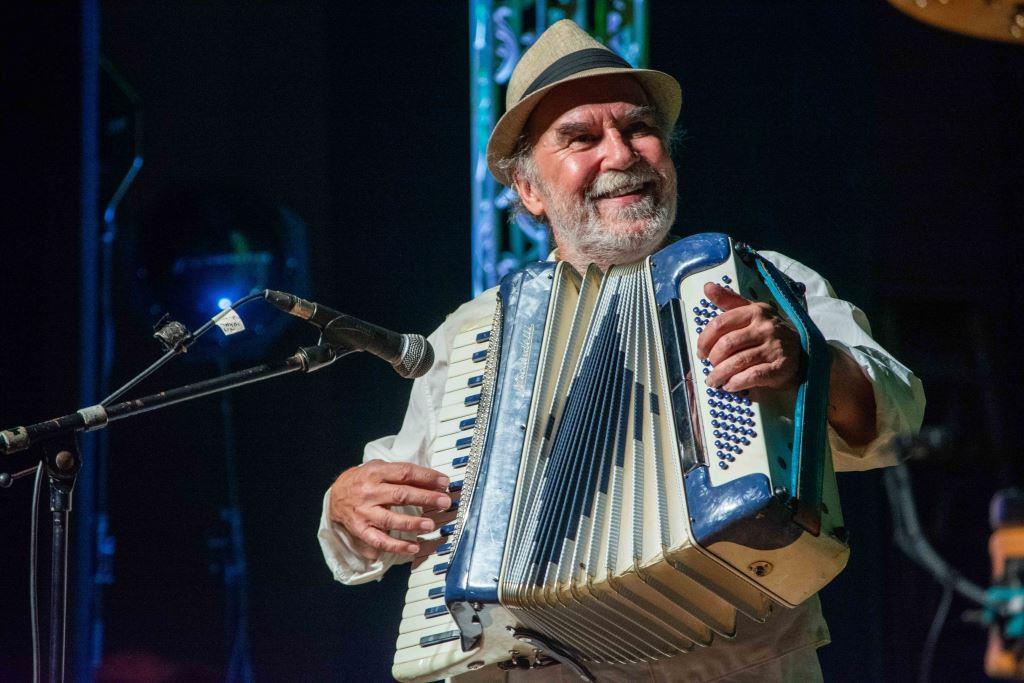
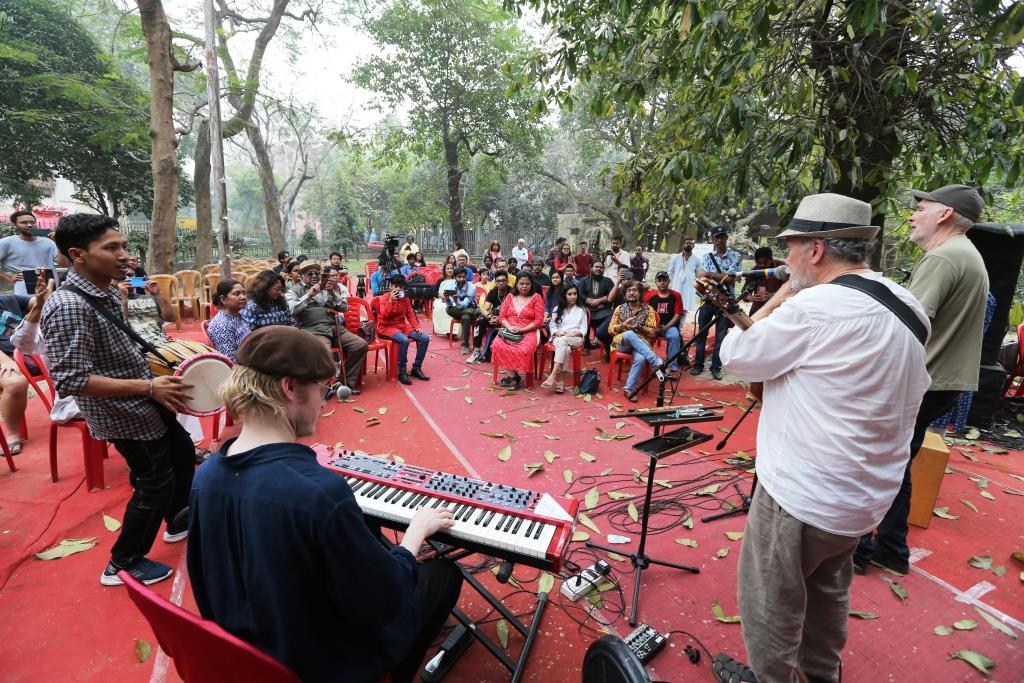
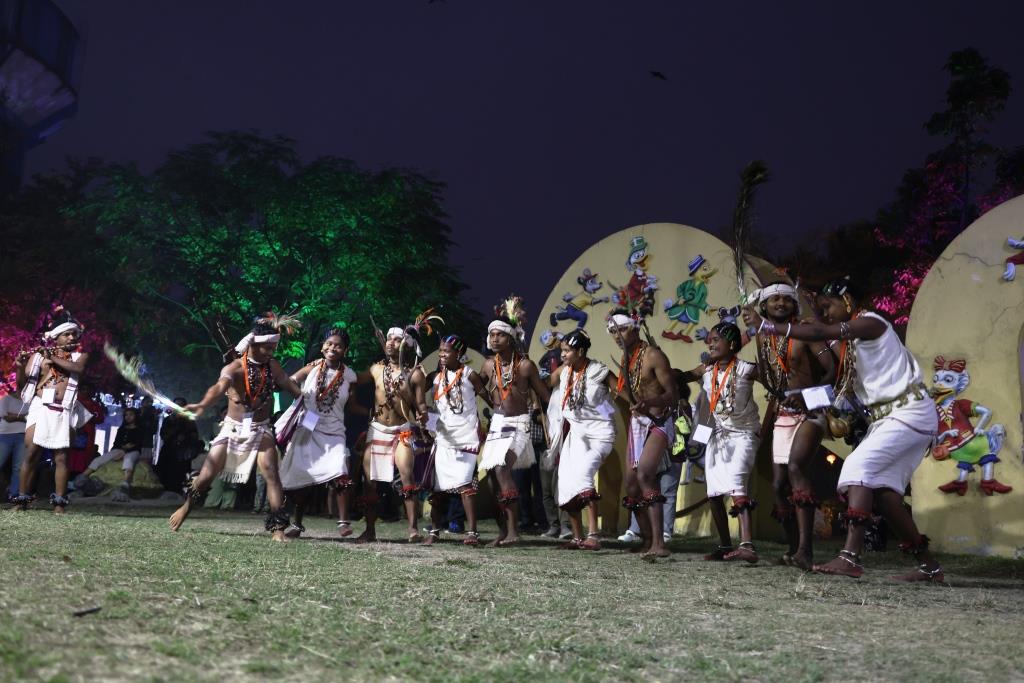
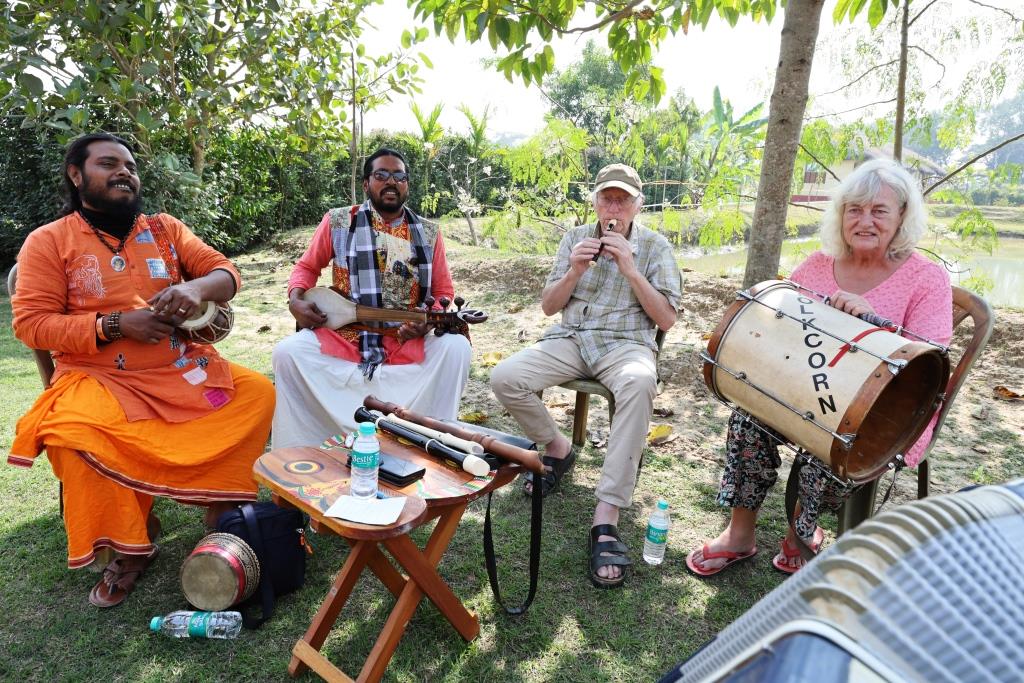
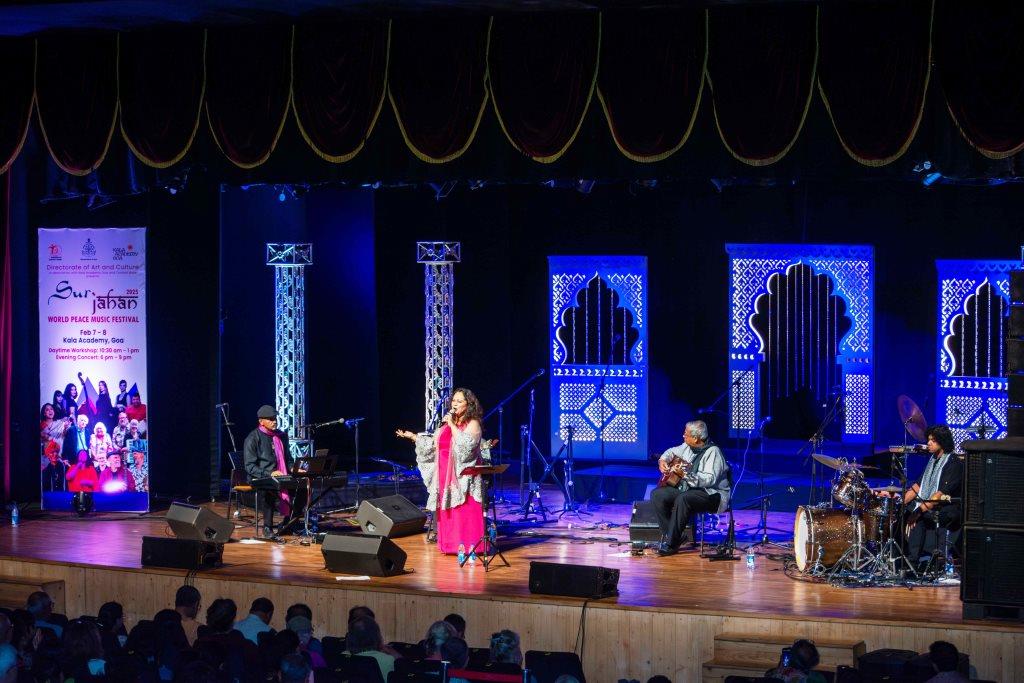
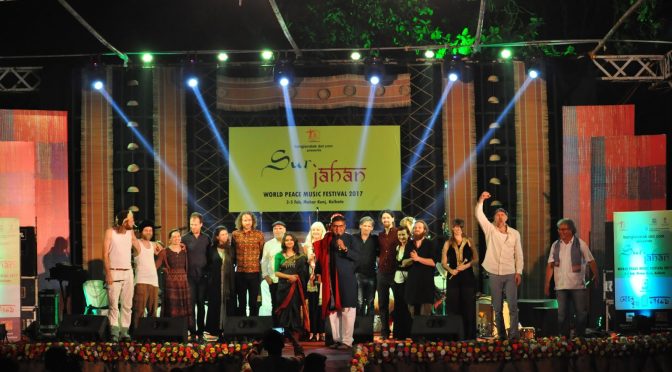
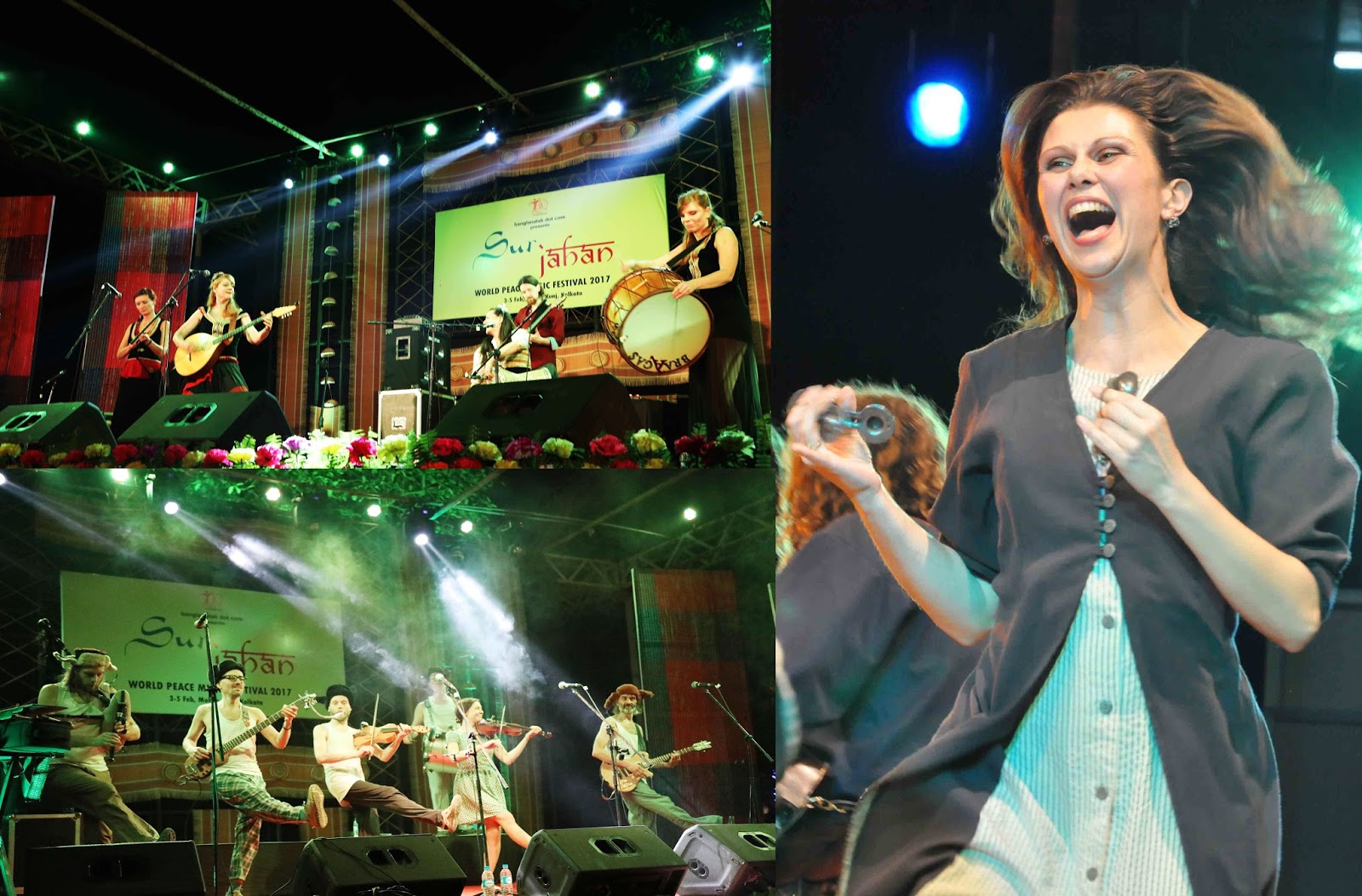
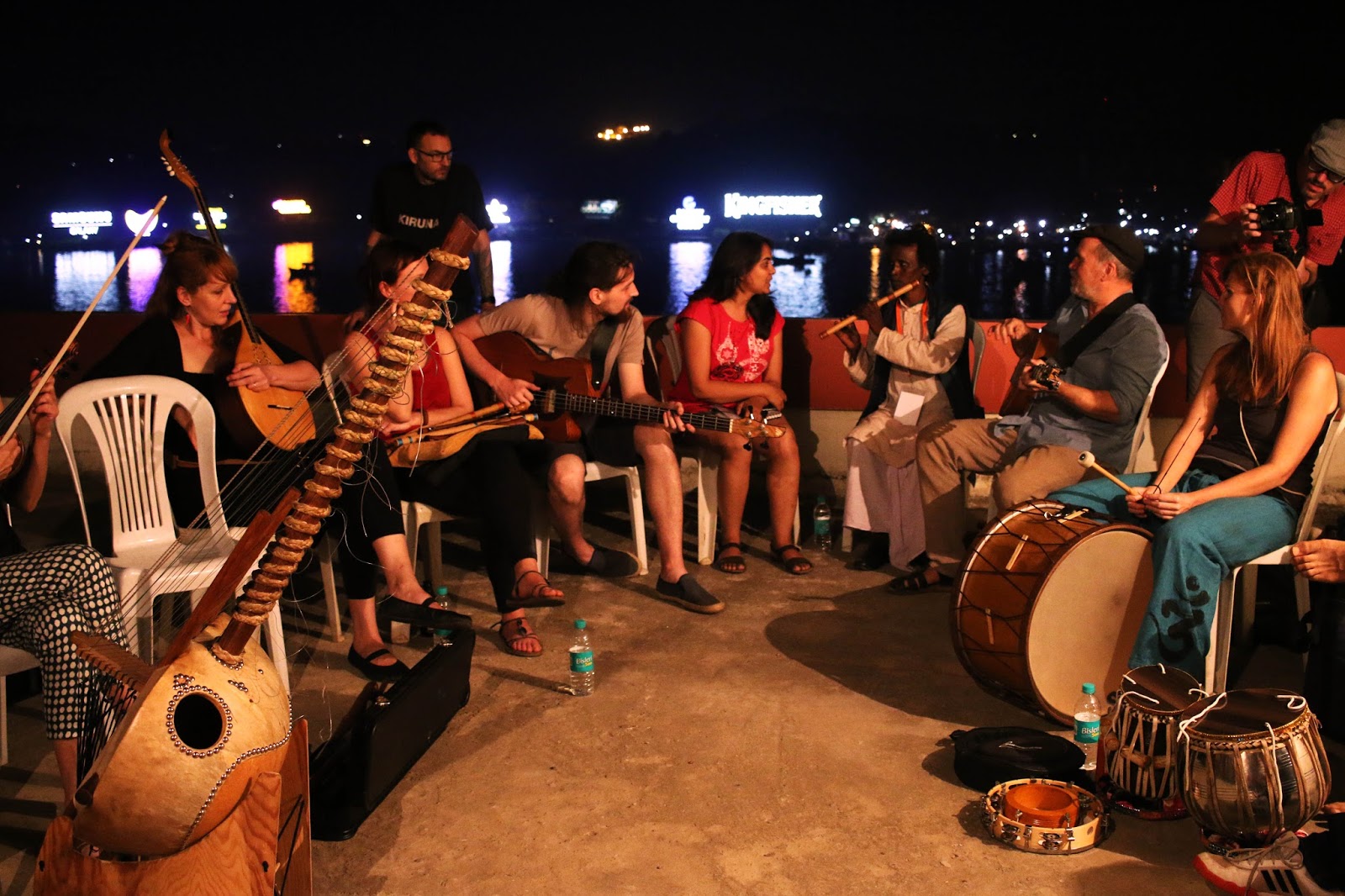
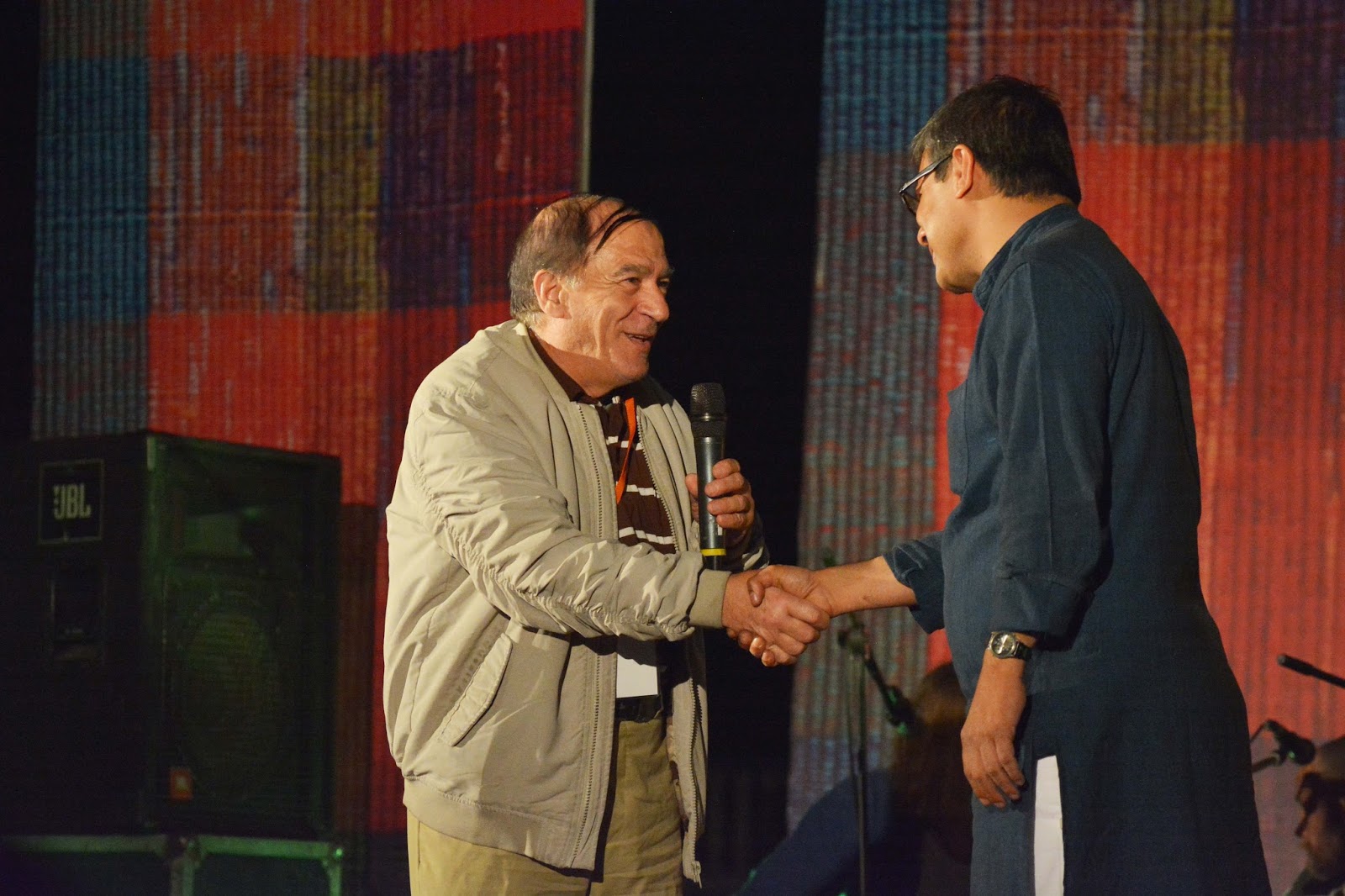 happy meetings, smiling faces and, above all, nonstop music that flows from the concert and workshop stages to the hotel rooms and lobby, and even the terrace. Sometimes, as for Sur Jahan 2017 in Goa, a moonlit sky with the glittering Mandovi river right across providing the perfect setting for the pure joy that we all witnessed that night and all the other nights of the festival. And here we witness the real impact of the words of Mr Alle Moller, the seven-time Grammy winning world music stalwart from Sweden, when he said on stage that this festival is a melting pot of cultures, creating opportunities for musicians,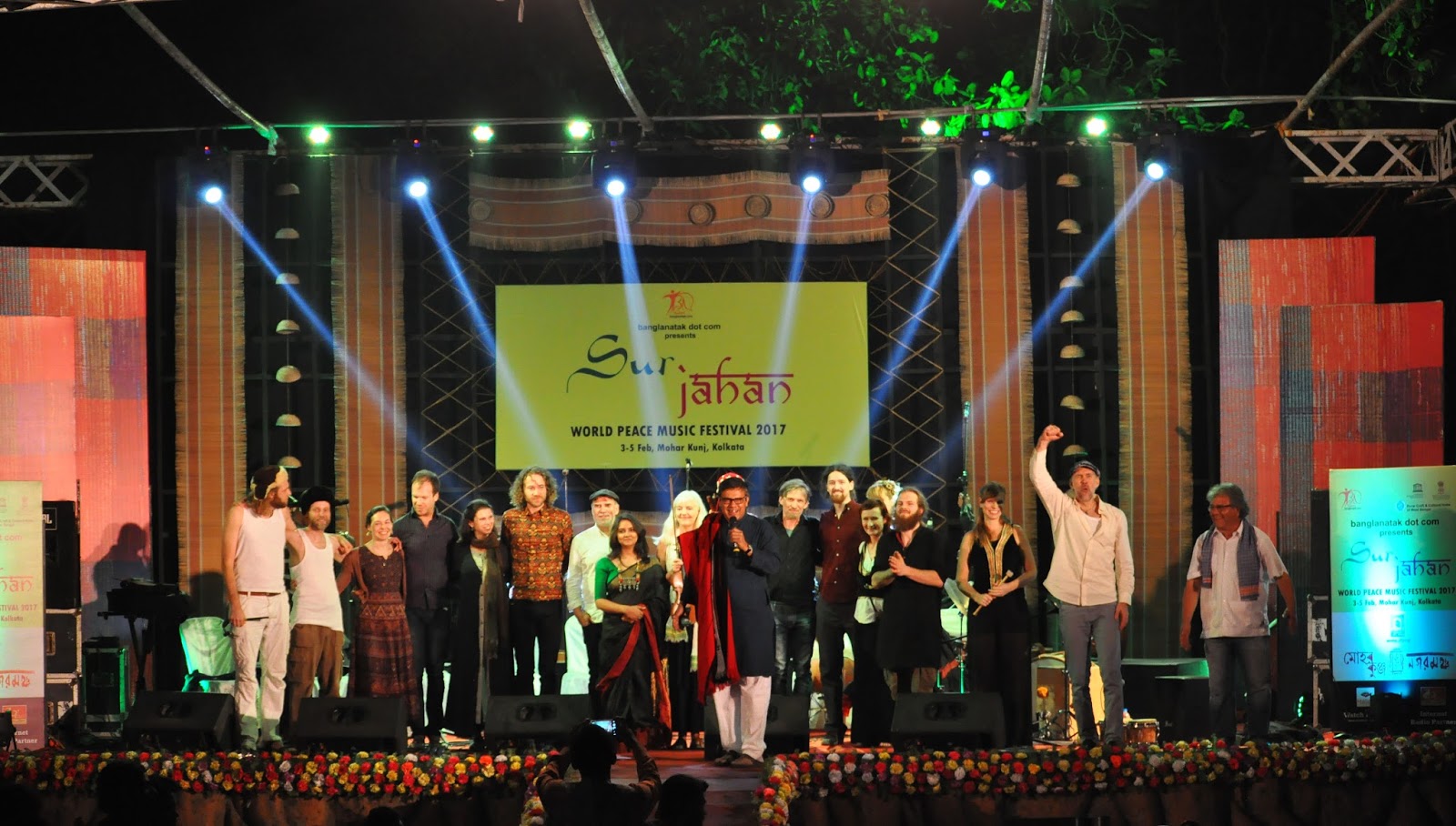
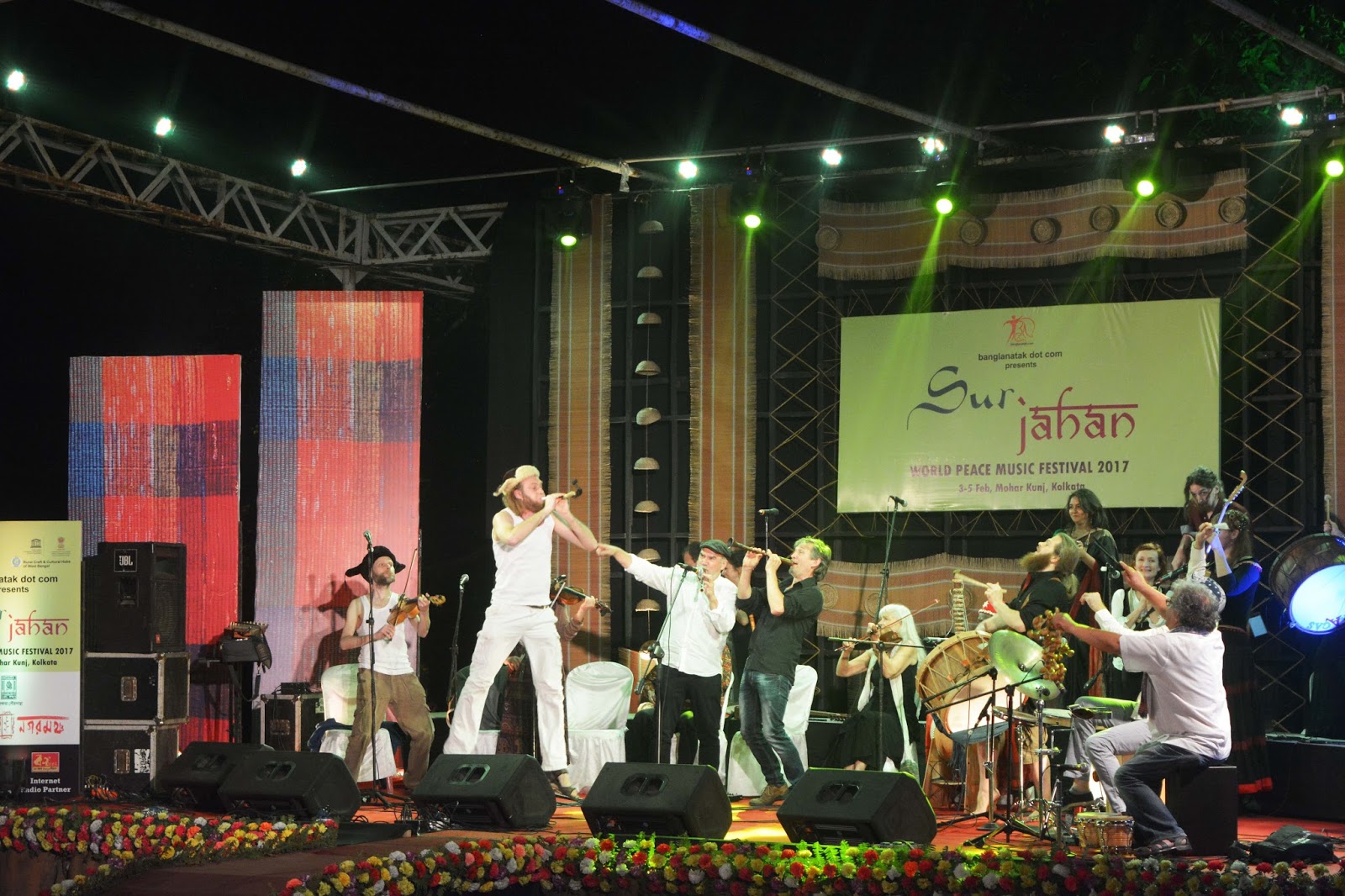 breaking into traditional Danish dance led by Mia Gulhammer of Virelai, on the rhythm from Mexico and the Czech Republic. You experience what might be called a dance challenge of the opposite genders, as per the Viking tradition, led by Mia and Jacob Lund. Incapable of resisting, you give in to the craziness of the moment and laugh your heart out, sweating profusely, especially to the challenges of none other than Moller himself. And while we took a break to relax our tired feet, the maestro randomly picked up a water pipe from the terrace and made it play the tunes in his head.
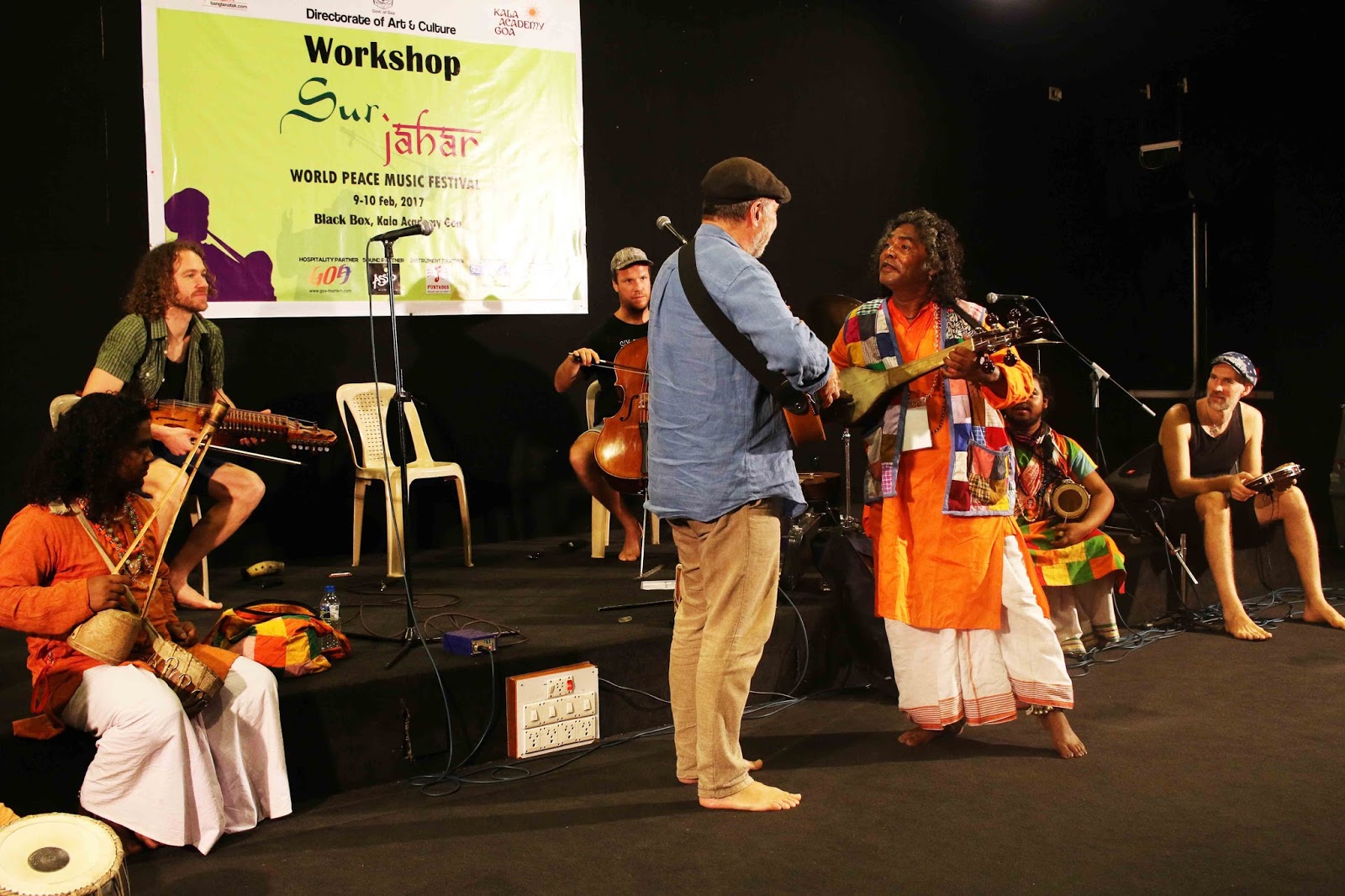 It is heartening for us to see the fruits of our labour shape into bookings for the traditional folk artists of Bengal by our visiting international guests like Mr Ken Day of the respected Urkult festival.
 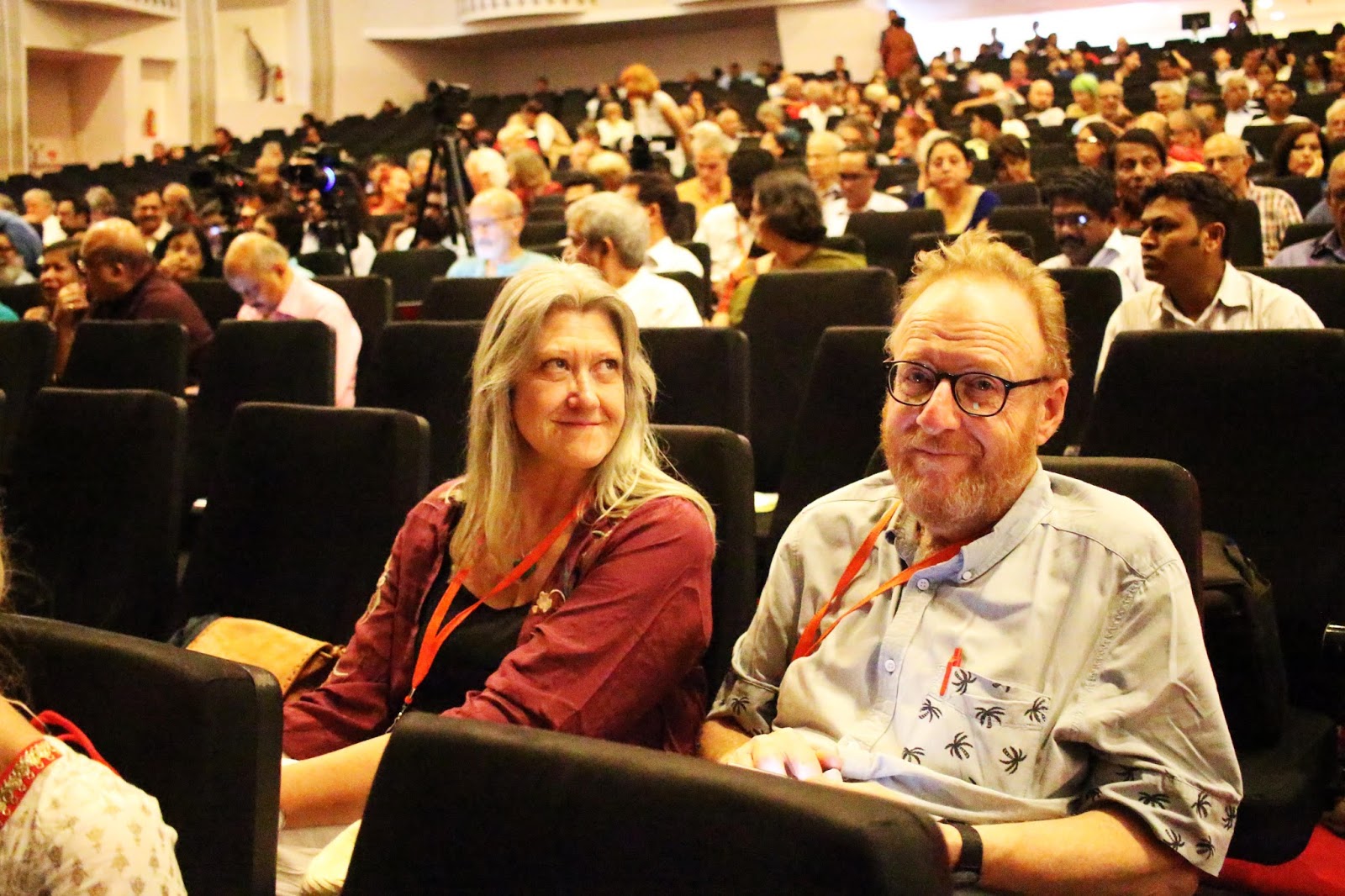 It makes it all worth it. Being in the audience and hearing Dr Zougbhi from the UN, who came all the way from Palestine to attend Sur Jahan in Kolkata, saying on stage that the festival has warmed his heart and given him hope as he hailed our year-long work with the marginalized communities for improvement of their lives and strengthening their identities using culture, it was the true validation of what, as a tribe, we believe in and practice.