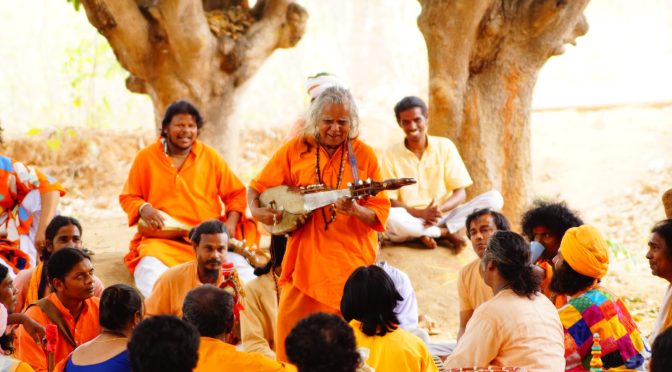
Baul Legends: Keepers of Bengal’s Mystical Music and Soul
The Bauls of Bengal are not just musicians—they are mystics, poets, and spiritual seekers who express their philosophy of life through soul-stirring songs. Rooted in a syncretic blend of Vaishnavism, Sufism, and Tantric traditions, Bauls believe in the divinity of the human body and the quest for the Maner Manush—the person of the heart. With their distinctive ektara, dotara, khamak, and gabgubi, Bauls carry their messages of love, equality, and freedom across rural landscapes and global stages alike.
Baul music, inscribed on the UNESCO Representative List of the Intangible Cultural Heritage of Humanity, lives and breathes through its wandering singers and devoted Gurus. Among them, Narayan Adhikary, Biren Das Baul, and Tarak Khyapa stand tall as torchbearers who upheld and spread the Baul way of life across generations and geographies.
Narayan Adhikary: The Wandering Mystic with a Thousand Songs
Born in a village in present-day Bangladesh (then East Pakistan), Narayan Adhikary arrived in Bengal at the tender age of 10 with little more than a dotara gifted by his Guru. From those humble beginnings, he rose to become one of the most celebrated Bauls of his time, performing in 19 countries including France, Switzerland, Italy, England, Belgium, and Japan.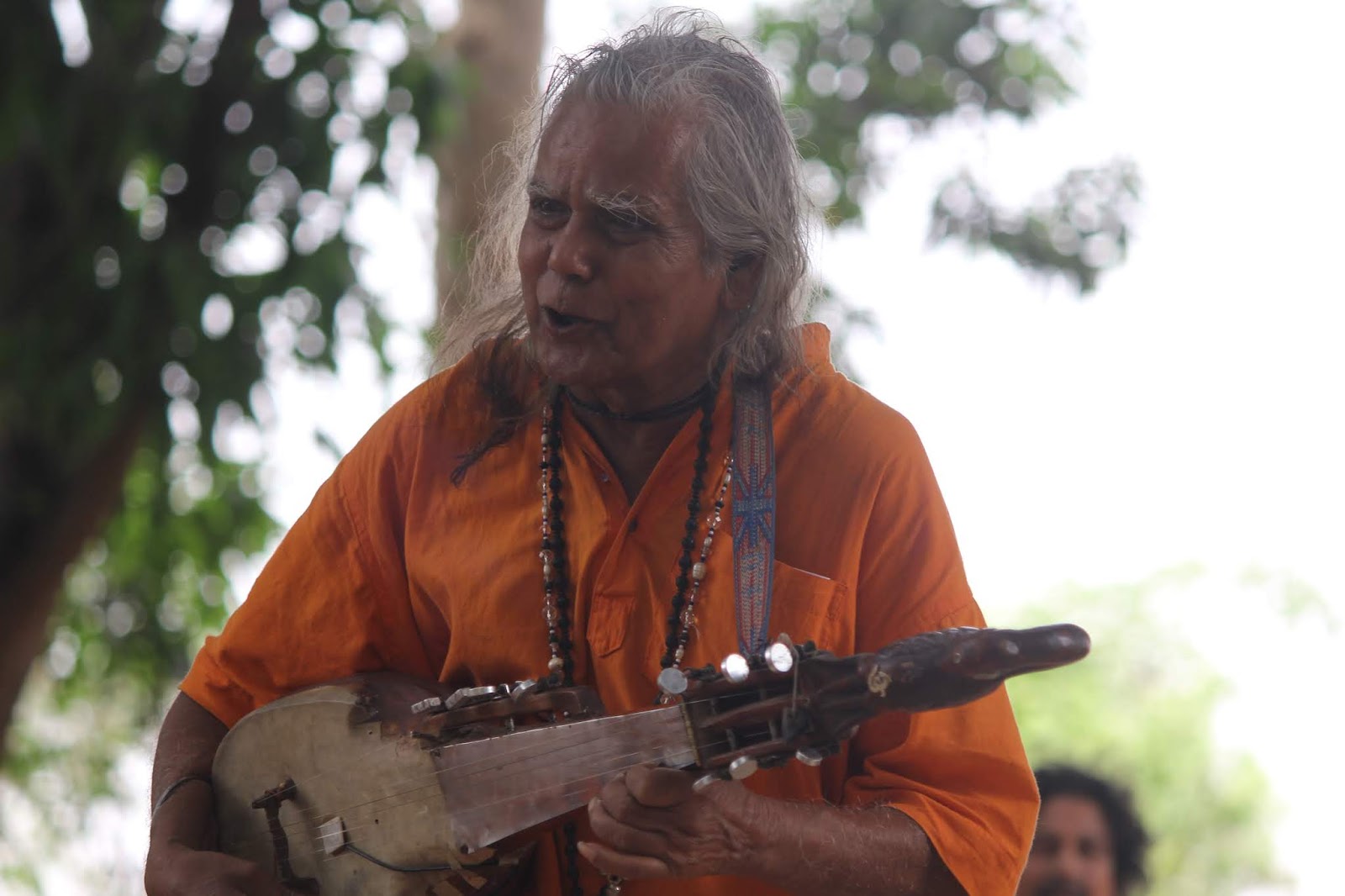
His early musical training came from his father Surdas Adhikary, followed by tutelage under Gurus like Biswanath Das, Haradhan Das, Sanatan Das, and Brindaban Das Adhikary. With an exceptional voice and an expansive repertoire, Narayan Adhikary became a living archive of Baul music. His vast collection included compositions by Lalon, Yadubindu, Kubir Gonsai, Duddu Shah, and Panju Shah.
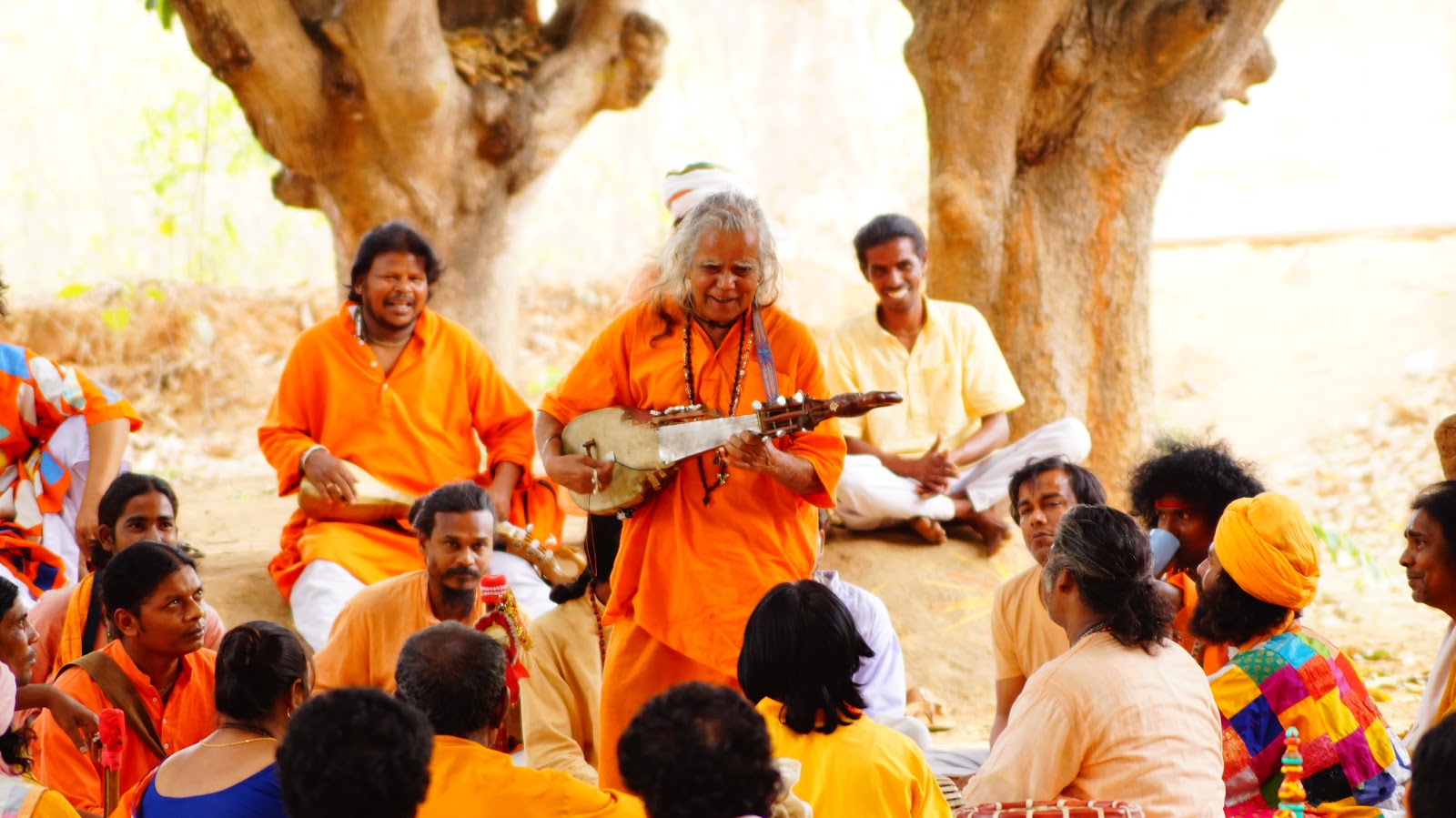
Narayan Adhikary was not only an artist but a Guru in the truest sense—his last disciple, Bakul Pal, is now an established Baul singer, trained by him in both voice and dotara with great affection and care. Through his music and life, he became a symbol of unity and assimilation, transcending borders between Bengal and Bangladesh, tradition and modernity.
He spent his final years in a village near Panagarh and passed away on 3 January 2018, at the age of 84. His songs continue to echo the call of the inner self.
Biren Das Baul: The Philosopher Singer of Nadia
A spiritual singer and a philosopher in the Baul tradition, Biren Das Baul was born in 1940 in Jhinaidaha, Bangladesh—a region deeply associated with saints like Panju Shah and Bijay Sarkar. His journey began under Safdar Shah, a direct disciple of Lalon Fakir, and later continued with Gurus like Khodabaksh Shah, Mokshed Ali Shah, Karim Shah, and Behal Shah.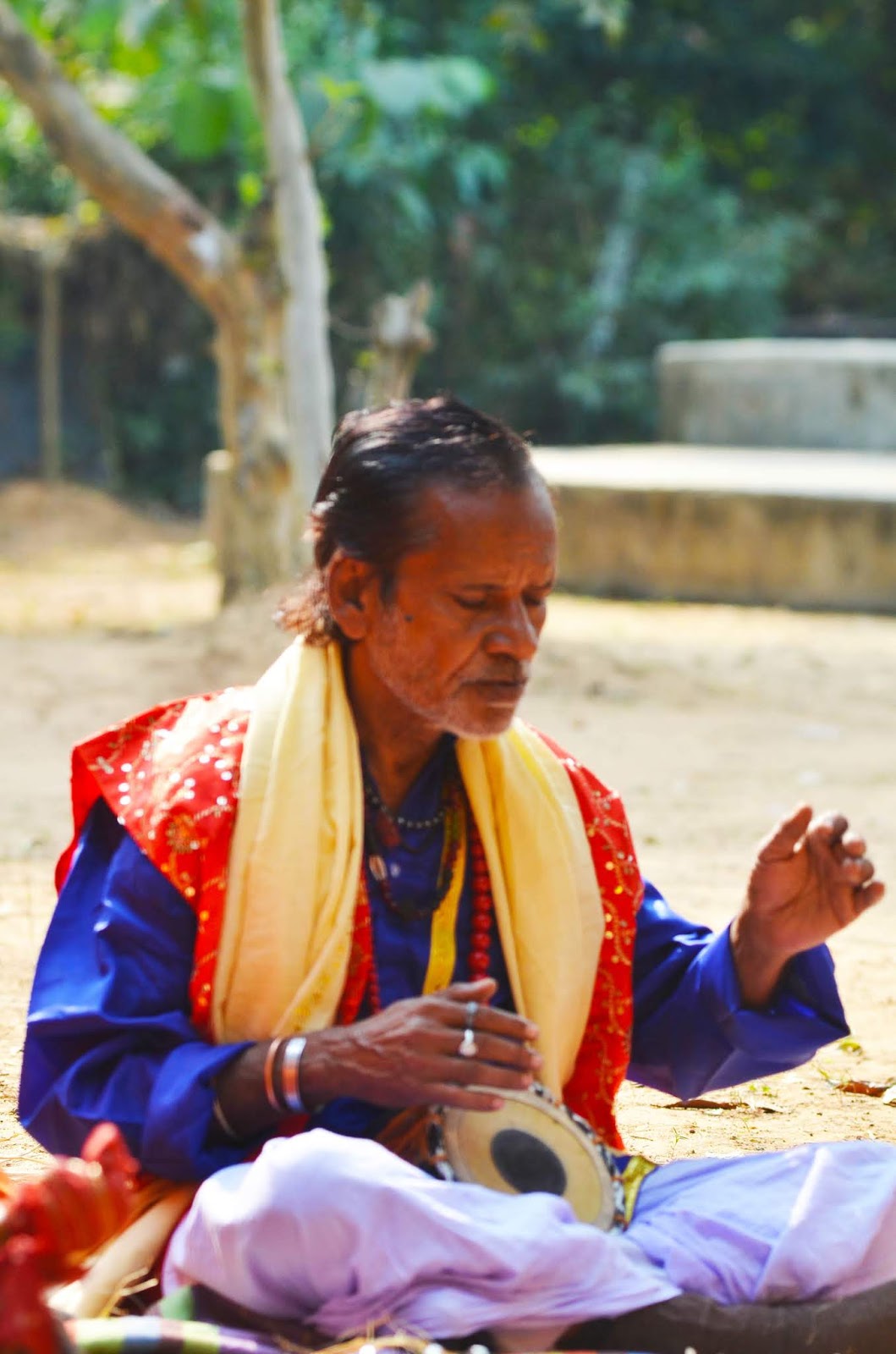
Forced to migrate during the 1971 Bangladesh Liberation War, Biren Das settled first in Hariharpara, Murshidabad, and later in Chilekhali, Tehatta Daspara in Nadia, where he remained until his death.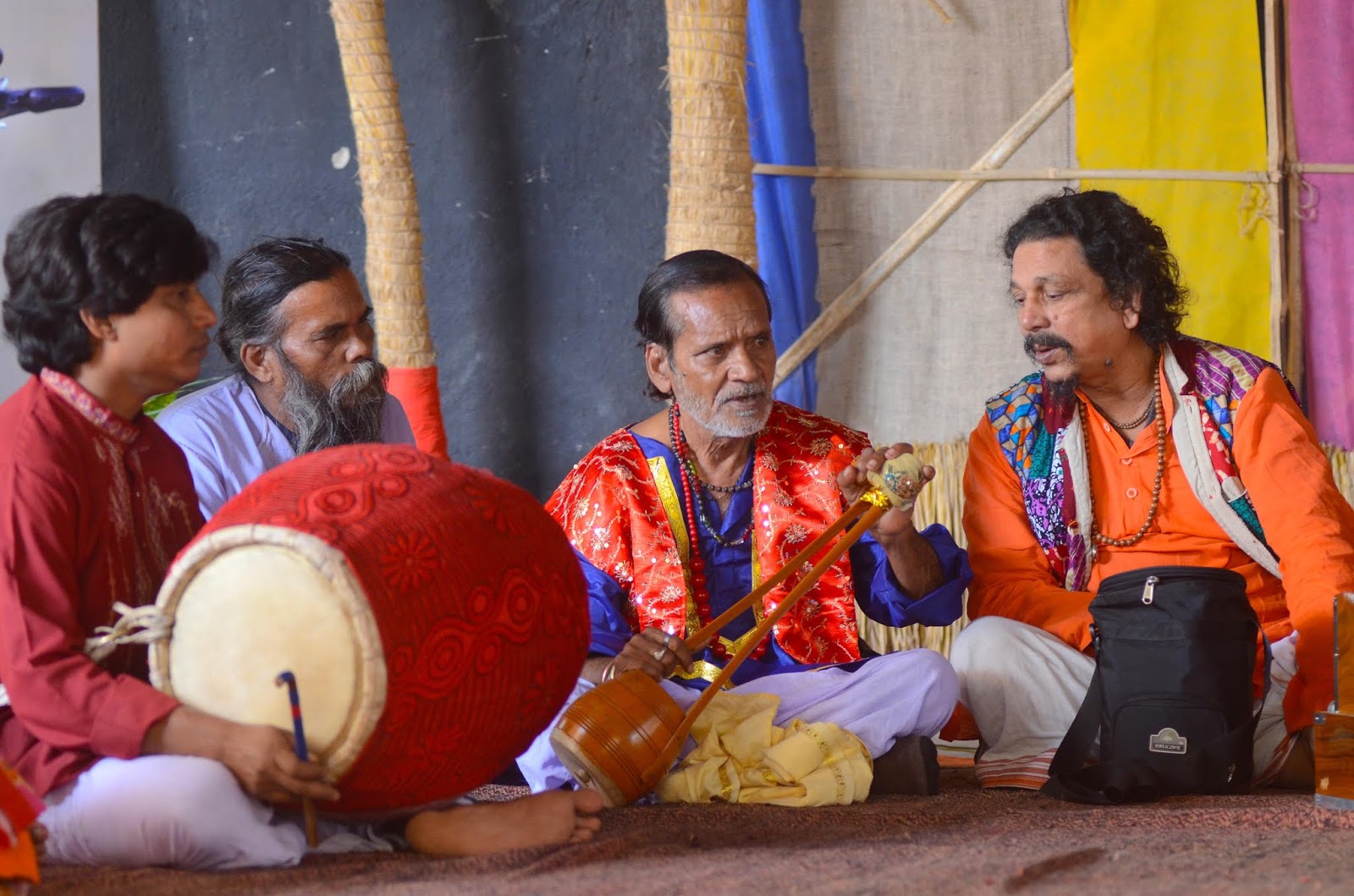
Biren Das was revered not just for his music, but for his deep understanding of Vaishnavism and Islamic mysticism, which he would interpret for audiences alongside his songs. His rare ability to combine voice, lyrics, and inner meaning made his performances profound spiritual experiences. With a treasure trove of compositions inherited from multiple gurus, his style was rooted in the authentic lineage of Lalon’s teachings.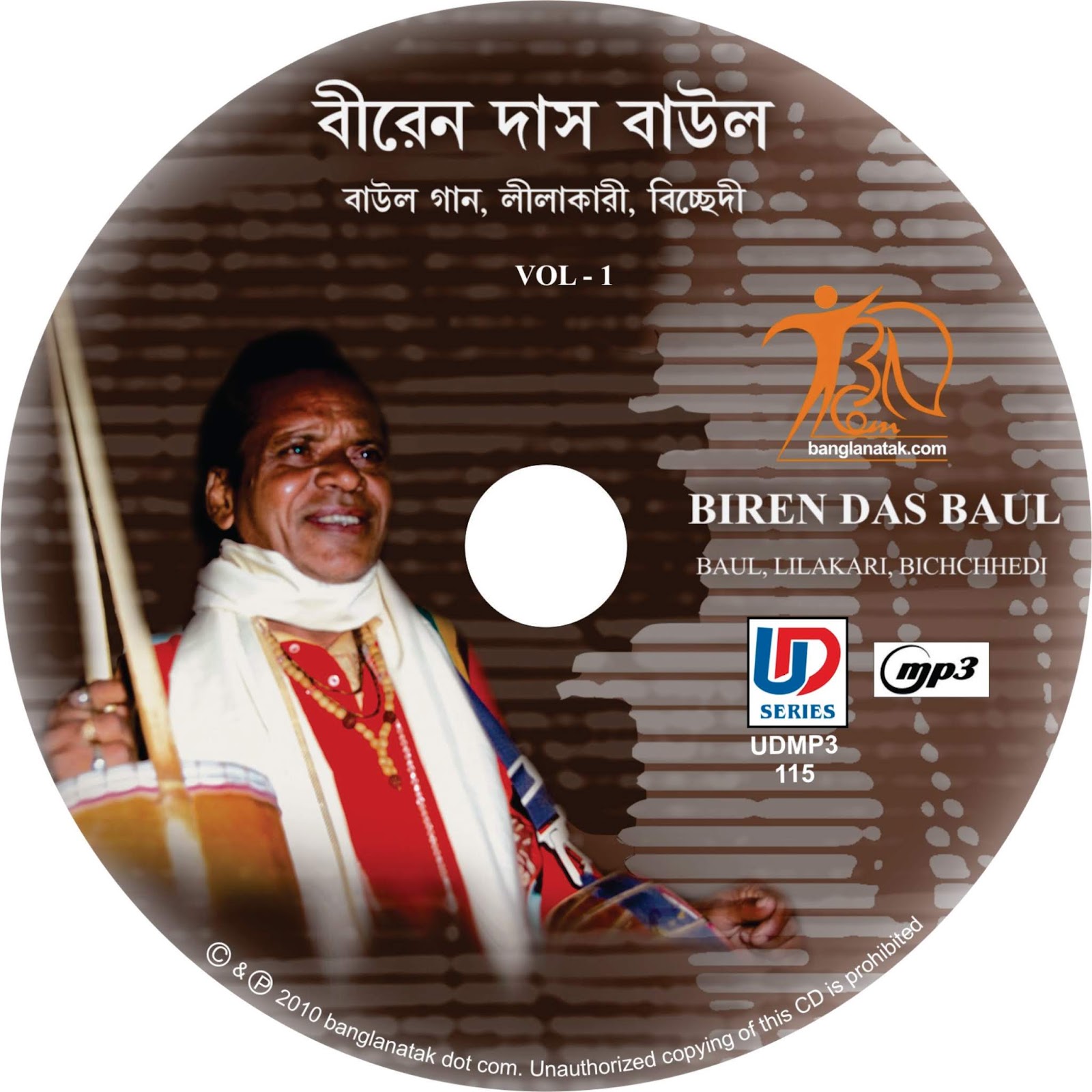
He passed away on 9 January 2019. His contributions, particularly in explaining Baul philosophy to the masses, make him irreplaceable.
🎵 In 2010, he released two albums—“Biren Das Baul” and “Biren Das Vol 2”—each containing 37 songs.
Tarak Khyapa: The Dancing Fire of Joydev Kenduli
Born in the famed Baul heartland of Joydev Kenduli, Birbhum, Tarak Khyapa was a magnetic performer whose vibrant voice and electrifying dance captured hearts. Adept in playing Dotara, Khol, Tabla, and Gabgubi, he was a natural artist who inherited his love for Baul from his father Kanailal, and later trained under Sudhirbaba of Tamaltala Ashram and Pagol Ramdash, a renowned Baul lyricist and performer.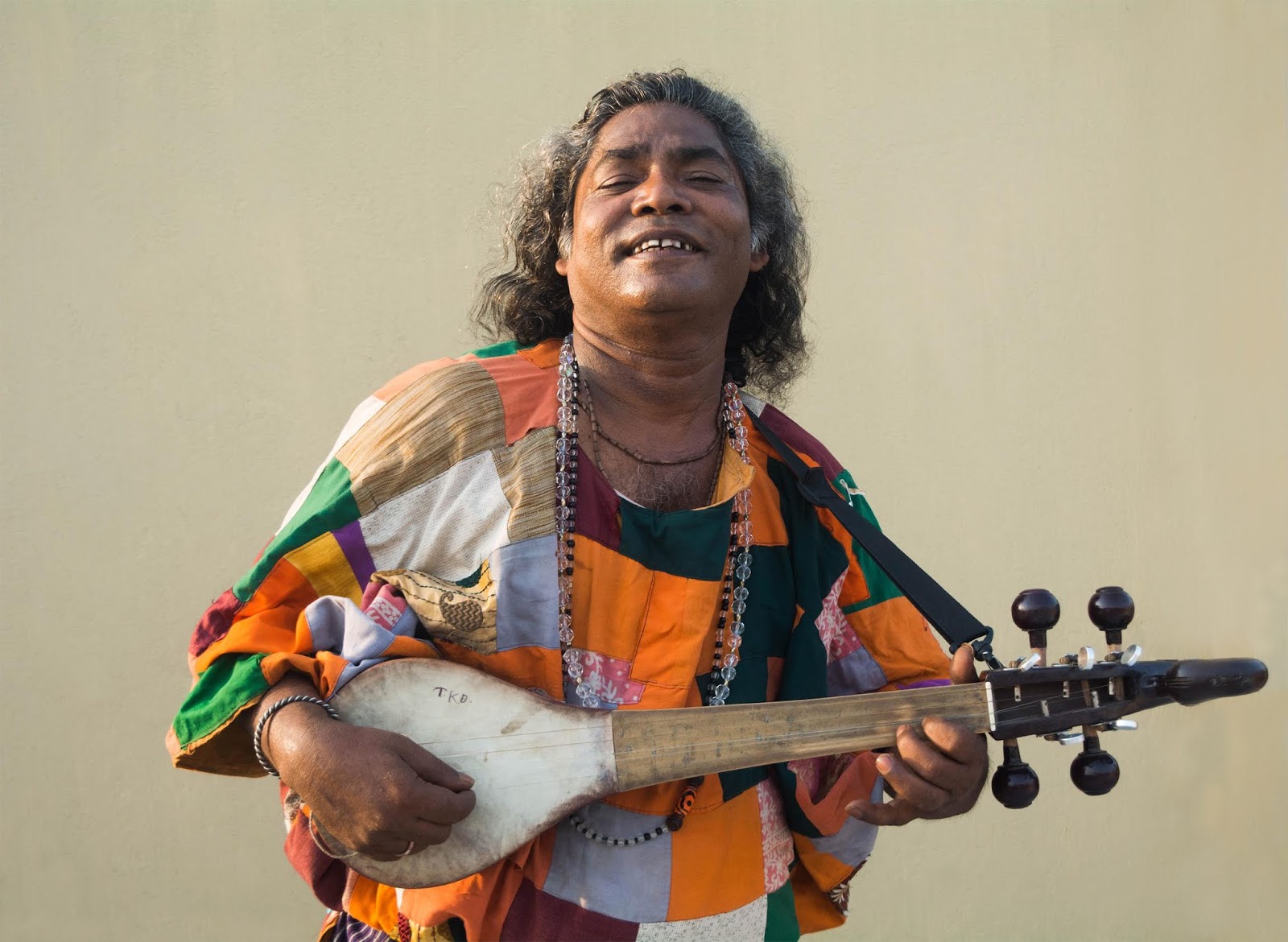
Tarak’s mastery of music was matched by his embodied understanding of Baul philosophy. He sang compositions of Lalon Fakir, Haure Gonsai, and Nilkantha, and his performances were acts of spiritual union—where the body, voice, and soul merged into song.
Determined to preserve and spread the authentic Baul tradition, Tarak Khyapa established the “Baul-Kutir-Sebashram”, a space where students learned both singing and the playing of khamak under his guidance. As a Guru, he was known for his compassion, discipline, and deep connection with his disciples.
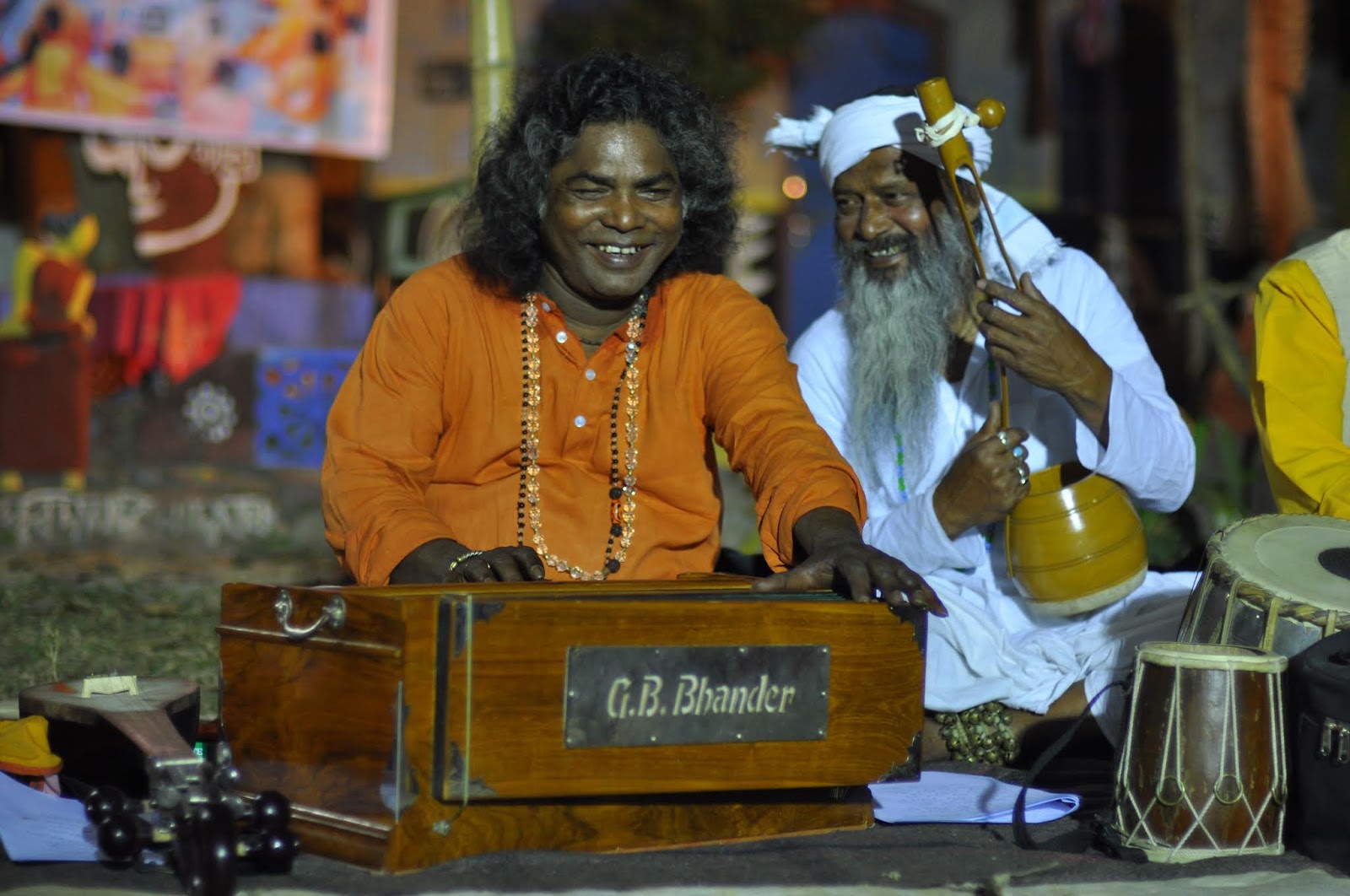
Despite a short life, Tarak made a lasting impact, performing internationally in Denmark and South Korea. He passed away on 10 October 2017 at the age of 57. His sons, Sadhu and Kangal, carry forward his legacy, performing widely in India and abroad.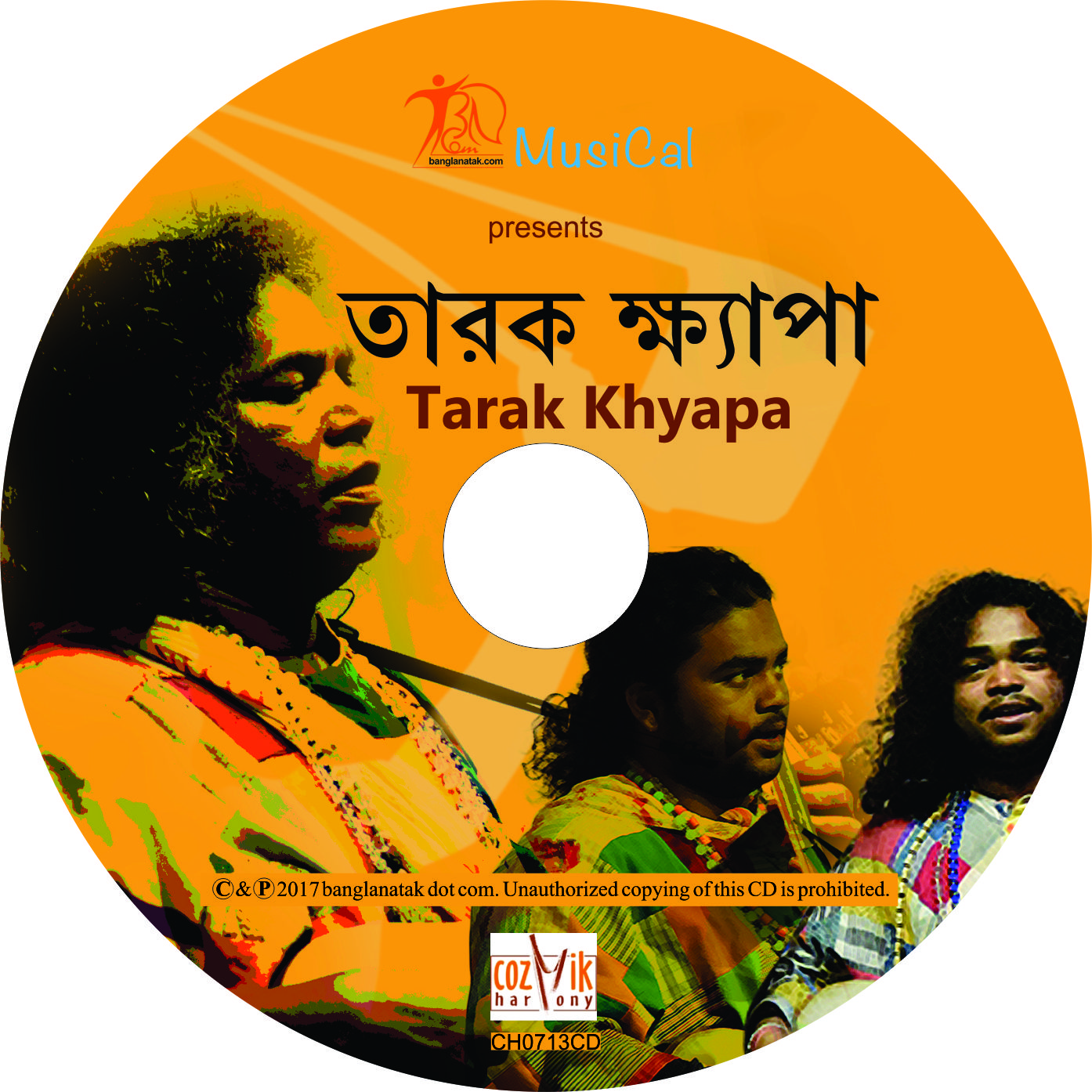
🎵 In 2017, he recorded an album titled “Tarak Khyapa” alongside his sons.
These three Baul legends—Narayan Adhikary, Biren Das Baul, and Tarak Khyapa—are not merely artists but guardians of a living philosophy, preserving and passing on a way of life rooted in love, freedom, and self-realisation. Their voices continue to echo across borders, generations, and hearts.
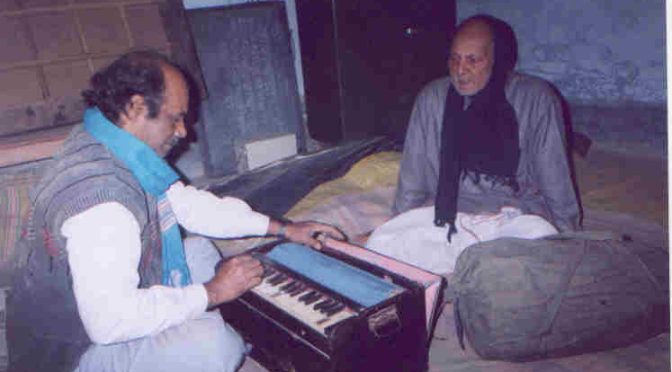
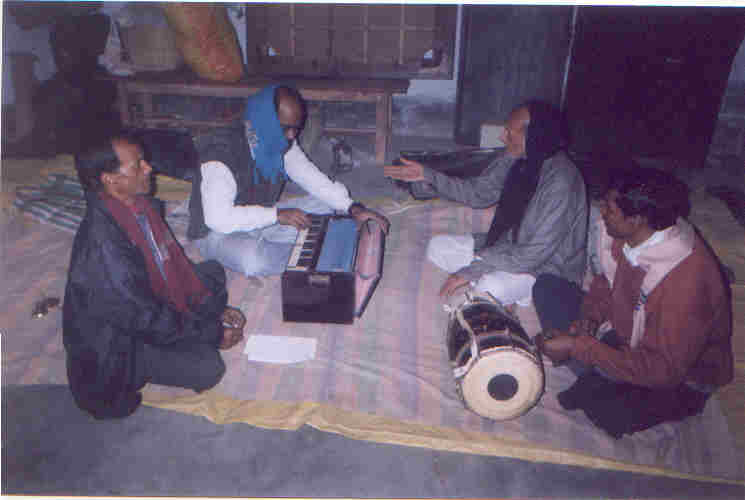
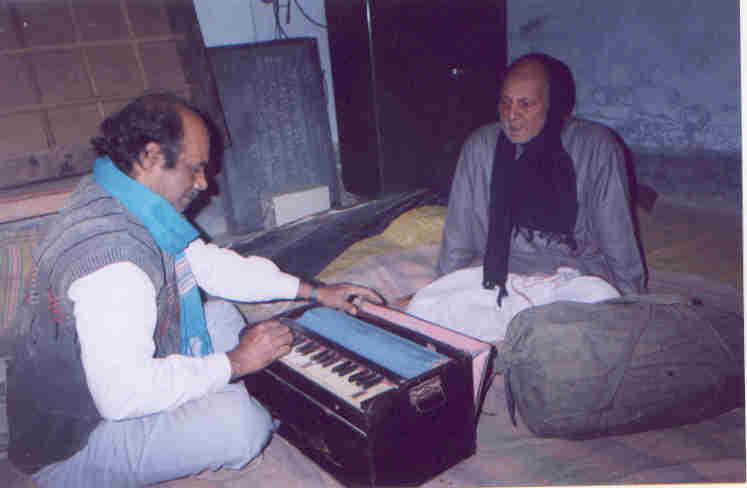 Among them, Dokori Chowdhury holds a place of pride. A gifted singer and lyricist, he inherited the legacy of legendary performers Jogendra Chowdhury (Mator) and Debnath Ray (Habla), and carried it forward with sincerity and brilliance.
 question injustice and corruption. His ability to make Gombhira contemporary while retaining its traditional essence was remarkable. In recognition of his contributions, he received the Lalon Puraskar.
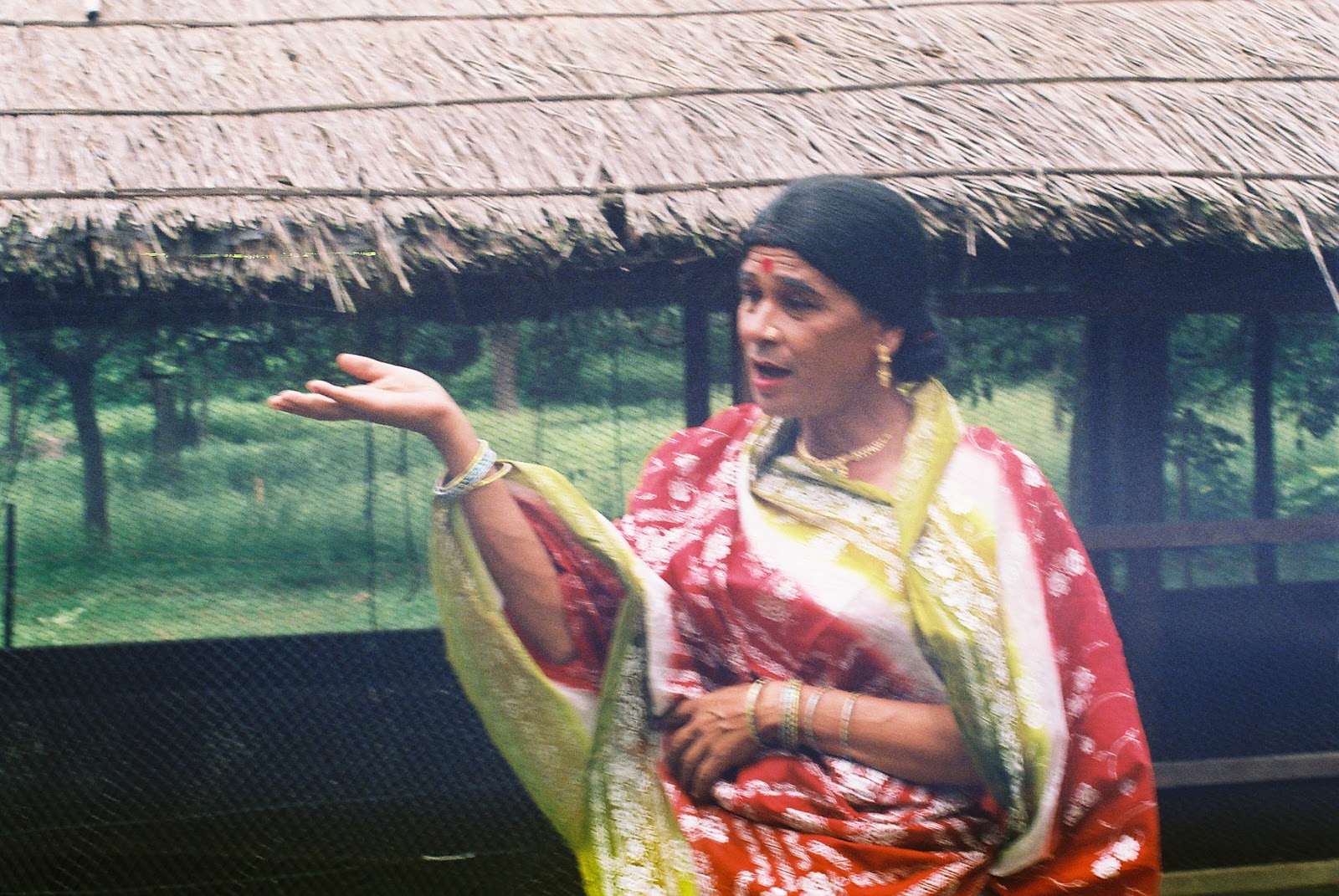 Jiten was not only a skilled actor but also an accomplished singer and dancer.
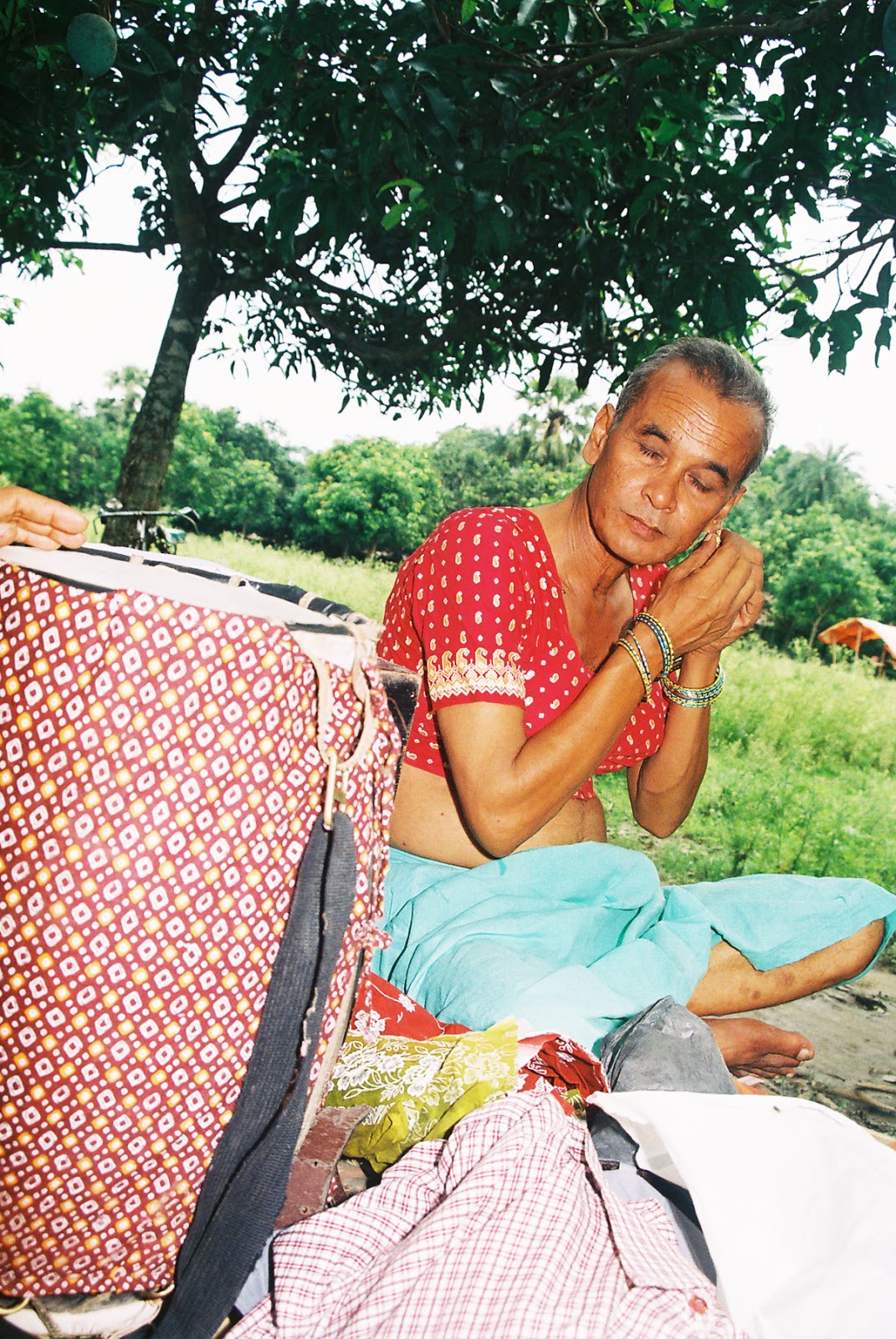 His mentor was the eminent folk art specialist Subodh Chowdhury, under whose guidance Jiten refined his craft.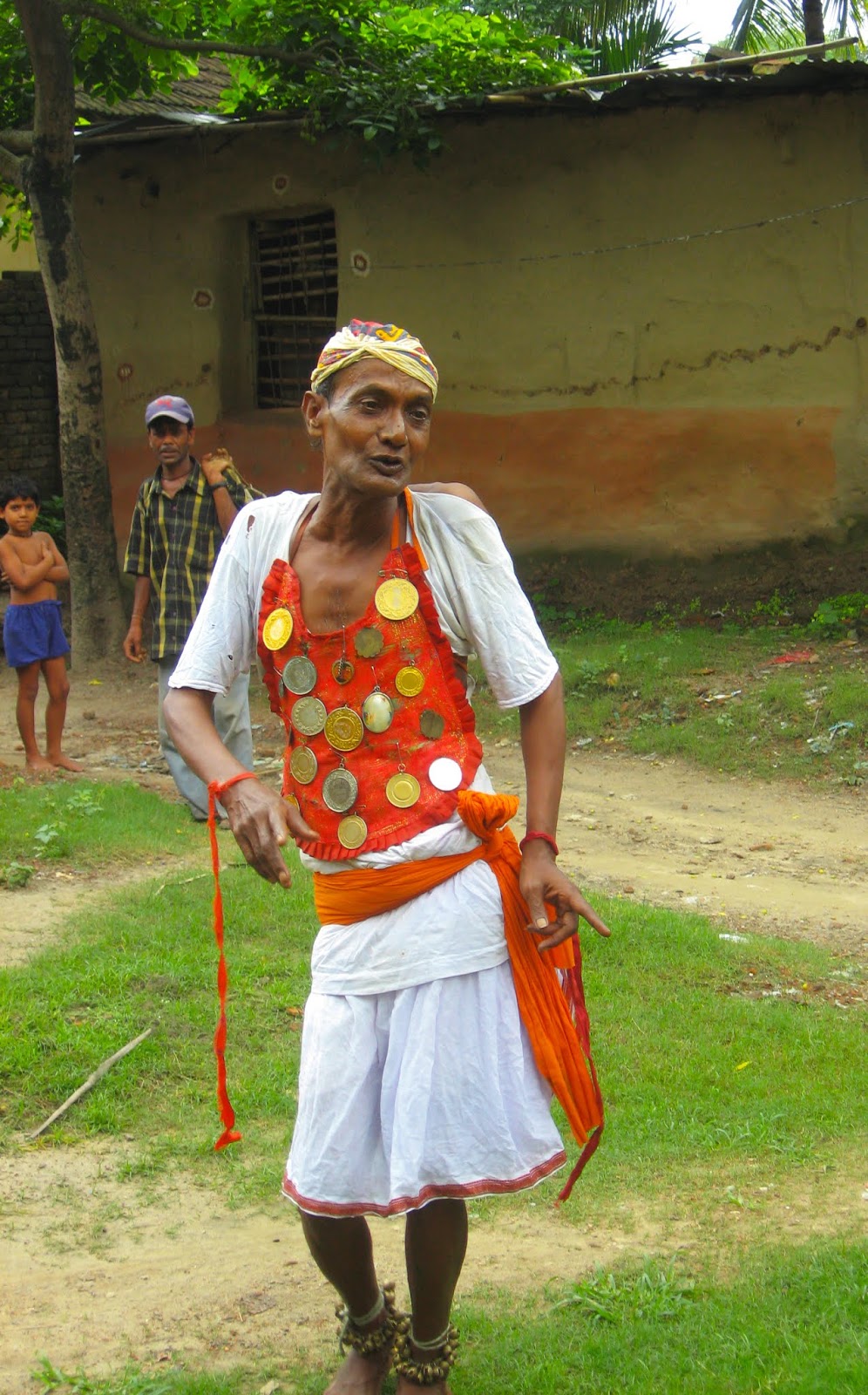
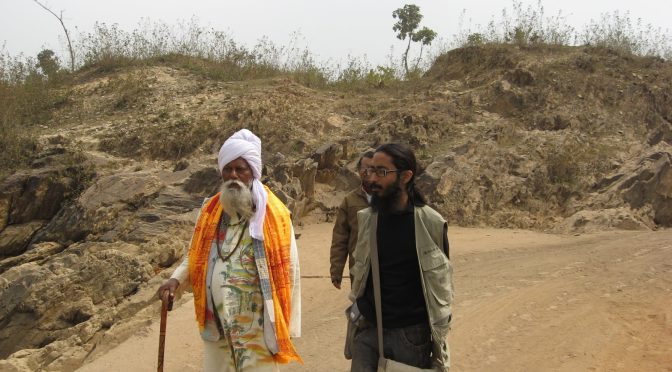
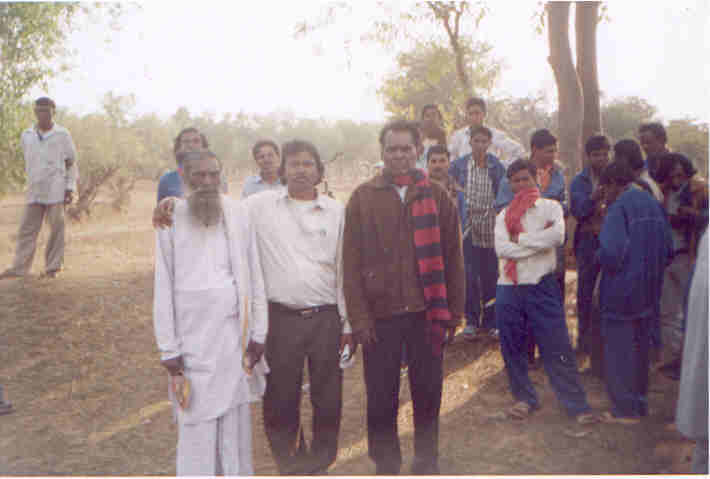
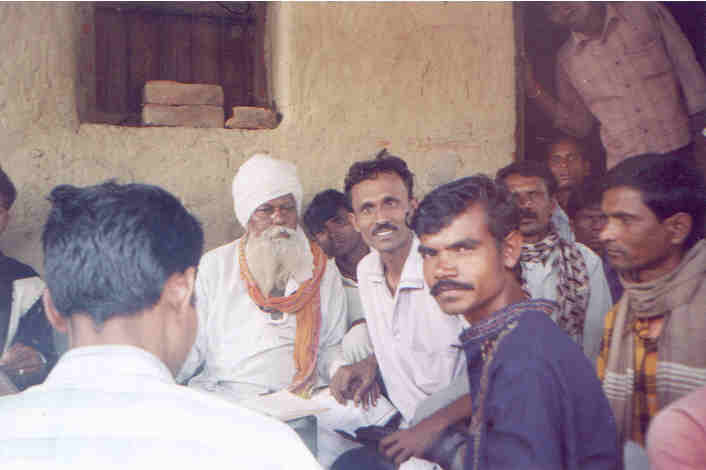 i for his role in protecting the authenticity of Chau and opposing its distortion. He performed in countries like Sweden, Canada, France, and Switzerland, captivating global audiences with the fierce beauty of Chau.
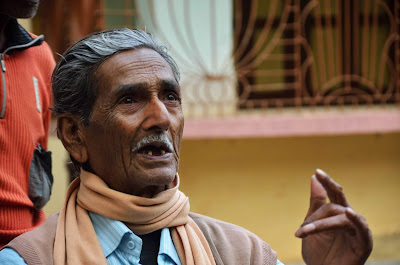 classical music—an artistic tradition in his family—he defied convention by embracing the folk form of Jhumur, guided by the renowned artist Ramkrishna Ganguly.
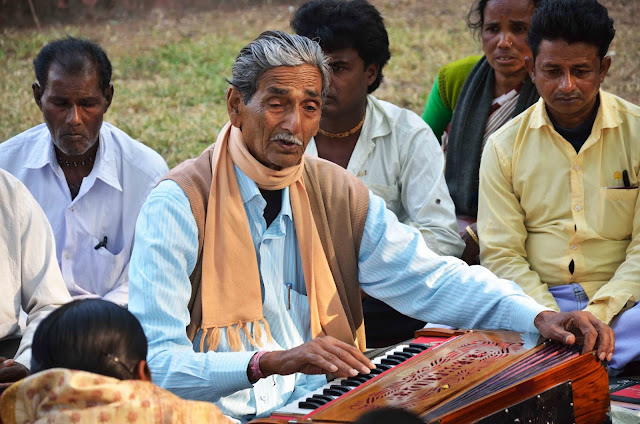 Mihirlal played a pivotal role in reviving solo Jhumur singing, proving that the form could stand powerfully even without dance accompaniment. His deep voice, lyrical sensitivity, and contemporary themes made Jhumur relatable to new generations. His compositions ranged from spiritual tales of Radha-Krishna to environmental and social themes.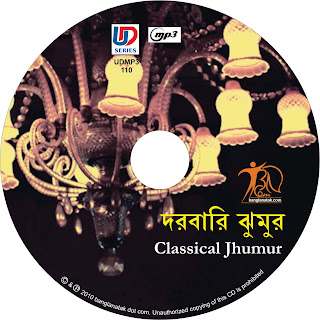
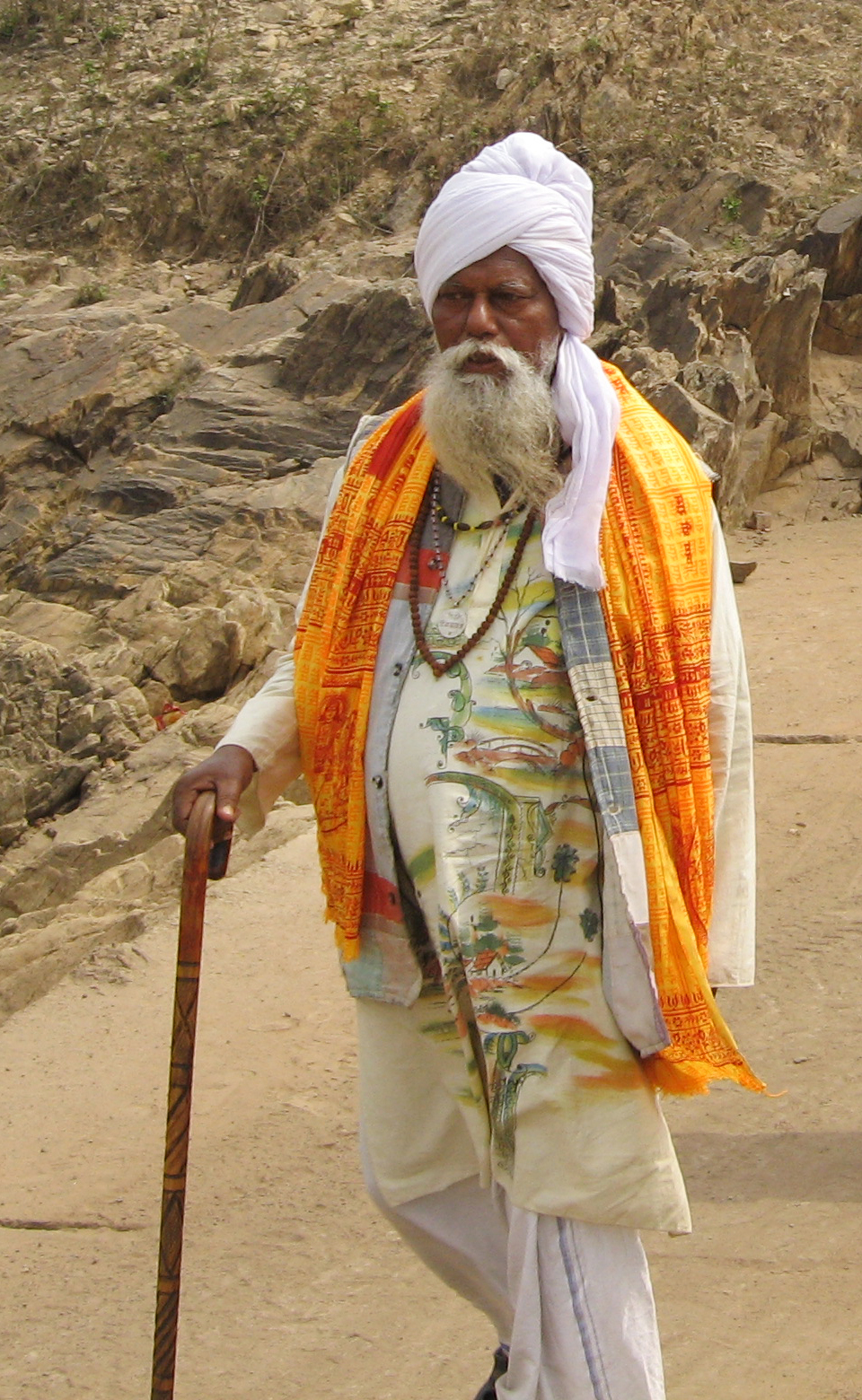 Salabat Mahato was both a Guru and a guardian of Jhumur’s authenticity in the modern era. Born into a humble farming family in Latpada village under Barabazar police station, Salabat was a gifted lyricist, composer, and singer whose influence reached far beyond Purulia.
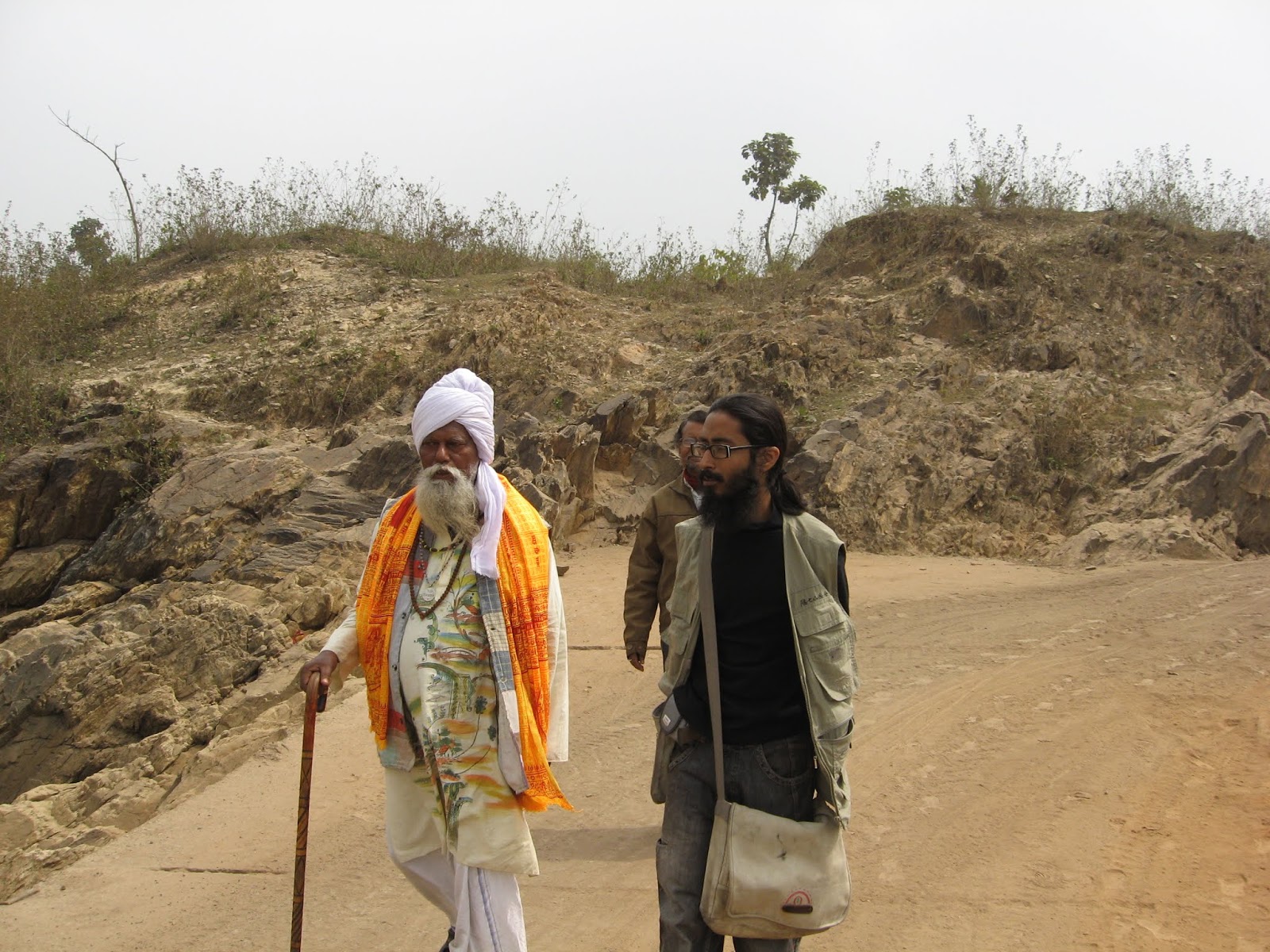 His contributions earned him accolades like the Abbasuddin Award and the Lalon Award from the Government of West Bengal. A short film was made on his life and work, attesting to his stature in the cultural world.