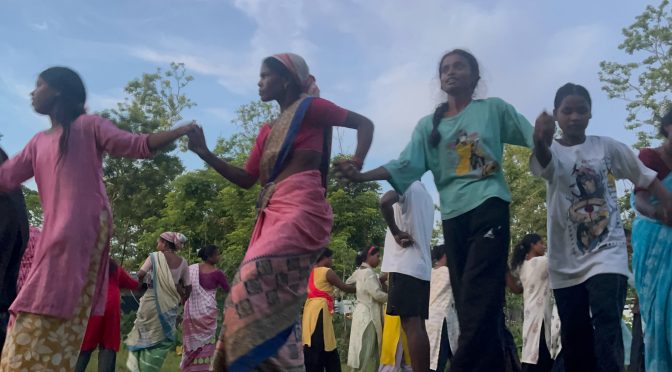
Breaking the Cycle of Silence
What happens when young voices are heard?
International Youth Day Celebration | 12 August 2026
Dinjoye TE, Maud TE, Chabua TE and Bogapani TE in Assam and Kumargram TE in West Bengal
Key Takeaways
- Creating spaces for youth to speak can break cycles of silence and open meaningful dialogue between young people and their parents.
- Young people in tea estates have strong aspirations, but need better access to education, scholarships, career guidance, skills and opportunities to turn their ambitions into reality.
- Youth voice and agency can drive social change, challenging child marriage, gender inequality, substance abuse and other barriers to a safer and more equitable future.
The Need to Listen
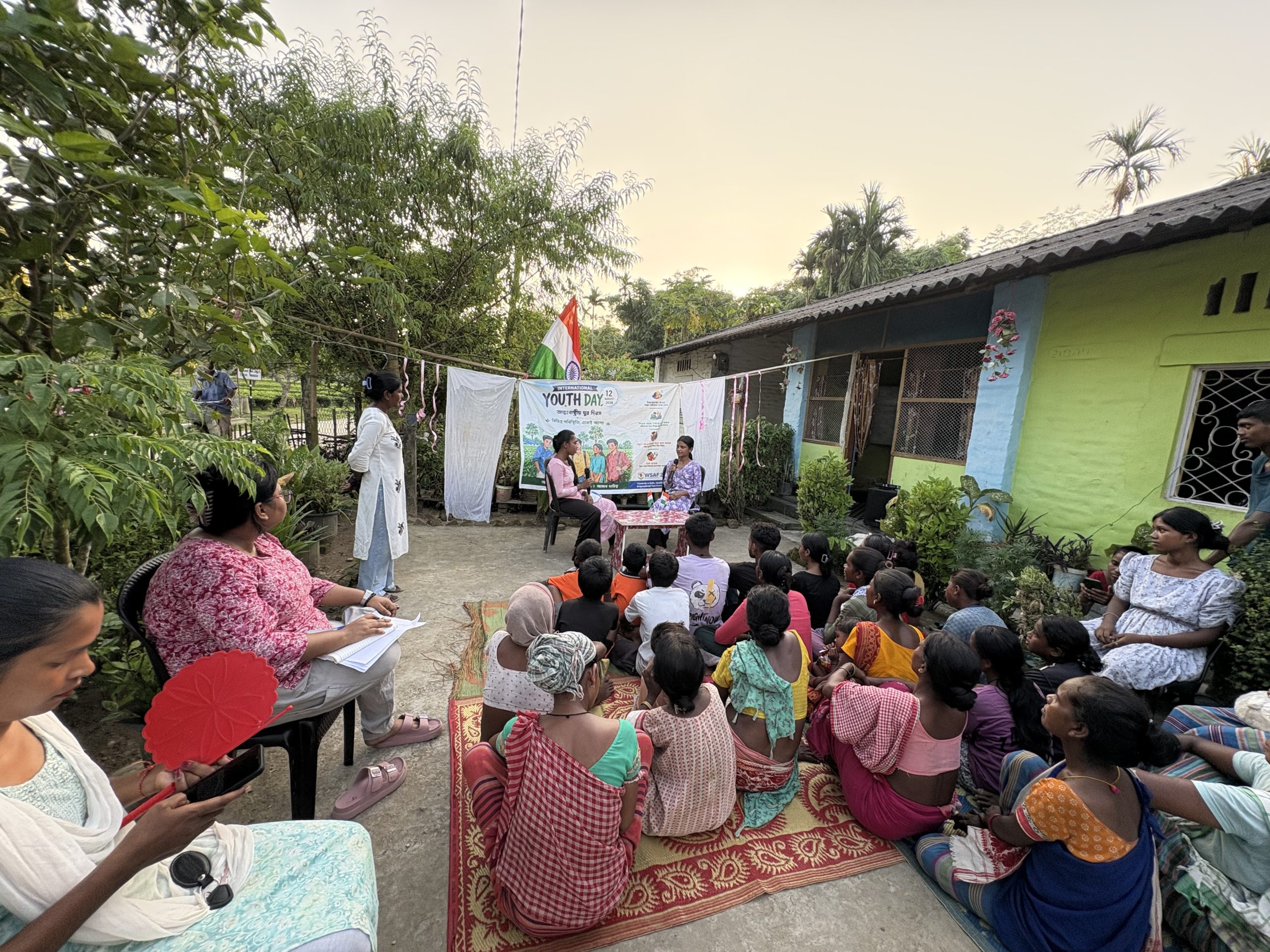
Across Assam and West Bengal’s tea estates, young people often have limited access to platforms where they can explore aspirations, discuss challenges and express their choices. Struggling to envision a prosperous future, many grow up in a society where rigid gender roles remain deeply entrenched. In communities where young people may encounter challenges such as gender-based violence, child marriage, early pregnancy and substance abuse, these very patterns often repeat in the next generation.
One challenge that emerged strongly through our work is the communication gap between parents and children. With women working all day in the tea gardens and men employed either in the factory or elsewhere outside, there is often limited time for open conversations between parents and children — a gap that frequently manifests as behavioural problems among children and youth. The Women Safety Accelerator Fund 2.0 program addressed this directly, creating a dedicated space during Youth Day for parents and children to speak, listen and understand each other’s perspectives.
A Game That Uncovered Aspirations, Challenges and Needs
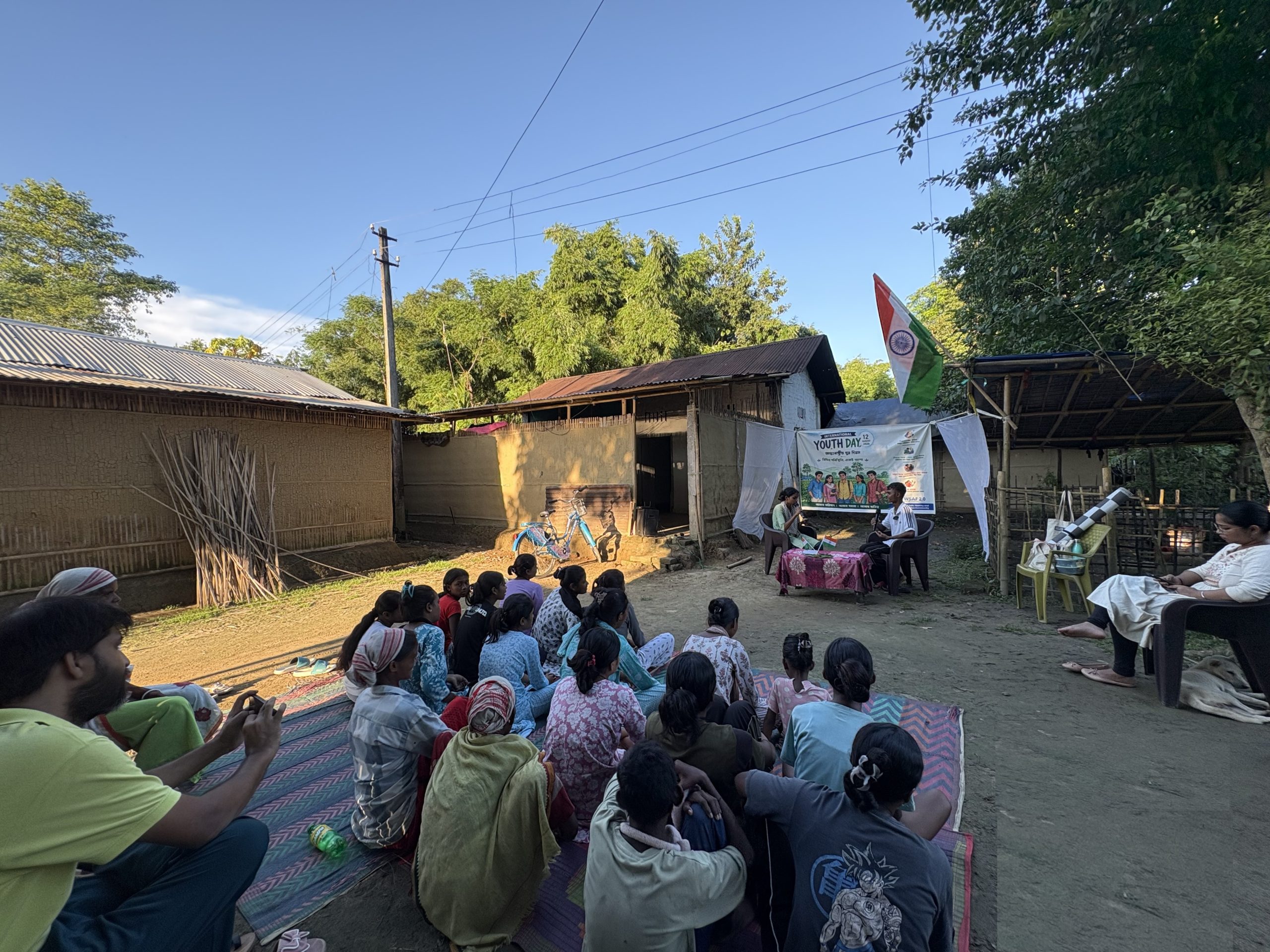
What happens when a simple game gives young people the space to speak? A rapid-fire Q&A became an opportunity to talk about aspirations, education, equality, safety and the future—and for parents and young people to listen to each other.
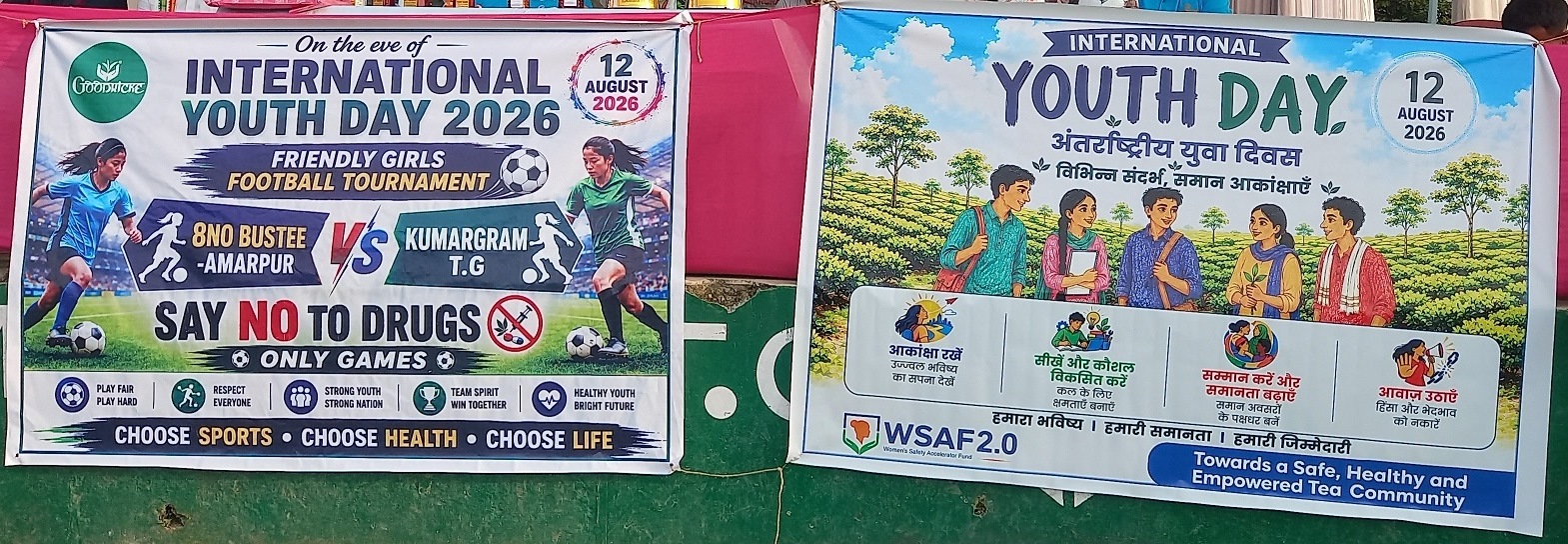
On 12 August 2026, these questions found their answers across Dinjoye, Maud, Chabua and Bogapani Tea Estates in Assam and Kumargram Tea Estate in West Bengal as International Youth Day was celebrated with the message, “Different Contexts, Common Aspirations.”
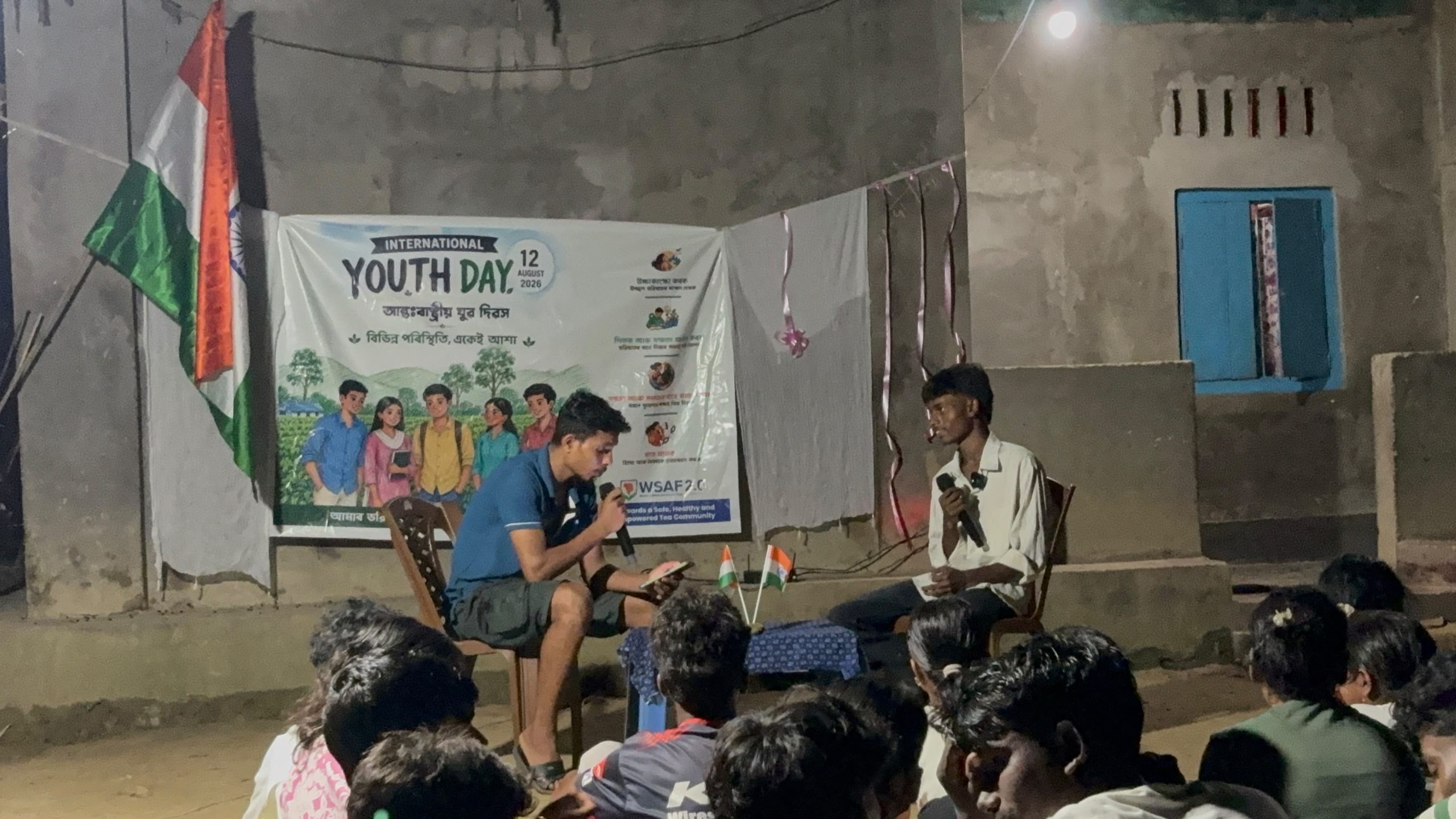
The day began with excitement as youth, parents and tea estate workers came together for an energetic rapid-fire Q&A activity. Parents and youth responded to questions about aspirations, education, marriage, careers, equality and challenges. One question followed another, encouraging dialogue between the generations — as both youth and parents opened up, the conversation grew richer and more collective. But behind every quick answer was an opportunity to learn, think and speak.
Soon, the game became a conversation about the future. Young people spoke confidently about the careers they hoped to pursue.
The youth leader Umesh also expressed, “শিক্ষা গ্ৰহণ কৰি কম বয়সতে নিজৰ কেৰিয়াৰ গঢ়ি তোলাটো বাগিচাত কাম কৰি ভৱিষ্যতে অনুশোচনা কৰাতকৈ অধিক গুৰুত্বপূৰ্ণ”॥ (Receiving education and building a career at a young age is more important than working in the garden and regretting in the future). His words captured the powerful motive of education and career building to open up doors to choices and opportunities.
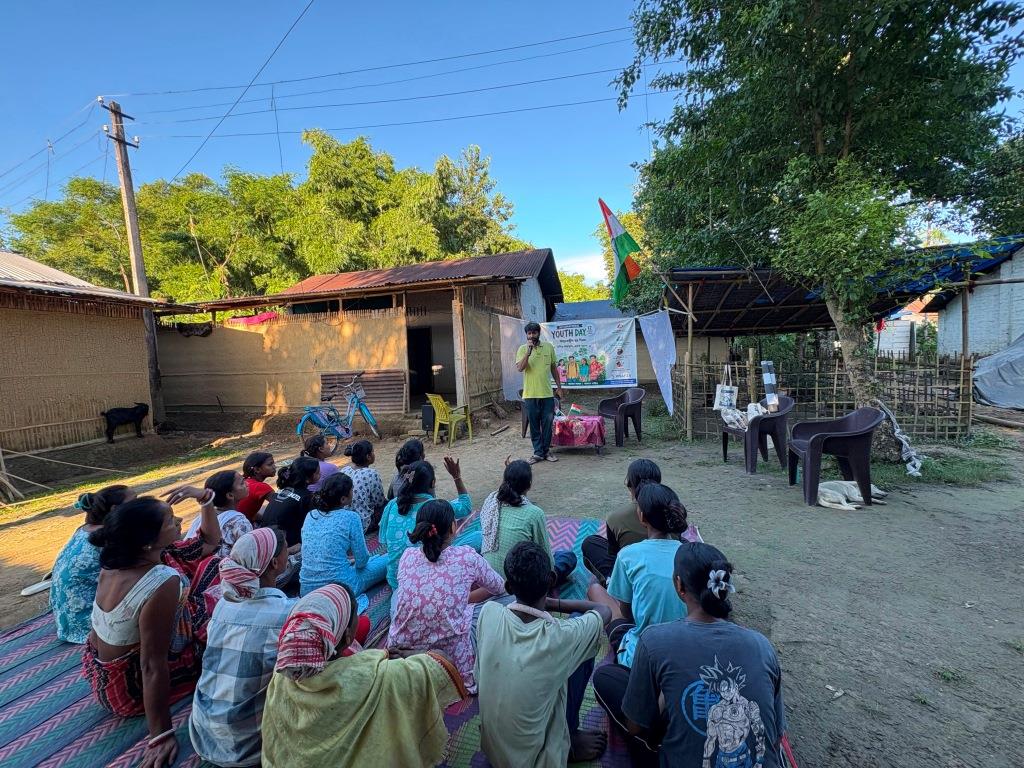
In West Bengal, parents shared, “It is important that young people can talk openly about their health, safety and future.” Their words reflected a growing openness within the community and showed how this event is helping create space for young people to speak, ask questions and imagine a safer, healthier future. It was a powerful sign that the community is ready for change.
The conversation also revealed the challenges standing between these aspirations and reality. The participants spoke about the need for scholarships, better educational facilities, financial assistance, skill development and career guidance. Parents raised concerns about the rising consumption of alcohol and drugs among youth and the need for counselling and positive engagement, while young people strongly opposed child marriage.
Most importantly, the discussions showed growing confidence among young people to express their opinions and choices.
Perhaps the biggest lesson of the day was simple: their aspirations were diverse; the barriers they identified were remarkably similar—limited financial resources, inadequate educational opportunities, lack of career guidance and access to skills
What I Walked Away With
What stayed with me was the confidence with which young people spoke about their aspirations and choices—and the willingness of parents to listen. A simple activity had created something that is often difficult to build: a space for honest conversation across generations.
The day also reminded us that listening is only the beginning. Young people identified what they need to move forward—education, scholarships, skills, career guidance, supportive families and freedom from practices that restrict their choices. Giving young people a voice matters; connecting that voice to opportunity is what can turn aspiration into change.
—By Ankita Dowerah